Adelaide Central Market suits a relaxed Tuesday morning visit, when aisles are quietest and easiest to navigate. Allow two to three hours for grazing, followed by a Chinatown lunch on Gouger Street. The defining highlight is the multicultural stall trail — Lucia's Fine Foods, cheese rooms, smallgoods and spiced olives — achievable for under $30. Mobility is easy, with a single-level flat layout and accessible toilets. Access is straightforward via Adelaide's free city tram, with no car required.
Why Adelaide Central Market rewards a slow morning
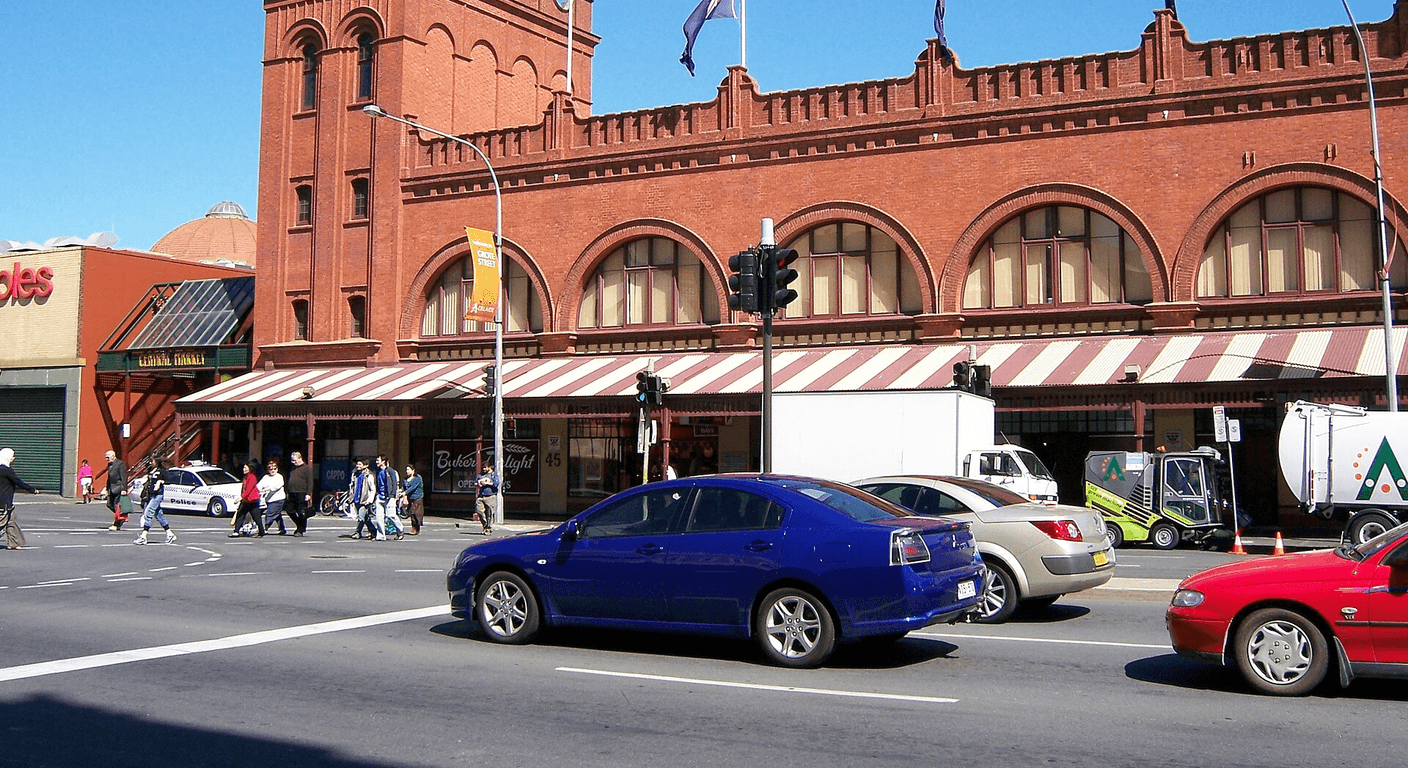
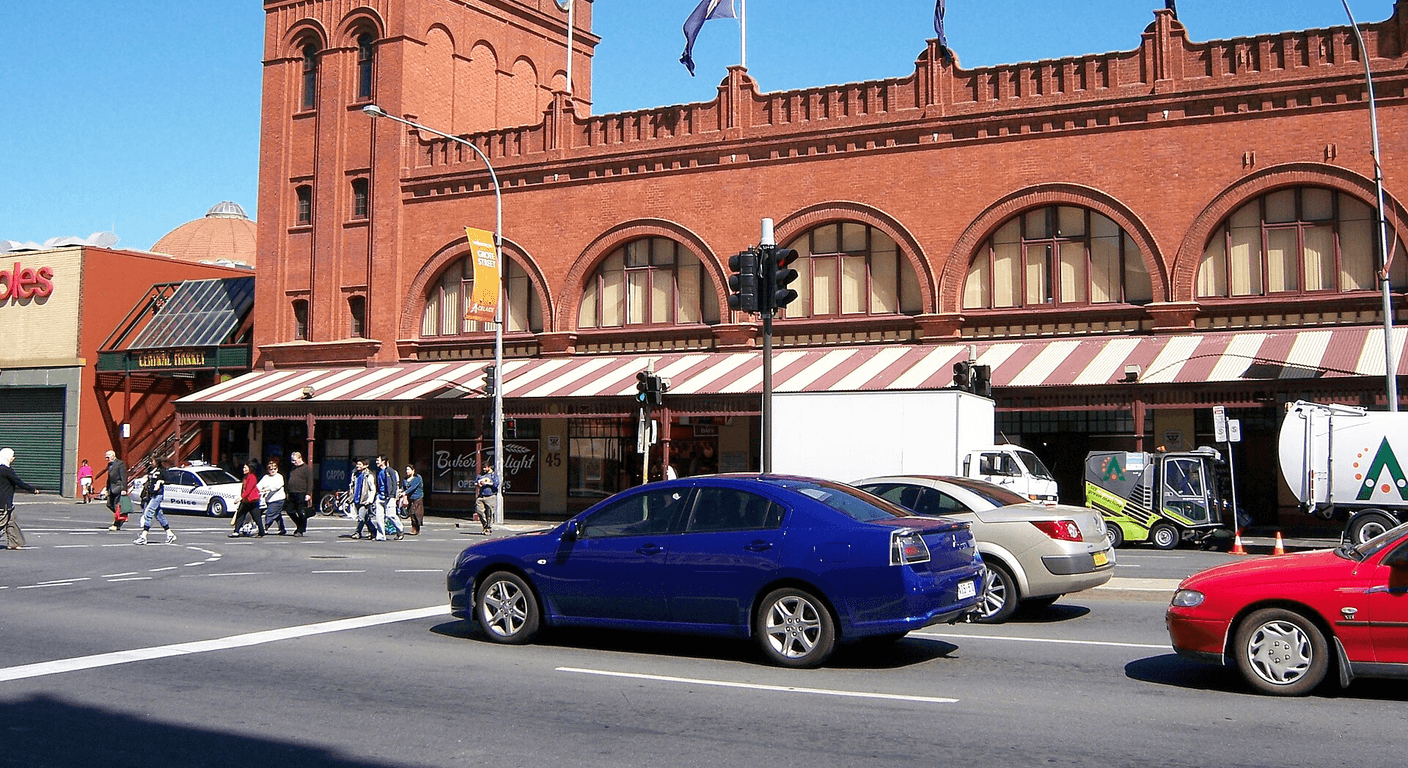
There are food markets and then there is Adelaide Central Market — a covered hall the size of a city block, operating continuously since 1869, that still functions as a genuine daily food source for Adelaide families rather than a tourist set piece. Walking in on a Tuesday morning, you notice it immediately: the rhythm is unhurried, the stallholders have time to talk, and the produce is real. For a traveller from regional Victoria who grew up eating across cultures, this place feels less like a sightseeing stop and more like a long conversation about food.
The market runs Tuesday to Saturday, with Friday and Saturday drawing the biggest crowds. If mobility, noise levels, or simply the pleasure of being able to stop and look without being jostled matters to you, Tuesday morning is the session to choose. Stallholders are restocked and ready, the aisles are navigable with a walking aid or at a measured pace, and you can actually hear yourself think when a cheesemonger explains the difference between two washed-rind rounds. The market opens at 7am on most trading days; confirm current hours at adelaidecentralmarket.com.au before you visit.
The floor plan is logical enough that you can work your way around the perimeter stalls first — where the long-established traders tend to sit — and then cut through the inner rows. There are benches and seating areas where you can rest, sample, and recalibrate. The toilets are accessible and well maintained. The market is on one level, which matters when you are carrying a growing bag of purchases.
The multicultural stall trail: where to start and what to look for
Lucia's Fine Foods is the anchor of any honest market trail. Established in 1957 by Lucia Carboni, an Italian immigrant who understood that South Australians were hungry for real continental smallgoods, the stall has been in continuous operation ever since and is now recognised as a piece of living food history. The cabinet holds cured meats, marinated vegetables, and fresh pasta that reflect the same southern European instincts that shaped so much of Australian food culture from the postwar decades onward. For a Latin Australian traveller, standing at this counter carries a particular resonance — it is a reminder of how migrant kitchens gradually changed what this country eats.
From Lucia's, the trail naturally extends to the smallgoods counters that cluster nearby: Hungarian-style salami, chorizo, house-made terrines, and a range of continental sausages that vary by stall. Ask questions — the traders know their product and most are happy to let you taste before you commit. The cheese rooms deserve unhurried attention. Several dedicated cheese stalls carry Australian and imported varieties, and a small wedge of something interesting costs very little. A round of tastings across two or three cheese counters, combined with a few slices of smallgoods and some bread from one of the bakery stalls, is a complete and satisfying grazing lunch in itself.
Beyond the European-heritage stalls, the market reflects the full breadth of Adelaide's food culture: spiced olive bars, Middle Eastern pastries, fresh Asian greens, Sri Lankan curry pastes, and a fish section that is worth a visit even if you are not buying. The multicultural texture here is not curated for tourists — it is the result of successive waves of migration into South Australia, and it shows in the specificity of what each stall carries. Take your time, read the labels, and let the conversations happen naturally.
Should you book a guided market tour?
The market's own guided tours are worth considering, particularly if this is your first visit or if you travel with a friend who likes context alongside experience. The tours run on selected mornings and are led by guides who know the history of individual stalls, the stories behind the traders, and the food culture that shaped the market. You will cover ground more efficiently, get introductions that open up conversations with stallholders, and come away with a clearer mental map of the place. Check the current tour schedule and pricing at adelaidecentralmarket.com.au, as session times and rates are updated seasonally.
For a group of friends travelling together, a guided tour can work particularly well — it provides a shared structure for the morning without locking you into a rigid itinerary. Most tours include tastings as part of the experience, which can offset some of the indicative tour cost when you consider what you would have spent grazing independently. That said, the market is entirely navigable without a guide if you prefer to move at your own pace. The stall directory on the official website is a useful planning tool to download before you arrive.
Accessibility on guided tours: confirm with the operator when booking whether the pace and route suit your mobility needs. The market floor is flat and the tour does not involve stairs, but the pace can vary. Operators are generally responsive to requests for a slower tempo when groups include older travellers.
What does a grazing morning actually cost?
A self-guided grazing trail through the market can be done comfortably for around $15 to $28 per person, depending on how liberally you sample and whether you buy anything to take home. An indicative breakdown might look like this: a strong coffee from one of the market cafes (roughly $5–$6), a shared serve of olives or marinated vegetables ($4–$7), two or three slices of smallgoods tasted across different counters (often free as samples, or a small purchase of around $5–$8), a wedge of cheese ($4–$7), and perhaps a piece of pastry or fresh bread ($3–$5). These are indicative figures only — confirm current prices with individual stallholders, as costs vary and change over time.
If you are travelling as part of a friends group, grazing becomes even better value because you can buy small amounts of several things and share across the table. The market has seating inside and the Gouger Street side of the precinct has outdoor tables where you can spread out a small spread. This is not a place where you need to spend a great deal to eat well. The pleasure is in the variety and the quality, not the quantity.
For travellers on a careful budget, it is worth noting that many stallholders offer samples freely and that simply walking the market, looking, smelling, and talking to the traders is an experience in itself that costs nothing at all. The under-$30 grazing budget is genuinely achievable.
Getting there: tram access and transport from the city
Adelaide's free city tram runs along King William Street and makes the Central Market precinct straightforward to reach from the CBD hotels, the Adelaide Railway Station, and the beachside suburb of Glenelg. The tram stop closest to the market is at the corner of Grote Street and King William Street, a short and flat walk to the market entrance on Gouger Street. The free tram zone covers the city centre, so there is no fare to pay for most visitors staying in central Adelaide. Confirm current tram routes and stop locations at adelaidemetro.com.au, as network details are subject to update.
For travellers coming from regional Victoria — arriving by train or coach into Adelaide — the market is accessible without needing a taxi or rideshare. The Adelaide Railway Station is within the free tram zone, and the walk from the station to the market is around 15 to 20 minutes on flat ground if you prefer to stretch your legs after a long journey. If walking that distance is not comfortable, the tram is the practical alternative and involves no steps at the stops along King William Street.
There is no need to hire a car for a market visit, and parking in the immediate area can be limited and costly on busier days. Arriving by public transport is the sensible choice and removes the stress of finding a space. If you are travelling with luggage on the day of arrival or departure, most of the CBD accommodation is close enough that a short tram ride or even a rideshare for that specific leg is easy to arrange.
The Chinatown finish: lunch on Gouger Street
Adelaide's Chinatown sits immediately adjacent to the Central Market, along Gouger Street and the lanes that run off it. After a morning of grazing through the market, the natural continuation is to settle in for a proper lunch at one of the long-running Gouger Street restaurants. The strip is particularly well regarded for yum cha, Vietnamese pho, and Malaysian hawker-style dishes, and the lunch session typically runs from around 11.30am — which aligns neatly with finishing a Tuesday market morning.
For a group of women who enjoy eating across cultures, Gouger Street offers variety without pretension. The restaurants here are established, often family-run, and priced reasonably — a yum cha lunch for two with tea might run to around $25–$40 per person indicative, though again, confirm current menu prices when you arrive. The combination of a market morning and a Chinatown lunch makes for a full and satisfying day that does not require you to walk far, navigate complicated transport, or spend a great deal of money.
Accessibility on Gouger Street is generally good — the footpath is wide and flat, and most restaurants are at street level or have a single low step. It is worth phoning ahead if you have specific mobility requirements, as table configurations vary. The precinct is lively at lunch but not overwhelmingly so on quieter weekdays.
Pacing and practical notes for over-50 travellers
The Central Market is one of the more comfortable food destinations in Australia for older travellers, largely because of its single-level layout, indoor setting, and the fact that you can move at whatever pace suits you. The aisles are wide enough for wheelchairs and walking frames in most sections, though on busy Friday and Saturday mornings some areas become congested. Tuesday is the consistently comfortable day. If heat is a concern, the market is undercover and benefits from the cooler morning hours; Adelaide summers can be fierce, so a morning start and an indoor finish at a Gouger Street restaurant makes good sense.
Wear comfortable, flat shoes — the floor is smooth concrete, which is easy underfoot but can be tiring over a long session. Bring a light, structured bag or a small wheeled trolley if you plan to buy produce to take home; a heavy shoulder bag gets uncomfortable after an hour of browsing. There are lockers available in the market precinct for larger items; check the website for current availability.
If you are travelling from regional Victoria and making Adelaide a short break, the Central Market is best placed on the first or second morning of your stay, when energy is fresh and you have time to revisit a favourite stall. It is not a destination that rewards rushing. Give yourself at least two to three hours for the market itself, and build in the Chinatown lunch as the unhurried conclusion to a morning well spent.
Quick planning guide
| Ideal pace | Slow-paced and unhurried |
|---|---|
| Best months | Year-round; Tuesday mornings preferred, and best avoided during peak summer heat |
| Suggested stay | Two to three hours for the market, extending to a half-day with a Chinatown lunch |
| Mobility level | Easy — single level, wide aisles, accessible toilets, flat approach |
| Cost level | Budget-friendly (indicative $15–$28 for a grazing morning) |
| Comfort level | High — indoor, seated rest areas, cool undercover setting |
| Best for | Older travellers, friends groups, and slow-food grazers |
| Main planning consideration | Visit on a Tuesday morning for the quietest, most accessible session, and confirm current hours and prices on the official website |
Key takeaways
- A self-guided grazing trail through Adelaide Central Market can be done comfortably for an indicative $15–$28 per person — confirm current prices with stallholders.
- Tuesday morning is the quietest and most accessible session, with full stalls, navigable aisles, and unhurried stallholders.
- Lucia's Fine Foods, established 1957, is the multicultural anchor of any honest market trail and a piece of living Australian food history.
- The market is on a single level with accessible toilets, making it one of the more manageable food destinations in Australia for older travellers.
- The free Adelaide city tram stops near the Grote and King William Street corner, giving direct access from CBD accommodation at no fare cost.
- A market morning paired with a yum cha or Vietnamese lunch on adjacent Gouger Street makes a complete, low-cost, culturally rich day out.
Recommended partners and links
Indicative prices only — always confirm with the operator before booking.
Frequently asked questions
What days and hours is Adelaide Central Market open?
Adelaide Central Market generally trades Tuesday to Saturday, with hours varying by day — Tuesday typically opens at 7am and Friday and Saturday draw the longest trading sessions. Hours can change seasonally and around public holidays, so confirm current trading times at adelaidecentralmarket.com.au before your visit.
Is Adelaide Central Market accessible for travellers with mobility aids?
The market is on a single level with smooth concrete floors and wide aisles in most sections, making it suitable for wheelchairs, walking frames, and travellers who need to move at a measured pace. Friday and Saturday peak sessions can be congested; Tuesday morning is the most comfortable option for travellers with mobility considerations.
How do you get to Adelaide Central Market by tram?
The free Adelaide city tram runs along King William Street and stops near the corner of Grote Street, a short flat walk from the market's Gouger Street entrance. The free tram zone covers the city centre, so most visitors staying in CBD accommodation pay no fare. Confirm current routes and stop locations at adelaidemetro.com.au.
What is the guided market tour at Adelaide Central Market and how do you book?
The market runs its own guided tours on selected mornings, covering stall histories, food culture, and included tastings. Tours are bookable through the official market website at adelaidecentralmarket.com.au, where current pricing and available session times are listed. An indicative cost is around $35–$45 per person, but confirm directly as rates change.
Where is the best place for lunch after visiting Adelaide Central Market?
Gouger Street, immediately adjacent to the market, is Adelaide's established Chinatown dining strip. It is well regarded for yum cha, Vietnamese pho, and Malaysian dishes, with most restaurants at street level and priced accessibly. The lunch session typically begins around 11.30am, aligning well with finishing a morning market visit.