The Adelaide River crocodile cruise sits about 60 to 70 kilometres south of Darwin via the Stuart Highway, best visited in the dry season (May to October), with June to August offering the most reliable weather. A half-day outing suits most itineraries, and the highlight is watching wild saltwater crocodiles rise close to a covered, fully seated boat. The experience is easy for older travellers, needing no walking, though visitors must self-drive or join an organised transfer from Darwin, as no public transport serves the site.
What is the Adelaide River crocodile cruise, exactly?
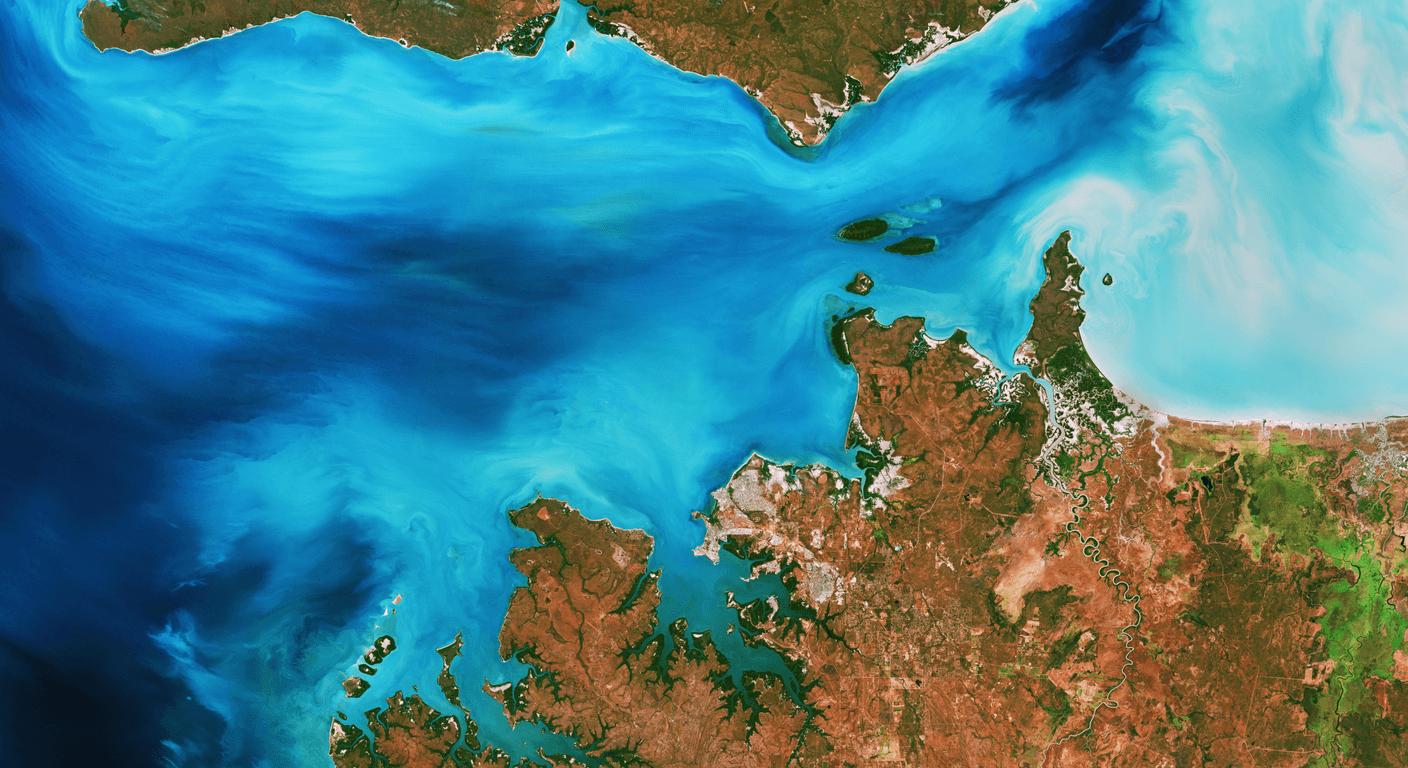
The Adelaide River runs through the flood plains south of Darwin, roughly 60 to 70 kilometres from the city centre along the Stuart Highway. The river is home to a substantial population of saltwater crocodiles — the largest reptile species on Earth — and purpose-built cruise operators have been running tours here for decades. The format is straightforward: you board a flat-bottomed, covered vessel with fixed seating, and the crew bring crocodiles to the side of the boat using bait suspended on a line. The crocodiles launch themselves partly out of the water to take the bait, and you watch from a metre or two away, through the open sides of the boat.
It is worth being clear about what draws the crocodiles in. Operators use meat or fish on a pole or rope to encourage the animals to approach and rise from the water — this is what makes the experience so visually immediate. Practices vary between operators, and some conservation-minded travellers have reservations about the feeding element. That is a fair consideration. The crocodiles are wild animals in their own habitat, not captive, and the river population has been present long before tourism arrived. For most visitors, the encounter is a chance to observe these animals at a scale and proximity that would otherwise be impossible.
Cruises typically run for around one to one-and-a-half hours. Departures vary by operator and season, so checking current schedules directly is essential before you travel. The dry season — roughly May through October — is the most comfortable time for this excursion, with lower humidity, clear skies, and roads in reliable condition.
How far is it from Darwin, and how do you get there?
The Adelaide River crossing, where the main cruise operators are based, sits about 60 to 70 kilometres south of Darwin on the Stuart Highway. By car, that is roughly 45 minutes to an hour depending on traffic leaving the city. The highway is sealed and in good condition during the dry season, with clear signage. Self-driving is straightforward for those comfortable with highway driving, and a hire car from Darwin gives you the most flexibility. Parking at the cruise landing is generally easy.
For couples or solo travellers who prefer not to drive, joining an organised day tour from Darwin is a practical alternative. Several Darwin-based tour operators include the Adelaide River cruise as part of a half-day or full-day itinerary, with return transfers included. These tours often combine the river cruise with other stops along the Stuart Highway, such as the Window on the Wetlands visitor centre or a roadside lunch. Confirm what is included, whether entry to the cruise is bundled in the tour price, and what the pickup point is — most tours collect from central Darwin hotels.
There is no reliable public transport option to the Adelaide River cruise site. The Stuart Highway is a major road, but bus services do not serve this stop. If you are not driving and prefer not to join a group tour, a taxi or rideshare from Darwin is possible but would be a significant cost for a return trip — worth confirming with a Darwin taxi provider before committing.
What is the boat like, and is it accessible for older travellers?
The cruise vessels used on the Adelaide River are purpose-built flat-bottomed boats with a covered roof for shade and fixed bench-style seating along the sides. The design keeps the boat stable on the relatively calm river water, and there is no requirement to stand throughout — you can remain seated for the entire cruise and still have a clear view of the crocodiles as they approach. For travellers who find prolonged standing uncomfortable, or who have balance considerations, the seated format is a genuine advantage over many wildlife experiences.
Boarding the vessel does involve stepping from a jetty onto the boat, which can involve a small step or gap depending on the water level and the specific operator's setup. If you have mobility limitations, a walking frame, or need assistance boarding, it is worth contacting the operator directly before your visit to ask about their boarding arrangements and whether staff can assist. Most operators are accustomed to travellers of varying mobility and can advise honestly. Flat, non-slip footwear is sensible.
Onboard facilities are basic — expect shade, seating, and likely a small commentary from the crew, but not café-style amenities. Toilet facilities are typically available at the departure point before and after the cruise. For those who manage heat sensitivity, the dry season is far more comfortable than the wet season, and the covered boat provides meaningful shade. Bringing a water bottle, a hat, and sun protection for the transfer to and from the boat is practical.
What will you actually see — and how close is close?
Saltwater crocodiles on the Adelaide River are large, established animals — some individuals seen on tours are several metres in length and have been visiting the boats for years. When the crew presents bait, the crocodiles surge up from the water with a speed that tends to surprise first-time visitors regardless of age. You are watching a wild animal in its own habitat behave in a natural way — the leap and snap is not a performance, it is simply what a crocodile does when food is presented at the surface.
The view from a window seat or open-sided seat is entirely adequate. You do not need to lean out or stand at the rail to see clearly — the animals come close enough to the boat that seated passengers have a direct sightline. If you are travelling as a couple, sitting together on the river-facing side of the boat makes sense, though the crew will generally position the boat so that both sides have views at different points in the cruise.
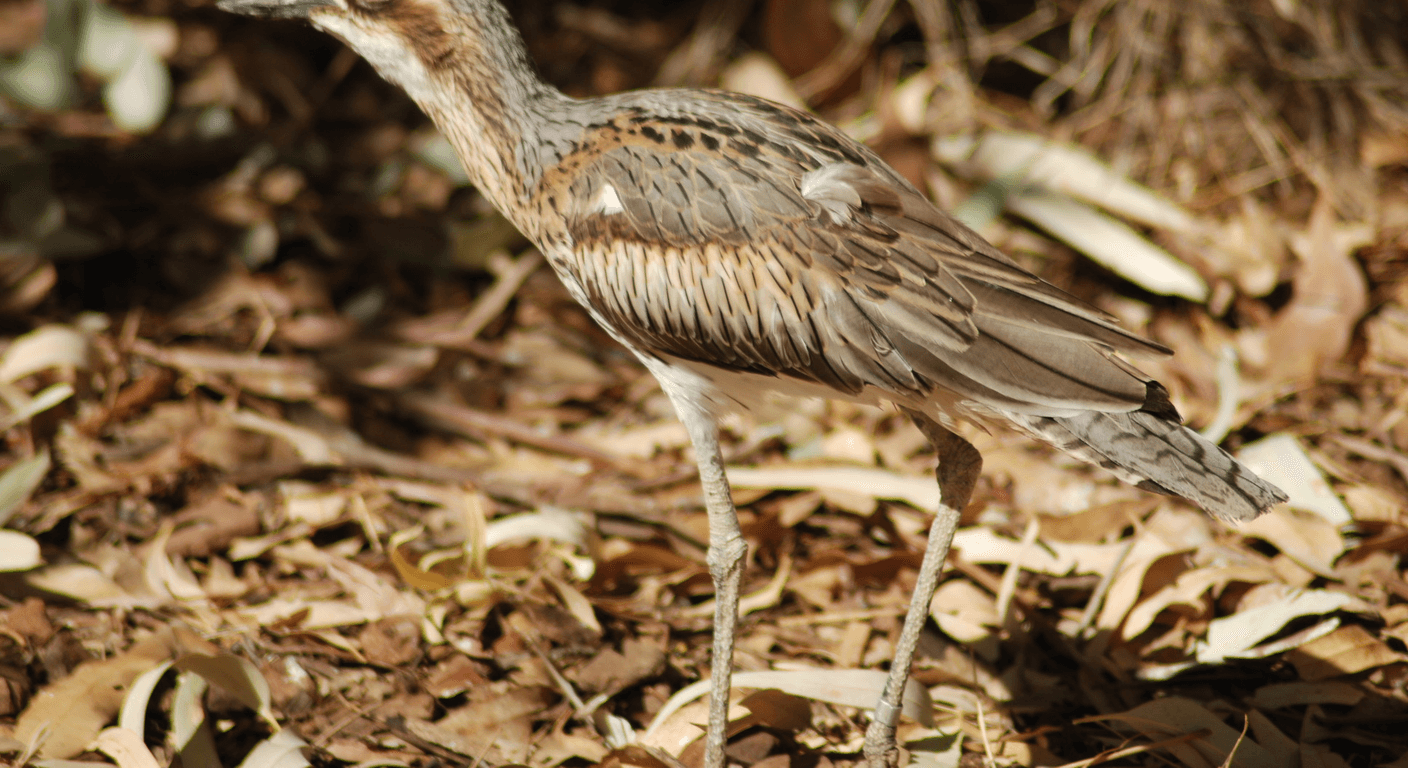
Beyond the crocodiles themselves, the Adelaide River flood plain is bird-rich country. Depending on the season, you may see jabiru (black-necked storks), brolgas, various kingfishers, and other waterbirds along the banks. The landscape — wide, flat, and very Australian in a distinctly northern way — is quite different from anything you encounter in Victoria. For a traveller from Melbourne or regional Victoria, the sheer openness of the Top End flood plain is part of what makes the excursion feel like a genuine change of scene.
What does the cruise cost, and what should you confirm before you go?
Cruise pricing varies between operators and changes over time, so the figures here are indicative only. As a rough guide, a standalone river cruise ticket has been priced at around $60 to $80 per adult, with some variation for concession or senior rates — it is worth asking operators directly whether they offer a seniors or concession price. If you join an organised day tour from Darwin that includes the cruise and return transport, indicative costs have been in the range of $100 to $130 per person, though again this varies. Always confirm current pricing directly with the operator before booking.
Departure times and the number of daily departures shift between peak dry season and quieter periods. Some operators run multiple departures per day during peak months; at other times there may be fewer options. Given the drive involved, confirming your preferred departure time before you travel from Darwin avoids an unnecessary wait at the site. Most operators can be contacted by phone or through their websites, and Tourism NT's website is a useful starting point for an overview of current options.
It is also worth confirming whether bookings are essential or whether walk-up tickets are available on the day. During peak dry-season months — particularly July and August when interstate visitors are most numerous — some departure times can fill. Booking a day or two ahead is a sensible habit, though the atmosphere here is relaxed and far from the pressured ticketing environment of some city attractions.
How should you pace the day to get the most out of it?
The Adelaide River cruise is well-suited to a half-day structure, leaving Darwin in the morning, doing a mid-morning cruise, and returning to Darwin by early afternoon. That rhythm avoids the hottest part of the day and leaves the afternoon free for rest or Darwin's excellent museums. The Museum and Art Gallery of the Northern Territory, for instance, has a well-regarded maritime and natural history collection and is a calm, air-conditioned counterpoint to an outdoor morning — see magnt.net.au for details.
If you are self-driving, the Window on the Wetlands visitor centre — a free facility run by the Northern Territory government, located near Beatrice Hill on the Arnhem Highway — offers a worthwhile stop for elevated views over the flood plain and interpretive displays on Top End ecology. It adds very little time to the journey and is fully accessible with lift access to the viewing platform. Confirm opening hours before you visit as these can vary.
Travelling as a couple, the dynamic of the cruise is relaxed and social — the boats are not large, and it is easy to chat with other passengers and the crew. There is no pressure to be physically active, no significant walking, and the experience does not require any preparation beyond wearing comfortable clothes and bringing sun protection and water. For a traveller of 70-plus who has done plenty of active touring over the years, it is the kind of outing where you can simply sit, watch, and let the country do the work.
Is this worth the trip from Victoria — and when should you go?
For Victorian travellers making the journey north to Darwin — whether by flight, by road, or as part of a longer itinerary — the Adelaide River cruise is one of the more distinctive half-days available in the Top End. It is not a theme park experience; it is a genuine encounter with wild animals in a working river system, delivered in a format that is accessible and comfortable for older travellers. The fact that it requires no hiking, no extreme heat exposure, and no particular physical preparation makes it more accessible than many Northern Territory wildlife experiences.
The dry season — May through October — is the recommended window for Victorian visitors. Darwin's wet season (roughly November to April) brings extreme humidity, heavy rainfall, and some road closures in the region, and the experience of a river cruise in 35-degree heat and 90 percent humidity is a different proposition entirely. The dry season months of June, July, and August are the most popular, with reliable weather and comfortable temperatures, particularly in the mornings.
Darwin as a base city has improved considerably in its accommodation and dining options in recent years, and a four- to five-night stay gives you time to combine the Adelaide River with other Top End highlights — the Mindil Beach Sunset Market (Thursday and Sunday evenings in dry season), a day trip to Litchfield National Park, and time in Darwin's compact but rewarding city centre. The Adelaide River cruise fits naturally into that kind of unhurried itinerary, and it tends to be the experience that travellers remember most clearly when they get home.
Quick planning guide
| Ideal pace | Relaxed half-day outing |
|---|---|
| Best months | May to October (dry season), with June to August most reliable |
| Suggested stay | Half-day for the cruise; 4-5 nights in Darwin to combine with other Top End highlights |
| Mobility level | Easy — seated, covered boat with no walking required, though boarding involves a small step |
| Cost level | Mid-range — around $60 to $80 per adult standalone, or $100 to $130 per person with a Darwin day tour |
| Comfort level | High — shaded, stable seating and no physical exertion |
| Best for | Older travellers, couples, and wildlife-focused visitors wanting an accessible outing |
| Main planning consideration | Choose between self-driving the Stuart Highway or joining an organised tour with transfers, as no public transport serves the site; book ahead during peak July-August |
Key takeaways
- The Adelaide River cruise is around 60 to 70 kilometres south of Darwin on the Stuart Highway — roughly a 45-minute to one-hour drive.
- Cruise vessels are covered, stable, and fully seated, making them accessible for most older travellers without the need to stand or walk during the experience.
- Indicative cruise costs are roughly $60 to $80 per adult for a standalone ticket; confirm current pricing and senior concessions directly with operators.
- Crocodiles are wild animals drawn boat-side using bait — operators vary in their feeding practices, which is worth knowing before you book.
- The dry season (May to October) is the most comfortable and practical time for Victorian travellers to visit; wet-season conditions are significantly more challenging.
- For those not driving, organised day tours from Darwin include return transport and are a practical alternative to self-driving the Stuart Highway.
Recommended partners and links
Indicative prices only — always confirm with the operator before booking.
Frequently asked questions
How close do you get to the crocodiles on the Adelaide River cruise?
The crocodiles come to the side of the boat, typically within one to two metres of seated passengers, when the crew presents bait on a line or pole. You do not need to stand or lean out to see clearly — the animals approach close enough for a direct view from your seat.
Is the Adelaide River cruise suitable for travellers with limited mobility?
The boats are flat-bottomed and seated, which suits most older travellers. Boarding does involve stepping from a jetty onto the vessel, which may require assistance depending on your mobility. Contact the operator directly before your visit to ask about boarding arrangements and whether staff assistance is available.
Do I need to book the Adelaide River cruise in advance?
Booking ahead is advisable during the peak dry-season months of June to August, when departure times can fill. At quieter times, walk-up tickets may be available, but confirming with the operator before making the drive from Darwin is always sensible.
Is there public transport from Darwin to the Adelaide River cruise?
There is no regular public bus service to the Adelaide River cruise site. Options are self-driving via the Stuart Highway (around 45 minutes to one hour), joining an organised day tour from Darwin that includes return transfers, or arranging a private taxi or rideshare — though the latter is a significant cost for a return journey.
What is the best time of year for Victorian travellers to do the Adelaide River cruise?
The dry season, running roughly from May to October, is the most comfortable and practical time to visit. The humidity is lower, skies are generally clear, and roads are in reliable condition. July and August are peak months. The wet season (November to April) brings extreme humidity and heavy rainfall that make the experience considerably less comfortable.