Belair National Park in the Adelaide Hills is best visited in spring or autumn when temperatures are mild and trails are driest. A full day suits the itinerary well: the flat Upper Playford Lake loop, a visit to heritage Old Government House, and a shaded picnic lunch. Mobility needs are moderate, with mostly flat, compacted-gravel paths. Access is straightforward by train from Adelaide's CBD to Belair's own station, with free walk-in entry.
Why Belair National Park Works So Well as a Day Trip
There are not many national parks in Australia where you can step off a suburban train and walk straight into bushland. Belair is one of them. The park has its own station — Belair Station — on Adelaide Metro's Belair line, and the entrance to the national park is a short, flat walk from the platform. For a couple travelling from Victoria, or staying in Adelaide's CBD, that removes the usual friction of hiring a car, navigating unfamiliar roads or worrying about parking.
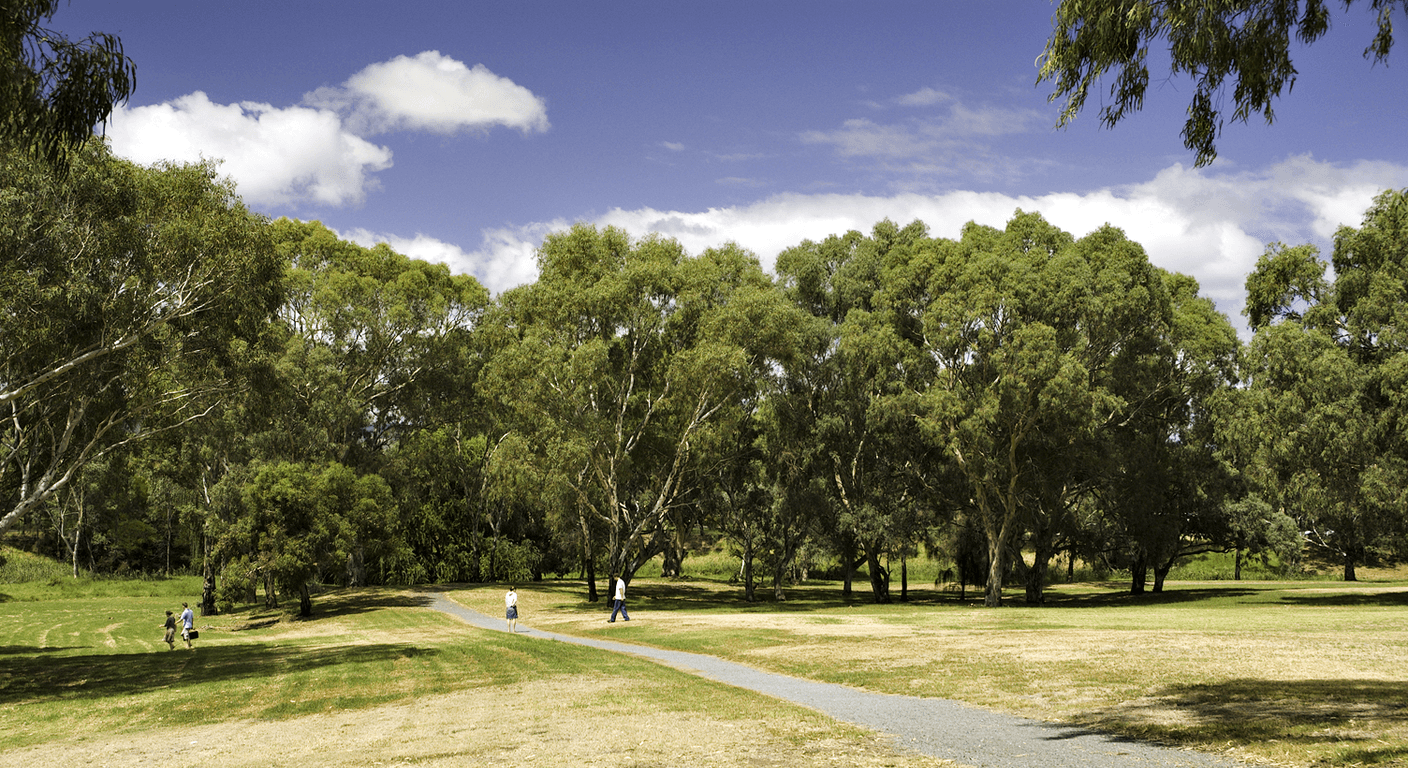
The park itself covers around 835 hectares of native bushland in the Adelaide Hills, roughly 13 kilometres south of the city centre. It was gazetted in 1891, making it one of South Australia's oldest conservation areas. The landscape is open eucalypt woodland, seasonal creeks and grassy clearings — the kind of terrain that rewards a slow pace and a good pair of walking shoes rather than a punishing fitness level.
For travellers in their sixties and seventies, especially those who have been doing day trips long enough to know that a relaxed itinerary beats an ambitious one, Belair offers a reliable formula: heritage interest, a couple of easy loop walks, shaded picnic areas and a train home. It does not ask too much of you, and it gives back a genuine sense of being in the Australian bush without the logistics of a remote park.
Getting There: The Train from Adelaide
The Belair line runs from Adelaide railway station on North Terrace, out through the western and southern suburbs and up into the Adelaide Hills. It does not start at Keswick — that station closed in 2013, and the nearby Adelaide Parklands Terminal serves interstate trains such as the Overland and the Ghan, not the Belair commuter service. The journey to Belair Station takes roughly 30 to 40 minutes depending on the service. Trains run regularly throughout the day, though frequency drops in the middle of the day and on weekends, so it is worth checking the current timetable on the Adelaide Metro website before you go.
You will need a Metrocard to travel at the standard fare, though single-trip paper tickets are also available. Fares are indicative around $4–$6 one-way; confirm current pricing with Adelaide Metro directly, as concession rates and senior discounts may apply depending on your card type. If you hold an interstate Seniors Card, check whether SA reciprocal arrangements apply, as these change periodically.
Belair Station itself is a small, heritage-listed timber station — pleasant to look at, but modest in facilities. There is no ticket office or staffed counter, and the platform has limited seating. The walk from the station to the park entrance is essentially flat and takes around five minutes on a sealed path, which suits most mobility levels. If either of you uses a walking frame or has significant balance concerns, the path is manageable but worth scouting on a fine day rather than after rain when surfaces can be slippery.
Entry Fees: Free on Foot, Payable by Car
One of the practical pleasures of arriving by train is that walk-in entry to Belair National Park is free. There is no gate charge if you arrive on foot or by bicycle. Vehicle entry, by contrast, currently costs around $15 per car — indicative only, so confirm the current fee at parks.sa.gov.au or at the park entry booth before your visit. For a couple doing the trip as a day out from Adelaide, the train option saves the vehicle fee and removes the need to carry cash for the boom gate.
Annual national park passes for South Australia are available if you plan to visit multiple SA parks during a longer trip, and these can represent reasonable value. The relevant authority is the SA Department for Environment and Water, and details are listed on the parks.sa.gov.au site. Victorian National Parks passes are not transferable to South Australia, so do not assume your home-state pass will work here.
The park does not charge separately for most of its walking trails or picnic areas. Old Government House has a small admission fee on its open days. The house is cared for by the Friends of Old Government House, a volunteer group working with the Department for Environment and Water — not, despite what several listings say, by the National Trust, which runs a different Old Government House in Parramatta. Confirm open days in advance, as it is not staffed seven days a week.
What to See and Do: A Gentle Day's Itinerary
The most popular walk for visitors of a gentle pace is the loop around Upper Playford Lake. It is a relatively flat circuit through open woodland with views across the water, and it suits a comfortable hour of walking without significant climbing. The path is mostly compacted gravel and is generally passable for those with moderate mobility, though some sections can be uneven after wet weather. Signage within the park is adequate, and you are unlikely to get turned around on the main lake circuit.
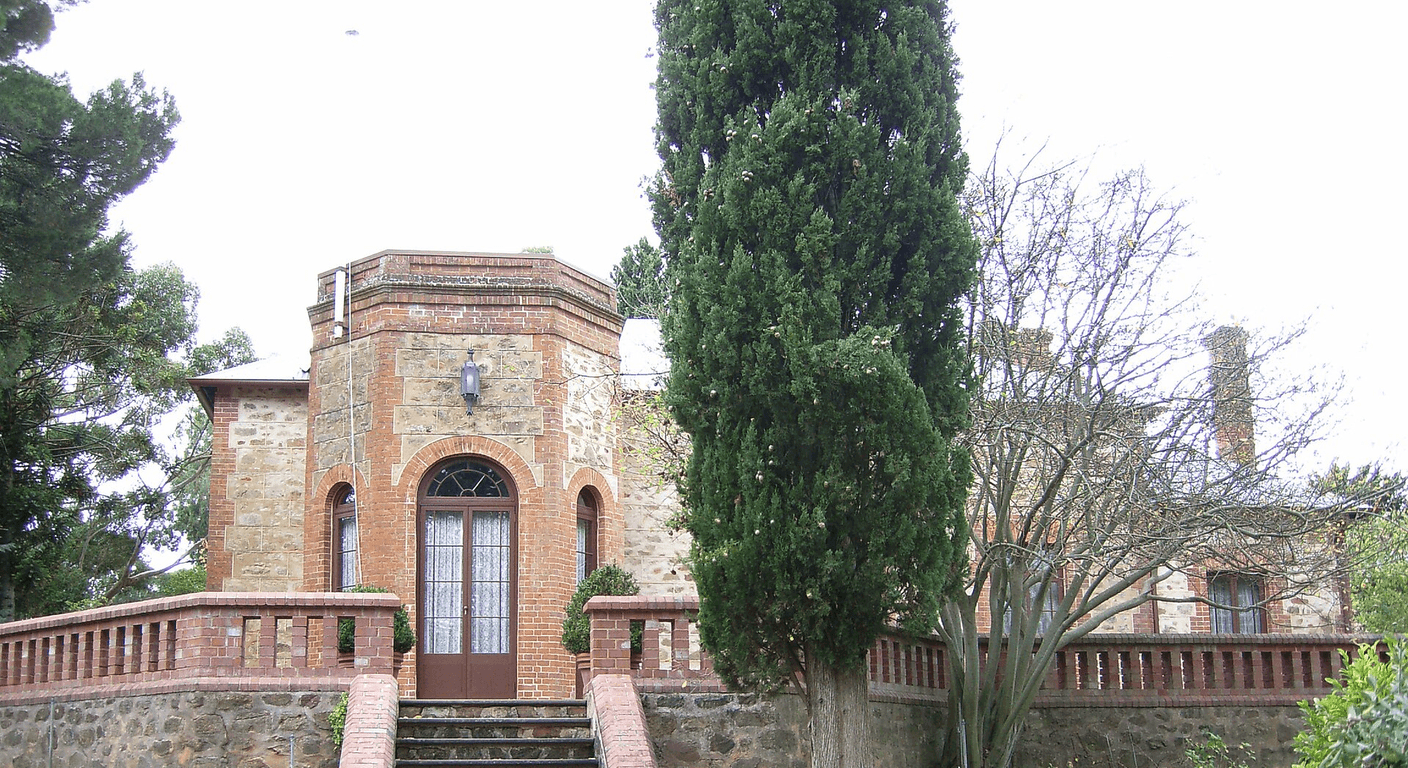
Old Government House is the heritage centrepiece of the park. Built in the 1850s as a summer residence for South Australia's governors, it is a solid stone building set in English-style garden surrounds that feel pleasantly incongruous in the middle of Australian bush. On open days, volunteer guides run tours that take roughly 45 minutes. The interior is furnished in period style and gives a genuine sense of colonial-era Adelaide. For travellers with an interest in Australian history, it is a worthwhile stop rather than a token tick.
The shaded picnic lawns near the park's central facilities area are a good spot to eat lunch and rest between walks. Facilities include public toilets and basic picnic tables. The park does not have a café or food kiosk, so packing your own lunch and a thermos is genuinely important rather than optional. There are some trails that climb into hillier terrain — these are better suited to days when you have more energy and less heat. On a warm day, staying on the flatter lake and homestead circuit is the sensible call.
Pacing It Right: Advice for Older Travellers
The temptation with a park like Belair is to try to cover more than necessary. The lake loop and a visit to Old Government House already fill a comfortable morning, and a picnic lunch in the shade makes for a satisfying midday break before the return train. Trying to add longer or steeper trails in the afternoon, particularly in summer when Adelaide's heat builds quickly, is the kind of decision that makes the journey home uncomfortable.
Footwear matters more than people often acknowledge. The main paths are compacted gravel or sealed, but there are exposed roots and slight cambers in places. A solid walking shoe with a grip sole is far more appropriate than a lightweight trainer or sandal. A walking pole is useful on any uneven ground, particularly on the return from the lake loop where a short descent can catch you off guard.
Sun protection in South Australia should be treated seriously regardless of the time of year. A hat, sunscreen and a long-sleeved layer are sensible even in spring and autumn when the temperature feels moderate. Water is equally important — carry at least one litre per person, as there are no guaranteed water refill points along the walking trails, only at the main facilities area near the entrance.
Practical Considerations for Couples Travelling Together
Belair suits couples well because the day has a natural rhythm: the train journey is a comfortable way to arrive without anyone having to drive, the lake loop is sociable at a slow pace, and the picnic lawns offer time to sit and talk without feeling rushed. There is no pressure to keep moving, and the park is not so busy on weekdays that you feel crowded out.
If one person in the couple has a different mobility level, the main lake circuit and the area around Old Government House are accessible enough that you can adjust the day without either person feeling left behind. The steeper trails deeper into the park can simply be left for another visit or skipped entirely without any sense of missing the point of the park. The core experience — bush, heritage and a quiet lunch — is all available within a comfortable radius of the entrance.
Mobile coverage in parts of the park can be patchy, which is worth knowing if either of you relies on a smartphone for navigation or emergency contact. The trails are well-signed and the park is not remote, but downloading an offline map or picking up a printed trail map from the park entrance is a sensible precaution. The SA parks website sometimes has downloadable trail maps, and it is worth checking before you leave home.
When to Go: Seasons and Timing
Spring (September to November) and autumn (March to May) are the most comfortable seasons for walking in the Adelaide Hills. Temperatures are moderate, the bush is at its most photogenic in spring, and the crowds — such as they are at Belair — are lighter on weekdays. Summer visits are possible but require an early start and a plan to be back at the station before the midday heat peaks. Adelaide summers can reach well above 35 degrees, and the park offers limited shade on exposed sections of trail.
Winter in the Adelaide Hills is mild by Victorian standards but can be wet. The park is quieter in winter, and the Old Government House gardens have their own appeal in the cooler months. The main consideration is that some paths become slippery after rain, so checking the forecast the night before is worth the effort. The train runs year-round, so there is no seasonal restriction on access.
For travellers coming from Victoria specifically, Belair works well as part of a longer Adelaide stay rather than a standalone trip. Pairing it with a day in the Barossa or McLaren Vale, or a wander through the Adelaide Central Market, gives the trip a satisfying variety. A long weekend or four-night stay in Adelaide gives you enough time to do Belair comfortably without rushing.
Quick planning guide
| Ideal pace | Slow-paced, relaxed day out |
|---|---|
| Best months | Spring (September–November) and autumn (March–May); summer possible with an early start |
| Suggested stay | A full day trip, ideally part of a longer Adelaide stay such as a long weekend or four nights |
| Mobility level | Moderate — mostly flat, compacted-gravel paths with some uneven or slippery sections after rain |
| Cost level | Budget-friendly (under $30 total) |
| Comfort level | Comfortable, with shaded picnic areas but no café, so pack lunch and water |
| Best for | Couples and older travellers wanting a gentle bush walk without needing a car |
| Main planning consideration | Check train timetables and plan around midday heat in summer |
Key takeaways
- Belair National Park is one of the few Australian national parks accessible directly by suburban train, with its own station on Adelaide Metro's Belair line.
- Walk-in entry to the park is free; vehicle entry costs around $15 per car — confirm current fees at parks.sa.gov.au before your visit.
- The Upper Playford Lake loop is a mostly flat, well-signed circuit suitable for travellers with moderate mobility and comfortable walking shoes.
- Old Government House, managed by the National Trust SA, is open on select days and offers a genuine insight into colonial South Australian history.
- The park has no café or food kiosk, so packing lunch and at least one litre of water per person is essential rather than optional.
- Spring and autumn are the most comfortable seasons for walking; summer visits require an early start and a firm plan to return before the heat builds.
Recommended partners and links
Indicative prices only — always confirm with the operator before booking.
Frequently asked questions
Do you need to pay to enter Belair National Park if you arrive by train?
No. Walk-in entry to Belair National Park is free if you arrive on foot, including via the train to Belair Station. Vehicle entry currently costs around $15 per car, but confirm the current fee at parks.sa.gov.au before your visit as charges can change.
How long does the train from Adelaide to Belair Station take?
The journey from Adelaide city to Belair Station on the Belair line takes roughly 30 to 40 minutes depending on the service. Check the current timetable at adelaidemetro.com.au, as frequency varies across the day and between weekdays and weekends.
Is Belair National Park suitable for older travellers with limited mobility?
The main lake loop and the area around Old Government House are accessible for most older travellers with moderate mobility and appropriate footwear. Some trails in the park involve steeper climbing and are less suited to those with balance or joint concerns. The walk from Belair Station to the park entrance is flat and short.
Is there a café or food available inside Belair National Park?
No. The park does not have a café or food kiosk. Pack your own lunch and sufficient water before you arrive, as there are no guaranteed refill points along the walking trails. Basic picnic tables and public toilets are available near the main entrance area.
When is Old Government House at Belair open to visitors?
Old Government House is managed by the National Trust SA and is open on selected days rather than every day. A small admission fee applies. Confirm current open days and pricing directly with the National Trust SA at nationaltrust.org.au before planning your visit around it.