The best South Pacific cruises for Australians over 50 depart round-trip from Sydney or Brisbane, reaching Vanuatu, New Caledonia and Fiji in 10–14 nights — no flights required. Carnival, P&O Australia, Royal Caribbean and Princess all run these routes. Mobility rating: Moderate, given tender ports at many island stops. Avoid November to April (cyclone season). Solo cabins exist on some ships; single supplements vary sharply by line — confirm before booking.
The Hard Parts First: What to Know Before You Book
Tender ports are the defining logistical reality of a South Pacific cruise. At many stops — including popular calls in Vanuatu and the Loyalty Islands — the ship anchors offshore and passengers transfer to small motorised tenders to reach the wharf. You board by stepping down a gangway into a gently rocking boat, sometimes in a queue of several hundred people. On a rough-sea day, crew may suspend tender operations entirely. If you have significant knee, hip or balance issues, this is the honest conversation to have with yourself before committing. It's not a barrier — many travellers over 70 manage it comfortably — but it does require a degree of sure-footedness that some mobility aids complicate.
Ship size matters here more than people realise. A vessel carrying 4,000-plus passengers generates embarkation-day queues that can stretch for two hours at the Sydney Overseas Passenger Terminal or the Brisbane cruise terminal. Arriving at your allocated boarding time (not early, despite the temptation) and packing a carry-on with essentials for the first few hours is practical wisdom. On very large ships, walking from your cabin to the main dining room or the gangway can cover 600–800 metres each way — not a problem for most, but worth factoring in if you're managing fatigue or a recent joint procedure.
There are no long-haul flights involved — that's the whole point — but embarkation day is still tiring. A pre-cruise night in Sydney or Brisbane, booked independently, takes the pressure off an early-morning departure from Melbourne or regional Victoria. The drive or train to Southern Cross, then the interstate train or flight to Sydney or Brisbane, adds up. Build in the recovery time; it pays off by day two.
Cyclone Season and When to Actually Go
The South Pacific cyclone season runs roughly November through April. That doesn't mean cruises don't operate in those months — they do — but itineraries can be altered at short notice, ports skipped and schedules disrupted. Vanuatu in particular sits in a historically active cyclone corridor. For anyone with fixed travel insurance conditions, non-refundable shore excursions or limited holiday windows, May through October is the sensible bracket.
May and June offer pleasantly warm temperatures without the humidity peak of summer. September and October are popular for school-holiday adjacency but tend to book out faster for family-sized cabins. July and August are reliably fine, cooler at sea than you might expect (pack a layer for evening deck dining), and often the best window for solo travellers to find a cabin without competing against peak demand.
Travel insurance for this region should specifically cover cruise interruption and itinerary change — not just medical evacuation. Healthcare at island ports ranges from adequate to basic. The ship's medical centre is the primary resource for anything serious, and evacuation to Australia is possible but expensive without cover. Smartraveller (smartraveller.gov.au) carries current advisories for Vanuatu, New Caledonia and Fiji; check it in the weeks before departure, not just at booking.
Comparing the Lines: Which Ship Suits You?
Carnival Cruise Line now operates what was formerly much of P&O Australia's South Pacific capacity. The ships are larger, the onboard atmosphere is livelier and the price point is accessible — interior cabins on a 10-night sailing can come in under $2,000 per person at promotional rates, though those rates tend to exclude gratuities, drinks packages and specialty dining. Carnival suits a first-time cruiser who wants the full resort-ship experience: multiple pools, nightly entertainment, a busy atrium. It's social, occasionally loud, and the demographic skews younger than Princess or Silversea. That said, quieter areas exist on every ship if you know where to find them.
Princess Cruises runs larger ships out of Sydney and Brisbane on South Pacific itineraries and has long cultivated an older, more experienced cruiser base. The pace is slightly less frenetic, the dining options broader, and the cabin quality at mid-tier (balcony and above) is meaningfully better than equivalent Carnival grades. Princess's MedallionClass technology — a wearable device that unlocks your cabin and tracks your onboard spending — is either reassuringly convenient or mildly irritating depending on your relationship with gadgetry. Balcony cabins on a 12-night Princess sailing run indicatively from around $3,500 per person; confirm all current pricing directly.
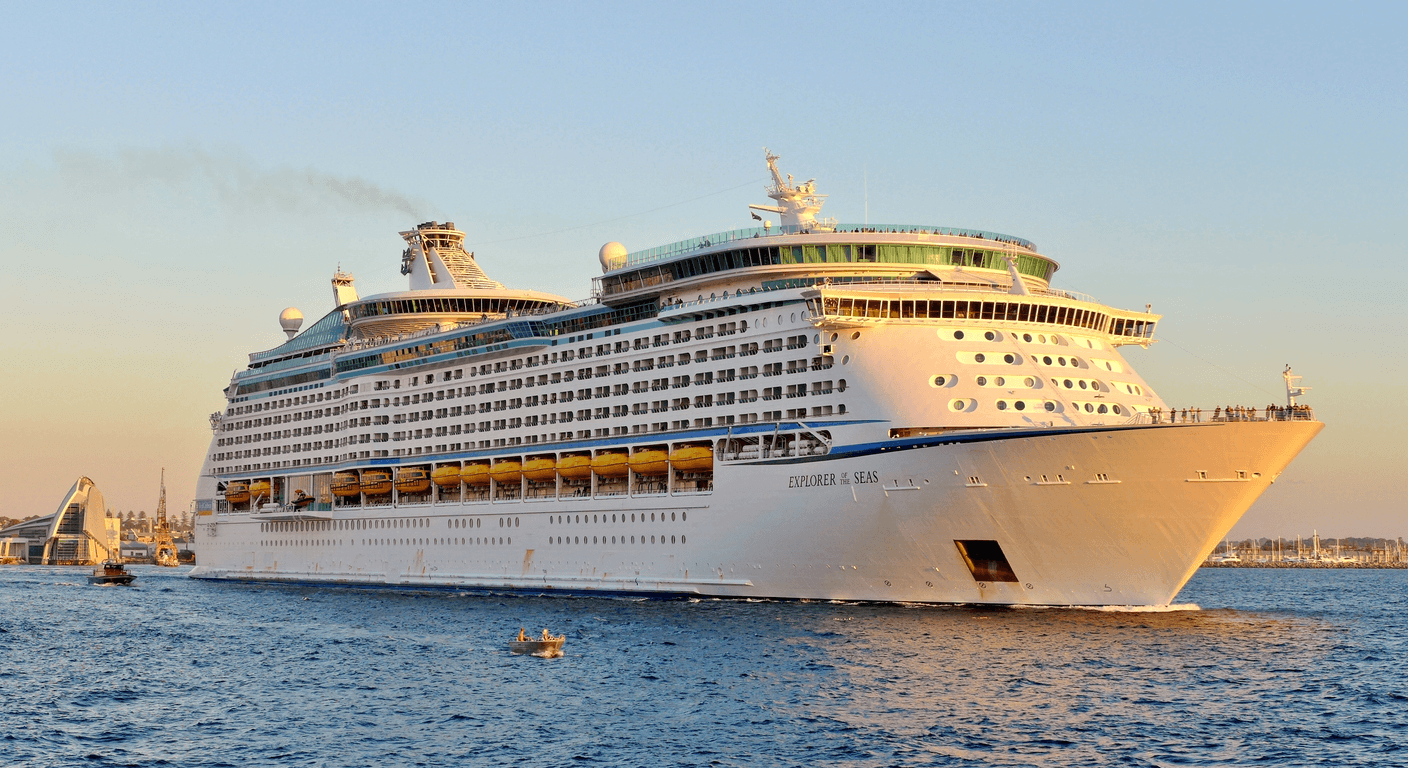
Royal Caribbean's Pacific itineraries from Sydney bring the line's signature large-ship infrastructure — rock-climbing walls, multiple dining venues, significant walking distances — to a route that arguably suits a more intimate vessel. That said, the line's loyalty programme (Crown & Anchor Society) delivers genuine perks at higher tiers, and seasoned Royal Caribbean cruisers often find the familiarity valuable. Silversea and Scenic operate ultra-premium small-ship itineraries in the South Pacific, but these generally involve fly-and-cruise components rather than round-trip no-fly departures from Australian ports. Confirm current deployment before assuming any line is operating a specific ship on a specific route — schedules shift seasonally.
The Single-Supplement Reality
This is where the South Pacific cruise market still has a lot to answer for. The majority of cabins on large cruise ships are priced per person based on double occupancy, and a solo traveller taking the same cabin typically pays 100% of the double rate — meaning the full price for two people, for one. On a 12-night Princess sailing with a balcony cabin priced at roughly $3,500 per person double, that's $7,000 for a solo traveller. It's not hidden, but it's rarely foregrounded in the brochure.
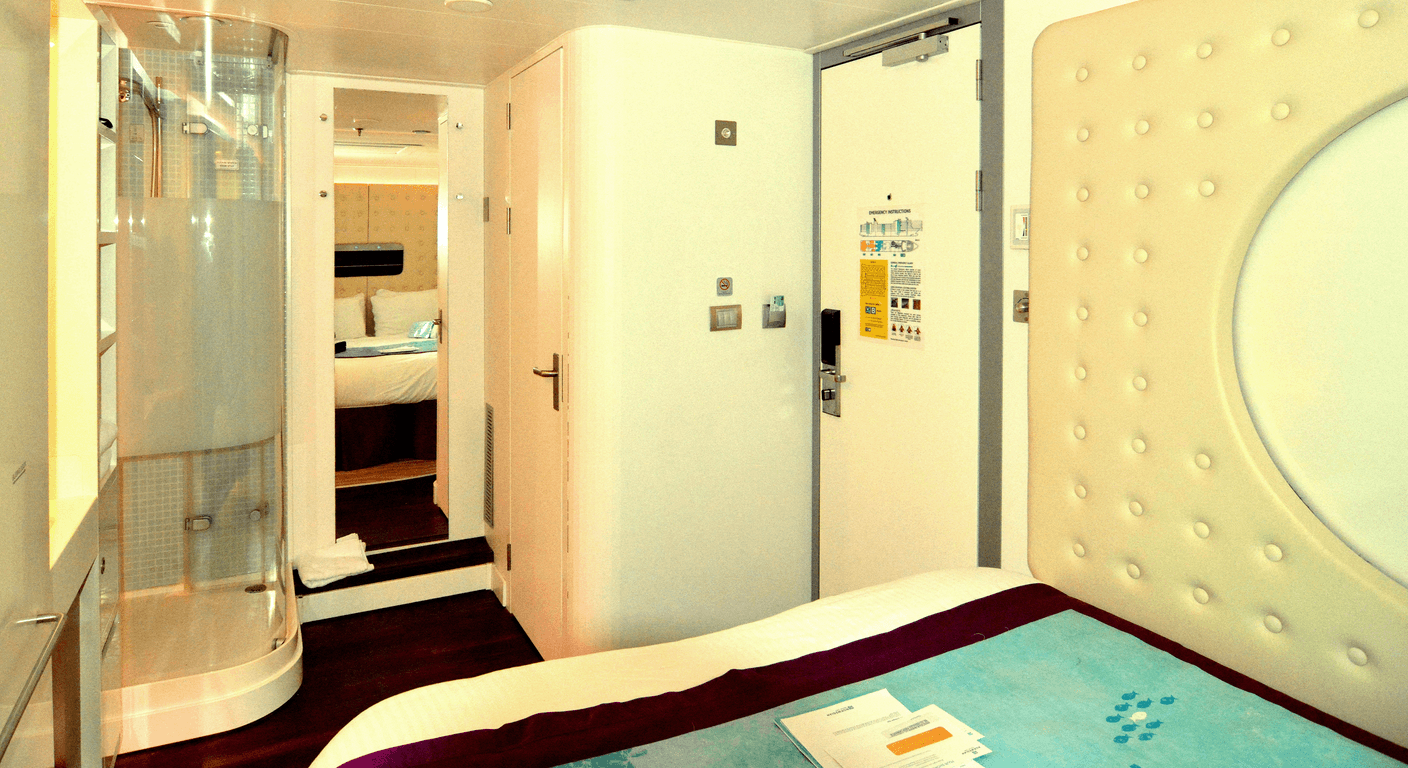
Carnival has in recent years offered studio-style solo cabins on some ships and periodically runs reduced-supplement promotions. Royal Caribbean similarly has solo cabin categories on certain vessels, though not all ships deployed to Australian routes carry them — confirm directly. Share-matching programmes, where the cruise line pairs solo travellers of the same gender and smoking preference in a twin cabin, can cut costs significantly but require flexibility about your cabin companion. Not every line offers this, and availability is limited.
The honest advice: if you're a solo traveller, call the line (or a cruise specialist) directly and ask specifically about solo cabin availability on your chosen sailing, the exact supplement percentage, and whether a share-match is available. Don't assume the website reflects the full picture. Lines that charge 100% single supplement on every cabin without exception deserve to be named for it — and some do. Operators who offer genuine solo options, even on a handful of sailings per season, are worth seeking out and rewarding with your booking.
A Solo Traveller's Perspective vs A Couple's Perspective
Solo traveller's perspective: The social architecture of a cruise ship suits solo travel in ways a land holiday often doesn't — shared dining tables, organised shore excursions and consistent crew interaction mean you're never truly isolated unless you choose to be. The main dining room's shared table option (available on most lines) is one of the genuinely underrated pleasures of cruising solo at 60-plus: conversation with strangers who become familiar faces by day three. The financial penalty, however, is real. Budget for the supplement, or dedicate time before booking to finding a line that minimises it. Carnival and Princess both run solo-specific events on some sailings — cocktail hours, dedicated meetups — worth asking about.
Couple's perspective: The value equation for couples is considerably more straightforward. Per-person costs are as advertised, a balcony cabin for two on a 12-night Princess sailing runs indicatively $3,500–$5,500 per person depending on grade and timing, and the shared experience of waking up in a new port together is genuinely one of the pleasures this style of travel delivers. Couples who enjoy independent time aboard — one at the pool, one in the library — will find the ship's scale an asset rather than a nuisance. Those who prefer to do everything together may find very large ships exhausting to traverse.
What Does a South Pacific Cruise Actually Cost?
The base fare is only the beginning, and experienced cruisers know this. Add gratuities (typically around $18–$22 AUD per person per day on American lines, applied automatically on most), a drinks package if you want more than the odd glass at dinner (roughly $70–$120 AUD per person per day, depending on line and package tier), specialty restaurant bookings ($40–$80 per person per meal at some venues), shore excursions booked through the ship ($80–$200 per person for a half-day tour), and the pre-cruise hotel night in Sydney or Brisbane (around $200–$350 for a decent hotel near the terminal). The all-in figure for a solo traveller on a 12-night sailing, including supplement, excursions and drinks, can reach $10,000–$14,000 without being extravagant.
For a couple, the same sailing — balcony cabin, modest drinks spend, two or three ship-booked excursions, one specialty dinner — comes in indicatively at $8,000–$12,000 for two people total. These are rough estimates only; confirm all current pricing with the operator. What they illustrate is the value of booking early for cabin selection, and of comparing the total cost of ownership rather than the headline per-night rate. A 'cheap' interior cabin on a very large ship with a 100% single supplement and an aggressive drinks package pricing structure is not necessarily cheaper than a mid-tier cabin on a smaller ship with more inclusions.
Victorian residents: your state Seniors Card offers concessions on various transport and service providers, though cruise lines themselves don't typically participate. Where it helps is in the lead-up — discounted V/Line fares to Melbourne, concessions on airport transfers, and some hotel partnerships. Check the Seniors Card website (seniorsonline.vic.gov.au) for current partners. Pension travel concessions apply to domestic legs of your journey; they don't extend to international cruise fares.
Choosing Your Ports: Vanuatu, New Caledonia and Fiji
Vanuatu's port calls — typically Port Vila on Efate and sometimes Luganville on Santo — offer a genuine sense of another culture without the full-resort polish of some Pacific destinations. Port Vila's waterfront market, the Mele Cascades and cultural village tours are well-worn itinerary staples for good reason. The paths in and around the market are uneven in places; if you're managing a walking frame or significant balance issues, a ship-organised tour with coach access is the more practical choice than going ashore independently. Most of Vanuatu's ports are tender ports — see the earlier section.
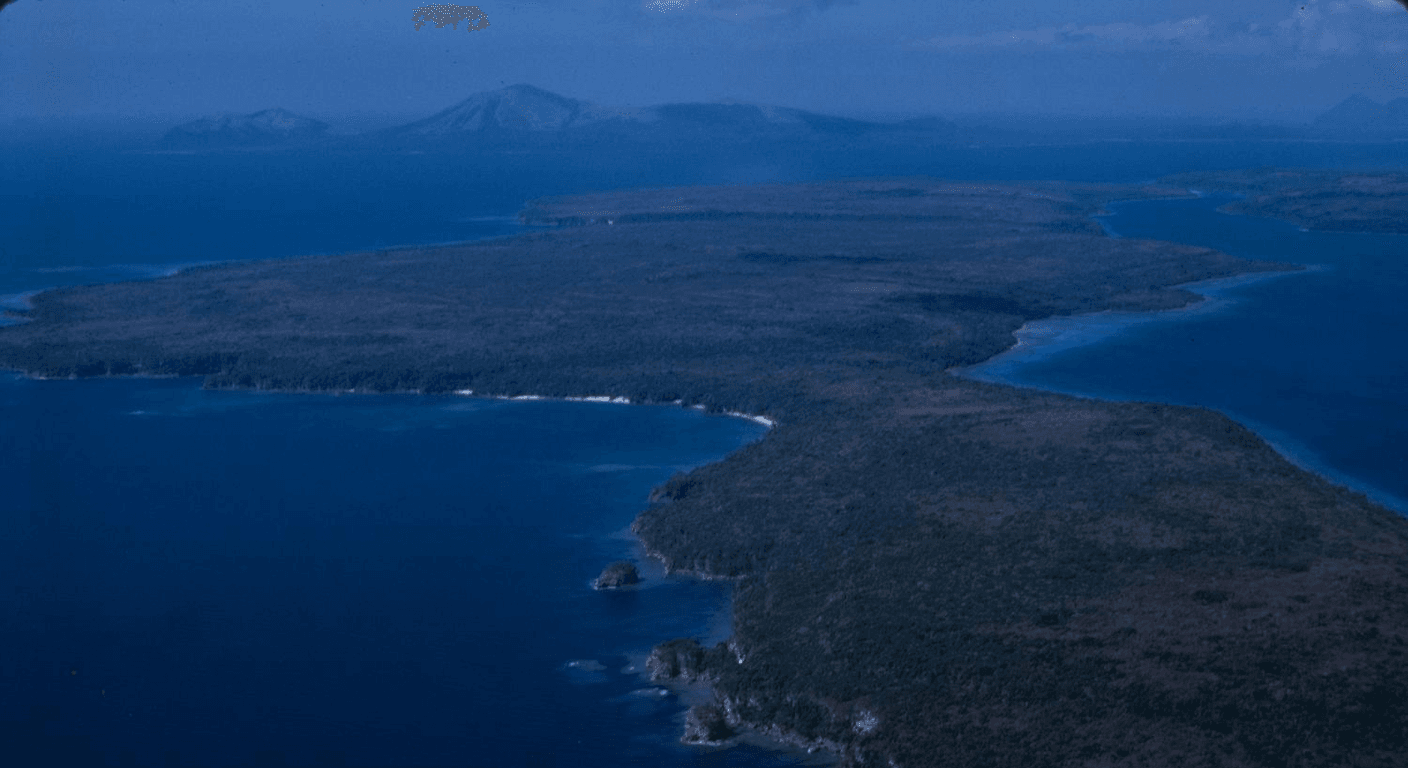
New Caledonia, specifically Noumea, is a French territory and carries that particular pleasure of French food and coffee in the Pacific. The main wharf at Noumea is a docked port (no tender), which makes it one of the more accessible stops on a typical itinerary. Île des Pins and the Loyalty Islands, when included, are tender-port calls and spectacularly beautiful — clear water, white sand, the full South Pacific postcard. The infrastructure ashore is minimal, which is part of the appeal and part of the logistical reality.
Fiji's most common cruise port is Suva (a docked port, capital city, good for cultural and market visits) or Lautoka on the main island. Smaller-ship itineraries sometimes call at Savusavu or the Yasawa Islands, which require tender transfers. Fiji's healthcare infrastructure in Suva is reasonable by Pacific standards; in smaller ports, it's limited. Carry any prescription medications in original packaging with a doctor's letter, and ensure your travel insurance covers pre-existing conditions — this is non-negotiable, not a formality.
Quick planning guide
| Ideal pace | 10–14 nights round-trip; allow a day either side for embarkation fatigue |
|---|---|
| Best months | May to October (outside cyclone season) |
| Suggested stay | 10–14 nights aboard, plus 1 night pre-cruise in Sydney or Brisbane |
| Mobility level | Moderate — tender ports require boarding a small boat; some island towns have uneven paths |
| Cost level | Around $2,500–$7,500+ per person depending on line, cabin grade and single supplement |
| Comfort level | High aboard ship; variable ashore depending on port infrastructure |
| Best for | First-time cruisers, solo travellers, couples, those wanting no-fly travel from eastern Australia |
| Main planning consideration | Cyclone season (November–April) limits safe sailing windows; tender-port fitness; single supplement cost for solo travellers |
Key takeaways
- Round-trip South Pacific cruises from Sydney or Brisbane are one of the few genuine no-fly holidays available to Australians, with sailings to Vanuatu, New Caledonia and Fiji typically running 10–14 nights.
- Tender ports at most island stops require stepping into a small motorised boat from the ship — a moderate physical requirement that travellers with significant balance or mobility limitations should plan around carefully.
- The cyclone season (November to April) can disrupt South Pacific itineraries; May to October is the reliable window for this region.
- Solo travellers on most large cruise ships face a single supplement of up to 100% of the double-occupancy rate — ask specifically about solo cabin availability or share-match programmes before booking.
- The all-in cost of a 12-night South Pacific cruise — including gratuities, drinks, excursions and a pre-cruise hotel night — can reach $10,000–$14,000 for a solo traveller; budget accordingly rather than anchoring on the headline fare.
- Travel insurance covering cruise interruption, itinerary change and pre-existing medical conditions is essential for this region, where onboard medical facilities are the primary resource and evacuation costs are significant.
Recommended partners and links
Indicative prices only — always confirm with the operator before booking.
Frequently asked questions
Which cruise lines offer no-fly South Pacific cruises from Sydney or Brisbane?
Carnival Cruise Line, Princess Cruises and Royal Caribbean all operate round-trip South Pacific sailings from Sydney or Brisbane to destinations including Vanuatu, New Caledonia and Fiji. Ship deployment changes seasonally, so confirm current itineraries and vessels directly with each line before booking.
What is a tender port and how does it affect older travellers?
A tender port is one where the ship anchors offshore and passengers take small motorised boats to reach the wharf. Most South Pacific island ports are tender ports. Boarding a tender requires stepping down a gangway into a moving boat — manageable for most travellers but challenging with significant mobility aids or balance issues. Crew can suspend tender operations on rough-sea days.
Do solo travellers pay a single supplement on South Pacific cruises from Australia?
Most large cruise ships price cabins per person based on double occupancy, meaning a solo traveller typically pays 100% of the double rate — effectively the full price for two people. Some lines offer studio solo cabins or reduced-supplement promotions on selected sailings. Ask the cruise line directly about solo cabin availability, the exact supplement percentage, and whether a share-match programme is available on your chosen sailing.
When is the best time to take a South Pacific cruise from Australia?
May through October is the recommended window. The South Pacific cyclone season runs approximately November to April, which can disrupt itineraries and cause port cancellations. July and August offer reliable weather and are often good months for solo travellers to find availability.
What travel insurance do I need for a South Pacific cruise?
Your policy should specifically cover cruise interruption, itinerary change, medical evacuation and pre-existing medical conditions. Healthcare at most South Pacific island ports is limited; the ship's medical centre is the primary resource for anything serious. Check Smartraveller (smartraveller.gov.au) for current advisories on Vanuatu, New Caledonia and Fiji before departure.
- Smartraveller — Vanuatu, New Caledonia and Fiji travel advisories
- Carnival Cruise Line Australia — South Pacific itineraries
- Princess Cruises Australia — South Pacific itineraries
- Royal Caribbean Australia — South Pacific itineraries
- Cruise Passenger — independent Australian cruise news and comparisons
- Victorian Seniors Card — transport and service concessions