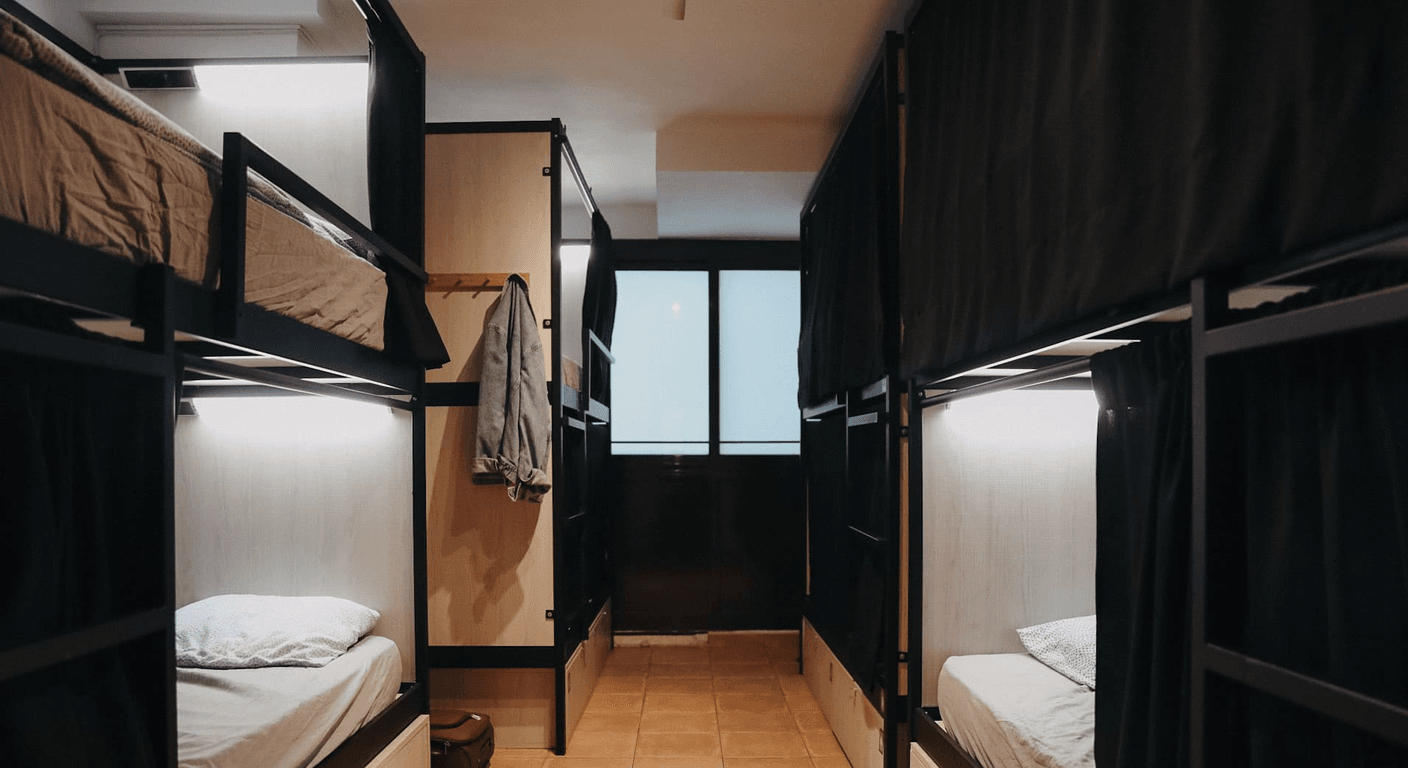
Solo travellers over 50 are best served by small-group operators (12–20 people) that clearly state their single supplement policy and offer room-share matching, with shoulder season often bringing better solo fares and promotions. Suggested trips range from a short 2–5 day domestic tour to test the format, through to longer international itineraries. Pacing is generally moderate and guide-supported, with access via coach, rail or flights depending on the operator chosen.
Why Tour Selection Matters More When You Are Travelling Solo and Over 50
Travelling alone past 60 is not a compromise — for many people it is a deliberate, considered choice. You set the tone, you follow your own curiosity, and you do not have to negotiate every dinner reservation. But travelling solo does carry a particular set of practical pressures that group tours can either ease or make worse, depending on how they are designed.
The single supplement is the most obvious pressure point. Most tours price their rooms on a twin-share basis and charge solo travellers an extra fee — sometimes 50 to 100 per cent of the land cost — simply for occupying a room alone. That cost can turn an otherwise reasonable trip into an expensive one. Beyond money, there is the question of pacing: a tour that suits a 45-year-old on a long weekend may leave an older traveller exhausted, frustrated, or simply unable to keep up.
Then there is the social dimension. Joining a group tour as a solo traveller can be genuinely wonderful — many people form lasting friendships — but it depends on the group composition, the guide's skill at drawing people together, and whether the operator has thought about solo travellers as actual humans rather than an inconvenient booking category. These are the things worth investigating before money changes hands.
What Does a Solo-Friendly Tour Policy Actually Look Like?
A genuinely solo-friendly operator makes its single supplement policy easy to find on its website, states it clearly in dollar terms or as a percentage, and offers either a waiver on selected departures or a room-share matching programme. A matching programme pairs you with another solo traveller of the same gender, meaning both pay the twin-share rate. Not every traveller wants that arrangement, but it is a useful signal that the operator has thought about the solo market seriously.
Group size is the second thing to check. Small-group tours — generally defined as 12 to 20 passengers — allow guides to manage pace more flexibly, give travellers more individual attention at each site, and tend to create a more cohesive social dynamic. Larger coach tours of 40-plus passengers can still be enjoyable, but the logistics are less forgiving if you need to move at a slower pace or want time at a site that is not on the official itinerary.
Refund and cancellation terms matter enormously for solo travellers, who do not have a travel companion to step in if health or circumstances change. Look for tiered cancellation schedules rather than a flat 'no refund after deposit' policy, and check whether the operator accepts travel insurance claims smoothly or makes the process difficult. Some operators now offer a 'cancel for any reason' upgrade at extra cost — worth considering if your health situation is variable.
A Closer Look at Established Operators Worth Considering
Bunnik Tours is a South Australian family-owned company that has built a strong reputation among older Australian travellers, particularly for its small-group international itineraries across Asia, the Middle East, Europe, and Africa. Group sizes are typically capped at around 18 people, and the company has historically offered single supplement waivers on selected departures. Their pacing tends to be considered — not rushed — and itineraries often include a balance of guided visits and free time. Policies and pricing change seasonally, so check the current terms at bunniktours.com.au before booking.
APT (Australian Pacific Touring) is one of Australia's largest and most established tour operators, covering river cruising, small ship expeditions, and land journeys across Europe, Asia, the Americas, and domestically. APT has long catered to the 55-plus market and its products generally reflect that — comfortable hotels, manageable daily distances, and guides experienced with older travellers. Single supplement policies vary by product and departure date; their website lists current solo traveller offers and it is worth calling their Melbourne-based team if the online information is not clear enough. Visit aptouring.com.au.
Intrepid Travel sits at a different point on the spectrum — its tours tend to attract a wider age range, the accommodation is sometimes more modest, and the pace can be more active on certain itineraries. That said, Intrepid has a dedicated range of 'Premium' and 'Comfort' tours that suit older travellers better, and the company has a clear commitment to small groups (typically under 16 people) and transparent pricing. Solo travellers booking Intrepid tours can often choose between paying a single supplement or opting into a room-share arrangement. Check intrepidtravel.com/au for the full breakdown. Cosmos Tours, part of the Globus family, covers Europe and beyond at a more moderate price point than some premium operators. Their tours tend to be larger in group size, but Cosmos has a long track record with Australian travellers and their solo supplement policies and room-share options are listed on cosmostours.com.au — confirm the current terms directly, as they are updated regularly.
Scenic is another Australian-founded operator worth mentioning, known for its luxury river cruising in Europe and Asia and its land journeys. Scenic tends to position itself at the premium end of the market, and its traveller base skews older. Single supplement costs on Scenic cruises can be significant, but the company periodically runs solo traveller promotions — particularly in shoulder season. Visit scenic.com.au for current information. It is worth noting that none of the operators named in this guide have any commercial relationship with Senior Travel Australia. They are included because they are real, established, and verifiable — not because of any payment or arrangement.
Interstate Trips: Tour Options That Do Not Require a Passport
Not every solo traveller over 50 wants to navigate international airports and currency exchanges. Australia's domestic tour market has grown considerably, and there are solid options for solo travellers who want a guided experience closer to home. APT, Bunnik, and several smaller operators run domestic coach and rail tours covering Queensland, the Northern Territory, Western Australia, and Tasmania — destinations that can be genuinely challenging to explore independently.
Rail journeys deserve special mention. The Indian Pacific (Sydney to Perth), The Ghan (Adelaide to Darwin), and the Overland (Melbourne to Adelaide) are operated by Journey Beyond Rail Expeditions and are popular with solo older travellers. The Gold and Platinum service classes include meals and some excursions in the fare, which simplifies budgeting. The social atmosphere on board tends to be easy and relaxed — dining is often at shared tables, which suits solo travellers well. Check journeybeyondrail.com.au for current schedules and single cabin availability.
Victoria itself is also worth considering as a base for short escorted tours. Several local operators run two-to-five day tours from Melbourne into regional Victoria — the Grampians, the Murray, Gippsland, and the Goldfields among them. These shorter trips are a practical way to test whether escorted group travel suits you before committing to a longer international itinerary. Visit Victoria's website at visitvictoria.com lists some registered tour operators as a starting point.
How to Read the Fine Print Before You Commit
The booking terms document is not exciting reading, but it is where the real story is. Look specifically for the cancellation schedule — most operators use a sliding scale where the penalty increases as the departure date approaches. A deposit of a few hundred dollars is standard and usually refundable up to a certain point; beyond that, you may be looking at losing 25, 50, or 100 per cent of the total fare. If the terms are vague or hard to find on the website, that is itself a signal worth heeding.
Check whether the tour price includes flights or not, and if it does, which airline and class. Some operators include economy airfares that can be upgraded at extra cost; others quote land-only prices and leave flights to you. For solo travellers managing a fixed budget, knowing the full cost upfront — including the single supplement, any optional excursions, tips, and travel insurance — is essential. Ask the operator for a written quote that itemises every component.
Travel insurance is non-negotiable for this age group, and some operators require it as a condition of booking. Policies that cover pre-existing medical conditions, emergency medical evacuation, and trip cancellation for medical reasons are the ones to prioritise. Compare policies through a reputable comparison site or speak with a travel insurance specialist — do not simply take the policy the tour operator recommends without checking whether it suits your specific health profile.
What the Social Experience Is Really Like on a Group Tour
One of the genuine pleasures of a well-run small group tour is the company. People who choose escorted travel tend to be curious, sociable, and reasonably adaptable — qualities that make for good travelling companions. Solo travellers often find that a group tour gives them a social structure they would not otherwise have, without the pressure of organising every social interaction themselves. Shared meals, long coach journeys, and guided walks create natural conversation.
That said, group dynamics are unpredictable. A group of 16 people will always include a range of personalities, energy levels, and opinions about how the day should be spent. An experienced guide makes an enormous difference here — the best guides read the group early, manage the inevitable friction quietly, and create an atmosphere where solo travellers feel included rather than peripheral. When you are researching operators, it is worth looking at independent reviews on platforms like TripAdvisor or the operator's own verified review section, paying particular attention to comments from solo travellers.
For travellers from culturally diverse backgrounds — including those with South Asian heritage who may be travelling to destinations in India, Sri Lanka, or Southeast Asia — it is worth asking the operator directly about the guide's cultural knowledge and language skills in the destination. A guide who understands the local context at a deeper level than the average tourist makes a meaningful difference to the quality of the experience, particularly in countries where navigating independently would be genuinely complex.
Practical Questions to Ask Any Operator Before You Book
Before committing to any tour, it helps to have a short list of direct questions ready. Ask: what is the exact single supplement for this departure, and is there any option to waive or reduce it? What is the maximum group size? What is the typical daily walking distance or activity level? What happens if I need to withdraw for medical reasons after the deposit is paid? Is travel insurance compulsory, and if so, what level of cover is required?
Ask also about the accommodation — specifically whether solo travellers are given the same standard of room as couples, or whether they are placed in smaller or less well-positioned rooms. This varies by operator and by hotel, and it is a fair question to ask plainly. Similarly, ask whether any meals are at shared tables and whether the guide makes introductions on the first evening — small things that make a real difference to how comfortable a solo traveller feels in the first 24 hours.
Finally, ask how the operator communicates during the trip if something goes wrong. Is there a 24-hour emergency contact number? Is the guide the first point of contact for health concerns, or is there a separate support team? Knowing the answer to these questions before you travel — rather than discovering the system only when you need it — is simply good preparation.
Quick planning guide
| Ideal pace | Considered and moderate, not rushed |
|---|---|
| Best months | Shoulder season, when solo traveller promotions are more likely |
| Suggested stay | 2–5 day domestic tours as a trial, or longer international itineraries |
| Mobility level | Moderate — manageable daily distances, though some operators (e.g. Intrepid) can be more active |
| Cost level | Varies — budget-friendly domestic rail through to premium international cruising |
| Comfort level | Comfortable, guide-supported, with shared dining and structured social contact |
| Best for | Solo travellers over 50 wanting small-group structure without a punishing single supplement |
| Main planning consideration | Confirm the single supplement, group size, and cancellation terms directly with the operator before booking |
Key takeaways
- The single supplement — the extra cost charged to solo travellers for a private room — can add 50 to 100 per cent to a tour's land cost, so always confirm the exact figure before booking.
- Small-group tours of 12 to 20 passengers generally offer more flexible pacing and a more personal experience than large coach tours, which matters more as you get older.
- Bunnik Tours, APT, Intrepid, Cosmos, and Scenic are all real, established operators with track records among older Australian travellers — but policies change, so verify current terms on each operator's official site.
- Domestic rail journeys such as The Ghan and the Indian Pacific are well-suited to solo older travellers, with shared dining and an inclusive fare structure that simplifies budgeting.
- Cancellation and refund terms are as important as the itinerary itself — read the fine print carefully and consider travel insurance that covers pre-existing conditions and medical evacuation.
- Senior Travel Australia takes no commissions and has no commercial relationships with any operator named in this guide.
Recommended partners and links
Indicative prices only — always confirm with the operator before booking.
Frequently asked questions
Which tour companies are known for waiving or reducing the single supplement for solo travellers?
Bunnik Tours has historically offered single supplement waivers on selected departures, and Intrepid Travel provides a room-share matching option that allows solo travellers to pay the twin-share rate. APT and Scenic periodically run solo traveller promotions, particularly in shoulder season. Policies change frequently, so check the current terms on each operator's official website before booking — do not rely on what applied to a previous trip or what someone else reports.
What group size is best for solo travellers over 60?
Tours with a maximum of 12 to 20 passengers tend to work best for solo travellers over 60. Smaller groups allow guides to manage pace more flexibly, create a more cohesive social atmosphere, and give each traveller more individual attention at sites. Larger coach tours of 40-plus passengers can still be enjoyable, but they are less forgiving if you need extra time or a slower pace on a particular day.
Is it safe to travel solo internationally as an Australian woman over 60?
Many Australian women over 60 travel internationally on escorted group tours without significant safety concerns. A reputable small-group operator provides a guide, pre-arranged accommodation, and a support structure that reduces the risks of independent travel. The destinations involved, the quality of the operator, and the traveller's own health and fitness level are all relevant factors. Travel insurance that covers medical evacuation and emergency assistance is essential regardless of destination.
How do I find out if a tour's pace suits an older traveller?
Ask the operator directly for the typical daily walking distance, the number of steps involved at key sites, and whether there are rest days built into the itinerary. Read independent reviews from previous travellers — TripAdvisor and the operator's own verified review sections often include comments specifically about pace and physical demands. Look for itineraries that describe 'leisurely' or 'relaxed' pacing rather than ones that list six or more major sites in a single day.
Does Senior Travel Australia receive commissions from the tour operators it mentions?
No. Senior Travel Australia takes no commissions and runs no sponsored posts. Operators are mentioned in this guide because they are real, well-established, and verifiable — not because of any commercial arrangement. Readers should make their own enquiries directly with operators and verify all pricing, policies, and terms before booking.