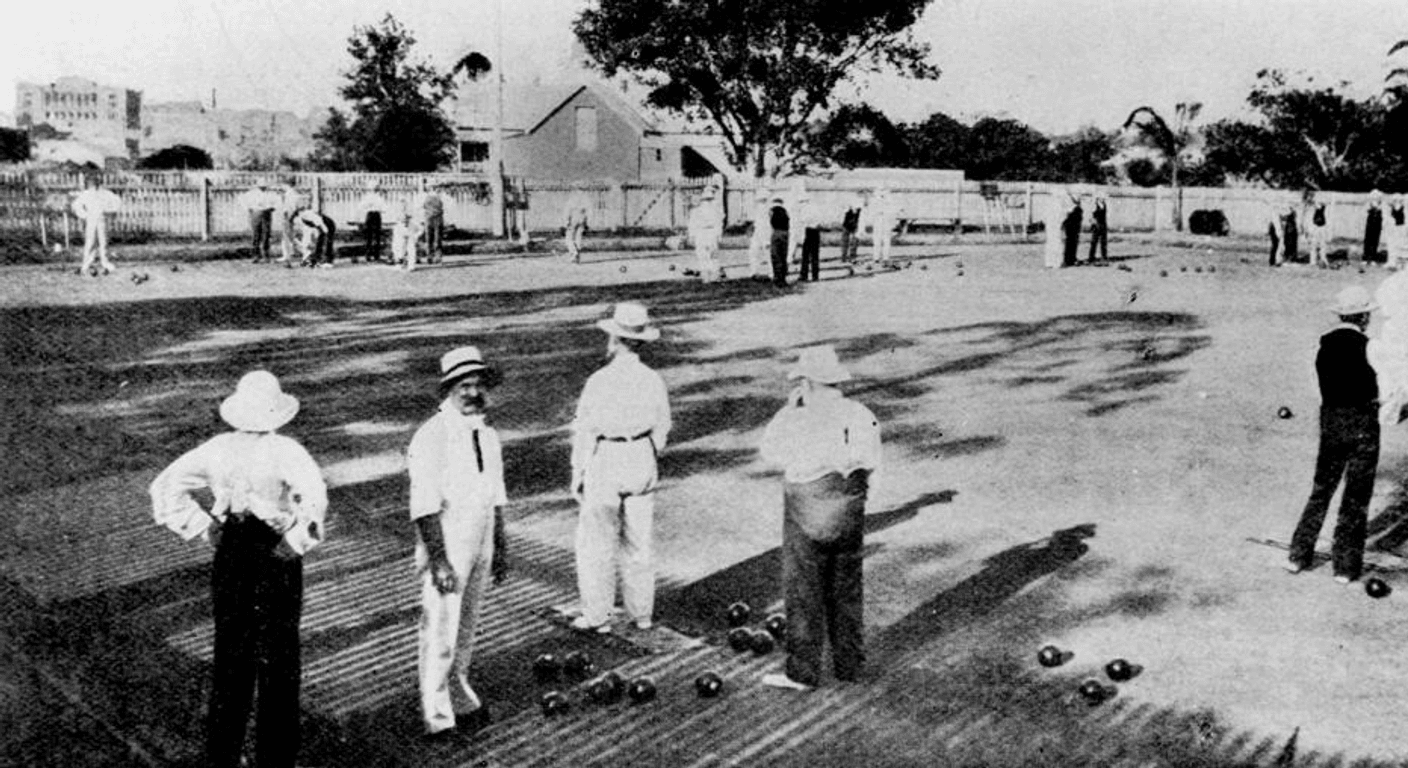
Lawn bowls clubs across Australia welcome visiting players for casual social sessions, typically on weekday mornings or weekend afternoons, for a modest fee often ranging from free to around $10–$15, with equipment usually included. Flat-soled shoes are required at nearly all clubs. Travellers should phone ahead to confirm availability, and use Bowls Australia's national club finder at bowls.com.au to locate affiliated clubs and confirm current details directly with the club.
Why Lawn Bowls Clubs Are Worth Seeking Out on the Road
There's a particular kind of loneliness that can settle in when you've been driving solo for a few days and your conversations have been limited to servo cashiers and campground hosts. Lawn bowls clubs are a surprisingly effective antidote. They're scattered across virtually every Australian town of any size, they're designed for social interaction, and they have a long tradition of welcoming strangers onto the green.
The game itself is easy enough to pick up in a few minutes — a club member will usually give you a quick rundown if you haven't played before, or haven't played in years. That shared learning experience breaks the ice faster than almost anything else. Within a session you'll likely know a handful of locals by name, have received at least one unsolicited recommendation for the best pie shop in town, and probably been invited back for the following Tuesday.
For a traveller in his late sixties who knows the particular pleasure of a well-organised day and the particular tedium of a wet afternoon with nothing planned, a bowls club ticks a lot of boxes at once: gentle physical activity, genuine company, a cold drink afterwards, and zero pressure to perform.
How Do Casual Visitor Sessions Actually Work?
Most affiliated bowls clubs in Australia operate some form of social or casual roll, typically on weekday mornings and on weekend afternoons. The format varies — some run organised social sessions where a club member coordinates teams and ends, others simply let you join in with whoever's on the green. Either way, the entry point for a visitor is usually the same: front up to the clubhouse, introduce yourself, and ask.
Casual green fees are generally modest. Many clubs charge somewhere in the range of nothing to around $10–$15 for a session, though this is indicative only and you should confirm with the individual club before arriving. Equipment hire — that is, a set of bowls — is usually included or available for a very small additional cost. Flat-soled shoes are the main attire requirement at most clubs, as spiked or heavily textured soles damage the green. Some clubs keep a small supply of flat-soled shoes for visitors; others will ask you to wear clean, smooth-soled footwear you already own.
The key variable is timing. Not every club runs casual sessions every day, and some smaller country clubs may need a day's notice to arrange equipment or have enough players on the green to make a game viable. A quick phone call the day before — or even the morning of — is the single most useful thing you can do. Most clubs are genuinely welcoming once they know you're coming.
Do You Need to Dress in Whites?
The short answer is: usually not for a casual social session, but it depends on the club and the type of session. Formal competition bowls in Australia still typically requires club colours or whites, but social and visitor rolls have largely relaxed that standard. Smart casual clothing — neat trousers or shorts, a collared shirt — is generally acceptable and appreciated. Thongs and beachwear are a different matter.
If you're in any doubt, ask when you phone ahead. Club secretaries and social coordinators are used to the question and will tell you exactly what's expected. Some clubs are more traditional than others, particularly in regional areas with strong competition histories. A little courtesy in asking goes a long way, and it signals that you're a considerate visitor rather than someone who's wandered in expecting the club to bend entirely to your convenience.
The flat-soled shoe rule, by contrast, is almost universal and genuinely enforced — not out of stubbornness but because the green is the club's most expensive asset. Keep a pair of clean, smooth-soled shoes in the car and you'll never have to turn around at the gate.
Finding Clubs Across Australia: State by State
Bowls Australia maintains a national club finder at bowls.com.au, which is the most reliable starting point for locating affiliated clubs anywhere in the country. Each state also has its own association — Bowls Victoria, Bowls NSW, Bowls Queensland, Bowls SA, Bowls WA, Bowls NT, and Bowls Tasmania — and their websites typically carry more detailed club information including contact numbers and, increasingly, details about visitor and social play. Confirm all details directly with the club before relying on any online listing, as hours and programs change.
In practice, lawn bowls clubs in Australia are rarely hard to find. Most towns with a population above a few thousand will have at least one club, often prominently signposted. Coastal towns, in particular, tend to have well-run clubs with strong social programs — the combination of a retired local population and a steady flow of grey nomads has made many of them genuinely visitor-savvy. Some caravan parks in regional areas will even have arrangements or informal relationships with nearby clubs.
It's worth knowing that some RSL clubs and sporting clubs incorporate a bowls green and run their own casual sessions. These can operate slightly differently from standalone bowls clubs, so the same advice applies: ring ahead, explain you're passing through, and ask what's available.
The Social Side: What to Expect Beyond the Green
One of the less-advertised pleasures of a bowls club visit is what happens after the session. Most clubs have a licensed bar or at least a kiosk, and the post-game gathering over a beer or a cup of tea is where the real conversation happens. You'll hear about the town, about the road ahead, about which free camp is worth stopping at and which one floods in a light shower. Local knowledge, delivered with no agenda whatsoever.
Solo travellers in particular often find that a bowls club visit opens doors that a tourist attraction simply doesn't. You're not a tourist at a bowls club — you're a player, temporarily. That changes the dynamic. Regulars are curious about where you've come from and where you're headed, and the shared experience of a few ends on the green creates an easy familiarity.
Don't feel obliged to stay for hours if you have somewhere to be. A two-hour session including a post-game drink is a perfectly complete experience. Equally, if you find yourself in a town for a few days and the club runs sessions on consecutive mornings, there's nothing stopping you going back. By the second visit you'll be remembered by name, which is its own quiet satisfaction.
Practical Tips for the Travelling Bowler
Pack a pair of flat-soled, clean-soled shoes and keep them accessible in the car or caravan. This single preparation removes the most common obstacle to joining a casual session at short notice. A collared shirt takes up no space and covers most dress requirements. Beyond that, you need nothing — no equipment, no membership, no prior booking in most cases, though calling ahead remains strongly recommended.
If you hold a senior concession card, it's always worth asking whether the club offers a concession rate for casual visitors. Not all clubs do, but some will apply a small discount, particularly for pensioners. There's no harm in asking politely — just don't assume it's automatic. Similarly, if you're a financial member of a bowls club back home, ask whether your home club has any reciprocal arrangements with clubs in the area you're visiting. Reciprocal arrangements exist in some state associations and can occasionally allow you to play at a reduced or no cost.
Keep a small notebook or use your phone to jot down the names of clubs you've enjoyed and any contacts you've made. The bowls community in Australia is smaller and more connected than it looks from the outside. A name dropped at a club in Broken Hill might get you a warm welcome at one in Mount Isa three weeks later.
A Word on Accessibility and Physical Considerations
Lawn bowls is genuinely one of the more accessible recreational activities available to older travellers. The greens are flat, the movements are gentle, and the pace is entirely self-regulating. Most clubs have seating around the green so you can rest between ends, and clubhouses are generally single-level with accessible toilets. If you have a mobility aid or specific access requirements, it's worth mentioning this when you call ahead — most clubs will accommodate you without fuss.
The main physical variable is heat. Outdoor greens in summer — particularly in Queensland, the Northern Territory, and inland areas of New South Wales and South Australia — can be genuinely uncomfortable in the middle of the day. Early morning sessions are far more sensible from October through March in those regions. Some clubs in hotter climates have covered or partially shaded areas beside the green, but this varies. Ask when you call.
If you've had a recent joint replacement, back surgery, or any condition that affects bending or weight-bearing, the bowling action is low-impact enough that many people find it comfortable — but you know your own body. A session or two is a reasonable way to find out, and nobody will think less of you for stepping back after a few ends if you've had enough.
Quick planning guide
| Who it's for | Solo or travelling seniors seeking casual company, gentle activity and local knowledge when passing through a new town. |
|---|---|
| How to start | Phone or email the local club ahead of time to ask whether a casual social roll is running and what's needed. |
| Typical cost | Often free to around $10–$15 for a casual session, with bowls equipment usually included or available for a small extra fee. |
| Time required | Roughly two hours for a casual session, including a post-game drink at the bar or kiosk. |
| Where to get help | Bowls Australia's national club finder at bowls.com.au, and the relevant state association (Bowls Victoria, NSW, Queensland, SA, WA, NT or Tasmania). |
| Key documents needed | None required; a senior concession card is worth showing in case the club offers a discounted casual rate. |
| Main planning consideration | Casual sessions aren't run daily at every club, so call ahead for timing, and pack flat-soled, clean shoes since these are almost universally required. |
| Renewal or review | Not applicable — each visit simply requires re-confirming the club's current session days and any dress or footwear requirements. |
Key takeaways
- Lawn bowls clubs across Australia regularly welcome visiting players for casual social sessions, usually for a modest fee with equipment included.
- Always phone or email ahead — visitor sessions aren't available every day at every club, and some smaller clubs need advance notice.
- Flat-soled shoes are the one near-universal requirement; pack a clean pair and keep them accessible in the car.
- Formal whites are rarely required for casual visitor sessions, but smart casual clothing and a collared shirt are standard courtesy.
- Bowls Australia's club finder at bowls.com.au is the most reliable tool for locating affiliated clubs anywhere in the country.
- The post-game gathering at the bar or kiosk is often where the most useful local knowledge — and the best company — is found.
Recommended partners and links
Indicative prices only — always confirm with the operator before booking.
Frequently asked questions
Can you just turn up at a lawn bowls club as a visitor without being a member?
Yes, most affiliated bowls clubs in Australia welcome casual visitors, but calling ahead is strongly recommended. Not every club runs visitor sessions every day, and some smaller clubs need a day's notice to arrange equipment or enough players. Turning up unannounced occasionally works, but a quick phone call almost always does.
How much does it cost to play lawn bowls as a visiting traveller in Australia?
Casual green fees are generally low — indicatively nothing to around $10–$15 per session, with bowls hire usually included. Costs vary by club and state, so confirm the current fee directly with the club before you arrive. Some clubs may offer a concession rate; it's worth asking.
Do you need to wear whites or special clothing to play social bowls as a visitor?
For casual social sessions, formal whites are generally not required. Smart casual clothing — neat shorts or trousers and a collared shirt — is usually acceptable. Flat-soled shoes are almost universally required to protect the green. Ask the club when you phone ahead if you're unsure about their specific dress code.
Where can you find lawn bowls clubs along a travel route in Australia?
Bowls Australia operates a national club finder at bowls.com.au, which covers affiliated clubs across all states and territories. Each state also has its own bowls association website with more detailed club listings. Confirm contact details and visitor arrangements directly with each club, as online information is not always current.
Is lawn bowls suitable if you have limited mobility or joint issues?
Lawn bowls is one of the more accessible recreational activities for older travellers — the greens are flat, the movements are gentle, and you can rest between ends. Most clubhouses are single-level with accessible facilities. If you have specific mobility requirements, mention them when you call ahead; most clubs will accommodate visitors without difficulty.