Australia's finest long lunches and chef's table experiences are not about showing off — they're about slowing down. For travellers in their 50s and 60s, a well-chosen degustation or regional long lunch is one of the most comfortable, sociable and genuinely memorable ways to spend a day on the road. This guide cuts through the theatre to help you find the experiences worth the investment.
What Does a Chef's Table Actually Involve?
The phrase gets used loosely. At its most genuine, a chef's table places a small group — often six to twelve people — at a dedicated table inside or adjacent to the kitchen, where the head chef or a senior cook guides you through each course personally. It's interactive without being exhausting. You're seated throughout. The kitchen noise is part of the theatre, but reputable venues manage it so conversation remains easy.
Degustations are a related but distinct format. You stay at your regular table, and a set sequence of courses — commonly six to twelve — arrives over two to four hours. Wine pairings are usually optional and add considerably to the cost. The pace is meant to be gentle; a good dining room reads the table and won't rush you between courses. If your group needs a longer rest between courses, simply say so when booking. Most serious venues are used to accommodating that request without fuss.
One practical thing worth knowing: long degustations involve sustained sitting, which some people find uncomfortable after the two-hour mark. A few venues offer armchairs or banquette seating rather than upright dining chairs — worth asking specifically when you book. Also confirm whether the kitchen is visible or whether the 'chef's table' experience is simply a marketing term for a private dining room. There's nothing wrong with a private room, but it's a different thing.
The Long-Lunch Tradition: What Sets It Apart
The Australian long lunch is a more relaxed creature than the chef's table. It typically runs from around noon to four in the afternoon, often on a winery estate or farm property, with food matched to what's growing nearby. The format suits travellers over 50 extremely well — there's no pressure to move on, the setting does most of the work, and a shared table with strangers often produces the kind of easy conversation that's hard to manufacture.
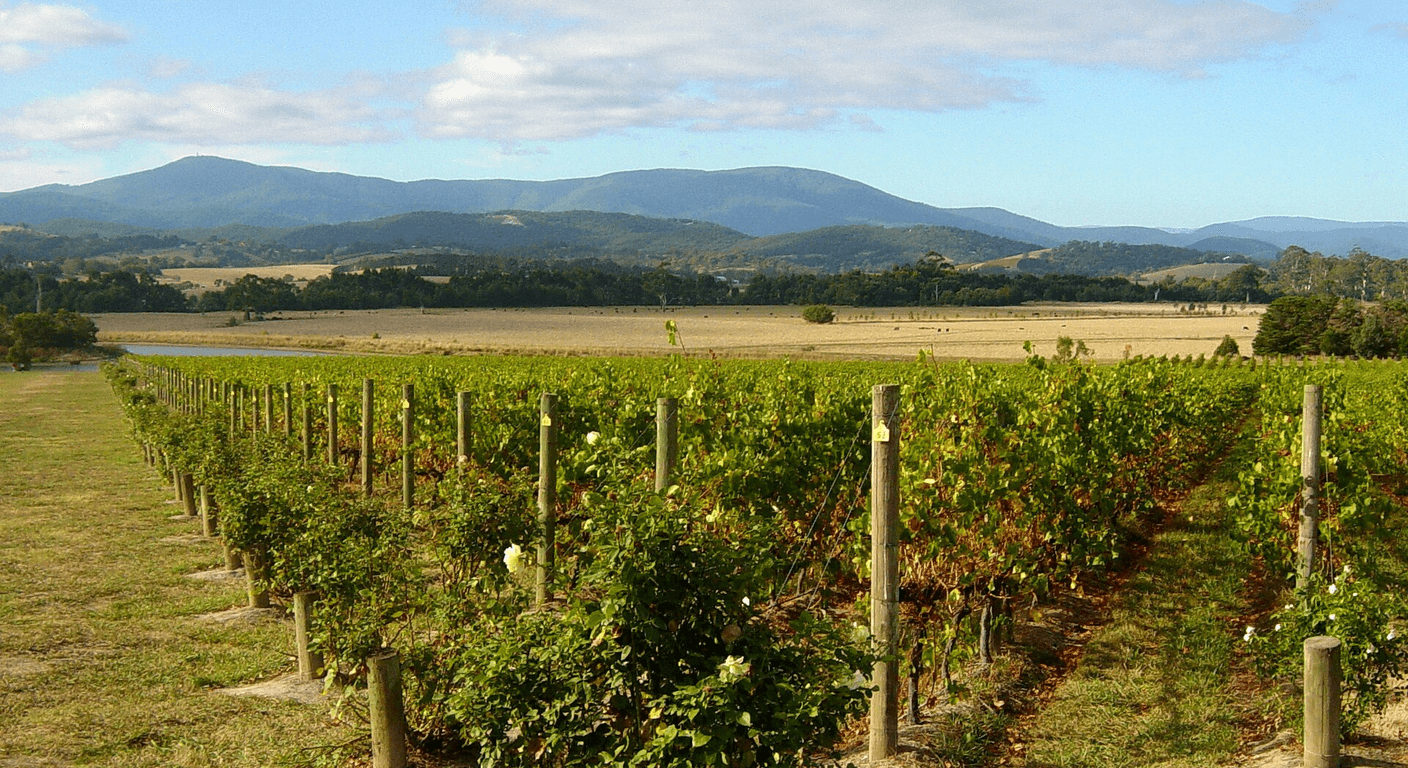
Victoria's Yarra Valley, the Mornington Peninsula and the Clare and Barossa Valleys in South Australia have the longest traditions of this format. Margaret River in Western Australia has developed strong long-lunch programmes over the past decade. In New South Wales, the Hunter Valley and Southern Highlands both offer experiences worth a dedicated visit. Each region has its own character: the Yarra leans European and garden-focused; Margaret River is bolder, with a coastal edge; the Barossa is unapologetically about the wine.
The best long lunches feel unhurried because they're genuinely designed that way — not because the kitchen is slow. Producers who run their own dining programmes tend to be proud of the provenance story, and the conversation about where the olive oil came from, or why the lamb tastes different here, is part of what you're paying for. That's not theatre. That's the point of the whole exercise.
How to Spot Value Versus Pure Theatre
Price alone tells you very little. A $250-per-head degustation can be exceptional value if the produce is impeccable, the service is warm and unhurried, and you leave feeling nourished rather than performed at. A $180 lunch at a venue with a famous name but a rotating roster of chefs and a coach-tour booking system can leave you feeling like a unit of throughput. The question to ask before booking is straightforward: who is actually cooking on the day, and how many covers does the venue turn over in a sitting?
Smaller is usually better. A venue that seats thirty for a long lunch will almost always deliver a more considered experience than one seating a hundred and fifty. Look for venues that list a specific chef by name, that publish their current seasonal menu rather than a permanent set piece, and that mention their producers or growers. These are signals that the food is the actual focus. A venue that leads with its 'Instagram-worthy setting' and buries the menu in small print is telling you something.
Senior Travel Australia takes no commissions from any venue or programme mentioned in this guide. These recommendations reflect editorial judgement only. When it comes to financial decisions about where to spend a meaningful amount of money on a dining experience, confirm current pricing directly with the venue — costs change seasonally, and some venues adjust their programmes significantly between years.
Honest Cost Bands: What to Expect to Pay
As a general indicator — and these figures are indicative only, not guaranteed, and you should confirm directly with venues before booking — a chef's table experience in a capital city commonly runs somewhere between $200 and $400 per person, with wine pairing on top of that. Regional long lunches tend to sit in a wider band, roughly $100 to $250 per person including some matched wine, depending on the property and the length of the programme. This guide is general information only and does not constitute financial advice.
The smart strategy for a group of friends is to identify one genuine splurge — the experience you'll still be talking about in five years — and balance it with lower-cost discoveries: a cellar-door tasting flight (often around $10–$25, confirm with the winery), a morning at a regional farmers market, or a long lunch at a winery that hasn't yet been written up in every food magazine. The last option often delivers the best meal of the trip.
One genuinely honest downside: at the very top end of the market, some of Australia's most celebrated dining rooms have adopted a ticketing model rather than traditional reservations. You pay upfront, often months in advance, and refunds may be limited. Read the cancellation policy carefully before purchasing. Travel insurance that covers pre-paid experiences is worth having — check that your policy covers dining cancellations specifically, as not all do.
Victoria: The Long-Lunch Heartland
For a traveller based in regional Victoria, the Yarra Valley is the most accessible starting point and the most consistent in quality. The valley sits about an hour east of Melbourne by car — or reachable by train to Lilydale and then a short taxi or rideshare — and its combination of cool-climate wines, working farms and established dining rooms makes it possible to build a two-day itinerary without ever feeling rushed. Several properties run long lunches on weekends only, so mid-week visits suit travellers with flexibility.
The Mornington Peninsula offers a different mood — closer to the coast, with pinot noir and chardonnay as the anchors, and a dining culture that has matured considerably over the past decade. Accessibility by public transport from Melbourne is possible via the Frankston line and Mornington Peninsula Buslines, though a hire car gives significantly more freedom between venues. Confirm current bus routes at ptv.vic.gov.au before relying on connections.
Further afield, the Grampians and Daylesford regions both have small but serious food scenes worth exploring. Daylesford in particular — about ninety minutes from Melbourne by car, or reachable via V/Line to Woodend and then a local taxi — has built a reputation around produce-driven cooking and a relaxed pace that suits a long weekend extremely well. It's also considerably less crowded than the Yarra Valley on a Saturday.
Beyond Victoria: Planning Interstate Dining Journeys
South Australia's Barossa Valley remains one of the most complete food-and-wine destinations in the country. The combination of old-vine shiraz, German-influenced smallgoods traditions and a growing number of serious dining rooms makes it possible to spend a full week eating and drinking well without repeating a style of experience. Adelaide is the logical base — a forty-five-minute drive from the valley floor — and the city itself has a dining culture that punches well above its size. Fly from Melbourne in under an hour, or consider the Overland train from Melbourne to Adelaide for a more scenic arrival.
Margaret River in Western Australia is a longer commitment from the east coast — fly into Perth, then roughly three hours south by hire car or coach — but the region rewards the effort. The combination of serious wine, local cheeses, olive oils and seafood, set against tall karri forests and a coastline that doesn't bother being modest about itself, makes for a very different long-lunch experience from anything in Victoria. Allow at least four nights to do it properly.
In New South Wales, the Southern Highlands — about ninety minutes southwest of Sydney by car, or via train to Bowral on the NSW TrainLink Southern Highlands line — offers a cooler-climate alternative to the Hunter Valley with a more intimate scale. The Hunter remains the most established wine region in the country for dedicated food-and-wine tourism, with a range of long-lunch options from very casual to quite formal. Confirm current train times at transportnsw.info.
Practical Details: Making the Most of the Experience
Book early — this cannot be overstated. The most sought-after long lunches and chef's tables in Australia routinely fill two to four months ahead, particularly for autumn and spring weekends. If you have dietary requirements, declare them at the time of booking rather than on arrival. A serious kitchen will accommodate you; a kitchen that can't is telling you something useful about its flexibility. If you're travelling with someone who has mobility considerations, ask specifically about step-free access from the car park to the dining room, and about the style of seating.
Pacing on the day matters as much as the meal itself. Arrange accommodation within easy distance of the venue so there's no pressure to drive immediately after a wine-paired lunch. Many winery regions have good-quality accommodation on-site or within a few kilometres — this is worth factoring into the overall budget. A recovery afternoon is not wasted time; it's what makes the memory settle properly.
Finally, go with curiosity rather than expectation. The best dining experiences in this country tend to surprise you — with an ingredient you haven't encountered before, with a chef who pulls up a chair to explain why they source from a particular farmer, or with the table of strangers next to you who turn out to be from the same town. That's not something any price point can guarantee. But it's why the splurge, chosen wisely, is usually worth it.
Key takeaways
- Australia's best long lunches run two to four hours and are designed to be unhurried — they suit the pace older travellers actually want.
- A chef's table involves sustained sitting; ask about seating style and step-free access when booking, not on arrival.
- Autumn (March–May) and spring (September–November) are the strongest seasons for produce quality and comfortable dining conditions across most Australian regions.
- Smaller venues with named chefs and published seasonal menus consistently outperform large-format dining operations at the same price point.
- Top venues commonly book out two to four months ahead — plan your splurge before you plan the rest of the trip.
- Travel insurance that specifically covers pre-paid dining experiences is worth checking before committing to ticketed or non-refundable bookings.
Recommended partners and links
Indicative prices only — always confirm with the operator before booking.
Frequently asked questions
What is the difference between a chef's table and a degustation dinner?
A chef's table places a small group at a dedicated table near or inside the kitchen, with direct interaction from the head chef. A degustation is a set sequence of courses served at your regular table over two to four hours, with optional wine pairings. Both formats involve sustained sitting and an unhurried pace — they're well suited to older diners who prefer depth over speed.
How much does a long lunch or chef's table typically cost in Australia?
As a general indicator only — confirm all prices directly with venues before booking — chef's table experiences in Australian capital cities commonly run between $200 and $400 per person, excluding wine. Regional long lunches typically range from around $100 to $250 per person with some matched wine included. Prices vary seasonally and change between years. This guide provides general information only and does not constitute financial advice.
Are Australian winery long lunches accessible for people with limited mobility?
Accessibility varies significantly between venues. Many winery properties involve gravel paths, outdoor steps or uneven terrain between the car park and dining room. When booking, ask specifically about step-free access and the style of seating — armchairs and banquettes are more comfortable than upright dining chairs for extended meals. Most serious venues will provide honest answers and make reasonable accommodations if asked in advance.
Which Australian regions are best for food-and-wine long lunches?
Victoria's Yarra Valley and Mornington Peninsula are the most accessible for Melbourne-based travellers. South Australia's Barossa and Clare Valleys offer a more established wine-country tradition. Margaret River in Western Australia rewards the longer journey with a distinctive coastal-and-forest setting. New South Wales travellers are well served by the Hunter Valley and the Southern Highlands. Each region has its own character — the choice depends more on what style of landscape and wine you prefer than on any single 'best' destination.
How far ahead should I book a chef's table or long lunch in Australia?
For the most sought-after venues, booking two to four months ahead is realistic for autumn and spring weekends. Some ticketed dining experiences sell out even earlier. Mid-week bookings and less-publicised venues offer more flexibility. Always read the cancellation policy carefully before paying — some venues operate on a non-refundable ticketing model, and travel insurance that covers pre-paid experiences is worth confirming before you commit.