Collie, about 2.5 hours south-east of Perth in WA's South West, is best visited April to October when temperatures sit around 15-22 degrees. A full day suits the town well: the free, enormous Wellington Dam mural, a self-guided street-art trail, the Coalfields Museum and a picnic at Minninup Pool. Mobility demands are easy, with short, level paths throughout, though a car is essential as there's no public transport from Perth or Bunbury.
Why Collie Deserves a Day of Your Time
Collie sits in the forested hills of WA's South West, an hour's drive inland from Bunbury and about two and a half hours from Perth. It spent most of the twentieth century as the state's only black-coal mining town — functional, self-sufficient, proud. That chapter is closing, and what's replacing it is something genuinely interesting: public art on a scale that makes you stop and look twice.
The town's reinvention isn't cosmetic. The Wellington Dam mural, the street-art trail threading through the CBD, and the Coalfields Museum each tell a different part of the same story — of a community that worked hard, changed hard, and is now offering visitors a reason to slow down. For a group of women who appreciate culture with some depth behind it, that's a more satisfying day out than a winery with a gift shop.
Getting there requires a car; there's no practical public transport option from Perth or Bunbury. That's not a hardship — the drive through jarrah forest on the South Western Highway is easy and pleasant, and Collie itself is compact and walkable once you arrive.
The Wellington Dam Mural: What You're Actually Looking At
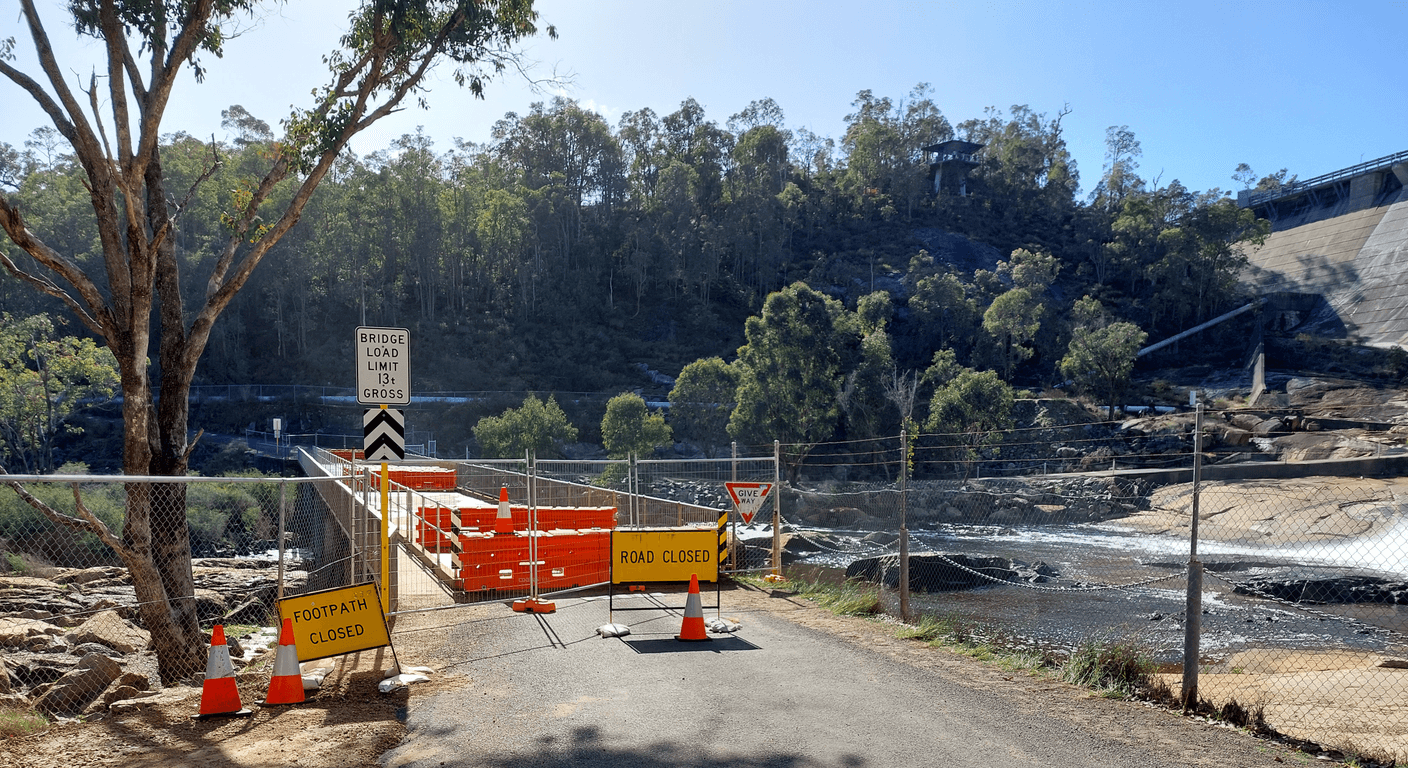
The Wellington Dam was built in the 1930s and remains one of WA's significant water-storage structures. The mural that covers much of its downstream face — a sweeping landscape of native flora, forest and river imagery — is painted directly on the concrete at a scale that's difficult to comprehend until you're standing in front of it. It's regularly cited as one of the largest dam-wall murals in the world, and that's not marketing hyperbole. The thing is enormous.
From the car park, a short, largely level path leads to the main viewing area. The surface is firm and the distance is modest — the kind of walk that suits anyone, regardless of whether knees have opinions these days. There are no entry fees, no tickets, no queues. You simply arrive, walk, look, and take as long as you like.
Morning light tends to fall well on the wall, making it a good first stop before the day warms up. Bring a wide-angle lens if photography matters to you — fitting the full mural into a single frame is a pleasant puzzle. The surrounding dam precinct is peaceful, with views over the reservoir and jarrah-forested ridgelines that need no embellishment.
Collie's Street-Art Trail: A Walk Through the Town
Back in town, a growing collection of large-scale murals has been commissioned across Collie's building walls, laneways and fences. The works vary in style — some are deeply local in subject matter, referencing mining history and the Collie River; others are more purely visual. Together they make a self-guided walking trail that takes an hour or two at a comfortable pace.
The trail is on flat town-centre footpaths, so it's accessible and easy to navigate. Tourism Collie publishes a map — pick one up from the visitor centre or check their website before you go. It's the kind of activity that rewards stopping for a proper look rather than a quick photograph, and the conversations it tends to start between friends are half the point.
Street art as a tourism strategy can feel forced in some places. In Collie it doesn't, perhaps because the town has actual history to draw on. The murals aren't decorating emptiness — they're in dialogue with a place that has a real story.
The Coalfields Museum: Collie's Industrial History, Told Well
The Coalfields Museum occupies a historic building in the town centre and covers the full arc of Collie's coal-mining era — from the first discoveries in the 1880s through to the industry's decline. It's the kind of local museum that punches above its size: well-curated, honest about the hard aspects of mining life, and genuinely interesting even if you arrived with no prior interest in coal.
For a group with Latin Australian heritage, there's a particular resonance in stories of immigrant labour and community-building in a remote Australian town. Mining communities across WA drew workers from southern Europe, and traces of that history surface in the museum's social history displays. It's worth allowing ninety minutes to two hours rather than rushing through.
Entry fees are modest — confirm current pricing directly with the museum before visiting, as hours and costs can change seasonally. The museum's website or a quick phone call will sort that out. It's a worthwhile spend either way.
Minninup Pool: A Quiet Picnic on the Collie River
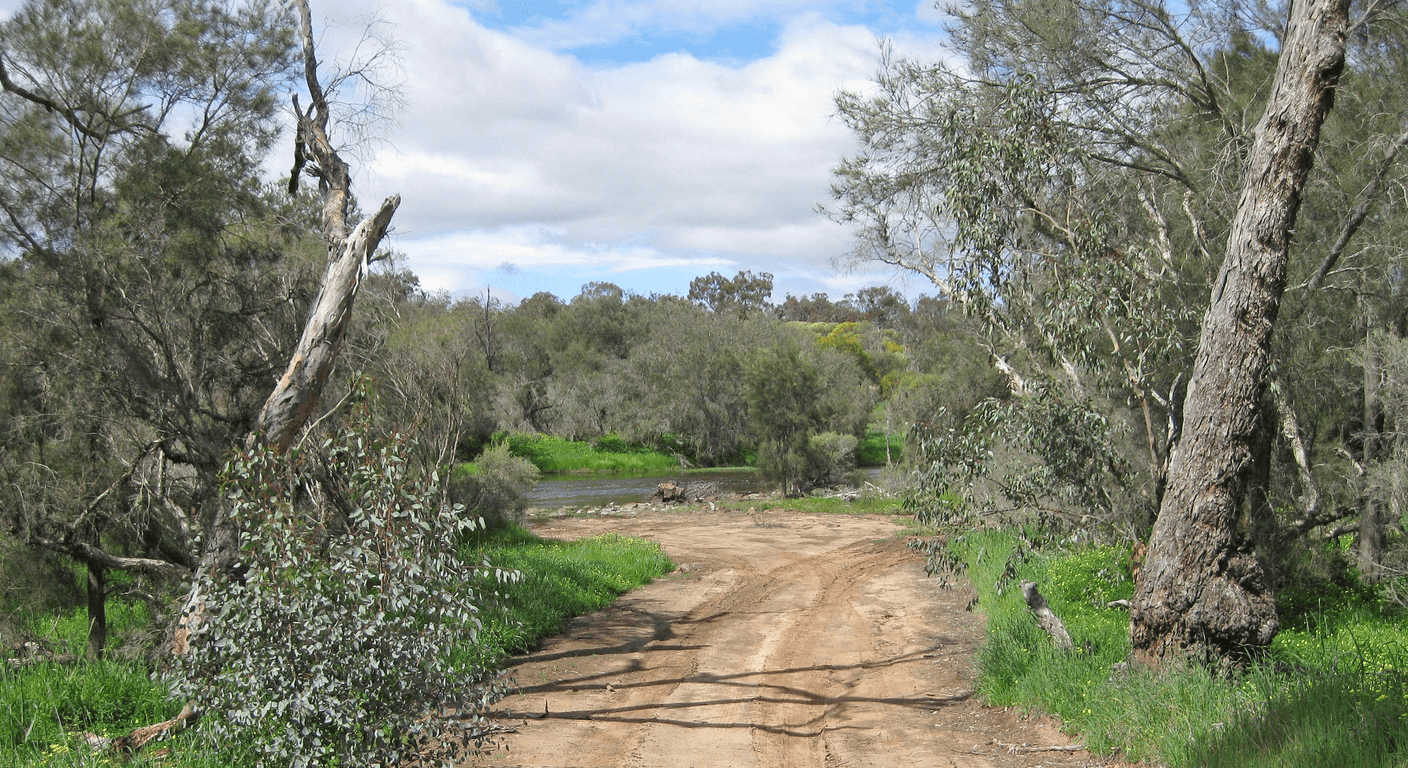
A few kilometres from the town centre, Minninup Pool is a calm, wide section of the Collie River popular with locals for swimming, picnicking and simply sitting. The water is dark with tannins from the surrounding forest — a characteristic of South West WA rivers, not a cause for concern — and the tree canopy provides good shade through the middle of the day.
It's an ideal spot to unpack lunch between the dam and the museum. There are picnic tables and basic facilities, and the atmosphere is unhurried. Weekdays outside school holidays, you'll likely have the place largely to yourselves. Bring your own food — Collie has cafes and a supermarket for supplies, but Minninup itself has no kiosk.
The walk from the car park to the pool's edge is short and flat. If the group wants to stretch their legs further, the riverside paths extend in both directions, though the terrain becomes less maintained away from the main picnic area.
How to Plan the Day: Practical Logistics
The most logical base for a day trip is either Bunbury (about an hour's drive from Collie) or Perth (roughly two and a half hours). Grey nomads already camped in the South West will find Collie fits naturally into a wider itinerary. The town has caravan parks and a handful of motel-style accommodation options if an overnight stay appeals — arriving the evening before and leaving after lunch the next day is a genuinely relaxed way to do it.
A suggested order: start at Wellington Dam early (the drive from Collie takes about 20 minutes), then return to town for the street-art walk, lunch supplies from town, a picnic at Minninup Pool, and the Coalfields Museum in the early afternoon before it closes. That sequence avoids doubling back and uses the cooler morning for the outdoor portion.
Fuel up before you leave Bunbury or Perth — petrol is available in Collie, but it's sensible not to assume regional pricing matches metro rates. Check road conditions on the Main Roads WA website if travelling in winter, when some unsealed roads in the region can be affected by rain, though the main routes to Collie are sealed throughout.
When to Go and What to Expect
April through October is the sweet spot. Temperatures are comfortable — typically 15 to 22 degrees through autumn and spring — and the jarrah forest is at its most atmospheric after winter rain. Summer (December to February) brings heat that can reach the high thirties, which changes the calculus for outdoor walking, particularly at the dam. If a summer visit is the only option, start very early and be done with the outdoor portions by mid-morning.
Collie is not a tourist town in the conventional sense, which is part of its appeal. There are no tour buses, no overpriced souvenir shops, no performance of itself for visitors. What you get instead is a real WA regional town that happens to have something genuinely worth seeing. That suits a group of women who've travelled enough to know the difference.
Confirm all opening hours, museum prices and road conditions before the day — regional WA facilities occasionally adjust their schedules, and a quick check saves disappointment. Tourism Collie's website is the most reliable starting point for current information.
Quick planning guide
| Ideal pace | Slow-paced, one full day |
|---|---|
| Best months | April to October |
| Suggested stay | Full day, with an overnight option for a more relaxed pace |
| Mobility level | Easy — short, level paths at the dam, town centre and Minninup Pool |
| Cost level | Budget-friendly — the mural is free; only the museum charges a modest entry fee |
| Comfort level | Comfortable, self-drive required with no public transport option |
| Best for | Groups of friends who enjoy art, local history and unhurried days out |
| Main planning consideration | Requires a car for access, and museum hours/prices should be confirmed before visiting |
Key takeaways
- The Wellington Dam mural is free to view year-round from a short, level walk at the dam car park, roughly 20 minutes from Collie town centre.
- Collie's street-art trail, Coalfields Museum and Minninup Pool combine into a full, satisfying day without requiring significant physical exertion.
- Driving is the only practical way to reach Collie — the town is about 2.5 hours south-east of Perth and one hour inland from Bunbury.
- April to October offers the most comfortable temperatures for outdoor walking at the dam and around town.
- The Coalfields Museum entry fee is modest but should be confirmed directly before visiting, as prices and hours can change.
- An overnight stay in Collie transforms a rushed day trip into a genuinely relaxed experience, and the town has caravan park and motel options.
Recommended partners and links
Indicative prices only — always confirm with the operator before booking.
Frequently asked questions
Is the Wellington Dam mural free to see?
Yes. The Wellington Dam mural is free to view at any time. From the car park, a short, largely level path leads to the main lookout area. There are no entry fees, tickets or bookings required.
How physically demanding is a visit to the Wellington Dam mural?
The walk from the car park to the main viewing area is short and largely flat, making it accessible for most travellers regardless of fitness level. The mobility rating for this outing is Easy.
How do you get to Collie from Perth?
Collie is approximately 220 kilometres south-east of Perth, about a 2.5-hour drive via the South Western Highway. There is no practical public transport option. A car — your own or a hire vehicle — is the only realistic way to visit.
What are the opening hours and entry price for the Coalfields Museum?
The Coalfields Museum charges a modest entry fee, but hours and prices can change seasonally. Confirm current details directly with the museum via their website or by phone before your visit.
What is the best time of year to visit Collie and the Wellington Dam?
April to October is the most comfortable period, with mild temperatures typically ranging from 15 to 22 degrees. Summer heat can be significant, sometimes exceeding 35 degrees, which makes extended outdoor walking less pleasant.