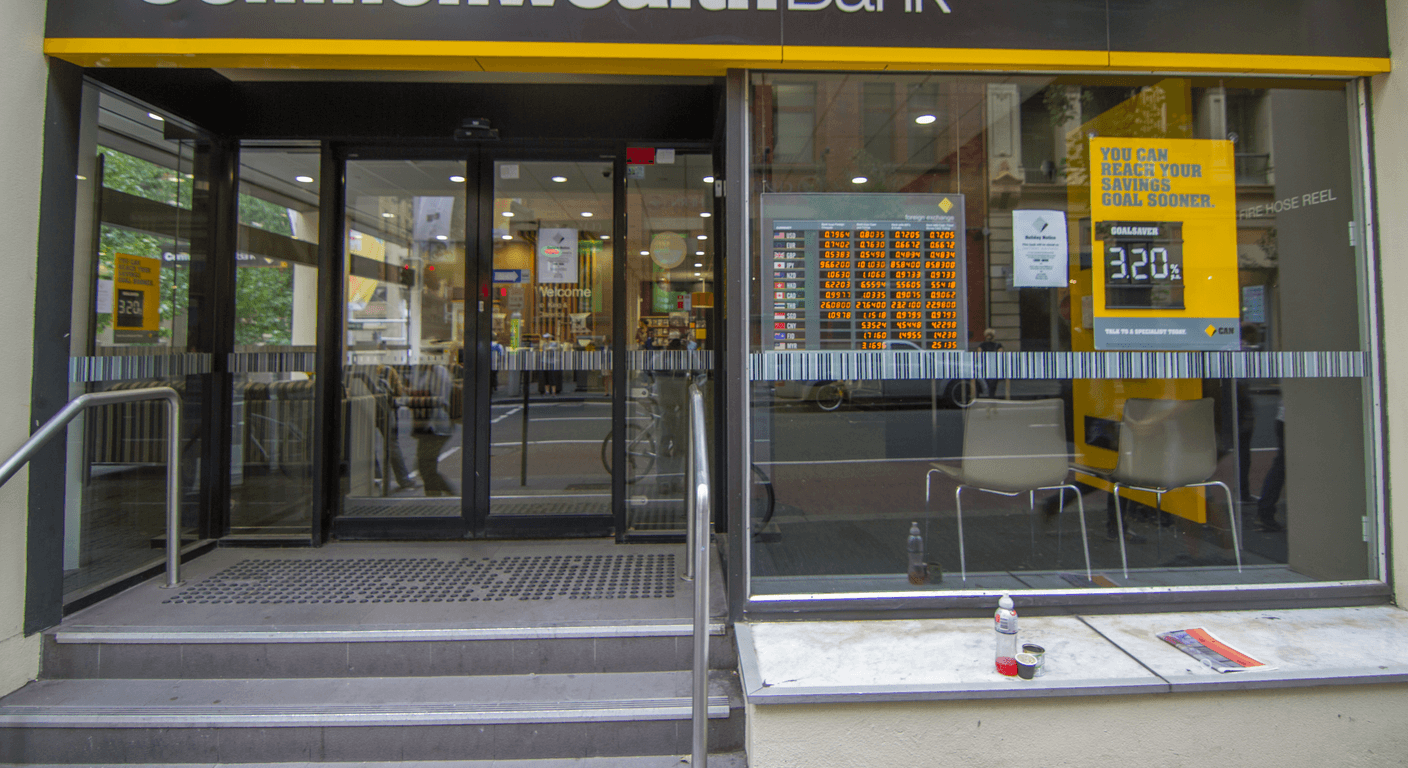
Commonwealth Bank's Awards program has undergone structural changes affecting how points convert to flight and travel redemptions — particularly relevant for over-50 Australians who accumulate points slowly and redeem infrequently. The changes affect earn rates, transfer partners, and redemption values depending on which CBA card you hold. Mobility rating: Easy (desk research only). Access: online or by calling CBA directly. Best action: review your current card tier and confirm redemption rates before booking any travel.
What actually changed with CBA's Awards program?
Commonwealth Bank's Awards program has never been the simplest rewards scheme in Australia, and recent changes haven't made it easier. The core of what's shifted involves earn rates — how many CBA Awards points you collect per dollar spent — and the conversion ratios when transferring those points to frequent flyer programs like Qantas Frequent Flyer or Velocity. On some card tiers, earn rates were quietly reduced. On others, the number of CBA points required to produce one Qantas point increased. The net effect: the same everyday spending that once produced a business-class seat redemption now falls short.
There's also been movement on which transfer partners are available and at what ratio. CBA has historically offered transfers to Qantas, Velocity, and Singapore Airlines KrisFlyer, among others — but the ratios differ by card, and some lower-tier cards lost access to certain partners altogether. If you haven't checked your specific card's current terms recently, don't assume last year's rules still apply. Confirm directly at commbank.com.au or by calling 13 2221.
The changes also touched the CBA's own travel redemption portal — the platform where you can redeem points directly for flights, hotels, or car hire without transferring to a frequent flyer program. Redemption values through the portal have historically been poor compared to transferring points to a partner airline, and that gap hasn't narrowed. For most travellers planning an international trip, transferring to Qantas or Velocity almost always delivers better value than redeeming through CBA's own portal. Almost always — check both before you commit.
Which CBA cards are most affected, and which hold up?
CBA offers Awards-linked cards across a wide range of tiers — from the no-annual-fee Smart Awards card to the premium Diamond Awards and the co-branded Qantas Ultimate card. The impact of recent changes depends heavily on which card sits in your wallet. The Qantas-branded CBA cards earn Qantas points directly and are largely insulated from the Awards-to-Qantas conversion issue, because there's no conversion step. If you hold one of those, the main thing to watch is the earn rate per dollar, which may have shifted.
The standard Awards cards — particularly the Gold and Platinum tiers — are where the conversion changes sting most. These cards earn CBA Awards points, which then need to be converted to a frequent flyer currency. That conversion ratio is where value leaks. At the time of writing, indicative conversion rates have been around 2.5 CBA Awards points to 1 Qantas point on some mid-tier cards, but confirm this directly with CBA as it varies by card and has changed before. A card earning 1 Awards point per dollar at a 2.5:1 conversion is effectively earning 0.4 Qantas points per dollar. That's modest. Some competing bank cards do better.
Annual fees matter here. A CBA Platinum Awards card runs around $249 a year (indicative — confirm with CBA). If you're earning at a reduced rate and paying that fee, do the arithmetic before the next renewal. It may still make sense if you use the card's travel insurance, but that insurance has its own eligibility conditions for pre-existing medical conditions — and at 73, those conditions require careful reading before you rely on the policy for overseas travel.
How does CBA compare with other bank rewards schemes?
Honestly? It's a mixed picture. CBA is a large bank with a well-established program, but it has never led the market on rewards generosity. ANZ Rewards, Westpac Altitude, NAB Rewards, and American Express Membership Rewards each have their own quirks, partner lists, and earn rates. American Express tends to offer the strongest earn rates on everyday spending, particularly for those who can get the card accepted — which remains a limitation at smaller retailers and some service providers. NAB's partnership with both Qantas and Velocity gives it flexibility. Westpac Altitude Black has historically offered solid transfer ratios to major frequent flyer programs.
For travellers over 50 who spend consistently on groceries, utilities, medical costs, and travel, the right card depends on spending patterns more than brand loyalty. A couple spending $3,000 a month across a rewards card will accumulate points at a meaningfully different rate depending on category earn bonuses — some cards give bonus points on supermarket spend, others on overseas transactions. Running the numbers on your own spending before switching (or staying) is worth an hour of your time, and ASIC's MoneySmart site at moneysmart.gov.au has a credit card comparison tool that's straightforward to use.
One thing CBA does offer that some competitors don't: relatively broad acceptance of its card insurance benefits for domestic travel and a well-known customer service network, including branches — which still matters to travellers who prefer face-to-face. That's a real, if intangible, advantage for those who find app-only banks frustrating.
What's your points stash actually worth for travel right now?
This is the question most cardholders don't ask until they're ready to book — and it's the one that causes the most disappointment. CBA Awards points, like most bank reward currencies, are not worth a fixed dollar amount. Their value depends entirely on what you redeem them for. Redeeming through CBA's travel portal typically yields around 0.5 cents per point or less. Transferring to Qantas and redeeming on a business-class flight can push that to 2 cents or more per point, depending on the route and availability. The gap is significant.
For a couple planning a flight from Melbourne to Athens via Singapore or Dubai in business class, the Qantas points required would be substantial — think 280,000 to 360,000 Qantas points per person for a return business redemption, depending on availability and partner airline. Accumulating that through CBA Awards points alone, at current earn and transfer rates, would require years of consistent spend. That's not a criticism of the program; it's the reality of how bank-issued rewards currencies work. The value is real, but it's incremental — a contribution to the cost, not a free trip.
Check your balance now at NetBank or the CommBank app, then use the Qantas points calculator at qantaspoints.com to see what your current balance translates to in flight redemptions. Do the same for Velocity at velocityfrequentflyer.com if Virgin routes suit you better. Don't transfer points speculatively — once transferred, they can't come back to CBA.
Practical steps before your next travel redemption
Step one: log into NetBank or the CommBank app and check your exact points balance and your card's current earn rate. The earn rate shown when you applied may no longer be current. CBA is required to notify cardholders of material changes, but those notifications arrive by email or in-app message and are easy to miss.
Step two: check the current transfer ratio from CBA Awards to your preferred frequent flyer program. This is listed in the Awards program terms and conditions on the CBA website. Print it or screenshot it before you transfer — you want a record of the ratio that applied at the time. Transfer requests can take several business days to process, and points don't always arrive in your frequent flyer account instantly.
Step three: if you're planning to use the card's complimentary travel insurance for an overseas trip, read the Product Disclosure Statement carefully — especially the sections on pre-existing medical conditions and the requirements to charge a portion of your trip to the card to activate coverage. For travellers managing conditions like hypertension, diabetes, or heart conditions (common at this life stage), the exclusions can be significant. Consider supplementary travel insurance from a specialist provider, and always declare pre-existing conditions. ASIC's MoneySmart site has guidance on what to look for.
A solo traveller's perspective vs a couple's perspective
A solo traveller's perspective: Points accumulate on one card, one income stream. The maths is slower. A solo traveller should prioritise cards with strong everyday earn rates and consider whether a no-annual-fee Awards card (if CBA offers one on their current range — confirm directly) serves them better than a premium card with an annual fee they can't offset. The single supplement on tours and cruises booked through points redemptions is a separate issue — that's charged by the operator, not the card program — but it's worth knowing that points won't cover a single supplement that wasn't anticipated.
A couple's perspective: Two cardholders can pool points in some programs, but CBA Awards doesn't allow account pooling in the same way some frequent flyer programs do. Each cardholder's points sit in their own account. If one partner holds the primary card and the other holds a supplementary card on the same account, supplementary card spending typically earns points into the primary account — confirm this with CBA for your specific card. For a couple planning a trip together, this means the primary cardholder's account may have a more useful balance, while the other's sits separate. Worth sorting out the card structure before the next annual renewal.
Don't overlook these: concessions and entitlements worth checking
Victorian Seniors Card holders have access to a range of travel concessions through V/Line and Public Transport Victoria — those are separate from any credit card rewards program, but they're worth stacking. If you're using points for a domestic flight and then connecting by train to a regional destination, a Seniors Card concession on the rail leg reduces the overall trip cost. Check ptv.vic.gov.au or vline.com.au for current concession fares.
If you're a Centrelink recipient, the Pension Concession Card or Commonwealth Seniors Health Card may also unlock travel-related discounts with some operators — worth asking at the time of booking rather than assuming they don't apply. These are routinely unclaimed because travellers assume the discount applies only to healthcare.
On the investment side, some older Australians hold CBA shares and are eligible for shareholder benefits — though CBA has historically not extended formal loyalty discounts to shareholders on banking products. Still, if you're considering switching credit cards and you're a CBA shareholder, it's worth a conversation with your financial adviser about the full picture of your relationship with the bank before moving products. That said, loyalty to a bank should follow value, not habit.
Quick planning guide
| Ideal pace | Review your rewards account quarterly, not just before a trip |
|---|---|
| Best months | Any — but redeem before further policy changes take effect |
| Suggested stay | Allow 2-4 weeks between points transfer request and flight booking |
| Mobility level | Easy |
| Cost level | Varies by card — annual fees from around $0 to $420+ depending on tier |
| Comfort level | High if you understand the rules; frustrating if you don't |
| Best for | Couples and solo travellers who use a CBA credit card regularly for everyday spending |
| Main planning consideration | Confirm current earn rates, transfer partners, and redemption values directly with CBA before making any travel bookings based on points |
Key takeaways
- CBA Awards earn rates and transfer ratios have changed — check your specific card's current terms at commbank.com.au before planning any points redemption.
- Transferring CBA Awards points to Qantas or Velocity almost always delivers better value than redeeming through CBA's own travel portal.
- Once you transfer points from CBA Awards to a frequent flyer program, they cannot be returned — never transfer speculatively.
- The complimentary travel insurance on CBA credit cards has pre-existing condition exclusions that require careful reading, especially for travellers over 65.
- Supplementary cardholders on a CBA account typically earn points into the primary account — confirm your card's structure before the next annual renewal.
- Victorian Seniors Card and Pension Concession Card travel benefits are separate from bank rewards and can be stacked to reduce overall trip costs.
Recommended partners and links
Indicative prices only — always confirm with the operator before booking.
Frequently asked questions
What changed in the Commonwealth Bank Awards loyalty program recently?
CBA revised earn rates and transfer ratios on several of its Awards-linked credit cards, meaning cardholders collect fewer points per dollar spent or need more CBA points to produce one frequent flyer point. The changes vary by card tier. Cardholders should log into NetBank or the CommBank app and review their card's current terms, or call CBA on 13 2221 to confirm.
Are CBA Awards points still worth transferring to Qantas?
For most travel redemptions, yes — transferring to Qantas Frequent Flyer or Velocity still typically delivers better value than redeeming through CBA's own travel portal. However, the conversion ratio from CBA Awards points to Qantas points varies by card and has changed recently. Confirm the current ratio before initiating a transfer, as points cannot be returned once transferred.
How do I check how many CBA Awards points I have and what they're worth?
Log into NetBank at netbank.com.au or the CommBank app to see your current balance. To estimate what those points are worth for flights, use the redemption calculator on qantaspoints.com or velocityfrequentflyer.com after confirming your card's current transfer ratio from the CBA Awards terms and conditions.
Can a couple combine their CBA Awards points?
CBA Awards does not offer a pooling feature between separate accounts. However, if one partner holds a supplementary card on the primary cardholder's account, spending on the supplementary card typically earns points into the primary account. Confirm this arrangement with CBA for your specific card before assuming it applies.
Does the travel insurance on CBA credit cards cover pre-existing medical conditions?
Not automatically. CBA credit card complimentary travel insurance generally excludes pre-existing medical conditions unless specific criteria are met. Read the Product Disclosure Statement carefully and consider supplementary travel insurance from a specialist provider that explicitly covers your conditions. ASIC's MoneySmart site at moneysmart.gov.au provides guidance on what to look for in travel insurance policies.