Cowra Japanese Garden, in the Central West of New South Wales, is best visited in autumn or spring for mild weather. The five-hectare garden, built as a post-war reconciliation gesture, is its defining highlight. Paths are mostly paved with gentle slopes and regular seating, rating easy for most older visitors. Reaching Cowra takes about four hours by car from Sydney, longer from Victoria, with coach/train options too — an overnight stay is the sensible choice.
What makes Cowra Japanese Garden worth the trip?
There are plenty of gardens across regional Australia, but Cowra's Japanese Garden carries something most don't: a genuine story. Opened in 1978 and designed by renowned Japanese landscape architect Ken Nakajima, the five-hectare garden was created as a living symbol of reconciliation between Australia and Japan following the Second World War. That context doesn't weigh the place down — if anything, it gives a morning's walk there a quiet sense of purpose that a lot of tourist attractions simply can't manufacture.
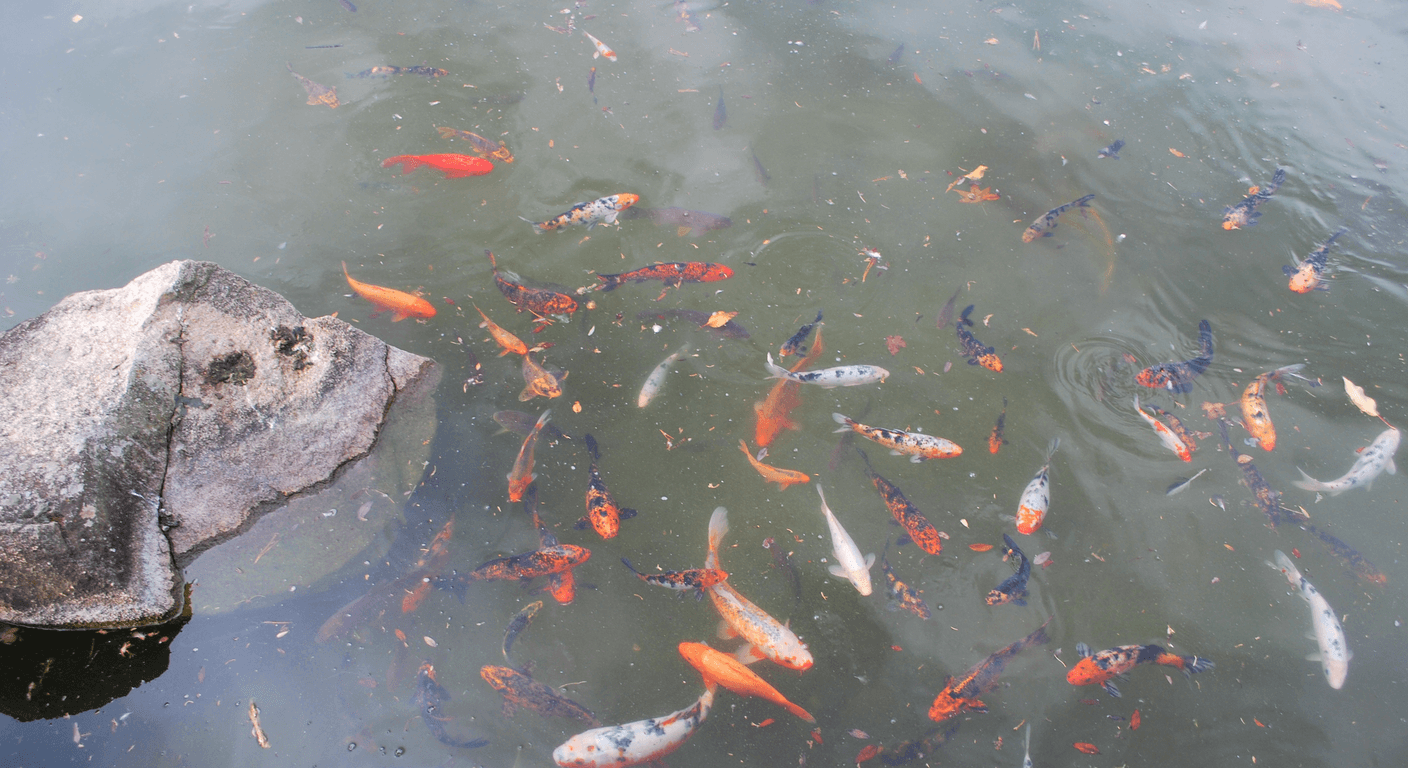
The garden is considered one of the largest Japanese gardens in the world outside Japan. It takes in a central lake, tea houses, a dry rock garden, a waterfall, and carefully composed plantings that shift with the seasons. Autumn brings colour to the maples; spring softens the whole site with blossom. Neither season is wrong. For a solo traveller who appreciates a place that rewards looking closely rather than moving quickly, this is the right kind of destination.
The on-site Cultural Centre adds depth to the visit. It houses exhibits on the history of the 1944 Cowra Breakout — the largest prison escape of the Second World War — and the long process of reconciliation that followed. You can spend a full morning between the garden and the centre without feeling rushed, and that is exactly how it should be done.
How accessible is the garden for older or less mobile visitors?
The garden's paths are predominantly paved or compacted gravel, and the design includes gently sloping grades rather than steep stairs throughout most of the site. Seating is placed at regular intervals, which makes it genuinely manageable for visitors who need to set their own pace. That said, some sections of the garden involve gentle inclines, so anyone with significant mobility concerns would do well to ask staff at the entry gate about which sections suit them best on the day.
The Cultural Centre building itself is accessible, with level entry and facilities suitable for visitors who use mobility aids. The on-site cafe is also accessible and provides a natural halfway point to rest before continuing into the garden or returning to the car park. Parking is available on site, including accessible bays close to the entrance.
For a solo traveller aged in their late sixties, the garden strikes a practical balance: it offers enough walking to feel like a proper outing without demanding fitness. Comfortable shoes with good grip are the main preparation required. Bring a hat and water, particularly in the warmer months, as shade varies across different sections of the garden.
What does entry cost, and what is included?
Entry to the Cowra Japanese Garden and Cultural Centre is indicatively around $20 for adults, with concession pricing available. Visitors are strongly encouraged to confirm current prices directly with the garden before travelling, as admission rates can be updated. The garden's website at cowragarden.com.au is the most reliable source for current pricing and opening hours.
Entry covers both the garden and the Cultural Centre, so the combination represents solid value for a half-day visit. The on-site cafe operates during garden hours and offers light meals, coffee, and snacks. It is a pleasant spot for lunch, particularly when the weather allows for outdoor seating with a view across the garden.
There is no additional charge to walk the grounds once you have paid entry. Audio guides or additional cultural programming may be available at certain times — check with the garden directly if that kind of structured experience appeals to you.
What else is worth seeing in Cowra?
The Cowra Prisoner of War and Internment Group Campsite is a short drive from the garden and gives important context to the reconciliation story. The site of the former POW camp is now largely open land, but interpretive signage explains the layout and events of August 1944. It is a sober, worthwhile stop that takes around 30 to 45 minutes.
The Cowra War Cemetery, maintained by the Commonwealth War Graves Commission, is one of the more affecting sites in the region. It contains the graves of Australian and Japanese soldiers, as well as Italian prisoners of war — a genuinely unusual combination that reflects Cowra's particular wartime history. The cemetery is open to visitors and is well maintained. There is no entry fee.
The town of Cowra itself has a modest main street with cafes, bakeries, and a handful of local shops. The Cowra Visitors Centre on Mid-Western Highway is a good first stop on arrival if you want printed maps or local recommendations. The town is small enough to feel manageable for a solo traveller who prefers not to navigate complicated urban centres.
Why does an overnight stay beat a single long day?
Cowra sits roughly four hours' drive from Sydney and a similar distance — approaching five hours depending on the route — from the Victorian border via the Hume and Barton highways. That is a significant amount of driving to compress into a day trip, particularly for a solo traveller who is doing all the driving themselves. Arriving the night before means you reach the garden fresh, in the morning, when the light is best and the crowds are thinnest.
An overnight stop also gives you time to visit the POW campsite and the war cemetery without feeling pressured to race back to the car. These are not places that respond well to a hurried pace. Cowra has a range of accommodation options from motels to country stays, and the town is quiet enough that booking ahead — especially on weekends — is sensible without being urgent. The Cowra Tourism website lists current accommodation options.
For Victorian travellers, a two-night stay opens up the option of visiting the garden on day one, spending time at the historical sites and the town on day two, and driving home on day three in a relaxed fashion. That structure suits a solo traveller who travels to think and absorb, rather than to tick boxes.
How do you get to Cowra from Victoria without driving the whole way?
Driving is the most flexible option, and the route from Melbourne via the Hume Highway to Yass, then north-west through Young or directly via Boorowa to Cowra, is straightforward on good roads. The drive is roughly five to five-and-a-half hours depending on your starting point in Victoria, so an early departure and an overnight stop in Gundagai or Yass is a comfortable way to break the journey.
NSW TrainLink operates coach and train services that connect Sydney to Cowra via Bathurst or Orange. For Victorian travellers, combining a V/Line train from Melbourne to Sydney with an onward NSW TrainLink service is workable, though it requires an overnight in Sydney or a carefully timed connection. Check current timetables and fares at nswtrainlink.info and ptv.vic.gov.au before committing to this route, as regional coach timetables can be limited.
Renting a car in Sydney and driving the roughly four-hour route to Cowra is another option that gives flexibility without the full Melbourne-to-Cowra drive. Orange and Bathurst, both on the way, are worth a stop in their own right if you have the time to spare.
What is the best time of year to visit Cowra Japanese Garden?
The garden is appealing across all four seasons, but autumn — roughly April to early June — is widely regarded as the most photogenic period, when the Japanese maples turn shades of amber and red. Spring, from September through October, brings cherry blossoms and fresh green growth. Both seasons offer mild temperatures in the Central West, which makes walking more comfortable than the heat of a January visit.
Summer in Cowra can be genuinely hot, with temperatures regularly above 35 degrees Celsius in January and February. The garden offers some shade, but a summer visit demands an early start, good sun protection, and realistic expectations about comfort. Winter is cool and sometimes frosty, but the garden remains open and has its own spare, quiet beauty in the colder months.
Weekdays are quieter than weekends throughout the year. If your schedule allows a midweek visit, you are likely to have long stretches of the garden largely to yourself — which is exactly the kind of experience a solo traveller tends to value.
Quick planning guide
| Ideal pace | Slow-paced, self-guided |
|---|---|
| Best months | Autumn (April to early June) and spring (September to October) |
| Suggested stay | A full day minimum; overnight recommended, two nights ideal for Victorian travellers |
| Mobility level | Easy — mostly paved, gently sloping paths with regular seating; some inclines |
| Cost level | Budget-friendly (entry around $20) |
| Comfort level | Comfortable, with cafe stops and variable shade across the garden |
| Best for | Solo travellers who prefer a slow, reflective pace |
| Main planning consideration | Travel distance from Sydney or Victoria makes an overnight stay sensible |
Key takeaways
- Cowra Japanese Garden covers five hectares with paved, gently sloping paths and seating throughout — genuinely manageable for most older visitors.
- Entry is indicatively around $20 with concession pricing available; confirm current rates at cowragarden.com.au before you travel.
- The garden, the POW campsite, and the war cemetery together tell a coherent story of reconciliation that takes a full day to absorb properly.
- An overnight stay in Cowra is strongly recommended over a single long day trip, particularly for travellers driving from Victoria.
- Autumn and spring are the most comfortable and visually rewarding seasons to visit the garden.
- The Cowra War Cemetery is open to visitors at no charge and is one of the more quietly affecting historical sites in regional New South Wales.
Recommended partners and links
Indicative prices only — always confirm with the operator before booking.
Frequently asked questions
How long does it take to visit Cowra Japanese Garden?
Most visitors spend between two and three hours at the garden and Cultural Centre combined. Adding the on-site cafe for lunch and a relaxed pace through the grounds, a half-day is a reasonable expectation. Pairing the garden with the POW campsite and war cemetery fills a comfortable full day.
Is Cowra Japanese Garden accessible for visitors with mobility limitations?
The garden's paths are predominantly paved or compacted gravel with gentle grades, and seating is provided throughout the grounds. The Cultural Centre and cafe are accessible. Visitors with significant mobility concerns are encouraged to speak with staff at the entry gate about which sections of the garden suit their needs on the day.
What is the entry fee for Cowra Japanese Garden?
Entry is indicatively around $20 for adults, with concession pricing available. These figures are indicative only — confirm current admission prices directly with the garden at cowragarden.com.au before your visit, as rates may be updated.
How far is Cowra from Melbourne?
Cowra is roughly five to five-and-a-half hours' drive from Melbourne depending on your route and starting point. The most common route runs via the Hume Highway to Yass, then north-west toward Cowra. Breaking the drive with an overnight stop in Gundagai or Yass makes for a more comfortable journey.
Is the Cowra War Cemetery free to visit?
Yes, the Cowra War Cemetery is open to visitors at no charge. It is maintained by the Commonwealth War Graves Commission and contains the graves of Australian, Japanese, and Italian servicemen and prisoners of war. It is a short drive from the Japanese Garden and worth including in any visit to Cowra.