Crown Princess suits Australian travellers over 50 well, particularly those who value a mid-large ship with manageable scale. Sailing from Sydney and Fremantle on Pacific and Indian Ocean itineraries, she carries around 3,080 passengers across 19 passenger decks. Mobility rating: Moderate — lifts are plentiful but some tender ports and promenade steps require reasonable fitness. Best months from Australia are October to April. A 10–14 night voyage is the sweet spot for pacing. Confirm current deck plans and fares at princess.com.
What Kind of Ship is Crown Princess, Really?
Crown Princess is a Grand-class vessel — roughly 113,000 gross tonnes, around 951 feet long, and designed to carry just over 3,000 passengers at double occupancy. That puts her firmly in the mid-large category: big enough to offer genuine variety in dining, entertainment and deck space, small enough that you're not walking a kilometre from your cabin to the dining room. For a traveller who finds the mega-ships genuinely exhausting, this is a reasonable middle ground.
She has 19 passenger decks, with public spaces concentrated on Decks 5, 6, 7 and 15–16. The internal layout follows the Grand-class template: a central atrium, multiple dining venues spread across several decks, and a pool area aft and midship on the upper decks. The promenade deck — Deck 7 — is a genuine outdoor walking loop, which matters more than most ship reviewers acknowledge. For anyone used to a morning walk and reluctant to give it up at sea, a proper promenade deck is worth factoring into ship selection.
The ship was refurbished as part of Princess's fleet refresh programme, bringing cabin soft furnishings, bathroom fittings and some public spaces up to current standards. She's not brand-new, and that shows in places — but the bones are solid and the maintenance is consistent. Realistic expectations are better than manufactured ones.
Cabin Categories: Which One Actually Makes Sense for You?
Crown Princess offers inside, oceanview, balcony and suite categories. For a solo traveller or couple on a 10–14 night sailing, the balcony cabin is the one that tends to repay the premium. At sea for multiple consecutive days, the ability to sit outside with a coffee and watch the ocean without going to a public deck changes the rhythm of the day meaningfully. Balcony cabins on Crown Princess run roughly 215–230 square feet plus the balcony itself — compact, but functional if you're not spending all day in the cabin.
Inside cabins are the most affordable and, frankly, better than their reputation if you sleep well in darkness and spend your days out of the room. Oceanview cabins on Crown Princess are a reasonable compromise — natural light without the balcony cost — but the windows on some mid-ship oceanview cabins are partially obstructed by lifeboats. Worth checking the specific cabin number against a deck plan before confirming. The Princess Cruises website publishes deck plans; cross-reference cabin numbers against the lifeboat positions on Deck 6 and 7 before you lock anything in.
Mini-suites are worth considering for a longer voyage. They run around 285–325 square feet with a separate seating area and a larger bathroom, including a bathtub — relevant if standing showers are uncomfortable or you simply want to soak after a long port day. Full suites add butler service and priority embarkation, which is genuinely useful at a busy Sydney turnaround. Indicatively, mini-suites run from around $300–$450 per person per night AUD on Australian itineraries; full suites from $500 upward. Confirm current pricing directly with Princess Cruises or a licensed Australian travel agent.
The Solo Traveller's Supplement Problem — and What to Do About It
This is the part most cruise guides bury at the bottom. Princess Cruises, like most major lines, structures its pricing around twin occupancy. A solo traveller taking a standard cabin typically pays a single supplement — often 100% of the per-person twin rate, meaning you pay the full cabin price alone. On a 14-night balcony sailing, that can add $2,500–$4,000 AUD to the total cost compared with what a couple pays per person. That's not a small number, and it's worth naming plainly.
Princess does periodically offer reduced single supplements — sometimes 50% on selected sailings, occasionally waived entirely on specific cabins as part of a promotion. These are not guaranteed and not always advertised prominently. Ask specifically when enquiring, and ask again when the booking is confirmed. Princess also operates a cabin-share programme on some sailings, matching solo travellers of the same gender in a twin cabin at the per-person twin rate. Availability is limited and not guaranteed; confirm whether it applies to your specific sailing.
For a 69-year-old male solo traveller based in Victoria, the practical calculation is this: the solo supplement stings, but the alternative — driving, self-catering, navigating foreign roads — has its own costs in energy and logistics. On a longer voyage, the all-inclusive nature of cruising (meals, accommodation, transport between ports, entertainment) often makes the total cost more competitive than it appears at first glance. Run the real numbers against a comparable land-based itinerary before dismissing it.
Deck Layout: Where to Be, Where to Avoid, and Where the Quiet Spots Are
Cabins on Decks 8–12 midship are generally the most stable in rough weather — lower centre of gravity, less roll sensation than high-forward or high-aft positions. If you're prone to motion sensitivity, this is where to aim. Avoid Deck 14 and above for cabin selection if motion is a concern; the upper decks are fine for daytime use but noticeably more movement at sea.
The promenade on Deck 7 is the ship's best-kept practical asset. It's a full outdoor loop, sheltered partially by the decks above, and wide enough for two people to pass comfortably. Morning walkers claim it early. A full loop is roughly a third of a mile — so twelve laps is about four kilometres, which is a respectable morning if the weather cooperates. There are teak loungers along sections of the promenade that see significantly less foot traffic than the pool decks above.
For quiet daytime space, the Sanctuary — Princess's adults-only retreat area on the upper forward deck — is worth considering. It charges a daily or half-day fee (around $30–$50 AUD per person indicatively; confirm current rates with Princess). It offers padded loungers, attentive service and a genuinely calmer atmosphere than the main pool decks. On a hot Pacific sailing day when the main pools are crowded, it's not an indulgence — it's a practical decision. The Lotus Spa area on the upper decks also has a thermal suite and thermal pool available for a fee, separate from treatment bookings.
What Does the Day Actually Look Like? A Sea Day and a Port Day, Hour by Hour
Sea day (indicative times — confirm with the ship's daily Patter newsletter once aboard): Buffet in the Horizon Court opens around 6:00 am for early risers, which suits anyone who's been up since 4:00 from habit or jet lag. Main dining room breakfast runs roughly 7:30–9:30. The promenade walkers are out from first light. By 9:00 the pool decks are filling; by 10:30 on a sunny day, the main pools are busy. Enrichment lectures typically run 10:00–11:00 in one of the main theatres — these are genuinely good on Australian itineraries, often covering reef ecology, Pacific history or port culture. Lunch runs 12:00–1:30 in the dining room or continuously in the buffet. Early afternoon is the quietest the ship gets: the pool is loud, but the library, card room and Promenade are peaceful. The Sanctuary hits its stride from 2:00 pm. Pre-dinner drinks in Crooners bar (Deck 5 atrium) from around 5:30. Main dining first seating is typically 5:30–6:00, second seating 7:30–8:00. Shows in the Princess Theatre run at 8:15 and 10:15 — the earlier show suits those who'd rather be in bed by 10:00, which is most people after a few days at sea.
Port day (using a Pacific island tender port as the example — Lifou, Tanna or similar): All-aboard times on tender ports are typically 30 minutes earlier than the official departure time — the ship publishes this, but it's easy to misjudge. Tenders begin around 8:00 am; the first 90 minutes are busy. If you're not on an organised shore excursion, waiting until 9:30–10:00 for the tender queue to ease is a reasonable trade. The tender ride itself is 10–20 minutes depending on anchorage distance. Gangway access to the tender platform on Crown Princess is via Deck 3 or 4 midship — there are steps involved in boarding the tender itself, and in moderate swell this requires a crew hand and reasonable balance. Anyone with significant mobility limitations should ask the purser desk in advance about tender-port assistance protocols; some guests are not able to safely board tenders and the ship makes alternative arrangements.
On a tender port with a compact village or beach within easy walking distance, the practical shape of the day is: tender ashore by 10:00, walk or take a local transport option to the main attraction, lunch ashore if you choose (local options vary enormously — some ports have excellent food, some have very little; the ship's excursion guide usually flags this), back on tender by 2:30–3:00 to avoid the late-afternoon queue, aboard and showered by 4:00, all-aboard by 4:30. That's a full and manageable day. The guests who struggle are those who stay ashore until the final tender and then rush — the queues at that point are long, the sun is at its worst, and the stress is unnecessary.
Accessibility on Crown Princess: The Honest Assessment
Crown Princess has purpose-built accessible cabins — wider doorways (typically 32 inches or more), roll-in showers, lowered wardrobes and beds at accessible height. The number of these cabins is limited; they book early on Australian sailings where demand from the over-50 market is high. If accessibility is a requirement rather than a preference, book as early as possible and confirm the specific cabin dimensions with Princess Cruises directly — 'accessible cabin' covers a range, and what's in the brochure isn't always what matters to a specific traveller.
Lifts are plentiful and generally fast on Crown Princess, which matters on a ship with 19 passenger decks. The main exception is immediately after a show lets out — all three lifts banks fill simultaneously and the wait can be five to eight minutes. Taking the stairs one or two decks during those windows is worth it if you're able; otherwise, wait it out with a drink from the nearby bar. The pool deck areas have uneven non-slip surfaces and occasional lips between sections — manageable, but worth wearing shoes with grip rather than thongs.
Tender ports are the most significant accessibility challenge. Crown Princess's excursion bookings include some accessible options that use the ship's side gangway rather than the tender platform, but these are port-dependent and not always available. The guest services desk should be the first conversation for anyone with mobility considerations — not the last resort. For travellers who use a walking frame or rollator, some tender platforms are genuinely not safe in any swell; a frank conversation with the ship's medical or guest services team before the voyage is the right approach, not an assumption that it'll work out.
Australian Departures, Getting to the Ship, and the Pre-Cruise Night
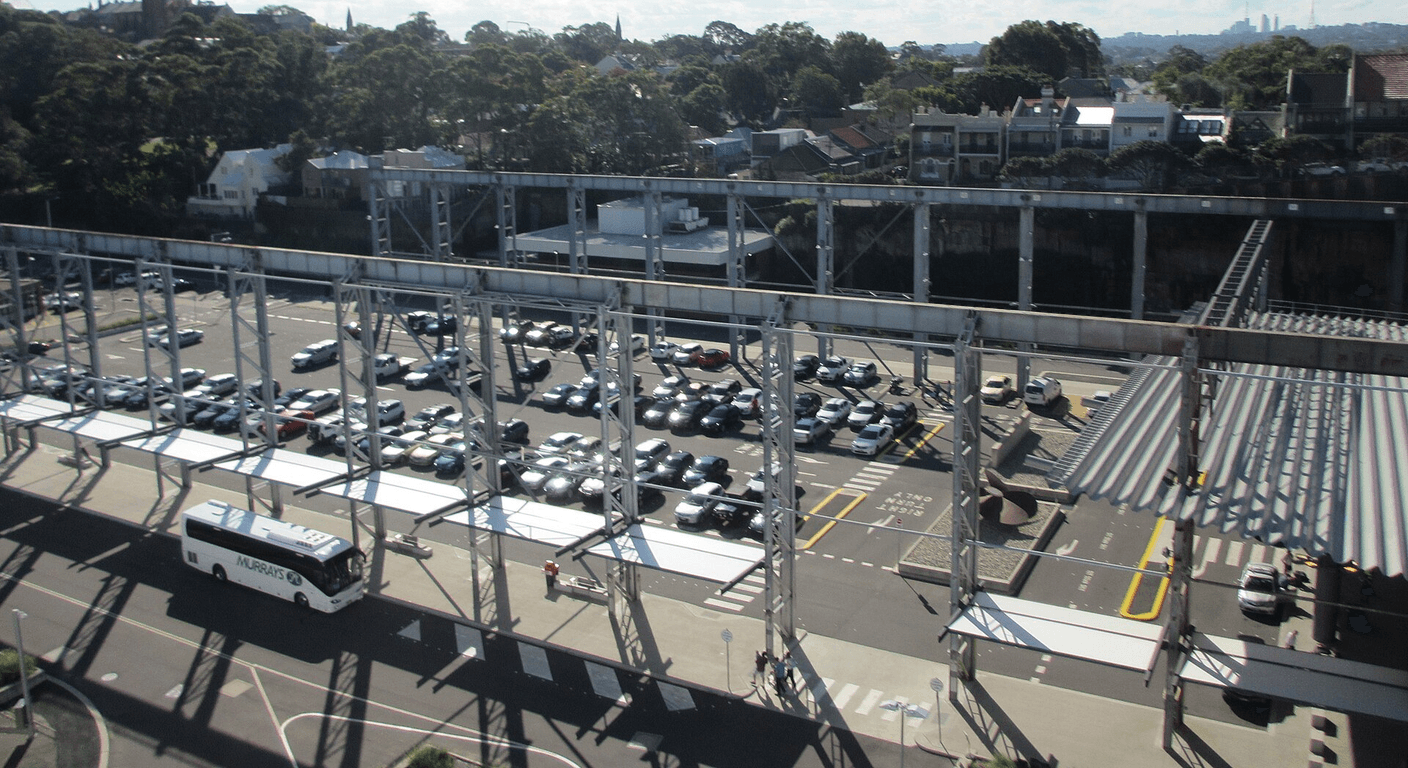
Crown Princess sails from Sydney's Overseas Passenger Terminal (OPT) at Circular Quay and from Fremantle (Fremantle Passenger Terminal). The Sydney terminal is one of the better-located cruise terminals in the world — train to Circular Quay, short walk, done. Taxis and rideshares drop at the terminal forecourt. For a traveller arriving from regional Victoria, an overnight in Sydney the night before embarkation is strongly recommended — the drive or train from Melbourne is doable, but arriving the morning of embarkation with luggage and fatigue is an unnecessary complication. A hotel within walking distance of Circular Quay runs roughly $200–$350 a night; the Marriott, Pullman Quay Grand and Radisson Blu are all close and have lifts and porter services. Confirm current rates directly with the hotels.
Fremantle departures are less common but well-suited to Western Australian residents and travellers doing Indian Ocean or Southeast Asian itineraries. The Fremantle terminal is straightforward — a short taxi or Uber from the Fremantle CBD or Perth Airport. Perth to Fremantle by train (Transperth) is easy and cheap, though managing large luggage on public transport is less so. A pre-cruise night in Fremantle itself — the Esplanade Hotel or similar — is a comfortable option.
Check-in for Crown Princess typically opens three to four hours before departure. Princess's app-based check-in (the Medallion system) has improved the embarkation process considerably — medallion wristbands or cards replace keys and function as onboard payment. Set it up before you leave home. Travel insurance with pre-existing condition cover is essential; confirm your policy covers cruise-specific scenarios including emergency medical evacuation and missed-port coverage. The Australian Government's Smartraveller service (smartraveller.gov.au) publishes destination advisories relevant to Pacific and Indian Ocean ports — worth a check before departure. Victorian Seniors Card holders should confirm whether any Princess loyalty programme or agent discount stacks with existing seniors benefits, as cruise lines don't typically participate in state card schemes directly, but some travel agents offer additional concessions.
Quick planning guide
| Ideal pace | Sea days interspersed with port calls; avoid back-to-back full-day excursions |
|---|---|
| Best months | October to April for Australian departures; avoid mid-summer Pacific heat if you run warm |
| Suggested stay | 10–14 nights minimum to justify the embarkation effort and settle into ship rhythm |
| Mobility level | Moderate — lifts throughout, but tender ports, pool-deck steps and some shore excursions require reasonable mobility |
| Cost level | Inside cabins from roughly $150–$200 per person per night (indicative, AUD); balcony cabins from around $250–$350 pppn — confirm with Princess Cruises |
| Comfort level | High — well-appointed cabins, multiple dining venues, dedicated quiet areas |
| Best for | Solo travellers, couples, culturally curious retirees, grey nomads who prefer not to drive |
| Main planning consideration | Single supplement on most cabin categories is steep — typically 100% of the twin rate; investigate Princess's solo cabin options or share programmes before booking |
Key takeaways
- Crown Princess carries around 3,080 passengers and sails from Sydney and Fremantle on Australian itineraries — no connecting flight required for most eastern and western states travellers.
- Balcony cabins on Decks 8–12 midship offer the best combination of stability, natural light and practical comfort for a 10–14 night sailing.
- The single supplement on Princess Cruises is typically 100% of the per-person twin rate — ask specifically about reduced-supplement sailings or the share programme before confirming any booking.
- Tender ports are the main accessibility challenge on Crown Princess; travellers with mobility limitations should speak to guest services before the voyage, not on the day.
- The Sanctuary adults-only deck area (fee applies, around $30–$50 AUD per person per day indicatively) is a practical alternative to crowded pool decks on warm Pacific sailing days.
- A pre-cruise night in Sydney or Fremantle is strongly recommended — arriving on embarkation day with luggage and fatigue after a long journey adds unnecessary stress to the start of any voyage.
Recommended partners and links
Indicative prices only — always confirm with the operator before booking.
Frequently asked questions
Does Crown Princess have accessible cabins for passengers with mobility limitations?
Yes. Crown Princess has purpose-built accessible cabins with roll-in showers, wider doorways and lowered fittings. The number is limited and they book early on Australian sailings. Confirm specific cabin dimensions directly with Princess Cruises at princess.com, as 'accessible' covers a range of configurations.
What is the single supplement on Crown Princess for solo travellers?
Princess Cruises typically charges solo travellers a single supplement of around 100% of the per-person twin rate, meaning you pay the full cabin cost alone. Reduced supplements (50% or waived) are offered periodically on selected sailings. A cabin-share programme exists on some voyages. Ask specifically when enquiring — it's rarely advertised prominently.
Which decks are best for older travellers prone to seasickness on Crown Princess?
Cabins on Decks 8–12 midship offer the most stable ride in rough weather. Avoid high-forward and high-aft cabins on Decks 14 and above if motion sensitivity is a concern. Lower, central decks experience less roll and pitch.
Does Crown Princess sail from Australian ports, or do you need to fly overseas to join the ship?
Crown Princess operates homeport sailings from Sydney (Overseas Passenger Terminal, Circular Quay) and Fremantle on Australian itineraries including South Pacific and Indian Ocean routes. No international flight is required for these sailings. Confirm current Australian itineraries at princess.com, as schedules vary by season.
What is the Medallion system on Crown Princess and do older travellers need to use it?
Princess Cruises' Medallion system replaces cabin keys with a wearable card or wristband that handles room access and onboard payments. Setting it up via the Princess app before embarkation speeds up check-in considerably. It is not technically mandatory, but using it from the start makes the embarkation process significantly smoother.