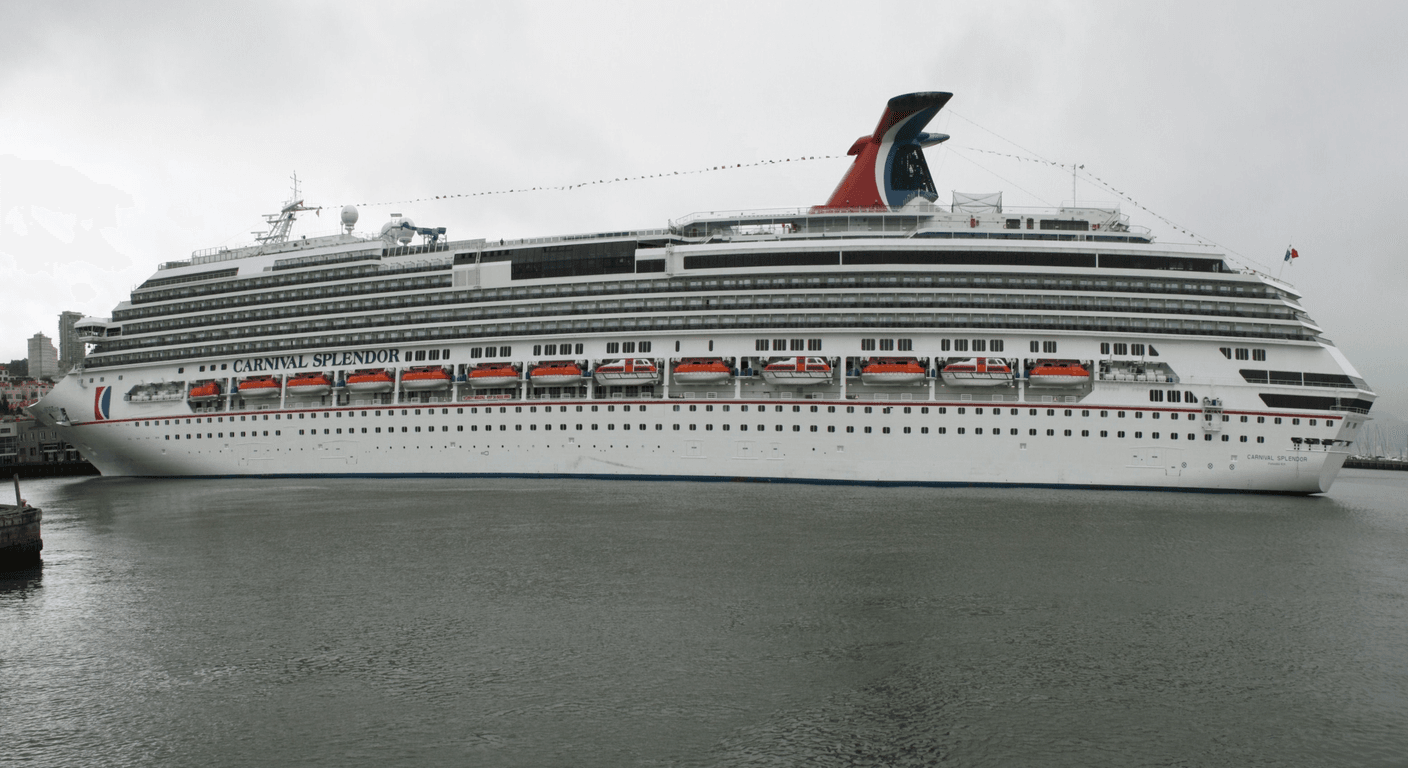
Cruise embarkation day in Australia runs to a set sequence — online check-in, terminal arrival, luggage handover, security, boarding and a mandatory muster drill — with cabins typically ready between 1pm and 2pm and the ship departing mid-afternoon. Arriving in the port city the night before, completing check-in 30 to 90 days ahead, and packing essentials in hand luggage make the process easy for over-50 travellers. The highlight is sailaway, especially from Sydney Harbour, with terminals reached by taxi, tram or ferry depending on the port.
Why embarkation day deserves its own plan
Most people spend weeks researching shore excursions and dining packages, then give embarkation day about ten minutes' thought. That's the wrong ratio. The day you board sets the tone for everything that follows — and it has a distinct rhythm that differs from checking into a hotel or boarding a flight. There are multiple checkpoints, a hard stop for a safety drill, and a window of time when you're technically on the ship but can't yet get into your cabin.
For a solo traveller heading off on a first cruise, that liminal period — aboard but not yet settled — can feel unsettling if you haven't planned for it. Know the sequence ahead of time, pack your hand luggage accordingly, and embarkation day becomes one of the quieter pleasures of the whole voyage: the ship is still calm, the crowds haven't fully arrived, and there's a particular satisfaction in finding your sea legs before you've even left port.
Online check-in: do it early, not the night before
Every major cruise line now requires — or strongly incentivises — online check-in completed well before embarkation day, typically between 30 and 90 days prior to sailing. This is where you upload your passport details, a photo, emergency contact information, and in many cases your credit card for the onboard account. Some lines also ask you to nominate your terminal arrival window at this stage. Don't leave it until the week before — the earliest arrival windows go to passengers who check in first, and arriving during your assigned window is the single biggest factor in how long you'll queue.
Carnival Cruise Line, Princess Cruises and Royal Caribbean all have dedicated app-based check-in flows; download the relevant app and work through it at your kitchen table rather than on a phone screen at the terminal. If you have any pre-existing conditions that affect travel insurance, sort that policy well before this stage — it has nothing to do with the cruise line's check-in, but it's the same planning window and easy to forget.
Once online check-in is complete, you'll receive either a digital boarding pass or a QR code. Screenshot it and email it to yourself. Terminals have reliable Wi-Fi, but not every traveller does at the moment they need it.
The night before: why arriving in port a day early matters
For a Victorian traveller flying or taking the train to Sydney or Brisbane to join a cruise, the case for arriving the evening before embarkation is almost unarguable. A delayed flight, a slow taxi queue or an unexpected closure on the Princes Highway doesn't derail your cruise if you're already in a nearby hotel. It does if you're trying to make a noon terminal window from a 7am flight.
Book accommodation close to the cruise terminal where possible. In Sydney, that means the CBD or Circular Quay precinct — the Overseas Passenger Terminal is a short walk or taxi ride from most central hotels. In Melbourne, Station Pier at Port Melbourne is served by the 109 tram from the city, though a taxi or rideshare is more practical with luggage. In Brisbane, the Portside Wharf terminal at Hamilton is accessible by CityCat ferry from the CBD, which is a genuinely pleasant way to arrive.
A night-before hotel also solves the breakfast problem. Embarkation terminals don't have sit-down cafes. Arriving well-fed and unhurried is a small but meaningful advantage when you're about to spend several hours navigating a new process.
At the terminal: luggage, kerb-side porters and what goes in your hand bag
Pull up to the terminal drop-off zone and look for the uniformed porters — they're there to take your main luggage before you even enter the building. Attach the cruise line's luggage tags (printed or downloaded from your booking) to every checked bag before you arrive. The tags include your cabin number, which is how your bags find their way to your door — sometimes hours after you board. Tip the porters if you're comfortable doing so; it's not obligatory but it's customary.
Here's the detail that catches people out: those bags won't be in your cabin when you board. They'll be delivered during the afternoon, often between 2pm and 5pm. So whatever you need for the first four to six hours on the ship needs to be in your hand luggage. That list includes: passport and boarding documents, any prescription medications (the full day's supply, not just morning doses), a change of clothes or swimwear if you plan to use the pool deck, phone charger, sunscreen, reading glasses, and any valuables you'd rather not leave in an unattended bag.
A small, soft-sided daypack works better than a wheeled carry-on for the embarkation day shuffle — you'll be standing in queues, moving through metal detectors, and walking along gangways. Keep it light. The ship has everything else.
Security, check-in desks and boarding: what the queue actually looks like
Once inside the terminal, the process resembles an airport in miniature. Security screening first — bag through the X-ray, walk through the detector, collect your things. Then the check-in desks, where a cruise line staff member scans your boarding pass, checks your passport against their records, and issues your cruise card. This card is your cabin key, onboard payment method, and the thing you tap every time you leave or board the ship in port. Don't lose it.
At Sydney's Overseas Passenger Terminal and increasingly at other Australian ports, biometric facial recognition has been integrated into the check-in flow, which speeds things up considerably. If you've opted in during online check-in, boarding can be remarkably quick. If you haven't, the traditional desk process still works fine — just expect it to take a few minutes longer.
Arriving within your assigned terminal window is the most effective way to avoid long queues. Turning up an hour before your window opens might seem efficient; in practice it means joining the back of a queue formed by people who had earlier windows. Trust the system. It was designed to stagger arrivals for exactly this reason.
Why your cabin isn't ready — and how to spend that time well
Boarding typically opens from around 11am or noon, but cabins are rarely cleared and serviced before 1pm or 2pm — sometimes later on a large ship. This isn't a failure of organisation; it's the reality of turning over thousands of rooms in a compressed window after the previous voyage's passengers disembarked that morning. The ship's housekeeping team is working as fast as humanly possible.
The hours between boarding and cabin access are actually one of the better-kept secrets of embarkation day. The Lido deck (the main outdoor buffet area) is open and usually quiet. The pool deck has space. The bar near the atrium is unhurried. Specialty restaurants often run embarkation day lunch promotions. It's an ideal time to walk the ship, get your bearings, find the dining room you'll use each evening, and work out where the stairs are relative to your cabin — useful knowledge when the lifts are busy later in the voyage.
Solo travellers often find embarkation day lunch a natural way to meet fellow passengers in a low-pressure setting. The buffet format means you can sit where you like, and conversation tends to start easily among people who are all, slightly, figuring out the same new environment.
The muster drill: mandatory, brief, and worth taking seriously
Before the ship leaves port, every passenger is required to complete a safety muster drill — also called the emergency muster or lifeboat drill. Since the pandemic, most cruise lines have shifted to an 'e-muster' format: you watch a safety video on the ship's TV or app in your cabin, then report to your designated muster station (printed on your cruise card) for a brief headcount and a check of your life jacket fitting. The whole process takes 20 to 30 minutes and must be completed before departure.
Your cruise card will show a red 'muster incomplete' flag in the system until you've done it, which can restrict access to certain areas. It's not worth trying to skip or defer. Treat it as a useful orientation — knowing where your muster station is, and how to reach it in the dark if needed, is genuinely practical knowledge on a large ship.
The drill typically happens in the early afternoon, often around 3pm to 4pm, just before the ship's departure from port. Sailaway — the moment the ship pulls away from the terminal — is one of the more memorable experiences of a first cruise. Position yourself on an open deck for it. Sydney Harbour, in particular, offers a departure that requires no embellishment.
Quick planning guide
| Ideal pace | Unhurried — arrive within your assigned window rather than early |
|---|---|
| Best months | No specific season noted; timing depends on your sailing date |
| Suggested stay | One night in the port city before boarding, plus four to six hours from terminal to cabin access |
| Mobility level | Easy — some queuing, walking and standing through security and check-in |
| Cost level | Budget-friendly to moderate (one night's accommodation, optional porter tips) |
| Comfort level | Comfortable with a little pre-planning |
| Best for | First-time cruisers, solo travellers and over-50s embarking from Australian home ports |
| Main planning consideration | Complete online check-in early and pack the first several hours' essentials in hand luggage, since checked bags arrive later |
Key takeaways
- Complete online check-in as early as the cruise line allows — your terminal arrival window depends on it.
- Arrive in the port city the evening before embarkation; a delayed flight is not a reason to miss your ship.
- Porters take checked luggage at the kerb, but those bags won't reach your cabin for several hours — pack essentials in hand luggage.
- Cabins are typically ready between 1pm and 2pm; the Lido deck and pool bar are open from the moment you board.
- The e-muster safety drill is mandatory and must be completed before departure — your cruise card flags it as incomplete until you do.
- Arriving within your assigned terminal window, not before it, is the most effective way to avoid long check-in queues.
Recommended partners and links
Indicative prices only — always confirm with the operator before booking.
Frequently asked questions
What time should I arrive at the cruise terminal on embarkation day?
Arrive within the specific terminal window assigned to you during online check-in — not before it. Cruise lines stagger arrival times to manage queue flow, and turning up early typically means joining the back of a longer queue, not skipping one. If you haven't been assigned a window, check your booking documents or the cruise line's app.
What should I put in my hand luggage on embarkation day?
Pack your passport and boarding documents, all prescription medications you'll need for the day, a change of clothes or swimwear, phone charger, sunscreen, reading glasses, and any valuables. Your checked luggage won't reach your cabin until mid to late afternoon, so hand luggage needs to cover the first four to six hours aboard.
What is the muster drill and do I really have to do it?
The muster drill (or e-muster) is a mandatory safety briefing required by international maritime law before a cruise ship departs. Most lines now deliver it as a video watched in your cabin, followed by a brief check-in at your designated muster station. It typically takes 20 to 30 minutes. Your cruise card will flag the drill as incomplete until you've done it, which can restrict access to some onboard areas.
Why isn't my cabin ready when I board?
The ship's housekeeping team is turning over every cabin after the previous voyage's passengers disembarked that same morning. On a large ship, that can mean cleaning thousands of rooms in a matter of hours. Cabins are generally available from around 1pm to 2pm. Use the time before that to explore the ship, have lunch on the Lido deck, or settle into a bar with a drink and your itinerary.
Do I need to print my boarding pass, or is a phone screenshot enough?
A screenshot or digital boarding pass on your phone is accepted at most Australian cruise terminals, including Sydney's Overseas Passenger Terminal. That said, screenshot it and email it to yourself as a backup — terminal Wi-Fi is generally reliable, but you don't want to be searching for a downloaded file in a queue. Some passengers prefer a printed copy as a belt-and-braces measure, which is never wrong.