Cruising in 2026 rewards early planning rather than seasonal timing, since no peak season is specified — the priority is confirming loyalty tiers, dress codes and fees before sailing. Voyages of 14 nights or longer are typical for Australian travellers, and the key shift is relaxed 'elegant evening' dress replacing formal night. Mobility is moderate, given embarkation gangways and long terminal walks; fly-join cruises involve 13-26 hour flights, so a recovery night before boarding is wise.
Why 2026 Feels Different on the Water
The cruise industry emerged from its pandemic disruption with a different set of priorities, and by 2026 those priorities have crystallised into policy. Lines that once competed fiercely on loyalty perks are rationalising their programs. Dress codes that felt immovable — tuxedos on formal night, gowns as a social contract — have been quietly softened or rebranded. And fees that used to be buried in the fine print are now front and centre, particularly for specialty dining, Wi-Fi and premium beverage packages.
For Australian over-50 travellers, many of whom have built up cruise credits over years and rely on the predictability of the experience, these changes aren't abstract. They affect what you pack, what you budget, and whether the perks you booked around still apply. The good news: with a bit of advance research, none of these shifts are deal-breakers. They're just the new terms of engagement.
What Loyalty Program Changes Actually Mean for You
The loyalty math has changed on several major lines. Where mid-tier status once required around 75 to 100 cruise points (typically one point per night sailed), some lines have adjusted thresholds upward or shifted to a spending-based model rather than a nights-sailed model. That matters enormously for Australian travellers who tend to book longer voyages — a 14-night round-Australia sailing that once vaulted you up a tier may now contribute fewer points than a series of shorter Caribbean sailings booked by US-based cruisers.
Status matching — where a line grants you equivalent tier recognition based on your status with a competitor — remains available on some lines but is no longer automatic. It typically requires a formal application, proof of current status, and is at the line's discretion. If you're considering switching lines, ask your travel agent to initiate a status match request before you book, not after.
The AUD booking question is a real one. Australian passengers booking through Australian travel agents in Australian dollars generally earn the same loyalty points as those booking directly in USD — but the earning rules for onboard spend can differ. Some lines calculate bonus point thresholds in USD, meaning an AUD package that looks equivalent may fall fractionally short of a bonus tier. It's a small but irritating gap worth confirming with your agent or directly with the line's Australian loyalty desk before you finalise.
Elegant Nights: What's Actually Changed and What to Pack
Traditional 'formal night' — the one that demanded a dinner suit for men and a floor-length gown for women — has been rebranded on most mainstream lines to 'elegant evening' or 'dress-up night'. The practical difference is significant. Smart-casual with an upward lean is now the baseline expectation: for women, that means a neat dress, tailored trousers with a blouse, or a quality knit ensemble. For men, a blazer over a collared shirt is broadly accepted where a dinner suit was once mandatory.
For the over-50 traveller — particularly one travelling solo and packing for a longer voyage — this is genuinely liberating. A well-chosen wrap dress in a quality fabric, a structured blazer and a pair of comfortable heeled sandals covers elegant night, specialty dining and a port-day lunch without adding meaningless weight to a bag. The key is fabric: linen creases, synthetic knits recover. Merino and ponte blends are the practical traveller's best friend in a ship's variable temperatures, where the dining room air conditioning can be arctic while the deck at sunset is warm.
Layering deserves more attention than most packing guides give it. Ships run their public spaces cold — aggressively so, in the experience of many Australian travellers accustomed to a different ambient norm. A lightweight pashmina or a fine merino cardigan is not a fashion accessory on a cruise; it's climate management. Pack one that can transition from dinner to the theatre without looking like an afterthought. And if you've been wondering about formalwear hire onboard: some ships still offer it, with indicative costs from around AUD 80 to AUD 180 for a hired dinner suit for the voyage, but availability varies by ship and line. Confirm before sailing if you're counting on it.
New Fees and Charges: Reading the Fine Print in 2026
Specialty dining cover charges have crept upward across most lines. Where a per-person fee of around AUD 40 to AUD 80 was typical for a specialty restaurant a few years ago, indicative 2026 figures on premium lines range from roughly AUD 60 to AUD 150 per person per visit — and that's before any wine or cocktails. Dining packages that bundle multiple specialty meals at a flat rate still represent reasonable value if you're likely to use them, but check whether the package price has kept pace with the per-visit increase.
Wi-Fi pricing has also shifted. The days of a single flat-rate internet package are largely gone; most lines now offer tiered plans — a basic messaging tier from around AUD 15 to AUD 25 per day, and a streaming-capable plan from around AUD 35 to AUD 60 per day. For travellers who need reliable video calls home — a practical reality for solo travellers with family responsibilities — the premium tier is often worth it. Booking it before you sail rather than onboard typically saves 10 to 20 per cent, though confirm this with your line as promotions vary.
Gratuity structures are another area of flux. Some lines have moved to an all-inclusive gratuity model, while others have increased their daily service charge, with indicative rates now from around AUD 20 to AUD 35 per person per day on mainstream lines. If your fare was quoted inclusive of gratuities, confirm this in writing — the distinction matters across a 14-night voyage.
Embarkation, Disembarkation and Port Etiquette for Over-50 Travellers
Embarkation processes have changed more than many returning cruisers expect. Digital check-in is now essentially mandatory on most lines, with boarding passes, health declarations and even facial recognition biometrics completed via an app before you arrive at the terminal. For travellers who find the app process frustrating — and plenty do — arriving with printed confirmation documents as a backup is sensible, not excessive. Terminal staff can generally assist, but the queues at the help desk on embarkation day are long.
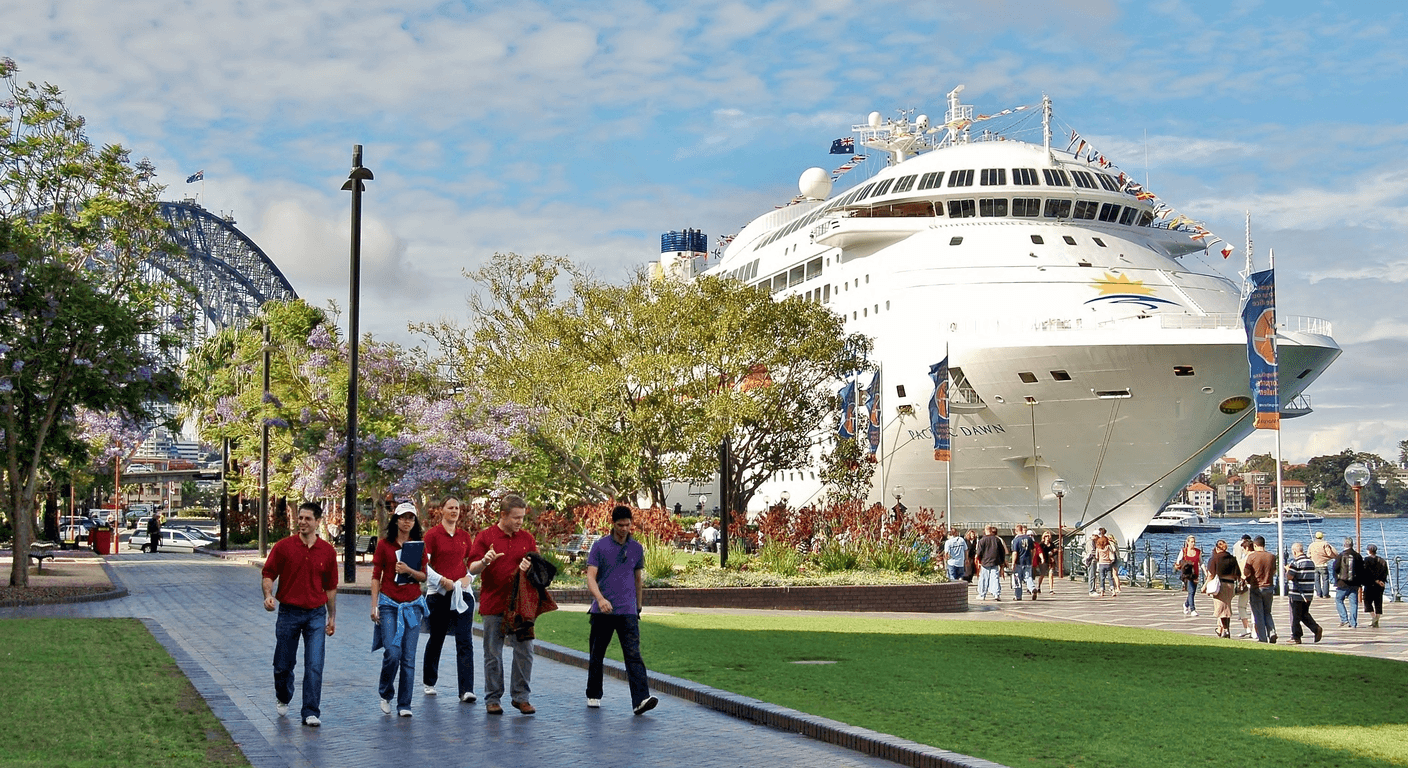
Accessibility at Australian home ports — Sydney's Overseas Passenger Terminal, the Brisbane International Cruise Terminal, Station Pier in Melbourne and Fremantle's Passenger Terminal — varies meaningfully. Sydney and Brisbane have invested in improved terminal infrastructure; Fremantle in particular has seen upgrades in recent years. That said, gangway gradients, the distance from drop-off to check-in, and the walk to your stateroom can collectively add up to significant exertion on embarkation day. Request a wheelchair or mobility assistance at the time of booking, not on the day — most lines require advance notice to guarantee it.
Port days are where new etiquette rules are most visible. Several popular ports — particularly in the Mediterranean and Pacific — have introduced restrictions on cruise passenger behaviour: no swimwear beyond the beach area, dress codes for entering towns or religious sites, and in some cases caps on the number of passengers allowed ashore at one time. Shore excursion operators are generally briefed on local rules, which is one reason booking through the ship's excursion desk, despite the premium, offers a degree of protection — if a port is skipped or access restricted, refunds are typically automatic.
Fly-Join Cruises from Australia: The Long-Haul Reality
Fly-join itineraries — where Australians fly to join a cruise departing from, say, Los Angeles, Barcelona or Singapore — remain popular with over-50 travellers who want access to itineraries that don't call into Australian ports. The logistics deserve honest attention. A Sydney-to-Los-Angeles flight runs roughly 13 to 15 hours; Sydney to Barcelona involves a stopover and can total 22 to 26 hours of travel. Arriving and boarding a ship the same day is manageable for some; for most over-50 travellers, a recovery night in the embarkation city is not a luxury but a practical necessity.
Jet lag on westward transatlantic routes is notoriously stubborn. Arriving in Los Angeles from Sydney means crossing many time zones in a direction the body finds harder to adapt to. Give yourself at least one full night — preferably two — before the cruise departs. The cost of an extra night's hotel is modest against the misery of spending the first two sea days horizontal.
Travel insurance for fly-join cruises warrants specific attention. Policies that cover cruising as an activity, pre-existing medical conditions, and missed port departures are essential — not optional. The Australian government's Smartraveller website (smartraveller.gov.au) is the authoritative starting point for understanding what your policy should cover and which destinations require additional consideration.
A Practical Honesty Note: Policies Change, and Change Fast
Everything described in this guide reflects the general direction of cruise line changes as understood in mid-2026. The cruise industry is not known for stability in its policy settings — loyalty program structures, dress code definitions, fee schedules and port access rules can and do change between when you read an article and when you sail. A specialty dining price quoted online today may be different by the time you board.
The single most important habit any Australian cruiser can develop in 2026 is direct verification: call or email the cruise line's Australian office, or ask your travel agent to confirm in writing the specific policies that apply to your booking, your loyalty status and your sailing date. Keep a copy. What a YouTube video or travel article describes — including this one — is a starting point for research, not a substitute for the current terms of your booking.
A specialist cruise travel agent who deals with Australian clients daily is genuinely useful here, not just for price comparison but for knowing which lines have Australian-specific terms, which loyalty desks respond to status match requests, and which fly-join ports require extra lead time for accessibility arrangements. That knowledge is worth the conversation.
Quick planning guide
| Ideal pace | Relaxed onboard, but front-loaded with research before booking |
|---|---|
| Best months | No specific season noted — timing matters more for policy and fee changes than climate |
| Suggested stay | 14 nights or longer, typical for Australian round-trip and fly-join itineraries |
| Mobility level | Moderate — gangway gradients and long terminal-to-stateroom walks; request assistance at booking |
| Cost level | Premium and rising, with specialty dining, Wi-Fi and gratuity fees all trending upward in 2026 |
| Comfort level | Good, with layering essential for cold air-conditioned public spaces |
| Best for | Experienced over-50 cruisers wanting to navigate 2026's loyalty, dress code and fee changes with confidence |
| Main planning consideration | Verify loyalty status, fees and accessibility arrangements directly with the cruise line before sailing |
Key takeaways
- Elegant nights on most major cruise lines now mean smart-casual with an upward lean — a structured blazer or quality wrap dress covers it, no gown or dinner suit required.
- Loyalty program thresholds have risen on several lines in 2026; confirm whether your past cruises still earn the tier you expect before rebooking.
- Australian travellers booking in AUD through local agents generally earn the same loyalty points, but onboard spend thresholds for bonus tiers may be calculated in USD — worth clarifying in advance.
- Specialty dining cover charges now run from roughly AUD 60 to AUD 150 per person per visit on premium lines; pre-purchase dining packages typically offer better value if you'll use them.
- For fly-join cruises, build at least one recovery night into your schedule before embarkation — jet lag on westward long-haul routes is real and not worth fighting on day one of a voyage.
- Request mobility or wheelchair assistance at the time of booking, not on embarkation day — most lines require advance notice to guarantee it at Australian home ports.
Recommended partners and links
Indicative prices only — always confirm with the operator before booking.
Frequently asked questions
Do Australian cruisers booking in AUD earn the same loyalty points as those booking in USD?
Generally yes — Australian passengers booking through local agents in AUD earn the same base loyalty points per night sailed as those booking directly. However, some lines calculate onboard spending thresholds for bonus points in USD, which can mean an AUD package falls marginally short of a qualifying tier. Confirm the specific earning rules for your booking directly with the cruise line's Australian loyalty desk or your travel agent before finalising.
What does 'elegant night' mean in practice on a cruise in 2026?
Most mainstream cruise lines have rebranded formal night as 'elegant evening' or similar, and the dress expectation has relaxed considerably. Smart-casual with care is the practical standard: for women, a neat dress, tailored trousers with a quality blouse, or a ponte ensemble; for men, a blazer over a collared shirt. A full tuxedo or floor-length gown is no longer required on most lines, though some luxury and ultra-premium lines maintain stricter standards. Confirm your specific ship's dress code before you pack.
How do I request mobility assistance for embarkation at Australian cruise ports?
Mobility or wheelchair assistance for embarkation and disembarkation should be requested at the time of booking — not on the day of sailing. Contact the cruise line directly or ask your travel agent to note the requirement on your booking. Australian ports including Sydney's Overseas Passenger Terminal, Brisbane International Cruise Terminal and Fremantle's Passenger Terminal have accessibility infrastructure, but the level of support varies and advance notice ensures it's arranged for your specific sailing.
Is formalwear hire available onboard cruise ships in 2026?
Some ships still offer onboard formalwear hire — dinner suits for men in particular — with indicative costs from around AUD 80 to AUD 180 for the voyage. Availability varies significantly by ship and cruise line and is not universal. If you're planning to rely on hire rather than packing your own, confirm availability directly with the cruise line before your sailing date.
What should Australians flying to join a cruise overseas know about travel insurance?
Travel insurance for fly-join cruises must specifically cover cruising as an activity, missed port departures, pre-existing medical conditions, and emergency medical evacuation at sea. Standard travel insurance policies often exclude one or more of these. The Australian government's Smartraveller website (smartraveller.gov.au) provides guidance on what adequate cruise travel insurance should cover. Always disclose pre-existing conditions when purchasing and read the product disclosure statement carefully.