Brisbane's purpose-built cruise terminal at Luggage Point, 12 kilometres from the CBD, has become a practical alternative to Sydney for South Pacific sailings. Shoulder-season departures (April–May, September–October) offer better availability, and a 10-night South Pacific itinerary suits most first-time cruisers over 60. Mobility on board is generally easy, though tender ports need checking. There's no direct train or bus to the terminal, so a taxi, rideshare or pre-booked transfer is essential.
What is the Brisbane International Cruise Terminal and where exactly is it?
The Brisbane International Cruise Terminal sits at Luggage Point, on the northern bank of the Brisbane River, roughly 12 kilometres from the Brisbane CBD. It is a purpose-built facility — not a converted wharf — and was designed from the ground up to handle large contemporary cruise ships. The terminal opened progressively from 2023 and moved into full operational capacity in 2024, replacing the older Portside Wharf arrangement for major home-port embarkations.
The building is a single large terminal hall with covered drop-off areas, check-in counters, passenger holding lounges, and baggage handling facilities all under one roof. Compared with older Australian cruise terminals, the layout is relatively logical for travellers managing luggage independently. Accessibility provisions include step-free entry, lifts, and accessible restrooms, though it is worth confirming the specific provisions for your sailing with your cruise line before travel, as gangway accessibility can vary by ship and tide.
Luggage Point is an industrial precinct, which means there is no surrounding café strip or street life to wander while you wait. Plan to arrive at the terminal itself, settle in, and rely on the terminal's own facilities. Bring a small carry-on bag with everything you need for embarkation day — medications, documents, a light jacket — so you are comfortable while your main luggage is processed.
How do you get to Luggage Point from Brisbane Airport or the CBD?
There is no direct train or bus service to the Brisbane International Cruise Terminal at Luggage Point. This is the most important practical point for any independent traveller to internalise before planning the day. The terminal is not on the TransLink rail or bus network in any useful way for passengers with luggage. For Victorians flying into Brisbane Airport, the realistic options are taxi, rideshare (Uber and similar), or a pre-booked private transfer.
From Brisbane Airport's domestic terminal, a taxi or rideshare to Luggage Point typically takes 15 to 25 minutes depending on traffic, and indicative fares run roughly AUD 40 to AUD 60 one way — confirm current metered rates with the driver or your rideshare app before confirming the booking. From the Brisbane CBD, fares are in a similar range. If you are travelling with a larger rolling suitcase and a carry-on, a standard rideshare sedan is usually manageable, but it is worth noting your luggage volume when booking so the driver arrives in an appropriate vehicle.
For solo travellers who prefer not to manage this independently, several Queensland-based coach and shuttle transfer operators offer cruise terminal transfers from the airport and CBD hotels; search for these through your cruise line's own pre-cruise transfer options or via Queensland-based ground operators. Prices vary; indicative shared shuttle fares from the airport run around AUD 25 to AUD 40 per person — always confirm current pricing and booking requirements directly with the operator. Allow at least 90 minutes from the airport to the terminal on embarkation day to account for baggage claim and any traffic delays.
Which cruise lines home-port at Brisbane and what should you expect?
Brisbane has attracted a solid roster of home-port operators. P&O Cruises Australia has historically been the most consistent presence, deploying ships on South Pacific and Queensland-coast itineraries out of Brisbane across the season. Royal Caribbean has scheduled Brisbane home-port sailings, including larger ships on South Pacific routes. Carnival Cruise Line and Princess Cruises have also operated from Brisbane, though deployment varies year to year and ship assignments change. It is always worth confirming the current season's schedule directly with each line, as Brisbane's home-port roster is still maturing.
Home-porting means you embark and disembark in Brisbane — no repositioning flights mid-trip. For Victorians, the typical pattern is a short Jetstar, Virgin or Qantas flight from Melbourne to Brisbane the day before sailing, an overnight in a Brisbane hotel near the airport or CBD, then transfer to Luggage Point on embarkation day. This adds a day and a modest cost to the trip, but it is far less taxing than flying to Sydney, and Brisbane's airport is generally less congested on embarkation mornings.
Lines vary considerably in atmosphere and demographic. P&O Australia and Carnival tend to attract a broader age range and can be livelier in public spaces. Princess and Holland America (which occasionally deploys from Australian ports) tend to skew older and quieter, which many travellers in their 60s and 70s find more comfortable for pacing. If a quieter shipboard environment matters to you, check the ship's reputation on travel forums like CruiseCritic before booking rather than relying solely on the line's marketing.
What itineraries typically depart from Brisbane?
The most common Brisbane departures fall into two broad categories: South Pacific island itineraries and Queensland-coast itineraries. South Pacific sailings typically run 10 to 14 nights and call at ports in Vanuatu (Lifou, Port Vila, Mystery Island), New Caledonia (Noumea, Isle of Pines), Fiji (Lautoka, Suva, Port Denarau), and sometimes the Solomon Islands or Papua New Guinea. These are warm-weather, island-hopping itineraries suited to travellers who want a relaxed mix of beach days, local markets, and sea days.
Queensland-coast itineraries are shorter — often 5 to 8 nights — and call at ports like Airlie Beach (gateway to the Whitsundays), Cairns, and sometimes Willis Island or Cooktown. These sailings suit travellers who want to see more of their own country at a gentle pace, with the option to take shore excursions to the Great Barrier Reef, Daintree, or the Whitsunday islands. Sea days on Queensland-coast routes are fewer, so the pace is more active.
For travellers over 60 considering their first cruise from Brisbane, a 10-night South Pacific sailing offers a good balance: enough sea days to genuinely rest, enough port days to feel you have seen something, and a straightforward itinerary without complex logistics at each stop. The South Pacific ports are generally easy to navigate independently or with a ship's tour. Ports like Port Vila in Vanuatu have a well-established tourist precinct close to the wharf, while smaller island stops like Mystery Island are essentially beach days within walking distance of the tender landing.
What do solo travellers need to know about single supplements and cabin choices?
The single supplement remains the most frustrating financial reality of cruising alone. Most cruise lines charge solo travellers a supplement on top of the per-person double-occupancy fare, because they are, in effect, occupying a cabin priced for two people. The standard single supplement is 100 per cent of the per-person fare — meaning a solo traveller pays the full double-occupancy cabin price. Some lines charge 50 to 75 per cent supplement, and a few offer solo-occupancy cabins at no supplement, but these are limited in number and tend to sell quickly.
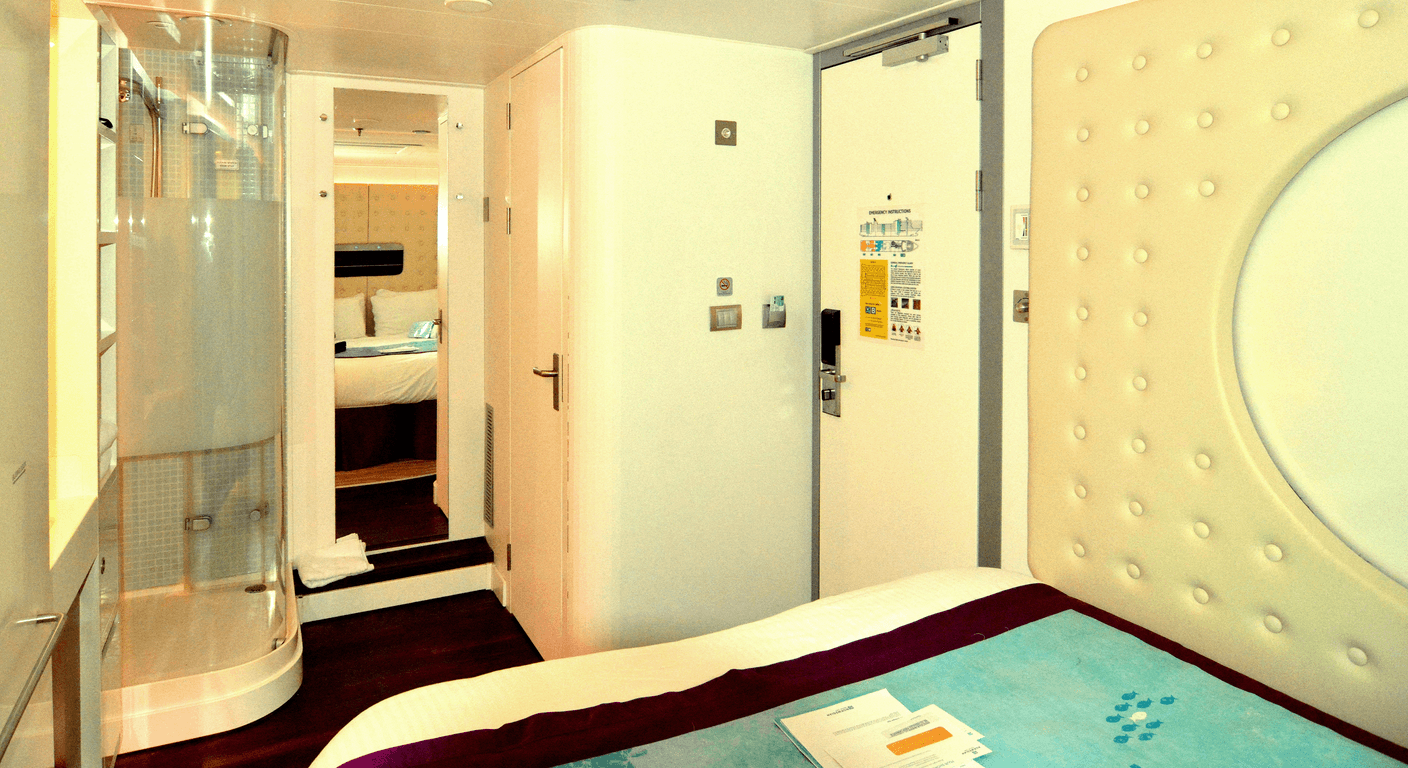
P&O Cruises Australia and Norwegian Cruise Line have at various times offered dedicated solo cabins (Norwegian's 'Studio' cabins are the most well-known example globally). Princess Cruises periodically runs reduced single-supplement promotions. The practical advice for a traveller booking 6 to 12 months out is to ask the cruise line or a travel agent directly: 'What is the single supplement on this sailing, and are there any solo-occupancy cabins available?' Get the answer in writing before committing. Prices and policies change; always confirm current terms with the operator.
On cabin type, an inside cabin is the most cost-effective choice for solo travellers who plan to spend most waking hours in public spaces rather than their room. If natural light matters to you for sleep or wellbeing, a cabin with a window (ocean-view) is worth the step up. Balcony cabins are a genuine pleasure on longer sailings — a quiet outdoor space of your own is valuable when you are travelling solo — but the price difference is substantial. For a 10-night South Pacific sailing, an inside or ocean-view cabin on a mid-size ship is a very comfortable base. Avoid booking the lowest deck inside cabins on older ships if you are sensitive to engine noise or vibration.
How accessible and manageable is cruising from Brisbane for travellers over 60?
Modern ships home-porting at Brisbane are generally well set up for passengers with mobility considerations: lifts throughout the ship, accessible cabin configurations, and shore excursion options that range from gentle walking tours to seated cultural experiences. That said, 'accessible' is not uniform. Tender ports — where the ship anchors offshore and passengers transfer to a small boat to reach land — can be genuinely difficult for anyone with balance issues, recent joint surgery, or significant mobility limitations. Check your itinerary for tender ports and ask the cruise line directly how they manage passengers who need assistance with the tender process.
Port Vila and Noumea in the South Pacific are generally dock ports (the ship ties up at a wharf), which makes disembarkation straightforward. Mystery Island and some smaller Vanuatu ports are tender-only. Queensland-coast ports like Cairns and Airlie Beach are typically dock ports, though conditions vary. Your cruise line's accessibility desk — not the general bookings line — is the right contact for specific questions about gangway angles, tender boarding, and mobility equipment storage on board.
Pacing on a cruise suits many travellers over 60 well: you unpack once, your accommodation travels with you, and you can choose to stay on board on any port day if you are tired or the weather is poor. The social structure of a ship means you are rarely isolated, which matters for solo travellers. Dining alone at a shared table is normal on most lines; many ships also offer a 'solo travellers' gathering in the first day or two of the voyage, which can be a low-pressure way to meet other independent travellers.
What practical steps should a Victorian traveller take before booking a Brisbane cruise?
Start by confirming the current home-port schedule for the season you want to travel. Brisbane's cruise calendar is published on each line's website and through the Port of Brisbane; itineraries and ship assignments are confirmed progressively, so check closer to your intended travel window. If you are flexible on dates, shoulder-season sailings (April–May and September–October) often have better cabin availability and can be less crowded on board.
Book your Brisbane pre-cruise hotel at the same time as your cruise. Staying near Brisbane Airport the night before embarkation simplifies the morning considerably — you avoid the CBD traffic and the transfer to Luggage Point is straightforward. Several airport hotels offer park-and-fly or fly-stay-cruise packages; confirm current options directly with the hotel. If you are flying from Melbourne, factor in that morning flights to Brisbane can be disrupted by fog or delay, so an afternoon arrival the day before sailing is safer than a same-day morning flight.
Travel insurance is essential and worth emphasising: ensure your policy covers cruise-specific scenarios including missed embarkation (if your Melbourne flight is delayed), medical evacuation at sea, and pre-existing conditions. The cost of medical care on a ship or emergency evacuation in the South Pacific without insurance is substantial. Compare policies through a reputable comparison service and read the product disclosure statement carefully before purchasing. Confirm with your insurer that the policy covers cruising in the specific regions your itinerary visits.
Quick planning guide
| Ideal pace | Relaxed, with sea days built in and optional shore excursions |
|---|---|
| Best months | April–May and September–October (shoulder season, better availability) |
| Suggested stay | 10 to 14 nights for South Pacific itineraries; 5 to 8 nights for Queensland-coast routes |
| Mobility level | Moderate — ships and dock ports are accessible, but tender ports and terminal transfers need checking |
| Cost level | Mid-range cruise fares, with solo travellers facing a 50–100% single supplement |
| Comfort level | Comfortable on board; the terminal itself is functional but has no surrounding amenities |
| Best for | Solo travellers and retirees over 60 wanting an easier, closer alternative to flying to Sydney |
| Main planning consideration | No direct train or bus to Luggage Point — arrange a taxi, rideshare or transfer in advance |
Key takeaways
- The Brisbane International Cruise Terminal is at Luggage Point, about 12 kilometres from the CBD, and there is no direct train or bus service — budget for a taxi or rideshare of roughly AUD 40–60 from the airport.
- P&O Cruises Australia, Royal Caribbean, Carnival, and Princess Cruises have all home-ported ships from Brisbane; confirm current season schedules directly with each line.
- South Pacific itineraries of 10 to 14 nights calling at Vanuatu, New Caledonia, and Fiji are the most common Brisbane departures for travellers over 50.
- The single supplement typically adds 50 to 100 per cent to the per-person fare for solo travellers; ask specifically about solo-occupancy cabins, which some lines offer in limited numbers.
- Tender ports — where you transfer to a small boat to reach shore — can be difficult for passengers with mobility limitations; check your itinerary and contact the cruise line's accessibility desk before booking.
- Travel insurance covering missed embarkation, medical evacuation at sea, and pre-existing conditions is essential for any cruise from Brisbane.
Recommended partners and links
Indicative prices only — always confirm with the operator before booking.
Frequently asked questions
Is there a train to the Brisbane cruise terminal at Luggage Point?
No. The Brisbane International Cruise Terminal at Luggage Point is not served by the TransLink rail or bus network in any practical way for passengers carrying luggage. Travellers should plan for a taxi, rideshare, or pre-booked private transfer. Indicative fares from Brisbane Airport run roughly AUD 40–60; confirm current rates before travel.
Which cruise lines sail from Brisbane?
P&O Cruises Australia, Royal Caribbean, Carnival Cruise Line, and Princess Cruises have all operated home-port sailings from Brisbane. Ship deployments change each season, so confirm the current schedule directly with each line's website before making plans.
What South Pacific ports does Brisbane typically sail to?
Common South Pacific ports on Brisbane itineraries include Port Vila and Mystery Island in Vanuatu, Noumea and the Isle of Pines in New Caledonia, and Lautoka or Suva in Fiji. Some itineraries also include Papua New Guinea or the Solomon Islands. Port combinations vary by line and sailing length.
How does the single supplement work for solo cruise travellers?
Most cruise lines price cabins for two people sharing, so a solo traveller typically pays a single supplement — usually 50 to 100 per cent of the per-person fare — to occupy a cabin alone. Some lines offer a limited number of purpose-built solo cabins at no supplement. Always ask specifically about solo pricing and solo cabin availability when enquiring, and confirm terms in writing.
Is the Brisbane cruise terminal accessible for passengers with limited mobility?
The terminal building at Luggage Point has step-free entry, lifts, and accessible restrooms. Accessibility on board varies by ship, and tender ports — where passengers transfer by small boat to reach shore — can be challenging for anyone with balance or mobility issues. Contact your cruise line's dedicated accessibility desk before booking to discuss your specific needs and confirm which ports on your itinerary are tender ports.
- Port of Brisbane — Brisbane International Cruise Terminal
- Carnival Cruise Line Australia (formerly P&O Cruises Australia) — Official Site
- Royal Caribbean International — Australia
- Princess Cruises — Australia & New Zealand
- Carnival Cruise Line — Australia
- TransLink — South East Queensland public transport