Deloraine, a riverside town in Tasmania's Meander Valley roughly halfway between Launceston and Devonport, suits a full day visit any time of year, with autumn and spring offering the richest river colour. Its defining highlight is the Yarns Artwork in Silk, a community-made textile display at the visitor centre. Mobility is easy, with flat, benched riverside paths. Access is by car (45–60 minutes from either city) or Redline coach; there is no train service.
Why Deloraine Works So Well as a Day Trip
Deloraine sits about 50 kilometres west of Launceston and roughly 60 kilometres south of Devonport, which makes it an easy hub for anyone arriving into either of those centres. Whether you are driving a hire car or coming off a Spirit of Tasmania sailing, the town is reachable without a long day on the road. The Bass Highway runs past it, but Deloraine itself has the feel of somewhere that has quietly stayed out of the way of through traffic.
For travellers who appreciate a day with a clear shape — somewhere to walk, something specific to see, a decent lunch, a browse through a shop or two — Deloraine delivers that structure without requiring any planning acrobatics. The town is compact, the footpaths are mostly level, and nothing important is far from anything else. That simplicity is genuinely useful when you are visiting a place for the first time and do not want to spend the day navigating.
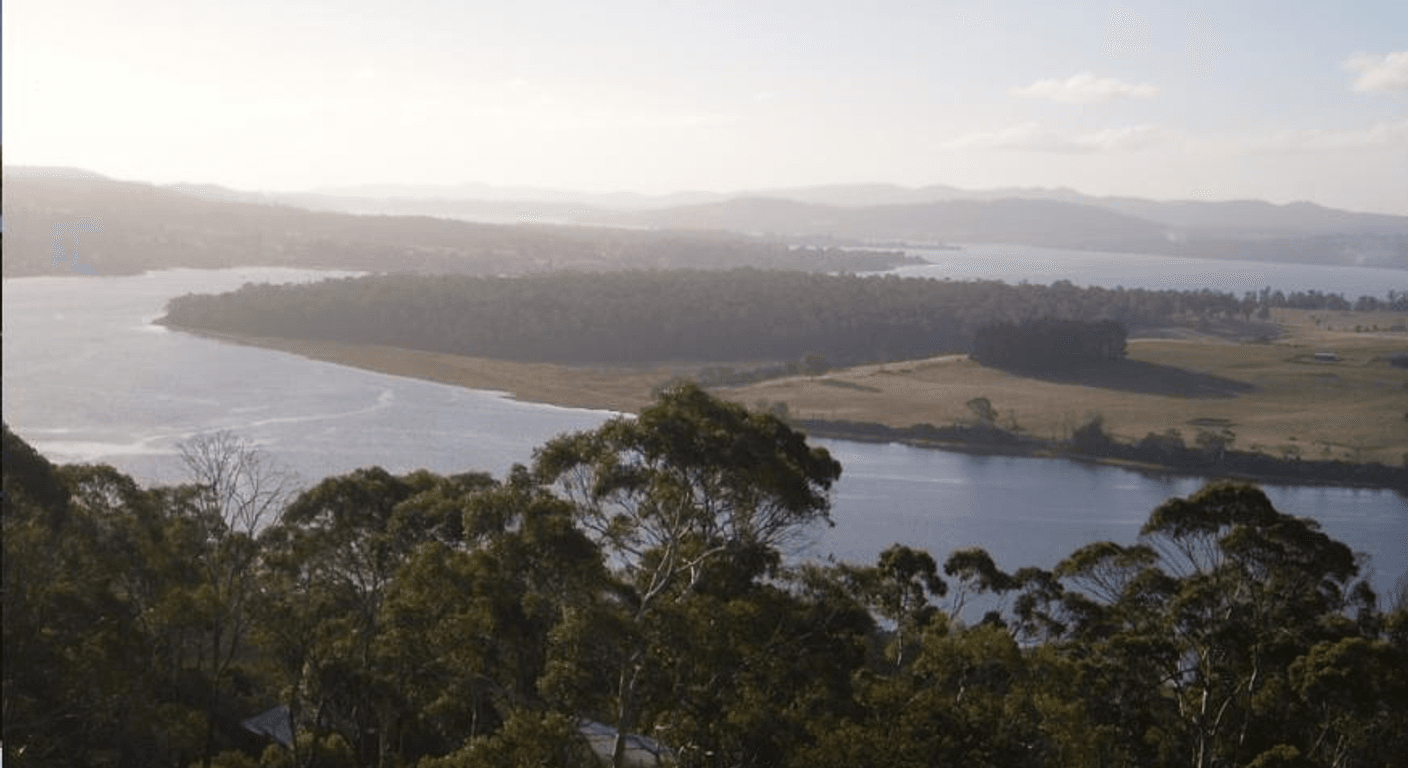
The Meander River runs along the town's southern edge, and the combination of water, willows and older sandstone buildings gives Deloraine a visual character that holds up across the seasons. It looks well in autumn colour, it is fresh in spring, and even a grey winter day has a certain quality here. It is the kind of place that rewards people who travel to notice things rather than to tick off sights.
What Is the Yarns Artwork in Silk, and Is It Worth Seeing?
The Yarns Artwork in Silk is the headline attraction at the Deloraine Visitor Centre and it earns that status. The work is a large-scale community-created silk embroidery depicting the four seasons of the Meander Valley, produced by hundreds of local contributors over many years. Up close, the detail is extraordinary — individual stitches forming landscapes, animals, domestic scenes and agricultural life. It is the kind of craft that stops people mid-step.
A small entry fee applies to view the Yarns display; the amount has varied over time so it is worth confirming the current charge directly with the visitor centre before you go. The space itself is accessible and the display is well lit, which matters when you are looking at fine textile work. Seating is available, and there is no pressure to move through quickly. For travellers with an interest in textiles, embroidery or community art, this is one of those rare regional displays that genuinely justifies a special trip.
The visitor centre staff are knowledgeable and unhurried, and they can point you toward local galleries, walking routes and other craft studios that are open on any given day. Deloraine has a long association with working artists and craft makers, so what is available shifts depending on the season and which studios are open. Checking in at the visitor centre first is a practical habit that saves walking to somewhere closed.
How Is the Riverside Walk, and Can You Manage It Comfortably?
The Deloraine riverside walk follows the Meander River on a mostly flat path with a sealed or compacted surface for much of its length. Benches are placed at regular intervals, which is a detail that matters more than it might sound — having somewhere to sit and watch the water without having to plan for it makes a real difference to how a walk feels. The path is suitable for most mobility levels, though some sections can be uneven closer to the water's edge, so it is worth checking underfoot conditions if you have any balance concerns.
The walk takes you past willows, ducks, and the occasional small rapid where the river quickens over stones. It is not a dramatic landscape but it is a genuinely pleasant one, and the pace of it encourages the kind of quiet noticing that a good walk should. You can do a short version of 20 to 30 minutes and feel satisfied, or extend it toward the edges of town if energy allows.
Deloraine's main street, Emu Bay Road, is a short walk from the river and connects the two parts of the day naturally — a riverside stroll before or after the Yarns display and lunch. The town is small enough that you will not feel you have missed anything by going slowly. That quality is worth noting for travellers who find that larger tourist towns can feel exhausting rather than restful.
Where to Eat and How Long Should You Linger?
Deloraine's cafes are the kind that handle a slow midday stop without fuss. They are used to day visitors who want to sit for a while, and the pace of service reflects that. Several cafes along the main street offer good coffee, locally sourced food and the sort of menu that works for lunch without being overly complicated. Portions are honest, prices are reasonable by Tasmanian standards, and you are unlikely to feel hurried out the door.
For travellers who appreciate food as part of the experience rather than just fuel, the Meander Valley is dairy country and local produce is a genuine feature of the region. Cheese, cream, bread baked that morning — these things show up in Deloraine in ways that feel grounded rather than performative. A slow lunch here is one of the better arguments for taking a day trip rather than rushing between major destinations.
Plan for a full day rather than a half day if you want to include the Yarns display, the riverside walk, lunch, a browse through the antique shops and any time at a gallery. A half day is possible if you are combining Deloraine with Mole Creek or a drive toward Mount Roland, but the town deserves more time than a quick pass-through. Arriving by late morning and leaving in the mid-afternoon gives you the right rhythm.
What Pairs Well with Deloraine — Mole Creek or Mount Roland?
Mole Creek is about 25 kilometres southwest of Deloraine and is best known for its limestone caves, managed by the Parks and Wildlife Service Tasmania. The Marakoopa Cave and King Solomons Cave both offer guided tours and are a comfortable option for travellers who enjoy underground geology without requiring serious walking. The cave interiors are cool regardless of the season, so a light layer is useful. Tour times are fixed, so it is worth checking the Parks Tasmania website for current schedules before building your day around them.
Mount Roland is a distinctive flat-topped mountain visible from much of the Meander Valley and the drive toward it through the small settlement of Claude Road is rewarding in itself. Most travellers over 60 will find the mountain best appreciated from the valley floor or from lookout points along the road rather than attempting the summit walk, which is a full-day undertaking on uneven terrain. The views from the lower reaches and the surrounding farmland are genuinely worth the short detour.
A sensible combination for a day trip from Launceston or Devonport is Deloraine in the morning, a cave tour at Mole Creek after lunch, and a return drive through the valley with time to stop for the scenery. That itinerary is not rushed and it gives each place its proper attention. Trying to add too much to either end of the day tends to reduce all of it.
Getting to Deloraine — Driving, Coaches and Practical Logistics
Driving is the most practical way to reach Deloraine, and hire cars are available from both Launceston Airport and Devonport. The drive from Launceston takes around 45 minutes to an hour via the Bass Highway and the road is well-maintained and clearly signed. From Devonport the drive is similar in length. Parking in Deloraine is not a problem — the town has free parking close to the main street and near the river.
Redline Coaches operates services connecting Launceston and Devonport with stops at Deloraine. This is a reasonable option for travellers who prefer not to drive or who are visiting without a hire car. Fares are indicative at around $15 to $20 one way but you should confirm current pricing and timetables directly with Redline before travelling, as schedules can vary seasonally. The coach stop is central and manageable on foot from there.
There is no train service to Deloraine. Travellers arriving into Devonport on the Spirit of Tasmania have a straightforward drive or coach connection, and many find that Deloraine makes a natural first stop on a Tasmanian itinerary before heading further inland. If you are travelling as part of a small group or with a companion, a hire car gives you the most flexibility for combining Deloraine with Mole Creek or the Mount Roland area.
A Few Honest Notes on Pacing and What to Expect
Deloraine is a working town, not a tourist construct. The antique and craft shops along the main street are genuinely stocked by locals, and the galleries show work by artists who live in the region. Some shops keep irregular hours or close on certain days of the week, particularly in winter. Checking opening hours before a special visit to a particular gallery or shop is a sensible precaution and saves disappointment.
The town can feel quiet on weekdays outside of school holidays, which is either a feature or a limitation depending on what you are looking for. For travellers who find busy tourist towns tiring, a quieter Deloraine is a pleasure. For those who like the energy of a crowd, weekends or the period around the Deloraine Craft Fair — held biennially in November — offer more activity. The craft fair is a significant regional event and the town fills considerably during that period.
Accessibility across the town is generally good for the main areas but less certain in some of the older buildings and shops, where steps and narrow doorways are common. The Yarns display at the visitor centre is accessible. The riverside path is manageable for most people but has some variation in surface. If you have specific mobility requirements, a quick call to the visitor centre before you travel will give you an honest picture of what to expect on the day.
Quick planning guide
| Ideal pace | Slow-paced and unhurried |
|---|---|
| Best months | Comfortable year-round; autumn and spring offer the best colour along the river |
| Suggested stay | Full day; a half day is workable if paired with Mole Creek |
| Mobility level | Easy — flat, benched riverside path, though some older shops have steps |
| Cost level | Budget-friendly — free parking, a small Yarns entry fee, coach fares around $15–20 |
| Comfort level | High — unhurried cafes, regular seating on the walk and an accessible visitor centre |
| Best for | Travellers over 60 who enjoy craft, textiles and gentle riverside scenery |
| Main planning consideration | Confirm the current Yarns entry fee and Redline coach timetable before travelling, and check shop hours, especially in winter |
Key takeaways
- Deloraine sits roughly halfway between Launceston and Devonport, making it an easy day trip from either city without a long drive.
- The Yarns Artwork in Silk at the visitor centre is a community-made textile display of genuine quality — a small entry fee applies, so confirm the current charge before visiting.
- The Meander River walk is flat, well-benched and manageable for most mobility levels, making it one of the more accessible riverside walks in regional Tasmania.
- Mole Creek caves and the Mount Roland scenery pair naturally with a Deloraine visit for travellers who want to extend the day without overloading it.
- Deloraine's cafes are unhurried and locally focused — plan for a slow lunch and give the town a full day rather than treating it as a quick stop.
- Redline Coaches connects Launceston and Devonport to Deloraine for those who prefer not to drive, but confirm current timetables and fares directly with Redline.
Recommended partners and links
Indicative prices only — always confirm with the operator before booking.
Frequently asked questions
How far is Deloraine from Launceston?
Deloraine is approximately 50 kilometres west of Launceston, a drive of around 45 minutes to one hour via the Bass Highway under normal conditions.
What is the Yarns Artwork in Silk in Deloraine?
The Yarns Artwork in Silk is a large-scale community embroidery displayed at the Deloraine Visitor Centre, depicting the four seasons of the Meander Valley through detailed silk stitching by hundreds of local contributors. A small entry fee applies; confirm the current price with the visitor centre before visiting.
Is the Deloraine riverside walk suitable for older or less mobile travellers?
The riverside walk along the Meander River is mostly flat with a sealed or compacted surface and benches at regular intervals, making it suitable for most older travellers. Some sections near the water's edge can be uneven, so those with balance concerns should check underfoot conditions on the day.
Can you get to Deloraine without a car?
Yes. Redline Coaches runs services between Launceston, Devonport and Deloraine. Fares are indicative at around $15 to $20 one way but you should confirm current prices and timetables directly with Redline Coaches before travelling, as schedules vary.
What else can you combine with a Deloraine day trip?
Mole Creek, about 25 kilometres southwest of Deloraine, offers guided limestone cave tours managed by the Parks and Wildlife Service Tasmania. The drive toward Mount Roland through the Meander Valley is also worth doing for the scenery, with the mountain best appreciated from the valley rather than attempted as a summit walk.