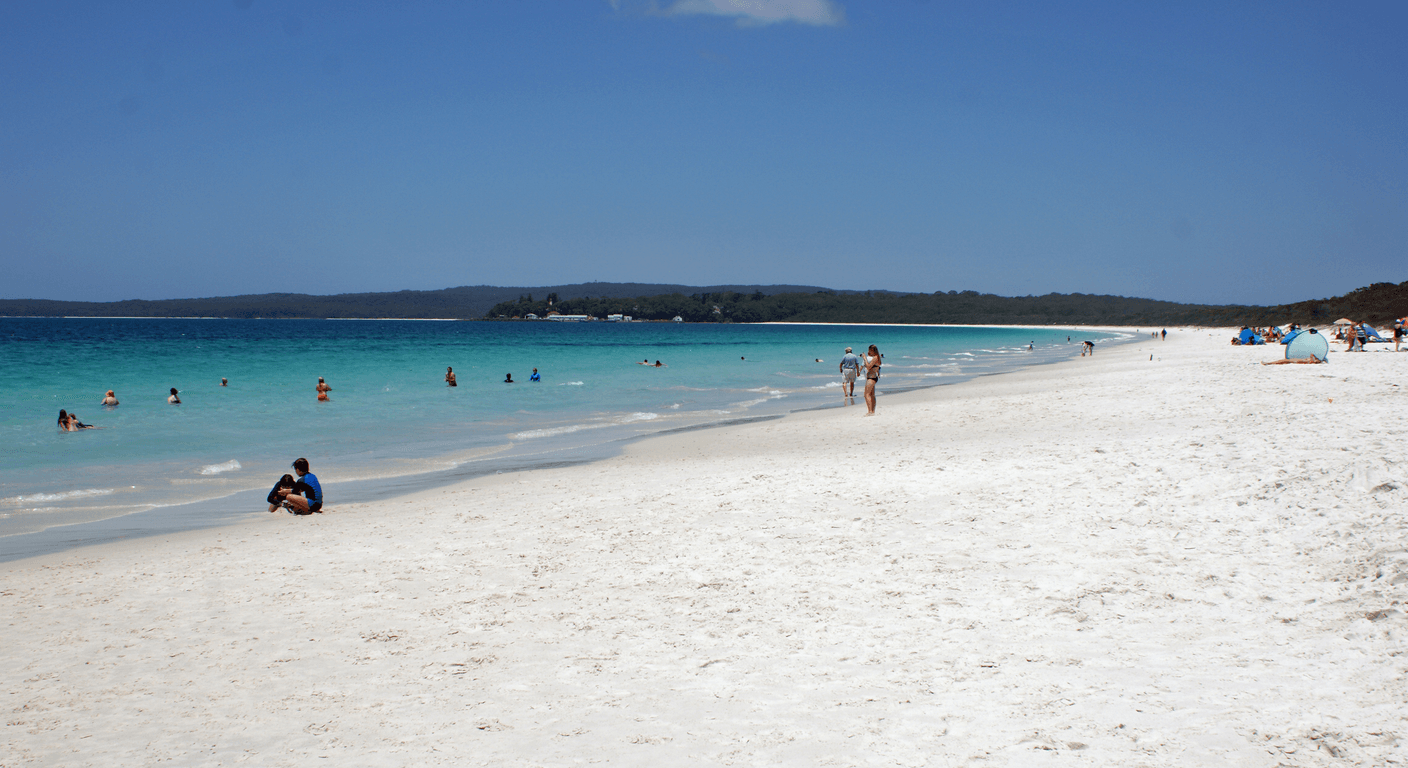
Forster-Tuncurry, where Wallis Lake meets the Tasman Sea, suits a relaxed week, best in the April-June or September-November shoulder seasons when crowds ease. The defining highlight is Wallis Lake — calm swimming, fresh oysters and dolphin cruises — plus free Forster Ocean Baths. Mobility is moderate: foreshore paths are flat and easy, though the baths' rock platform needs care. There is no train line; visitors reach the towns by coach via Taree or self-drive from Victoria.
Why Forster-Tuncurry works well for a week away
There is a particular kind of coastal town that does not try too hard, and Forster-Tuncurry is one of them. The two towns face each other across the mouth of Wallis Lake on the mid-north coast of New South Wales, connected by a short bridge and sharing a relaxed character that has not been entirely smoothed over by development. For a couple wanting a genuine week of rest — morning swims, a good coffee, a plate of oysters at lunch, an easy afternoon walk — this stretch of coast does the job without fuss.
The geography is what makes it work. Wallis Lake is calm, protected and warm enough for comfortable swimming well into autumn. The ocean beaches are right there too, with the added bonus of the Forster Ocean Baths for those who prefer their swim without surf. Flat paths run along the foreshore on both sides of the lake mouth. It is not a destination that demands a packed itinerary, which is precisely the point.
For Victorian travellers, the interstate dimension adds a pleasing sense of occasion without the complexity of flying overseas. You are in a different state, hearing different accents, eating different oysters — but you are still in Australia, with familiar comforts close at hand. That balance suits a lot of people in their sixties and seventies who want genuine travel without unnecessary stress.
Getting there from Victoria: coach, car or a mix of both
Forster-Tuncurry has no railway station, and no train line runs directly to the towns. This is worth knowing before you plan. From Melbourne, the most straightforward approach for those not driving is to take the train to Sydney — the XPT overnight service or the daytime service via VLine and NSW TrainLink — and then connect onward to Forster by coach. NSW TrainLink operates coach services to Taree on the mid-north coast, from which local connections to Forster are available. Check current timetables at transportnsw.info and confirm the Taree-to-Forster leg with Port Stephens Coaches or the MidCoast visitor centre.
Greyhound Australia also serves the Pacific Highway corridor with stops at Taree; from there a local connection or taxi into Forster covers roughly 50 kilometres. Indicative Greyhound fares from Sydney sit around $40–$70 one way depending on timing and booking window — confirm current prices directly on their website. The journey from Sydney by road takes around three hours in reasonable traffic, making a hired car or a private drive a genuinely comfortable option if you or your partner are happy driving a highway route.
Many couples choose to drive from Victoria over two days, stopping overnight in the Hunter Valley or Newcastle — both of which offer their own pleasures for older travellers. If you are comfortable on the Hume and Pacific highways, the self-drive approach gives you the freedom to load the car with your own gear, stop when you like and bring home a cooler box of oysters without worrying about airline restrictions. Parking in Forster itself is generally straightforward outside peak summer weeks.
The Forster Ocean Baths: a swim worth planning your morning around
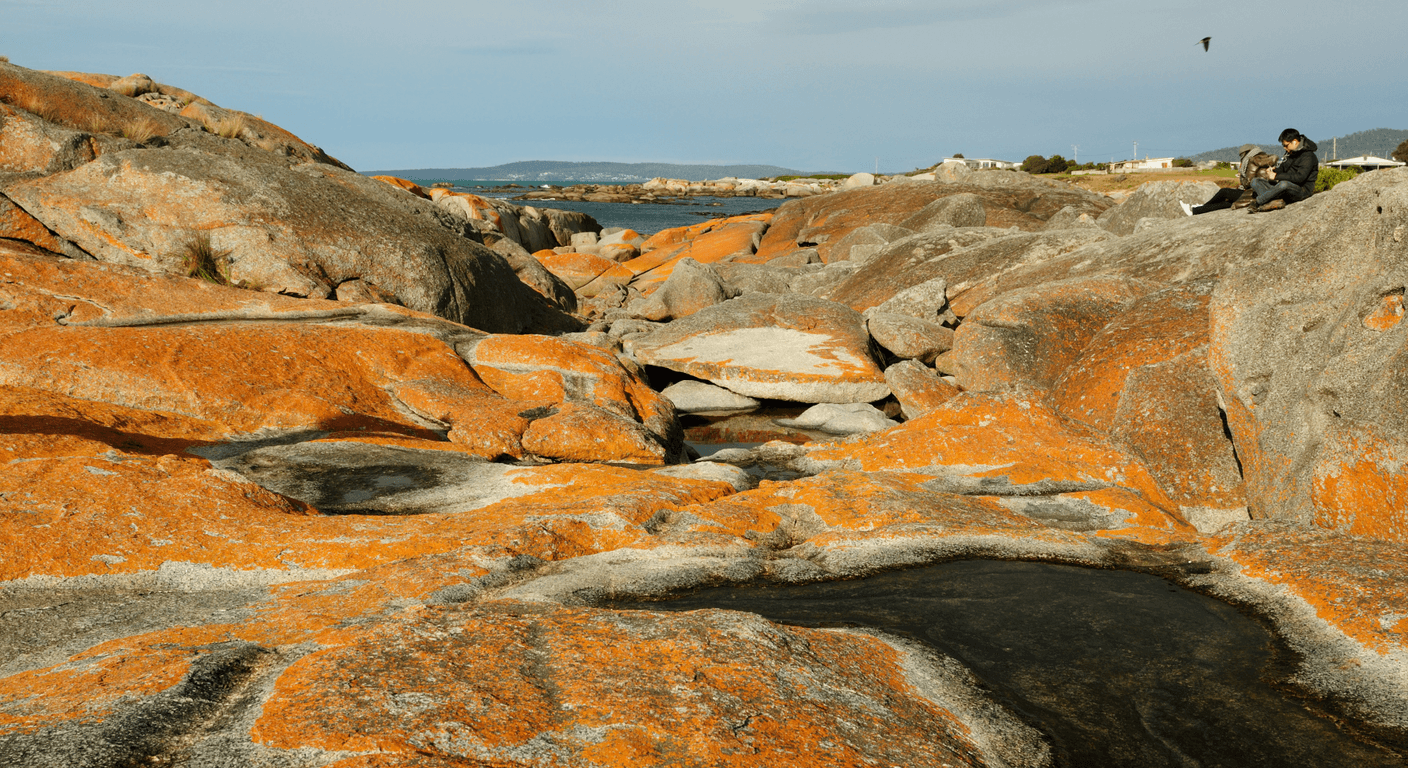
The Forster Ocean Baths sit at the southern end of Main Beach, carved into the rock platform and open to the sea. They are one of those old-fashioned public amenities that Australian coastal towns used to build as a matter of course, and Forster has maintained them well. The baths offer a sheltered pool of naturally refreshing ocean water without the unpredictability of surf, which makes them particularly well suited to older swimmers who want the sensation of a proper ocean swim without the physical demands of negotiating waves.
Access involves some steps and uneven rock-platform surfaces, so those with significant mobility concerns should inspect the entry point before committing to a swim. The surroundings are pleasant — there are benches nearby and the outlook across the Tasman is wide and open. Early mornings are the quietest time, and a swim followed by a walk back along the beach foreshore to a café makes for a very agreeable start to the day.
Entry to the ocean baths is free. They are not heated or staffed in the way a municipal pool might be, so you are largely looking after yourself. Water temperatures on the mid-north coast are warmer than Victoria's Port Phillip Bay for most of the year, which is one of the quiet pleasures of making the journey north.
Wallis Lake: calm water, oysters and a dolphin cruise
Wallis Lake is the centrepiece of the Forster-Tuncurry experience in a way that the ocean beaches, good as they are, cannot quite match. The lake is large, calm and lined with mangroves, sandflats and small bays. It is also one of the most productive oyster-producing waterways in New South Wales, and that fact shapes the food culture of both towns in a very direct way. You can buy oysters shucked fresh from local growers at the wharf, eat them with a squeeze of lemon and nothing else, and understand immediately why people return here year after year.
Dolphin Watch Cruises operates on Wallis Lake and offers guided cruises that take in the lake's wildlife, birdlife and oyster leases. Dolphins are genuinely resident in the lake system rather than occasional visitors, and sightings on cruises are common. Indicative adult fares sit around $40–$60 depending on the cruise type and duration — confirm current pricing and departure times directly with the operator at dolphinwatchcruises.com.au. The boats are generally accessible for older travellers, though it is worth calling ahead if mobility is a consideration.
The lake foreshore on the Forster side offers flat, paved walking paths that run for a comfortable distance without demanding hills or rough surfaces. This is one of the genuinely good things about the town for older couples: you can walk at your own pace along the water's edge, sit on a bench and watch pelicans work the shallows, and feel no pressure to cover ground quickly. The Tuncurry side has its own foreshore character, and the short drive or walk across the bridge gives a slightly different perspective on the same waterway.
The breakwall walks and what to expect on foot
Both Forster and Tuncurry have rock breakwalls that extend into the lake mouth, and walking them is one of the classic local activities. The Forster breakwall in particular offers a straightforward out-and-back walk on a flat, wide surface with open water views on both sides. It is the kind of walk that feels purposeful without being demanding — you walk out, you look at the horizon, you watch the boats, you walk back. For a couple who enjoy a morning constitutional with something to look at, it is well suited.
The surface is concrete and generally even, though wind can be a factor on exposed days. Sensible footwear and a hat are sufficient preparation. The walk takes perhaps 20 to 30 minutes at a relaxed pace each way, and there is no obligation to go to the end. Fishing is popular off the breakwall, and you will often share the space with locals who have been walking the same stretch for decades.
If you want more varied terrain, the Booti Booti National Park south of Forster offers some walking tracks through coastal forest and to the beach, managed by NSW National Parks and Wildlife Service. Some tracks are more accessible than others — check the NSW National Parks website at nationalparks.nsw.gov.au for current track conditions and accessibility notes before you go.
When to go and what shoulder season actually means here
Forster-Tuncurry is a popular summer destination for Sydney and Hunter Valley families, which means January and the school holiday periods bring crowds, higher accommodation prices and busier beaches. For a couple travelling without those school-calendar constraints, the shoulder seasons — April through June and September through November — offer a notably different experience. The towns are quieter, the water is still warm enough for comfortable swimming well into May, and accommodation operators are more willing to negotiate on rates or offer better mid-week deals.
Autumn on the mid-north coast is particularly gentle. The humidity of summer has eased, the light is clear, and the oyster season is in good form. A week in April or May gives you almost everything summer offers without the noise. Winter brings cooler evenings and the occasional rainy stretch, but daytime temperatures remain mild by Victorian standards, and the baths and lake are still usable for hardier swimmers.
Indicative accommodation costs vary considerably by season and property type. A comfortable motel or self-contained unit in shoulder season might run around $120–$200 per night — treat these figures as a rough guide only and confirm current rates directly with accommodation providers. The MidCoast Council visitor information centre is a useful first stop for current listings and can direct you toward options suited to your needs.
Practical notes for the trip: pacing, accessibility and local eating
A week in Forster-Tuncurry works best when you resist the urge to fill every day. Two activities per day — a morning swim and an afternoon cruise, or a breakwall walk and a long lunch — is about right for a relaxed holiday at this stage of life. The town is small enough that you will not feel you are missing something by staying put, and the rhythm of the lake and ocean sets a natural pace that most people find restorative rather than dull.
For those with dietary habits shaped by a Mediterranean background, the fresh seafood here is excellent and plentiful. Wallis Lake oysters, local prawns and grilled fish appear on most menus in both towns. There are also good bakeries, cafés and a supermarket for self-catering if you are in a unit with a kitchen. The local IGA and Woolworths in Forster cover everyday needs without difficulty.
Mobility considerations are worth thinking through in advance. The flat foreshore paths and ocean baths access have been noted above, but the town itself has some gentle gradients and the rock platform around the baths requires care. If one partner has knee or hip concerns, the lakeside paths are the most forgiving option. The dolphin cruise operators are worth calling directly to discuss boarding access. Overall, Forster-Tuncurry is more accessible than many coastal towns of comparable size, though it is not uniformly flat.
Quick planning guide
| Ideal pace | Slow-paced — two activities a day, no packed itinerary |
|---|---|
| Best months | April–June and September–November (shoulder season, warm water and thinner crowds) |
| Suggested stay | About a week |
| Mobility level | Moderate — flat lakeside and breakwall paths, but uneven rock platform at the ocean baths |
| Cost level | Mid-range, with better value in shoulder season (indicative $120–$200/night) |
| Comfort level | Comfortable and familiar, with local supermarkets, cafés and self-contained units |
| Best for | Couples wanting a genuine, unhurried week of swimming and fresh seafood |
| Main planning consideration | No train line — access is by coach via Taree, hire car, or a two-day self-drive from Victoria |
Key takeaways
- Forster-Tuncurry has no rail connection — travellers reach the towns by coach via Taree, hired car or a two-day self-drive from Victoria via the Pacific Highway.
- The Forster Ocean Baths are free, open to the sea and offer a sheltered swim without surf — well suited to older swimmers, though entry involves some uneven rock-platform surfaces.
- Wallis Lake dolphin cruises run with indicative fares around $40–$60 per adult; confirm current pricing and accessibility directly with Dolphin Watch Cruises.
- Wallis Lake oysters can be bought fresh from local growers at the wharf, making a plate of shellfish at lunch one of the most direct pleasures of the trip.
- Shoulder season — April to June and September to November — offers quieter beaches, milder crowds and more flexible accommodation pricing than the January peak.
- The flat lakeside foreshore paths on both the Forster and Tuncurry sides are among the most accessible and pleasant walking options in the twin towns.
Recommended partners and links
Indicative prices only — always confirm with the operator before booking.
Frequently asked questions
Is there a train to Forster-Tuncurry?
No. Forster-Tuncurry does not have a railway station. The nearest rail connection is via NSW TrainLink to Taree, from which coach or taxi services cover the approximately 50-kilometre journey to Forster. Check current timetables at transportnsw.info and confirm the Taree-to-Forster leg with local operators or the MidCoast visitor centre.
How long does it take to drive from Sydney to Forster-Tuncurry?
The drive from Sydney to Forster-Tuncurry takes roughly three hours in reasonable traffic, primarily via the Pacific Highway to Nabiac and then east to the coast. Traffic on the highway can extend this during peak holiday periods.
Are the Forster Ocean Baths accessible for older or less mobile swimmers?
The Forster Ocean Baths are free and open to the public, but access involves steps and uneven rock-platform surfaces. They are suitable for many older swimmers, but those with significant mobility limitations should inspect the entry point before committing to a swim. The baths are not staffed.
When is the best time of year for seniors to visit Forster-Tuncurry?
Shoulder season — April through June and September through November — is generally the best time for older couples. The towns are quieter, the water remains warm enough for swimming well into autumn, and accommodation is more affordable and easier to secure than during the January school holiday peak.
Where can you buy fresh oysters in Forster-Tuncurry?
Wallis Lake oysters can be bought freshly shucked from local growers at the Forster wharf area, and they appear on menus throughout both towns. The MidCoast visitor information centre can advise on current direct-purchase options from growers.