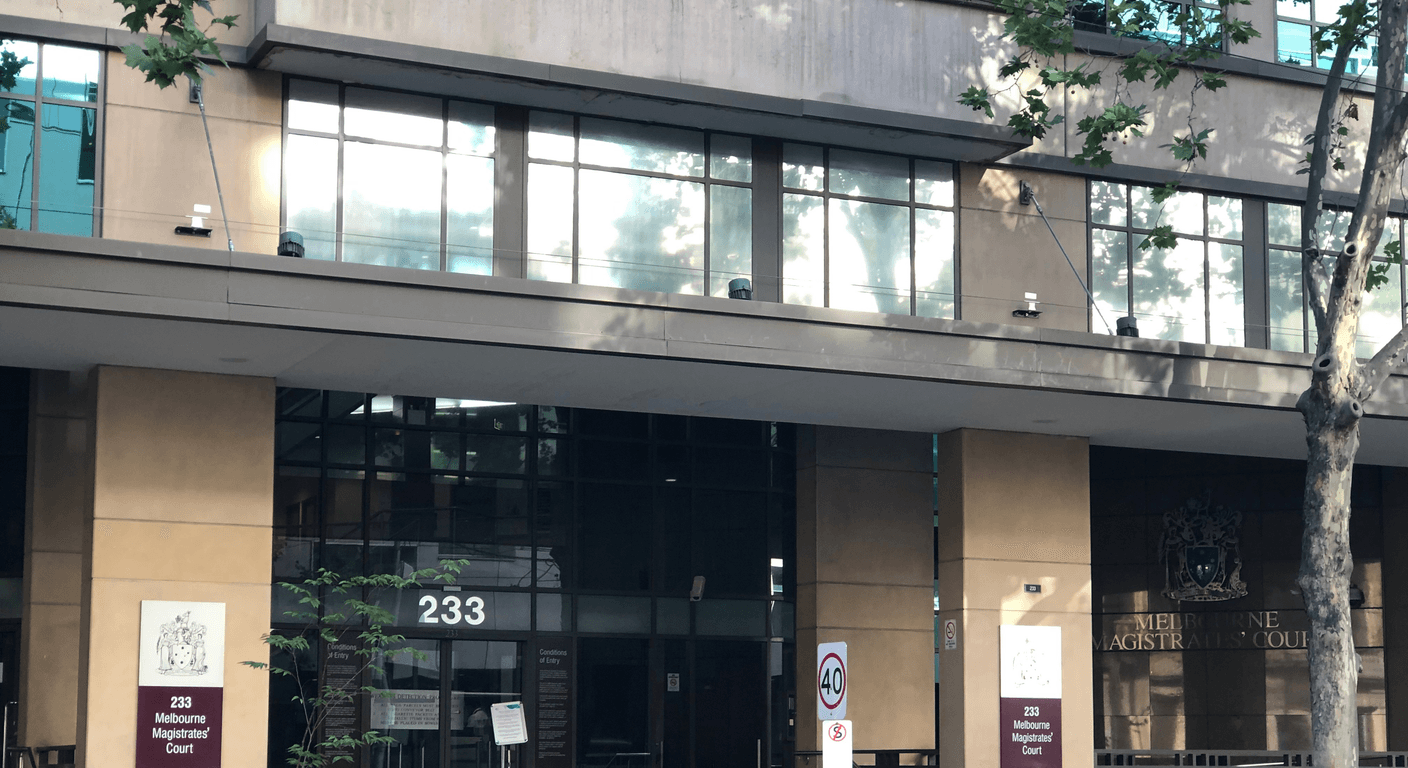
Community legal centres are independent, not-for-profit organisations offering free legal information and advice to people who can't afford private solicitor fees, including older Australians dealing with consumer disputes, wills, tenancy or elder financial abuse. There are more than 170 across Australia, most means-tested, with phone and video appointments standard. Search by location and area of law at clcs.org.au, or confirm eligibility directly with the centre before attending.
Why legal help is worth knowing about before you need it
Most people don't think about legal services until something has already gone wrong — the builder who took a deposit and disappeared, the landlord threatening an unfair eviction, the family conversation about a will that's been put off for years. By the time the problem feels urgent, stress makes it harder to think clearly and find the right help. Knowing the landscape in advance changes that.
For Australians over 50, the legal questions that tend to arise are fairly predictable: consumer rights, estate planning, tenancy, superannuation access, and — increasingly — elder financial abuse. None of these require a specialist solicitor for the initial conversation. Australia's community legal sector exists precisely to give people a clear, plain-English picture of their situation before they decide whether to go further.
This guide is general information only. It maps the services available and explains what each one covers. For advice on your specific situation, contact the relevant service directly — they're trained for exactly that conversation, and it won't cost you anything to ask.
What are community legal centres, and what can they actually help with?
Community legal centres (CLCs) are independent, not-for-profit organisations that provide free legal information, advice and in some cases representation to people who can't afford private legal fees. There are more than 170 of them across Australia, ranging from generalist centres in regional towns to specialist services focused on areas like housing, family violence or consumer law. Most operate on a means-tested basis — that is, they prioritise people on lower incomes or facing disadvantage — but eligibility varies, so it's always worth calling to ask.
For an older person in regional Victoria, for instance, the local CLC might handle a dispute with a retirement village operator, a problem with a home care service contract, or a question about whether a fine or debt is legally enforceable. Phone and video appointments have become standard at most centres since 2020, which matters enormously for anyone who can't easily travel to a city office. The National Association of Community Legal Centres maintains a directory at clcs.org.au where you can search by location and area of law.
One practical note: CLCs are often busy, particularly in regional areas where there are fewer services overall. If you're told there's a wait, ask whether they can refer you to another service in the meantime, or whether Legal Aid in your state can assist. These organisations work within the same network and refer to each other regularly.
Seniors rights services: the specialist option
Several states fund dedicated seniors rights services — organisations that focus specifically on the legal and advocacy needs of older people. These are worth knowing about because they bring specialist knowledge that a generalist CLC may not have, particularly around aged care, elder abuse and retirement living contracts.
In Victoria, Elder Rights Advocacy (era.asn.au) provides free, independent advocacy for older people receiving residential aged care or home care packages. They're not a legal service in the strict sense, but they understand the regulatory framework inside out and can help you you work through a complaint or dispute with a care provider — often the first step before any formal legal action becomes necessary. Similar services exist in other states: Seniors Rights Service in New South Wales (seniorsrightsservice.org.au) offers free legal advice and social work support; COTA Australia (cota.org.au) can point you toward state-based equivalents.
Elder financial abuse — where an older person's money or assets are misused, often by someone they trust — is an area where these specialist services are particularly valuable. If you suspect this is happening to you or someone you know, the specialist services have trained staff who understand both the emotional complexity and the legal options. The federal government's 1800ELDERHelp line (1800 353 374) is also a starting point for anyone unsure where to turn.
Law society referral schemes and Legal Aid: when you need to go a step further
If a community legal centre or seniors rights service has given you initial advice and you need to take things further — say, a formal letter of demand, representation at a tribunal, or a proper will drafted — a law society referral scheme can bridge the gap between free services and full private fees. Most state and territory law societies operate a scheme where a private solicitor offers a first appointment at no cost or a significantly reduced rate. The Law Council of Australia (lawcouncil.asn.au) lists member law societies and their contact details.
Legal Aid commissions in each state and territory provide free legal help to people who meet income and asset tests, and in some cases to people facing serious legal matters regardless of means. Legal Aid is most commonly associated with criminal matters and family law, but many commissions also have community legal education resources and can provide referrals for civil matters. Check your state's Legal Aid website directly — search for 'Legal Aid' plus your state name — and confirm current eligibility criteria, because they do change.
One thing worth understanding: even if you don't qualify for full Legal Aid or CLC representation, these organisations will often still give you information and point you in the right direction. A ten-minute call to ask 'am I eligible and who should I speak to?' costs nothing and can save a lot of wasted effort.
Common legal questions older Australians ask — and where to start
Wills and estates come up constantly, and understandably so. A basic will is not legally complex, but it does need to be properly executed to be valid — and the consequences of getting it wrong fall on the people left behind, not on you. Many community legal centres can advise on whether your existing will is legally sound and what to do if it isn't. Some state governments also offer low-cost will-drafting services through trustee corporations — the State Trustees in Victoria (statetrustees.com.au), for example, offers will services at a published fee schedule that's worth comparing to private solicitor rates.
Tenancy disputes — including issues with retirement village contracts, which are governed by their own legislation in each state — are another common area. If you're in a standard rental property, your state's tenancy authority is the first port of call: Consumer Affairs Victoria (consumer.vic.gov.au) in Victoria, NSW Fair Trading (fairtrading.nsw.gov.au) in New South Wales, and equivalent bodies elsewhere. These agencies have free information and dispute resolution services that don't require a solicitor at all.
Consumer disputes — a contractor who didn't finish the job, a product that failed, a service that wasn't delivered as promised — fall under Australian Consumer Law, which gives you real rights regardless of age. The Australian Competition and Consumer Commission (accc.gov.au) and state consumer agencies can explain those rights and, in some cases, help pursue a complaint. For smaller disputes, state civil and administrative tribunals (VCAT in Victoria, NCAT in New South Wales, and so on) are designed to be accessible without legal representation, and filing fees are modest — confirm current fees on the relevant tribunal's website.
Getting help when you're in a regional or rural area
Regional access to legal services has historically been patchy, and that's still true in some areas. But phone and video appointments have genuinely transformed what's possible. Most of the services listed in this guide will take a call or schedule a video consultation — you don't need to drive three hours to a city office for an initial conversation. When you call, ask explicitly about remote options if you haven't seen them mentioned.
Some CLCs run outreach days in regional towns on a regular schedule — a solicitor visits a local community centre or library and holds appointments. It's worth asking your nearest CLC whether they do this, and when the next one is. Local councils sometimes coordinate these visits and may have information through their community services teams.
Interpreter services are available through most legal services at no extra cost — a fact that matters for Australia's many older residents who are more comfortable speaking in a language other than English. If you need an interpreter, mention this when you first make contact so the service can arrange one. The Translating and Interpreting Service (TIS National) at tisnational.gov.au is also available 24 hours for urgent situations.
How to make the most of a free legal appointment
A free appointment is usually time-limited — commonly around 30 minutes. Going in prepared makes a significant difference to what you get out of it. Before you call or attend, write down a clear, chronological summary of the issue: what happened, when, who was involved, and what outcome you're hoping for. Gather any relevant documents — contracts, receipts, correspondence, notices — and have them within reach.
Be specific about what you're asking. 'What are my rights here?' is a reasonable starting question, but 'Is this contract clause enforceable, and what's my best first step?' gets you further in a short appointment. If the solicitor or adviser mentions a time limit or deadline — for lodging a complaint, filing at a tribunal, or responding to a notice — write it down immediately. Missing a legal deadline can close off options that were otherwise available.
Finally, don't be put off if the first service you contact can't help with your specific issue. Referrals within the legal assistance sector are common and expected. Ask 'who would be the right service for this?' and follow the thread. The system is more connected than it looks from the outside.
Quick planning guide
| Who it's for | Australians over 50 with legal questions on consumer rights, wills and estates, tenancy, superannuation access or elder financial abuse who can't afford private solicitor fees. |
|---|---|
| How to start | Search the directory at clcs.org.au for a local community legal centre, or contact a state seniors rights service directly to ask about eligibility. |
| Typical cost | Free at community legal centres and seniors rights services; law society schemes offer a free or reduced-cost first appointment; tribunal filing fees are described as modest but should be confirmed on the relevant tribunal's website. |
| Time required | A free appointment is usually time-limited, commonly around 30 minutes. |
| Where to get help | Community legal centres (clcs.org.au), state seniors rights services such as Elder Rights Advocacy (era.asn.au) and Seniors Rights Service NSW (seniorsrightsservice.org.au), COTA Australia, Legal Aid commissions, law society referral schemes, 1800ELDERHelp (1800 353 374), and TIS National for interpreters. |
| Key documents needed | A written chronological summary of the issue plus relevant documents such as contracts, receipts, correspondence and notices. |
| Main planning consideration | Eligibility for free services is often means-tested and varies by centre, so it's worth calling ahead to ask rather than assuming you don't qualify; note any deadlines mentioned during the appointment. |
| Renewal or review | Legal Aid and other eligibility criteria can change, so confirm current rules directly with the relevant service before relying on them. |
Key takeaways
- Community legal centres across Australia provide free legal information and advice to people who meet eligibility criteria — search by location at clcs.org.au.
- Dedicated seniors rights services in each state offer specialist help with aged care, elder abuse and retirement living contracts that generalist services may not cover.
- Phone and video appointments are standard at most free legal services, making them genuinely accessible for older Australians in regional and rural areas.
- Law society referral schemes can connect you with a private solicitor for a free or reduced-cost first appointment when you need to go beyond initial advice.
- For tenancy disputes, consumer complaints and small civil claims, state tribunals and consumer agencies are designed to be used without a solicitor — and their filing fees are modest.
- Interpreter services are available at no extra cost through most legal assistance services — ask when you first make contact.
Recommended partners and links
Indicative prices only — always confirm with the operator before booking.
Frequently asked questions
Is there a free legal service specifically for older Australians?
Yes. Several states fund dedicated seniors rights services — including Elder Rights Advocacy in Victoria (era.asn.au) and Seniors Rights Service in New South Wales (seniorsrightsservice.org.au) — that provide free advice and advocacy on issues affecting older people, including aged care, elder financial abuse and retirement village contracts. Community legal centres also assist older Australians with a broader range of legal issues. Confirm current eligibility and wait times directly with the relevant service.
Can I get free legal help if I live in a regional area?
Yes. Most community legal centres and seniors rights services offer phone and video appointments, so you don't need to travel to access help. Some CLCs also run outreach visits to regional towns — contact your nearest centre to ask. The Translating and Interpreting Service (tisnational.gov.au) can arrange interpreter support at no cost for those who need it.
What legal issues can a community legal centre help with?
Community legal centres can advise on a wide range of civil legal matters, including consumer disputes, tenancy problems, debt, wills and estates, family law, and discrimination. Coverage varies by centre. Search for a centre near you at clcs.org.au and check what areas of law they cover before you call.
Do I qualify for Legal Aid?
Legal Aid in each state and territory is means-tested — eligibility depends on your income, assets and the nature of your legal problem. Legal Aid is most commonly available for criminal and family law matters, but commissions can also provide referrals for civil issues. Check your state Legal Aid website directly for current eligibility criteria, as they change periodically.
What should I do if I think I'm experiencing elder financial abuse?
Contact 1800ELDERHelp (1800 353 374), a free national line that can direct you to specialist support in your state. Seniors rights services and community legal centres can also advise on legal options. If you believe a crime has been committed, contact your state police. Act sooner rather than later — some legal remedies have time limits.
- Community Law Australia — Find a Community Legal Centre
- Elder Rights Advocacy Victoria
- Seniors Rights Service NSW
- COTA Australia — representing older Australians
- Law Council of Australia — member law societies
- Australian Competition and Consumer Commission
- Consumer Affairs Victoria
- State Trustees Victoria — Wills and Estates
- National Debt Helpline
- Translating and Interpreting Service (TIS National)