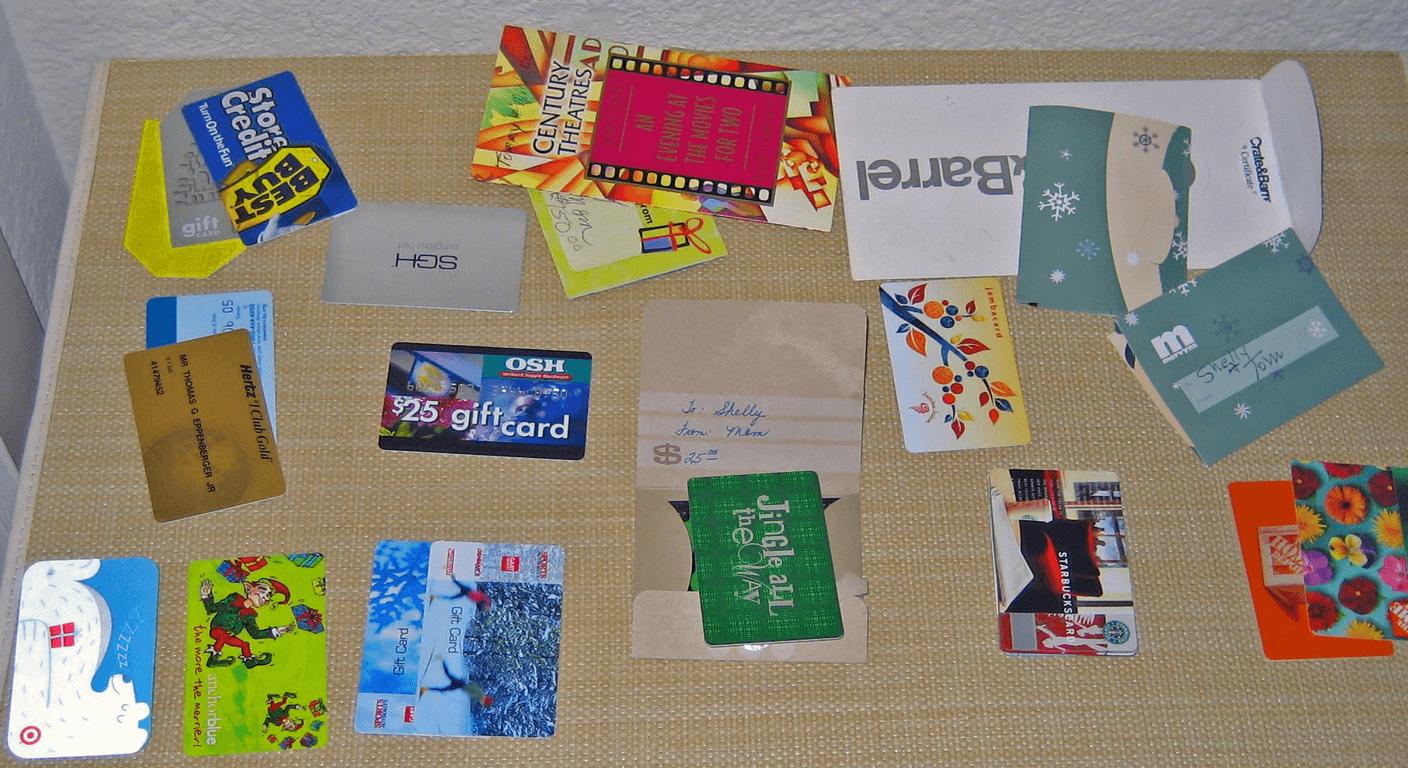
Gift cards have become a staple of travel planning for older Australians — useful for budgeting a cruise deposit, a hotel stay or a rail journey. But the rules around expiry, lost cards and fraud are poorly understood, and scammers know it. This guide sets out your actual rights under Australian consumer law, the one scam you need to recognise immediately, and exactly where to go if something goes wrong.
Why Gift Cards Matter to Over-50 Travellers
Gift cards have quietly become part of how many older Australians manage travel spending. A Myer, Flight Centre or accommodation gift card received at Christmas gets tucked into a purse or desk drawer, earmarked for the next big trip. For those on fixed incomes or managing household budgets carefully, they can be a genuinely useful tool — a way to spread travel costs, or to let family contribute to a holiday without handing over cash.
The problem is that gift cards sit at the intersection of several risks: unclear expiry terms, no protection if lost, and an increasingly sophisticated scam industry that uses them as an untraceable payment method. Understanding how the rules actually work — not how retailers sometimes present them — is straightforward once you know where to look. This guide draws on publicly available information from the ACCC and state fair trading offices. It is general information only, not legal or financial advice; confirm the specifics of your situation with the ACCC or your state fair trading office.
The Three-Year Minimum Expiry Rule: What Australian Law Actually Says
Since 1 November 2019, most gift cards sold in Australia must have an expiry period of at least three years. This is a national rule under the Australian Consumer Law, and it applies regardless of what the card itself says. If you purchased a gift card after that date and it shows an expiry of less than three years, the retailer is in breach. The minimum three-year period starts from the date of purchase, not the date you first use the card.
There are some exemptions. Cards sold for a specific good or service — a particular concert, a single restaurant meal, or some charity-specific cards — may have different rules. Cards that are part of a loyalty program where there is no purchase price may also sit outside the legislation. The ACCC's gift cards information page at accc.gov.au sets these out clearly, and it is worth reading before assuming any card in your wallet is covered.
One practical point that catches people out: the three-year minimum applies to the expiry of the card itself, not necessarily to bonus credit or promotional balances sometimes loaded on top. If a retailer added a promotional amount to your gift card as part of a sale, that additional credit may have a shorter life. Read the terms of any promotional gift card carefully, and when in doubt, contact the retailer in writing so you have a record.
What Happens If You Lose a Gift Card?
Here is the genuinely honest downside of gift cards that most guides gloss over: if you lose a gift card and you do not have proof of purchase, most retailers will not replace it. Australian consumer law does not require retailers to replace lost or stolen gift cards. The card is treated much like cash — whoever holds it can use it.
Some retailers do offer replacement if you can provide the original purchase receipt and, in some cases, the card number. A handful of retailers allow you to register your card online, which creates a record of the balance and sometimes enables a replacement process. If you receive or purchase a gift card with a significant value, registering it immediately — where the retailer's website allows — is worth doing. Keep the original receipt somewhere separate from the card itself.
If you believe a gift card has been fraudulently used by someone else — for instance, if you suspect a scammer obtained the card details — you can report it to your state fair trading office and to Scamwatch. Recovery is not guaranteed, but a formal report creates a record and contributes to broader enforcement action. Consumer Affairs Victoria can be reached at consumer.vic.gov.au for Victorian residents; other states have equivalent offices listed on the ACCC's website.
The Gift Card Payment Scam: Recognise It Immediately
No legitimate business, government agency, utility company, bank, or travel provider will ever ask you to pay a debt, fine, fee or invoice using gift cards. Not ever. This is the single most important sentence in this guide. If someone contacts you — by phone, text, email, or even in person — and instructs you to buy gift cards and provide the card numbers as payment, it is a scam. Full stop.
The scam works because gift card transactions are fast, largely anonymous, and almost impossible to reverse once the numbers have been handed over. Scammers impersonate the Australian Taxation Office, Medicare, Australia Post, Telstra, banks, and — increasingly — travel companies and accommodation providers. The caller often creates urgency: a fine about to be issued, a flight about to be cancelled, a package held at customs. The pressure is deliberate. It is designed to stop you thinking clearly.
Scamwatch reports that older Australians are disproportionately targeted by this method, partly because scammers assume less familiarity with the tactic. In reality, once you know the rule — gift cards are never legitimate payment for any official or business debt — the scam becomes easy to identify. If you receive such a call, hang up. Do not call back on any number the caller provides. Report the contact to Scamwatch at scamwatch.gov.au, where you can lodge a report in a few minutes online.
Common Scenarios and How to Handle Them
A few situations come up repeatedly. Someone calls claiming to be from the ATO, saying you owe a tax debt and will be arrested unless you pay immediately in iTunes or Google Play gift cards. This is a scam. The ATO does not operate this way. Hang up and report it. Someone emails saying your Airbnb or hotel booking has a payment issue and asks you to settle it via gift card. This is a scam. Contact the platform directly using the official website or app.
A retailer tells you your gift card has expired even though you purchased it after November 2019 and it has been less than three years. In this case, you have grounds to raise the matter formally. Start by putting your complaint in writing to the retailer, citing the Australian Consumer Law requirements. If the retailer does not resolve it, contact your state fair trading office or the ACCC. You do not need a lawyer to do this — the complaint forms are straightforward.
You have received a gift card as a gift and have no receipt. If the card has an expiry that appears to be less than three years from purchase, ask the person who gave it to you for the receipt. If that is not possible, contact the retailer directly with the card number — some can look up the purchase date in their system. It is worth making the enquiry before assuming you have no recourse.
Where to Complain and Who Can Actually Help
The ACCC is the national regulator for consumer matters including gift card rules. Their website at accc.gov.au has clear guidance and an online complaint form. For matters involving a specific retailer, the ACCC may refer you to your state or territory fair trading office, which handles individual disputes directly. In Victoria, that is Consumer Affairs Victoria at consumer.vic.gov.au. In New South Wales, it is NSW Fair Trading at fairtrading.nsw.gov.au. Every state has an equivalent body, and the ACCC website lists them.
For scams — whether or not you have lost money — report to Scamwatch at scamwatch.gov.au. If you have provided personal information such as your bank details or identity documents to a scammer, contact IDCARE at idcare.org. IDCARE is a free, not-for-profit service that helps Australians respond to identity theft and data breaches. They are genuinely useful and not well enough known.
If a significant amount of money is involved and you are not getting resolution through fair trading channels, a community legal centre or consumer law solicitor can advise on your specific situation. Legal Aid offices in each state also provide guidance. Senior Travel Australia takes no commissions from any service mentioned in this guide. These are simply the official and established channels available to all Australians.
Practical Habits That Protect You
A few simple habits make a real difference. Keep the receipt for every gift card you purchase or receive — a photo on your phone is fine. If the retailer offers card registration, do it at the time of purchase. Use gift cards reasonably promptly rather than letting them sit for years; even with the three-year minimum, balances are easier to track when the card is in active use. Check the balance before you travel so you are not caught short at a hotel desk.
When travelling with friends — particularly in a group where costs are shared — be clear about who holds which cards and what the balances are. A quick note in a shared travel document or group chat avoids confusion. If a card is used partially, note the remaining balance somewhere you will find it. The moment a scammer calls while you are mid-trip and already managing multiple payments is exactly when the pressure tactic is most effective. Having a calm, pre-agreed rule — gift cards are never legitimate payment — means you do not have to think it through under pressure.
Finally, talk about this with the people you travel with. Many older Australians who fall victim to gift card scams say they were embarrassed to mention the call they received. There is nothing embarrassing about being targeted by a sophisticated fraud operation. The embarrassment belongs entirely to the people running the scam. Sharing what you know with friends is one of the most effective ways to reduce the reach of these schemes.
Key takeaways
- Gift cards purchased in Australia after 1 November 2019 must have a minimum three-year expiry period under Australian Consumer Law.
- No legitimate business, government agency or travel provider will ever ask you to pay using gift cards — if asked, it is a scam.
- Lost gift cards are not automatically replaced; keep your purchase receipt and register the card online where the retailer allows it.
- Report gift card scams to Scamwatch at scamwatch.gov.au, even if you did not lose money — your report helps protect others.
- If a retailer refuses to honour a gift card within its legal expiry period, complain in writing to the retailer first, then escalate to your state fair trading office.
- IDCARE (idcare.org) provides free support if you have shared personal or financial information with a scammer.
Recommended partners and links
Indicative prices only — always confirm with the operator before booking.
Frequently asked questions
Do all gift cards in Australia have to last at least three years?
Most do. Gift cards sold in Australia after 1 November 2019 must have a minimum three-year expiry under Australian Consumer Law. Some exemptions apply — including cards for a specific event or service, and some charity or loyalty program cards. Confirm whether your card is covered at accc.gov.au.
Can I get a refund or replacement if my gift card expires before I use it?
If the card was purchased after 1 November 2019 and expired in under three years, the retailer may be in breach of Australian Consumer Law. Put your complaint in writing to the retailer citing the law, and if unresolved, contact your state fair trading office. If the card expired within the legal terms, a refund is not generally required by law.
What should I do if someone asks me to pay a bill using gift cards?
Do not pay. No legitimate business, utility, government agency or travel company asks for payment in gift cards. Hang up or close the communication immediately. Report the contact to Scamwatch at scamwatch.gov.au.
I gave my gift card details to a scammer. What do I do now?
Contact the gift card retailer immediately and explain what happened — in some cases they may be able to freeze the remaining balance. Report the scam to Scamwatch at scamwatch.gov.au. If you shared personal or banking information, contact IDCARE at idcare.org for free identity recovery support.
Where do I complain if a retailer won't honour my gift card?
Start with a written complaint to the retailer. If unresolved, contact your state fair trading office — Consumer Affairs Victoria at consumer.vic.gov.au for Victorians, NSW Fair Trading at fairtrading.nsw.gov.au for NSW residents, and so on. The ACCC at accc.gov.au lists all state and territory bodies and also accepts complaints directly.