October is peak wildflower season in the Grampians, roughly three hours' drive from Melbourne via the Western Highway. A day trip is possible but a one-night stay in Halls Gap is smarter — it earns you the golden-hour light and a calmer start. The defining experience is walking the quieter tracks beyond the famous lookouts: think heath, wattle and spider orchids underfoot. Mobility rating: Moderate, with Easy boardwalk alternatives. Entry to most wildflower tracks is free.
Why October, and why the quieter tracks?
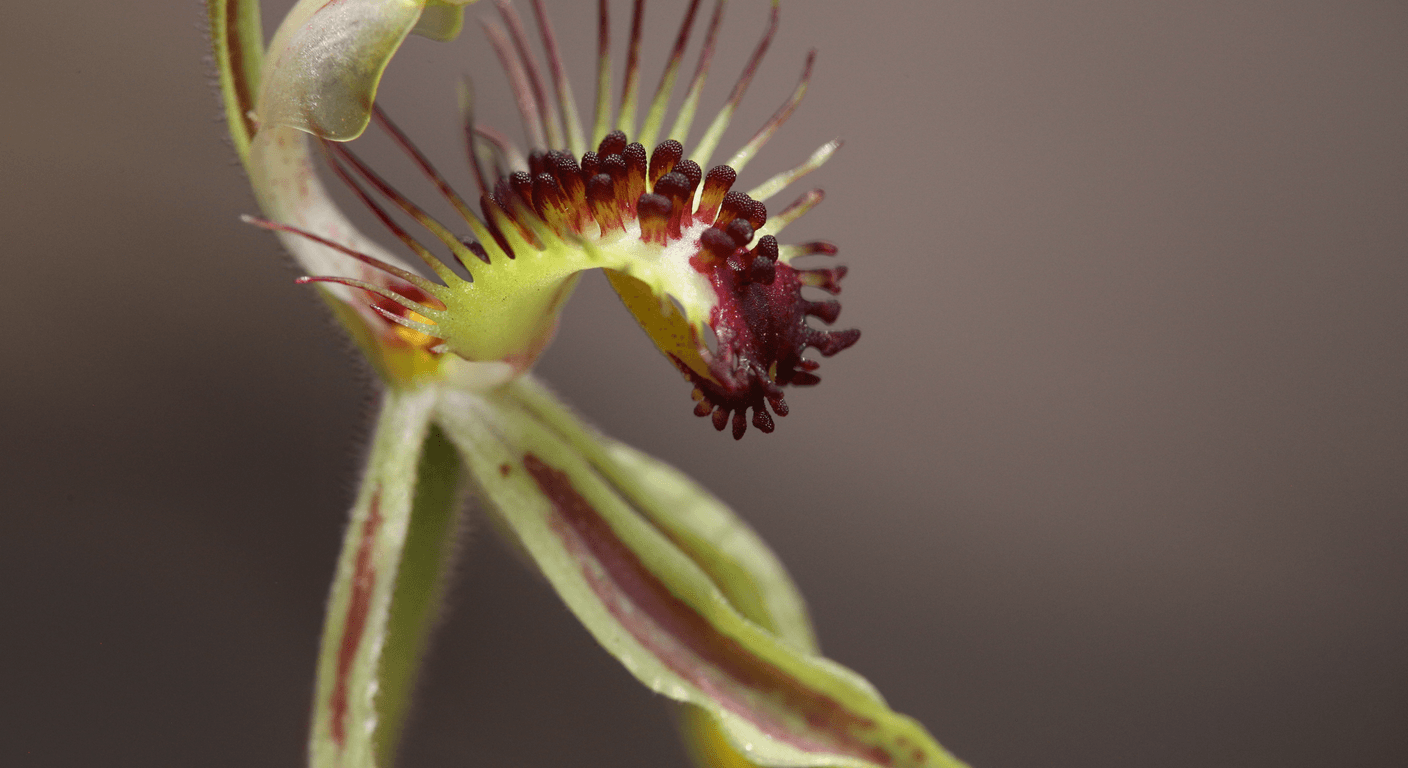
Everyone knows the Grampians for the Pinnacle and Mackenzie Falls. Far fewer people know what's happening at ground level in October — and that's precisely why it's worth going. The heath understorey explodes in the second and third weeks of the month: pink trigger plants, yellow billy buttons, the extraordinary purple of native hovea, and if you're paying attention, spider orchids in the damper gullies. These aren't the kind of flowers you see from a car window. You have to walk to them, slowly, eyes down.
The wildflower display in Gariwerd — the Djab wurrung and Jardwadjali name for the ranges, and increasingly the preferred name — is genuinely one of Victoria's great seasonal events, and it remains far less crowded than the equivalent in Western Australia. That's partly because the Grampians Wildflower Festival (held annually in late September to mid-October in Halls Gap) brings some visitors in, but the park itself absorbs them easily. Mid-week in October, you can walk the quieter tracks — Sundial Car Park to Sundial Peak, the lower Wonderland Loop sections, the Borough Huts area — and have long stretches entirely to yourself.
The famous viewpoints are still worth doing. But if you've already ticked the Pinnacle, consider spending your October energy on the tracks that most day-trippers skip. The reward is disproportionate to the effort.
Getting there from Melbourne: the honest driving picture
Halls Gap is roughly 260 kilometres from Melbourne's CBD — call it three hours in reasonable traffic via the Western Highway (M8) through Ballarat, then the Grampians Road north into the park. Google Maps will say 2 hours 45 minutes; allow three hours and plan a stop in Ararat or Stawell for fuel and a stretch. Ararat's main street has a serviceable bakery. Stawell has a Woolworths if you want to grab lunch supplies cheaply.
The Western Highway is dual carriageway almost all the way to Stawell — it's not a punishing drive, but three hours each way in one day does add up. Leaving Melbourne by 7:30am gets you into Halls Gap by 10:30am, which is a reasonable start time for walking. Leaving Halls Gap by 4:30pm has you home before dark in October, when daylight stretches to around 8pm. That's a long day and not everyone's idea of relaxed. The case for staying one night is strong — and the accommodation in and around Halls Gap is genuinely good value by Victorian standards.
There is no direct public transport from Melbourne to Halls Gap that works practically for a day trip. V/Line runs a coach service to Stawell (check vline.com.au for current timetables and fares), from which you'd need a taxi or pre-booked car to reach Halls Gap — roughly 25 kilometres further. It's doable but requires planning. For solo travellers without a car, the Grampians Wildflower Festival sometimes organises shuttle services from Stawell during the festival period; confirm with the festival organisers directly.
The shape of a good October day in Gariwerd
A realistic October day, assuming you've stayed overnight or driven up the evening before: rise at 7am, which in Halls Gap in October means cool air and kangaroos grazing on the oval. Coffee first — more on that shortly. By 8:30am, drive the five minutes to the Sundial Car Park at the base of the Wonderland Range. The car park has toilets. This matters. Note it.
The lower section of the Wonderland Loop (roughly 4.4 kilometres return to the Balconies-adjacent section, not to be confused with the Balconies walk itself further south) takes most walkers around two hours at a relaxed pace. The track surface is rocky in sections but well-marked. There are flat rest points with views roughly every 20 minutes. You are unlikely to be the only person there, but you won't be in a crowd either, mid-week. By 10:30am you're back at the car park.
From there, drive south to the Borough Huts area — about 15 minutes from Halls Gap, signposted off Grampians Road. This is where the wildflowers genuinely earn their reputation. The heath flat between the car park and the first creek crossing is extraordinary in a good October: a low carpet of everlastings, sundews and wattles with the ranges behind them. It's flat. It's quiet. The walking is easy to moderate. Allow 90 minutes for a gentle out-and-back. Picnic here if you've brought lunch — there are no facilities, but the setting is exactly why you came. Back in Halls Gap by 1:30pm, coffee and a sit-down, then the Mackenzie Falls car park by 3pm if you have the legs for it (the falls walk involves a significant descent and ascent — skip it without guilt if the morning has been enough).
Which tracks suit which mobility level?
The Grampians has a wider range of accessible walking than most visitors realise. The Halls Gap Wetlands boardwalk is the standout for anyone who needs a firm, flat, non-slip surface: it's a 1.5-kilometre loop on raised boardwalk through reed beds and wetland vegetation on the edge of town, with bird hides, interpretive signage, and zero steps. In October it's alive with frogs and waterbirds, and the surrounding heath adds colour. It's genuinely lovely and it takes about 40 minutes at an easy pace. Toilets are available at the nearby Halls Gap Visitor Information Centre.
For moderate walkers, the Venus Baths walk (2.6 kilometres return from Sundial Car Park) is one of the most rewarding short tracks in the park — rocky creek pools, fern gullies and wildflowers along the creek margins. The surface is uneven in places and there are some stepping-stone creek crossings, but nothing that requires scrambling. Allow 1.5 hours return. Trekking poles are genuinely useful here.
The harder walks — the Pinnacle, Mount Difficult, Major Mitchell Plateau — are for people who walk regularly and are comfortable with steep, exposed terrain. They're not appropriate for a first visit on an October day when afternoon thunderstorms are possible. There's no shame in doing two easy to moderate walks well rather than one hard walk badly. Parks Victoria's website lists grade ratings for every track; check them before you go, and trust the ratings.
Coffee, lunch and where to sit down in Halls Gap
Halls Gap is a small town and its café scene reflects that — a handful of options, not all of them open every day of the week in shoulder season. The most reliably good coffee in town, as of mid-2025, comes from The Kookaburra Restaurant and Café on Grampians Road, which does a flat white for around $6–$7. The Halls Gap Lakeside Tourist Park also has a café that opens early and is popular with campers — flat white under $7, bacon and egg roll around $12. Confirm current prices with each venue, as these things shift.
For lunch, the IGA supermarket on Grampians Road is your friend if budget is the priority — it's a small but decent supermarket where you can put together a picnic for well under $20. The Grampians Peaks Brewing Company does a counter lunch on weekends and some weekdays in season; a burger and a schooner of local lager runs around $35–$40 for one person, which is reasonable for a regional pub meal. Check their current trading hours before you plan around them.
One thing to know: card surcharges are common in Halls Gap. Some venues charge 1–2% on card transactions. Carry a small amount of cash if this irritates you, which it should.
A solo traveller's perspective on doing this alone
Halls Gap is one of the more comfortable regional Victorian towns for solo travellers — it's small enough to feel safe, busy enough in October that you're never the only person around, and the walking tracks are well-frequented during daylight hours without being crowded. Telling someone your intended route before you head out is still good practice, as it is anywhere in a national park. The Parks Victoria visitor centre in Halls Gap (on Grampians Road) is worth a ten-minute stop on arrival: the rangers are genuinely helpful, the track condition information is current, and they'll tell you which sections had recent storm damage or are temporarily closed.
Solo accommodation in Halls Gap carries the usual single-supplement sting. Most motels and holiday units price by the room rather than per person, which works in a solo traveller's favour — you're paying the same rate as a couple for the same room. YHA Halls Gap offers private single rooms at a significantly lower price point than motels, roughly $80–$100 a night for a private room; confirm current rates directly with the YHA. For anyone comfortable with a cabin-style setup, the Halls Gap Lakeside Tourist Park has cabins that suit solo travellers well at around $120–$150 a night for a basic cabin in October. These are indicative figures — confirm before booking.
The Grampians Wildflower Festival, if your dates align, is a genuinely good solo experience. Guided wildflower walks are led by botanists and passionate locals, and the group format means you're walking with like-minded people rather than alone. Check the festival program at grampianswildflowerfestival.com.au for current dates and whether guided walks are ticketed or free.
Weather, what to pack, and the things October will throw at you
October in the Grampians is spring in the most honest sense: warm mornings, the real possibility of an afternoon thunderstorm, and occasionally a cold front that drops the temperature to single digits by late afternoon. The Bureau of Meteorology's Halls Gap forecast is your friend — check it the morning you leave Melbourne, not the night before, because it changes fast. The ranges create their own micro-weather; it can be raining at the Pinnacle while Halls Gap township is dry and sunny.
What to pack for a day's walking: layers you can peel off by 10am and add back by 3pm, a waterproof shell (not optional — a compact packable one takes no space and earns its keep), comfortable walking shoes with ankle support and grip, a full water bottle per person (minimum 1.5 litres for a half-day walk), sunscreen, and a hat. Trekking poles are worth bringing if you own them — the rocky sections of Wonderland Loop are noticeably more comfortable with them. A small first aid kit and a fully charged phone are standard national park sense.
The wildflowers themselves are at their best in the two weeks after decent spring rain — a dry September can push peak bloom later into October. Rangers at the Halls Gap visitor centre will tell you honestly what's flowering and where when you arrive. Don't drive three hours on a rigid schedule; build in the flexibility to follow the best advice you get on the ground.
Quick planning guide
| Ideal pace | One night in Halls Gap, two relaxed days of walking |
|---|---|
| Best months | Late September to mid-October for peak wildflower display |
| Suggested stay | 1 night minimum; 2 nights if you want to do it properly |
| Mobility level | Moderate (Easy alternatives available on boardwalk sections) |
| Cost level | Low — most tracks are free; budget around $150–$200 per night for accommodation |
| Comfort level | Comfortable, with good facilities in Halls Gap |
| Best for | Solo travellers, couples, anyone who wants nature without a tour group |
| Main planning consideration | October weather is unpredictable — morning frost and afternoon thunderstorms are both genuinely possible on the same day |
Key takeaways
- October is peak wildflower season in the Grampians, with spider orchids, everlastings and native heath at their best — and most tracks are free to walk.
- Halls Gap is three hours from Melbourne via the Western Highway; a one-night stay is smarter than a long day return if your knees or energy levels have a say.
- The Borough Huts area and the lower Wonderland Loop offer the best wildflower walking for moderate fitness; the Halls Gap Wetlands boardwalk is flat, firm and genuinely beautiful for less mobile visitors.
- Solo travellers pay room rates rather than per-person rates at most Halls Gap accommodation, which softens the usual single-supplement problem — YHA Halls Gap is the budget standout.
- October weather in the Grampians is genuinely unpredictable: pack a waterproof shell, layers and a full water bottle regardless of what the morning looks like.
- A flat white in Halls Gap costs around $6–$7; most of the best wildflower walking costs nothing at all — this is one of Victoria's best-value spring outings.
Recommended partners and links
Indicative prices only — always confirm with the operator before booking.
Frequently asked questions
When exactly do the Grampians wildflowers peak in October?
The peak typically falls in the second and third weeks of October, though it shifts depending on how much rain fell in August and September. A wet winter followed by a mild spring — as forecast for 2026 — tends to produce an earlier and more abundant display. Check with Parks Victoria rangers in Halls Gap on arrival for current conditions, as the bloom moves around the park depending on aspect and elevation.
Is there a free walking track in the Grampians suitable for someone with moderate fitness?
Yes. The lower Wonderland Loop (around 4.4 kilometres return from Sundial Car Park) and the Borough Huts area walk are both free, well-marked, and suited to moderate fitness. The Borough Huts section is particularly flat and excellent for wildflower viewing. The Halls Gap Wetlands boardwalk is the best option for anyone wanting a flat, accessible surface with no uneven ground.
How long is the drive from Melbourne to Halls Gap?
Allow three hours from Melbourne's CBD via the Western Highway through Ballarat and Stawell. The road is dual carriageway for most of the route. Add time for a comfort stop in Ararat or Stawell. Leaving Melbourne by 7:30am puts you in Halls Gap by 10:30am — early enough for a full morning's walking before lunch.
Can you do the Grampians wildflowers as a day trip from Melbourne, or is an overnight stay necessary?
A day trip is possible if you leave Melbourne early and are comfortable with around six hours of driving in one day. An overnight stay in Halls Gap is the better choice — it lets you walk in the morning light, avoid rushing, and see the park at its quietest. Accommodation starts from around $80–$100 a night for a private room at YHA Halls Gap; confirm current rates directly with the property.
Does the Grampians Wildflower Festival cost money to attend?
Many events in the Grampians Wildflower Festival are free, including some guided wildflower walks. Ticketed activities — specialist talks, evening events — typically run around $20–$40. Check the current program and pricing at grampianswildflowerfestival.com.au before you travel, as the schedule changes each year.