Central Greenough, a National Trust-managed colonial precinct about 25 kilometres south of Geraldton off the Brand Highway, is best visited April to October, avoiding the region's harsh summer heat. Allow two to three hours to explore its intact 1850s-60s limestone buildings — church, courthouse, gaol and school. The site is Easy mobility-rated, with mostly level paths and shaded rest spots, though there's no public transport, so a car is essential; Geraldton is also reachable via short regional flights from Perth.
What Is Central Greenough, and Why Does It Matter?
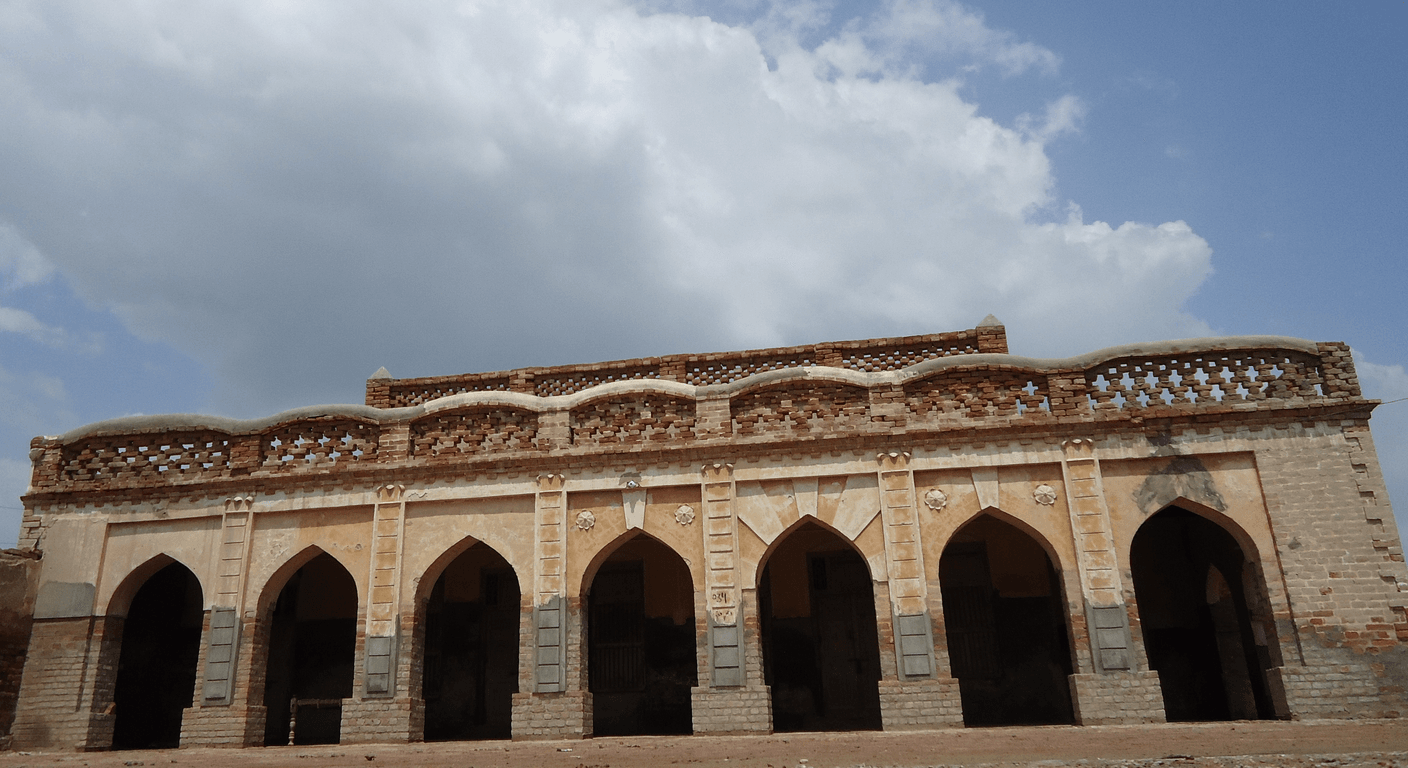
Central Greenough is a preserved colonial settlement in the Greenough Flats, a fertile river plain that early settlers found promising enough to build on in earnest during the 1850s and 1860s. What they left behind is a precinct of limestone buildings that have survived largely intact — not restored to a theme-park gloss, but genuinely aged, with thick walls, iron roofs and the particular gravity of structures that have stood through a century and a half of Midwest weather.
The National Trust of Western Australia manages the site, and it includes a church, a courthouse, a gaol, a police quarters, a school and various other colonial-era structures. Walking between them, you get an unusually clear picture of how a small, self-sufficient rural community organised itself in the era before Federation. There's no audio-visual theatre, no queues. Just buildings, interpretive signage, and the sound of the wind through the gum trees.
For a traveller with a genuine interest in Australian history — the kind of interest that goes beyond a glance at a plaque — Central Greenough is the sort of place that stays with you. It's rare to stand inside a 160-year-old gaol cell in a working heritage precinct and feel the scale of ordinary colonial life so directly.
Getting There: The Perth–Geraldton Drive
Central Greenough sits about 25 kilometres south of Geraldton and roughly 450 kilometres north of Perth, just off the Brand Highway. If you're driving the Perth-to-Geraldton corridor — a journey that takes around five to five-and-a-half hours without stops — this is exactly where a proper break makes sense. Not a servo stop, but a genuine pause with something to show for it.
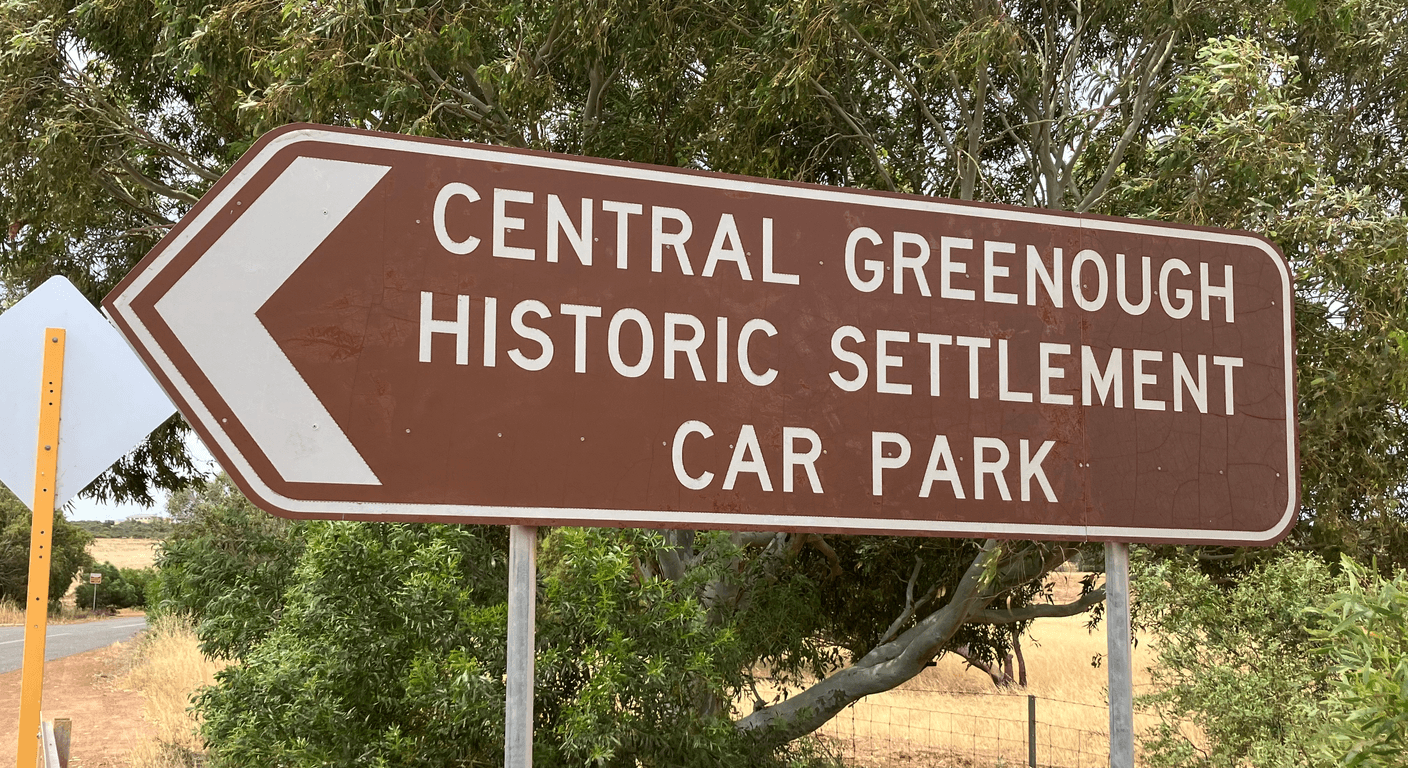
The turn-off is well signposted. From Geraldton itself, it's a straightforward 20-minute drive south, making it equally suitable as a morning or afternoon excursion from the city. There's no public transport to the site, so a hire car or your own vehicle is essential. Geraldton is served by regional flights from Perth (around one hour with Rex or Qantas regional services; confirm current schedules), so fly-drive combinations are worth considering if the five-hour road journey doesn't appeal.
Parking at Central Greenough is easy and free, with room for campervans and larger vehicles. For grey nomads towing a van, the access road is manageable — though it's worth checking with the National Trust if you're bringing something particularly wide or long.
What to See: The Buildings and the Precinct
The courthouse is one of the most photographed structures in the precinct — a solid limestone building from the 1880s that still has the quiet authority of a place where serious decisions were once made. The gaol adjacent to it is small by any measure, which somehow makes it more affecting rather than less. The church, St Peter's, dates from 1853 and is among the oldest in the region.
Paths between the buildings are mostly level, with some gravel and compacted earth surfaces. For travellers with a walking stick or those who prefer a steady pace, the site is genuinely manageable — there are no significant stairs or steep inclines across the main precinct area. Shaded verandahs and benches are available, which matters in the warmer months. The café on site provides a welcome stop mid-wander; it's worth confirming its current operating hours before your visit, as availability can vary.
Allow two to three hours to explore at a comfortable pace — enough time to read the interpretive panels properly, take photographs without rushing, and sit for a coffee before heading back. Trying to compress it into an hour does the place a disservice.
The Leaning Trees: A Detail Worth Stopping For
Along the Brand Highway near Greenough, a stand of River Gum trees has been bent almost horizontally by the prevailing salt-laden winds off the Indian Ocean. They lean so consistently and so dramatically that they look like a deliberate installation rather than a natural phenomenon. They are, in fact, entirely natural — the result of decades of persistent coastal winds shaping young trees during their formative growth.
Pull over and photograph them. They're a genuinely strange and memorable sight, and they tell you something immediate and visceral about the conditions early settlers were working against when they built those thick limestone walls a few kilometres away. The trees are visible from the highway and there's a small parking area nearby — confirm the current signage and stopping point as you approach, as roadside conditions can change.
It's the kind of detail that makes an otherwise long drive feel like it has texture. A Greek Australian traveller with an eye for the way landscape shapes culture will find something quietly resonant here — the land insisting on its own terms, regardless of what people built on it.
Geraldton as a Base: Staying Longer in the Region
Geraldton is a proper regional city — the largest between Perth and Broome — with good accommodation options ranging from comfortable motels to self-contained apartments suited to couples who prefer a kitchen. The HMAS Sydney II Memorial on Mount Scott is one of the most moving war memorials in Australia, and it's free to visit. The Geraldton Regional Art Gallery and the WA Museum Geraldton are both worth an afternoon and are centrally located.
The Abrolhos Islands, about 60 kilometres offshore, are accessible by day-tour flights or boat trips and are extraordinary for birdwatching and snorkelling — though the boat journey involves some swell, so it's worth assessing your sea legs honestly. Day tours by light aircraft are a gentler option; confirm operators and current availability through the Geraldton Visitor Centre.
For a couple combining Central Greenough with a broader Coral Coast itinerary, two to three nights in Geraldton is a sensible base. It's unhurried enough to move at your own pace, and the distances between attractions are manageable without long drives each day.
Practical Matters: What to Know Before You Go
Entry to Central Greenough is indicative around $5–$10 per person; confirm the current fee directly with the National Trust of Western Australia before visiting, as pricing and concession rates can be updated. Opening hours are also worth confirming — the site may have reduced hours or seasonal closures, and there's nothing worse than driving 25 kilometres to find a locked gate.
Summers in the Geraldton region are genuinely hot, with temperatures regularly exceeding 35°C and occasionally touching 40°C. April through October is the comfortable window for visiting, with mild days and cool evenings. Spring (September to November) is particularly pleasant, with wildflowers across the Midwest adding colour to the roadsides between Perth and Geraldton.
Bring water, wear a hat, and apply sunscreen even in the cooler months — the WA sun is not seasonal in its intensity. The café on site provides some relief, but it's sensible not to rely on it as your only hydration option. Mobile coverage in the precinct is generally reasonable but not guaranteed; download any maps or information you need before leaving Geraldton.
Is Central Greenough Worth the Detour?
For a traveller who finds meaning in the physical texture of history — in standing inside a building where real people lived out real circumstances — Central Greenough is worth considerably more than its modest entry fee suggests. It's not a reconstructed village or a curated experience designed for maximum throughput. It's a place that has simply survived, and that survival is the point.
The combination of the historic precinct and the leaning trees nearby gives the stop a satisfying double character: cultural and natural, serious and slightly surreal. It breaks the Perth–Geraldton drive in a way that leaves you feeling like you've actually seen something, rather than just covered distance.
At under $30 for two people, with a café, easy walking and no booking required, it asks very little and offers a good deal in return. That's a reasonable trade on any measure.
Quick planning guide
| Ideal pace | Slow-paced — a considered wander, not a rushed stop |
|---|---|
| Best months | April to October, with spring (September–November) especially pleasant for wildflowers |
| Suggested stay | Two to three hours at the precinct; two to three nights in Geraldton as a base |
| Mobility level | Easy — mostly level paths, no significant stairs or steep inclines |
| Cost level | Budget-friendly — entry around $5–$10 per person, under $30 for two |
| Comfort level | Comfortable — shaded verandahs, benches and an on-site café |
| Best for | History-minded travellers, grey nomads, and couples breaking the Perth–Geraldton drive |
| Main planning consideration | No public transport to the site, so a hire car is essential; confirm current entry fees, hours and café operation before visiting |
Key takeaways
- Central Greenough preserves one of WA's most complete collections of 1860s limestone colonial buildings, managed by the National Trust of Western Australia.
- Entry is indicative around $5–$10 per person — confirm current pricing and hours before visiting.
- The precinct is Easy mobility-rated, with mostly level paths between buildings and shaded rest areas on site.
- The famous leaning trees along the Brand Highway nearby are a natural phenomenon worth stopping to photograph.
- April to October is the most comfortable season to visit; summer temperatures regularly exceed 35°C.
- Central Greenough works equally well as a break on the Perth–Geraldton drive or as a half-day excursion from Geraldton itself.
Recommended partners and links
Indicative prices only — always confirm with the operator before booking.
Frequently asked questions
How much does it cost to enter Central Greenough historic settlement?
Entry to Central Greenough is indicatively around $5–$10 per person, with concession rates likely available. Pricing can change, so confirm the current fee directly with the National Trust of Western Australia before visiting.
Is Central Greenough suitable for travellers with limited mobility?
Yes. The main precinct paths are mostly level, with compacted earth and gravel surfaces between the buildings. There are no significant stairs or steep inclines across the core area, and shaded seating is available. It's rated Easy for mobility purposes, though those using wheelchairs or walking frames should confirm current surface conditions with the National Trust before visiting.
When is the best time of year to visit Central Greenough?
April to October is the most comfortable window, with mild days and manageable temperatures. Summer (December to February) brings intense heat, regularly above 35°C, which makes outdoor exploration genuinely difficult. Spring, from September to November, is particularly pleasant and coincides with wildflower season across the Midwest region.
How far is Central Greenough from Geraldton and from Perth?
Central Greenough is approximately 25 kilometres south of Geraldton — around a 20-minute drive. From Perth, it's roughly 450 kilometres north via the Brand Highway, a drive of about five to five-and-a-half hours without stops, making it a natural break point on that journey.
What are the famous leaning trees near Greenough?
The leaning trees near Greenough are River Gums along the Brand Highway that have been bent almost horizontally by decades of persistent salt-laden coastal winds. They're a natural phenomenon, entirely unassisted, and are visible from the highway with a small stopping area nearby. They're one of the more memorable and photogenic sights along the Coral Coast drive.