Hobart's Farm Gate Market fills traffic-free Bathurst Street every Sunday from roughly 8:30am to 1pm, with 8:30–9:30am the best window for full stalls and calm crowds. The flat, sealed road makes it easy going for walking frames or canes, and a full circuit takes just 45–60 minutes. Genuine Tasmanian farmers, bakers and beekeepers sell direct, giving a real taste of local shopping. It's a 10–15 minute flat walk from waterfront hotels, with Sunday buses, taxis and rideshare all practical alternatives.
What is Hobart's Farm Gate Market and where exactly is it?
The Farm Gate Market runs every Sunday morning on Bathurst Street in central Hobart, between Elizabeth and Harrington Streets. The street is closed to traffic for the duration of the market, which typically operates from around 8:30 am to 1 pm — though confirming current hours directly with the market before you visit is always worth doing, particularly in winter when conditions or timing can shift slightly.
The market is a genuine producer market, meaning the people behind the stalls are overwhelmingly the farmers, growers, bakers, beekeepers, and makers themselves. That distinction matters. You can ask the wallaby pie maker how the pastry is constructed, or quiz the honey producer on which flowering eucalypts their bees favour this season. These are not retail resellers — they are Tasmanians who have driven in from properties across the island to sell what they've grown or made.
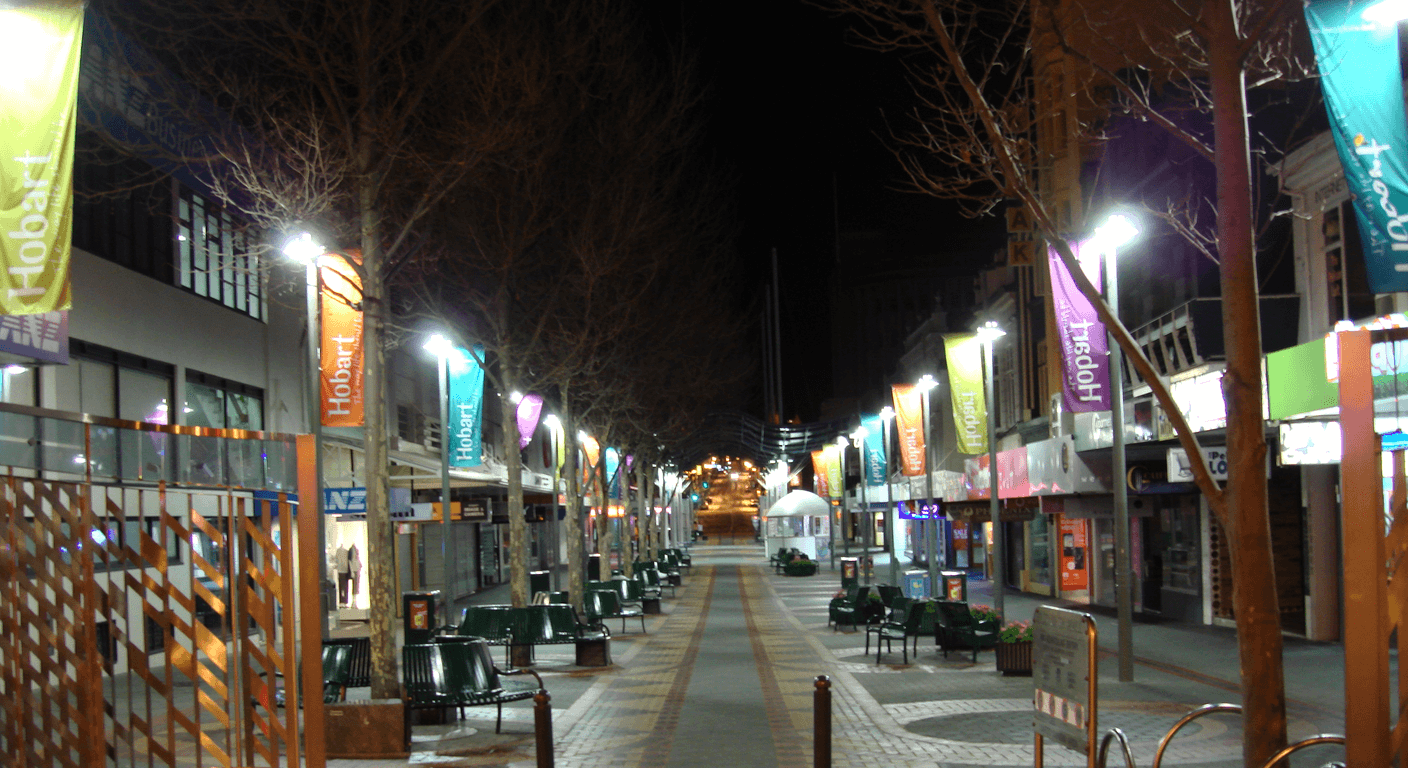
Bathurst Street sits in the CBD, a short, flat walk from the waterfront accommodation strips and from the central bus interchanges. The street itself is level and accessible, with no significant kerb drops once you're within the market footprint. For travellers managing a walking frame, a cane, or simply a preference for flat ground, this is one of Hobart's more comfortably navigated outdoor experiences.
How does Farm Gate compare to Salamanca Market — and which suits over-50s better?
Salamanca Market, held on Saturday mornings along Salamanca Place, is rightly famous and draws very large crowds. It is a broader, longer market with a strong craft and artisan goods presence alongside food. The cobblestone surfaces at Salamanca require some care underfoot, and by mid-morning the crowd density can make navigation slow and tiring. It is worth attending, but it demands more energy.
Farm Gate is smaller, more focused on food and produce, and considerably quieter. Locals who shop seriously for their weekly provisions tend to rate it as the more purposeful of the two. The flat road surface is an honest advantage for anyone with joint concerns or mobility aids, and the scale means you can cover the full market in a relaxed 45 to 60 minutes without feeling rushed or overwhelmed.
The two markets suit different moods and different Sundays. If you are in Hobart for a weekend, Saturday at Salamanca and Sunday at Farm Gate is a perfectly balanced pairing. If you have only one morning for a market, and ease of movement and direct producer conversation matter most, Farm Gate is the stronger choice for over-50s travelling at a considered pace.
What can you eat and buy at Farm Gate Market?
The produce range reflects the breadth and quality of Tasmanian farming. Expect to find raw honey in varieties that change with the season, cold-smoked and cured salmon, heritage-variety vegetables, sourdough loaves with serious crust, free-range eggs, sheep's milk cheeses, and small-batch preserves. The wallaby pies — a recurring point of conversation among regulars — are made with genuinely sourced Tasmanian wallaby and have earned a loyal following. They are hearty, well-seasoned, and a reasonable indicative price of around $8–$12 each, though you should confirm current pricing at the stall.
For breakfast on the go, the market does this well. Hot food stalls offer everything from fresh dumplings and savoury crepes to wood-fired flatbreads and loaded rolls. A workable breakfast-and-coffee budget sits at roughly $15–$25 per person, indicative only — confirm with individual stallholders on the day. The coffee is taken seriously here, and while the popular espresso stalls do develop a queue by 9:30 am, the lines move steadily and the wait is rarely more than five or ten minutes.
For produce to take home or back to your accommodation, the market rewards a slow browse. Raw honey jars, small-batch jams, and vacuum-packed smoked fish travel reasonably well and make considered gifts. If you are self-catering or have access to a kitchen, the vegetable and cheese stalls offer genuine value compared to supermarket alternatives, with the added benefit of knowing exactly where the food was grown.
What are the practical transport options from central Hobart to Bathurst Street?
Bathurst Street is within easy walking distance of most central Hobart accommodation. From the waterfront hotels and apartments along Sullivan's Cove, the walk to Bathurst Street is roughly 10 to 15 minutes on flat to gently sloping ground. From the Elizabeth Street Mall area, it is closer to five minutes. For travellers staying further out, Metro Tasmania operates Sunday bus services into the city centre — fares are around $3–$5 per trip on a Greencard, indicative only, and current timetables and fares should be confirmed directly at metrotas.com.au before you travel.
Taxis and rideshare services operate in Hobart on Sundays and are a practical option for those who prefer door-to-door convenience, particularly in winter when a cold morning walk may be less appealing. The drop-off point on Elizabeth or Harrington Street, at either end of the market block, works well. Street parking in surrounding blocks is available on Sundays but fills quickly near the market, so driving and parking close is not reliably convenient.
For travellers using mobility aids, arriving by taxi or rideshare to the Harrington Street end of the market offers a clean entry point onto the flat road surface. The market organisers have historically been responsive to accessibility questions — checking their website at farmgatemarket.com.au before you visit is the most reliable way to get current information on layout and facilities.
What should over-50s know about pacing, timing and weather at Farm Gate?
Arriving between 8:30 and 9:30 am gives you the fullest stall selection and the most manageable crowd density. By 10:30 am the market is at its busiest, which is still manageable by Salamanca standards but noticeably livelier. If cold mornings are a concern, the slightly later window of 9:30 to 10:30 am gives the air time to warm while still catching the market in good shape. Hobart winters are genuinely cold — June and July morning temperatures can sit around 3–8°C — and a warm layer, a beanie, and wind-resistant outer jacket are practical necessities, not optional extras.
The market is compact enough that a single circuit of 45 to 60 minutes covers it comfortably. There is no need to rush or to feel you worth seeing everything in one pass. A sensible rhythm is to do one slow circuit to take stock of what's available, then return to the stalls that caught your attention. Portable seating is not provided within the market, but the surrounding streets have café seating and some low walls suitable for a brief rest. The nearby Criterion Street area has cafés that open on Sunday mornings if a sit-down break mid-morning appeals.
For travellers managing energy levels carefully — a real consideration for many in the 60–75 age group — combining Farm Gate with a leisurely walk back via the waterfront makes for a well-paced Sunday morning that covers both market and scenery without overextending. The whole outing, from leaving accommodation to returning, can be comfortably completed in two to three hours.
Is Farm Gate Market genuinely accessible for seniors with mobility considerations?
The flat, sealed road surface of Bathurst Street is one of the market's genuine practical advantages for older travellers. There are no cobblestones, no significant gradient changes within the market footprint, and no stall layout that requires squeezing through narrow gaps. Stallholders are typically positioned with clear space in front of their tables, making it comfortable to approach with a walking frame or to stand and browse without being jostled.
Accessible toilets in central Hobart are available at the nearby Hobart City Council facilities — checking the City of Hobart's website at hobartcity.com.au for current locations and Sunday availability is recommended before your visit. The market itself does not operate dedicated on-site toilet facilities within the road closure, so planning ahead is sensible.
For travellers with low vision or hearing considerations, the market's open layout and face-to-face stall format is generally more navigable than a busy indoor food hall. Stallholders are accustomed to direct conversation and will describe their products clearly if asked. The ambient noise level is moderate — conversation is easy, and the market does not use amplified music across the whole site.
How do you make the most of a Farm Gate morning on a modest budget?
A realistic and satisfying Farm Gate morning — breakfast, coffee, and a small bag of produce to take away — sits at roughly $20–$30 per person in indicative terms. That figure covers a hot breakfast item, a good coffee, and perhaps a jar of honey or a wedge of cheese. It does not cover a full weekly shop, but it covers a genuinely enjoyable and nourishing morning out. Confirm all prices with individual stallholders on the day, as costs vary by season and producer.
The free-to-enter format means there is no gate fee to factor in, and browsing is entirely without obligation. If budget is a consideration, arriving with a set amount in cash is a practical discipline — many smaller stalls prefer or only accept cash, and having notes and coins ready speeds up transactions. An ATM on Elizabeth Street is a short walk from the market if you need to withdraw before entering.
The market also rewards the habit of conversation over purchasing. Asking a producer about their season, their property, or their process costs nothing and often results in a sample, a recommendation, or a story that makes the morning more memorable. For travellers who enjoy food as a way of understanding a place and its people, Farm Gate offers that kind of encounter consistently and without theatre.
Quick planning guide
| Ideal pace | Slow, unhurried browsing with time to talk to stallholders |
|---|---|
| Best months | Year-round Sundays; mornings are genuinely cold June to August |
| Suggested stay | 45-60 minutes for the market itself, 2-3 hours if combined with a waterfront walk |
| Mobility level | Easy — flat, sealed street with no cobblestones or significant gradients |
| Cost level | Budget-friendly — roughly $20-$30 per person for breakfast, coffee and a little produce |
| Comfort level | Casual open-air market with nearby café seating for breaks |
| Best for | Over-50s wanting genuine producer conversation and an easy, flat walking morning |
| Main planning consideration | Arrive between 8:30 and 9:30am, dress warmly for cold Hobart mornings, and confirm current hours and prices with stallholders on the day |
Key takeaways
- Farm Gate Market runs every Sunday morning on Bathurst Street, Hobart — a flat, traffic-free road that is genuinely comfortable for older travellers with mobility considerations.
- Arriving between 8:30 and 9:30 am gives the best stall selection and the calmest crowd before the mid-morning peak.
- A breakfast-and-browse morning at Farm Gate costs roughly $20–$30 per person, indicative only — confirm all prices with stallholders on the day.
- The market is a genuine producer market: the farmers, bakers, and beekeepers are the people behind the stalls, not retail resellers.
- Hobart winters are cold — a beanie and a wind-resistant layer are practical necessities for any Sunday morning visit between May and August.
- Locals consistently rate Farm Gate alongside Salamanca for food quality, with the added advantage of a smaller, quieter, and more navigable format.
Recommended partners and links
Indicative prices only — always confirm with the operator before booking.
Frequently asked questions
What time does Hobart's Farm Gate Market open and close on Sundays?
The Farm Gate Market generally operates from around 8:30 am to 1 pm on Sunday mornings on Bathurst Street, Hobart. Hours can vary, particularly in winter or on public holidays, so confirming current times at farmgatemarket.com.au before your visit is recommended.
Is Farm Gate Market accessible for seniors using a walking frame or mobility aid?
Yes. Bathurst Street is a flat, sealed road surface with no cobblestones or significant kerb changes within the market footprint, making it one of Hobart's more accessible outdoor market experiences. Arriving by taxi or rideshare to the Harrington Street end provides a clean, level entry point.
How does Farm Gate Market differ from Salamanca Market?
Farm Gate focuses primarily on food and produce from Tasmanian producers and runs on Sundays, while Salamanca is a broader Saturday market with more craft and artisan goods. Farm Gate is smaller and quieter, with a flat road surface, making it generally easier to navigate for older travellers.
Do stallholders at Farm Gate Market accept card payments?
Payment policies vary by stall — many smaller producers prefer or only accept cash. Bringing a mix of cash and card is the most practical approach. An ATM on Elizabeth Street is a short walk from the market.
What is the best way to get to Farm Gate Market from central Hobart accommodation?
Most central Hobart accommodation is within a 5–15 minute flat walk of Bathurst Street. Metro Tasmania operates Sunday bus services into the city centre for around $3–$5 per trip on a Greencard, indicative — confirm current fares and timetables at metrotas.com.au. Taxis and rideshare services are also a reliable option for door-to-door convenience.