The Jan Powers Farmers Markets rotate across Brisbane's riverside and bayside suburbs, with the New Farm Powerhouse site the best known. Entry is free, and a visit suits a relaxed 45-minute to two-and-a-half-hour outing on flat, open ground. Arriving at opening — around 6am to 7am — brings cooler air and full produce selection, especially useful October to March. Breakfast plates run roughly $10 to $15, and Queensland's 50-cent TransLink fare or the free CityHopper ferry make car-free access straightforward.
What are the Jan Powers Farmers Markets and why do they suit older travellers?
The Jan Powers Farmers Markets are one of Queensland's longest-running and most respected producers' markets, bringing certified growers, artisan food makers, and small-batch suppliers directly into Brisbane's inner suburbs and bayside neighbourhoods. Unlike a generic weekend market, these are producer-only in focus — the people selling the mangoes or the sourdough are the ones who grew or baked them. That distinction matters when you want to have a genuine conversation about where your food comes from.
For travellers in their 60s and 70s, the format is well suited to a comfortable morning out. Sites are typically flat, open-air, and set up with enough space to move at your own pace without being jostled. There are places to sit, food to eat on the spot, and no pressure to buy anything. You can spend 45 minutes or two and a half hours and both feel like time well used.
If you are travelling as a couple — or hosting a friend or family member visiting from interstate — a farmers market morning offers something that a restaurant breakfast does not: the pleasure of wandering, tasting, chatting with growers, and assembling your own table from different stalls. It is participatory rather than passive, which makes it a genuinely social experience.
Where are the markets held, and how do you find current locations and times?
The Jan Powers Farmers Markets rotate across multiple Brisbane locations, including the Powerhouse at New Farm, Mitchelton, and Manly Harbour Village, among others. Days and times vary by location, and schedules do change — a market that runs on a Saturday at one site may run on a Sunday at another. Before you travel, always check the current schedule directly on the official Jan Powers Farmers Markets website at janpowersfarmersmarkets.com.au, as this is the only reliable source for up-to-date information.
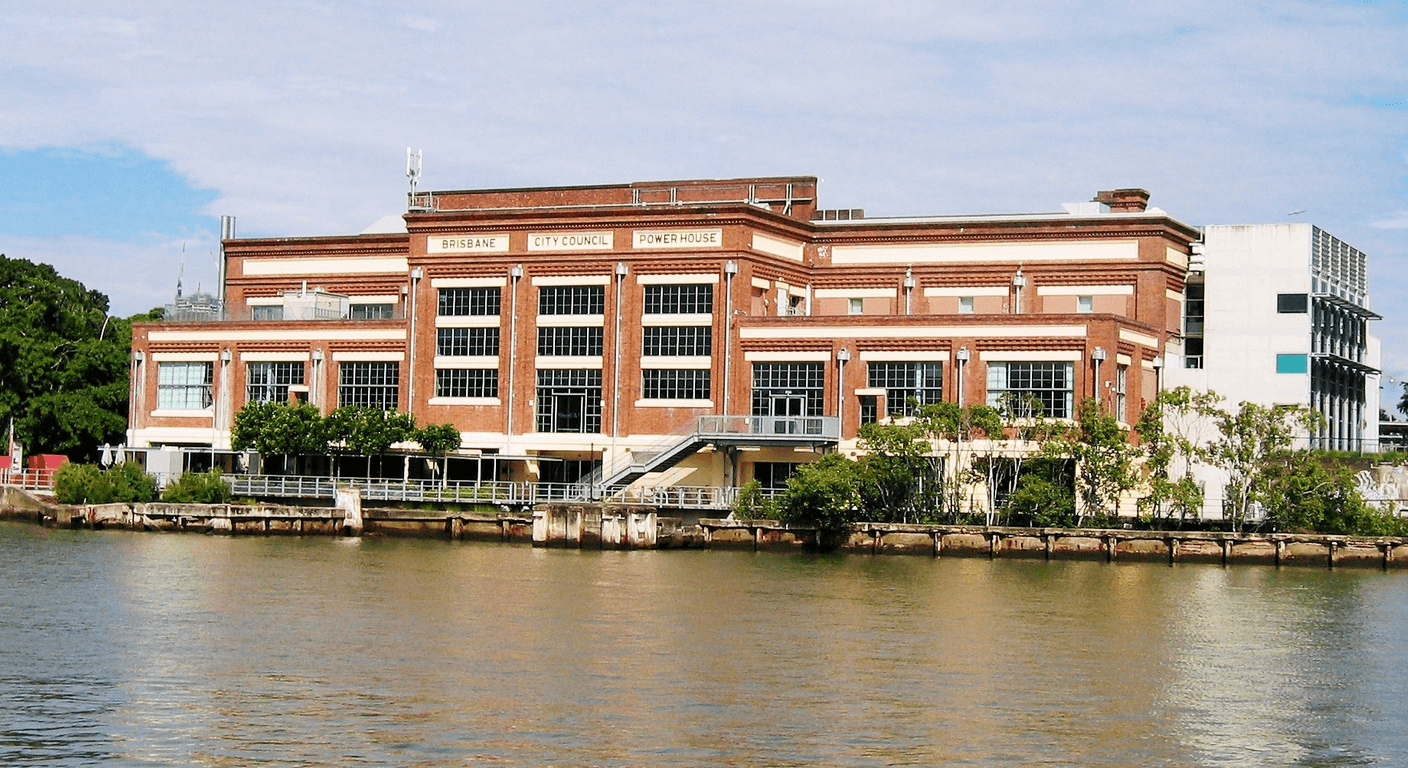
The New Farm Powerhouse site is perhaps the most well-known and draws the largest crowd. It sits alongside the Brisbane River, which adds a pleasant backdrop for a morning walk before or after browsing. The Manly Harbour Village market has a more relaxed, neighbourhood feel and is popular with locals who arrive by bicycle or on foot. Mitchelton suits those staying in Brisbane's northern suburbs.
If you are visiting Brisbane specifically to attend a market, it is worth noting that not every location runs every week. A quick check of the website or a phone call to confirm before you make a special trip is a sensible habit, particularly if you are travelling from interstate or coordinating around other plans.
What does it cost, and what can you expect to eat?
Entry to all Jan Powers Farmers Markets is free. You walk in, you browse, you leave — there is no gate fee, no wristband, no minimum spend. For travellers watching a travel budget, that is a meaningful starting point, particularly when a morning at the markets can easily substitute for a paid breakfast experience elsewhere.
Breakfast and brunch options at the food stalls are where the real value sits. Plates of eggs, wraps, grain bowls, pastries, and hot drinks from specialty coffee roasters are typically available, with indicative prices in the range of roughly $10 to $15 for a generous serve — though you should confirm current prices on the day, as these will shift with seasons and suppliers. Fresh juice, seasonal fruit, cheese, and smallgoods are also common, and many stalls offer tastings before you commit to buying.
The produce itself — vegetables, fruit, honey, preserves, eggs, bread, and occasionally meat or seafood — is priced at market rates that reflect quality rather than supermarket competition. If you are staying somewhere with a kitchen, or if you have family in Brisbane and want to bring something genuinely local as a gift, the markets are a far better source than an airport shop. A jar of Queensland rainforest honey or a bag of freshly milled flour travels well and means something.
How do you get there without a car, and is the 50-cent fare real?
Queensland's 50-cent flat public transport fare has been one of the most practical developments for visitors and older residents in recent years. As of 2026, the policy remains in place across TransLink services, meaning a single bus, train, or ferry trip anywhere on the network costs around 50 cents with a go card. For visitors, go cards can be obtained at convenience stores and stations, and the process is straightforward. Always confirm the current fare policy at translink.com.au before travelling, as government pricing decisions can change.
For the New Farm Powerhouse markets, the CityHopper ferry — which runs free of charge along the Brisbane River — stops nearby, making a river approach both practical and enjoyable. Bus routes also serve New Farm from the CBD. The Manly Harbour markets are accessible by train to Manly station on the Cleveland line, followed by a short, mostly flat walk to the harbour. TransLink's journey planner at translink.com.au will give you real-time options from wherever you are staying.
Travelling without a car to a morning market has a particular pleasure to it — you arrive lighter, you can carry what you buy without worrying about a boot, and you do not spend the first 20 minutes circling for parking. A trolley bag or a sturdy canvas bag with wheels is genuinely worth packing if you plan to do any serious produce shopping. Many regular market-goers in Brisbane treat the trolley bag as standard kit.
Why does arriving early make a difference?
Brisbane's subtropical climate means that by mid-morning in most months, the temperature and humidity are already noticeable. Arriving when the market opens — typically around 6am at some sites, with others starting at 7am — gives you the best of several things at once: cooler air, the full range of produce before popular items sell out, and a quieter atmosphere that is easier to navigate at a relaxed pace.
Early morning at a riverside market in Brisbane has a quality that is hard to replicate later in the day. The light is softer, the river is calm, and the stall holders are at their most talkative before the crowds build. If you are travelling with a partner or hosting someone, this is the part of the morning that tends to become a memory — the coffee in hand, the unhurried conversation with a grower about the season's stone fruit, the decision about which loaf of bread to take back.
For those who find heat difficult, arriving early and planning to leave by 9am or 9.30am is a sensible approach in the warmer months from October through to March. The markets continue past that time, but the comfort factor shifts considerably once Brisbane's sun is fully up. In winter, the mornings are mild and pleasant, and there is less urgency to rush.
What should you bring, and how do you pace yourself?
A trolley bag is the single most practical item to bring to a Jan Powers market. Even if you arrive intending only to have breakfast and browse, it is easy to find yourself with a bunch of Queensland-grown bananas, a loaf of bread, a jar of something, and a punnet of berries — none of which you particularly want to carry in your arms for an hour. Wheeled bags are common and completely unremarkable at these markets.
Comfortable, flat shoes are worth stating plainly. The sites are generally even underfoot, but you will be standing and walking on grass, pavement, or compacted gravel for an extended period. A hat and water bottle are sensible for any visit outside the winter months. If you use a walking stick or prefer a folding chair for rest breaks, both are practical additions — seating at the markets is available but can be limited at peak times.
Pacing matters more than people expect. It is easy to do a full lap of a busy market, feel slightly overwhelmed by the options, and then wish you had gone more slowly. A useful approach is to walk the whole market first without buying anything, get a sense of what is there, have your coffee, and then return to the stalls that interested you. For couples, splitting up briefly to cover different sections and then meeting back at the coffee stall is a method many regulars use effectively.
Is this experience accessible for travellers with mobility considerations?
The Jan Powers markets are generally well suited to travellers with moderate mobility needs. The New Farm Powerhouse site in particular is flat and paved in most areas, and the Powerhouse venue itself has accessible facilities. The Manly Harbour site involves a short walk from the train station that is mostly level but worth assessing based on your own comfort with distance — roughly 10 to 15 minutes on foot, depending on pace.
Wheelchair users and those using mobility aids will find the open layout of most sites manageable, though markets by nature involve navigating around other people and the occasional uneven patch of ground. Going early when crowds are thinner reduces that challenge considerably. If you have specific accessibility questions, contacting the market organisers directly via the website before your visit is a reasonable step.
Toilets are available at the Powerhouse venue and at most market sites, though facilities vary. It is worth locating them early in your visit rather than searching later. Shaded seating is available at some sites but not guaranteed at all locations, so a portable seat or the ability to use nearby café seating may be worth planning for.
Quick planning guide
| Ideal pace | Relaxed, self-paced browsing with no pressure to buy |
|---|---|
| Best months | Year-round; early arrival matters most October to March when heat builds |
| Suggested stay | 45 minutes to 2.5 hours |
| Mobility level | Easy — flat, open sites with accessible facilities at the Powerhouse |
| Cost level | Free entry; budget-friendly food from around $10-$15 a plate |
| Comfort level | Good — seating and shade available but limited at some sites |
| Best for | Couples, food-focused mornings, and travellers wanting a car-free outing |
| Main planning consideration | Confirm the current location, day, and prices on the official website before travelling |
Key takeaways
- Entry to all Jan Powers Farmers Markets is free — no gate fee, no minimum spend required.
- Locations and days rotate across Brisbane and bayside suburbs, so always confirm the current schedule at janpowersfarmersmarkets.com.au before visiting.
- Breakfast plates at market stalls run roughly $10–$15 (indicative — confirm on the day), making for an affordable and generous start to the morning.
- Queensland's 50-cent public transport fare makes car-free visits straightforward; check current policy at translink.com.au.
- Arriving when the market opens means cooler air, full produce selection, and a quieter atmosphere — particularly valuable in Brisbane's warmer months.
- A wheeled trolley bag is the most practical item to bring if you plan to buy produce or bread to take away.
Recommended partners and links
Indicative prices only — always confirm with the operator before booking.
Frequently asked questions
Is entry to the Jan Powers Farmers Markets free?
Yes, entry to all Jan Powers Farmers Markets is free. There is no admission charge, ticket, or wristband — you simply walk in and browse at your own pace.
Where exactly are the Jan Powers Farmers Markets held in Brisbane?
The markets rotate across multiple sites including the Powerhouse at New Farm, Mitchelton, and Manly Harbour Village. Locations and days change, so check the current schedule at janpowersfarmersmarkets.com.au before visiting.
Can you get to the Jan Powers Farmers Markets by public transport?
Yes. The New Farm Powerhouse site is accessible by bus from the CBD and via the free CityHopper ferry. Manly Harbour is a short walk from Manly train station on the Cleveland line. Queensland's 50-cent flat public transport fare applies with a go card — confirm current policy at translink.com.au.
What time do the Jan Powers Farmers Markets open, and when is the best time to arrive?
Opening times vary by location, with some sites starting as early as 6am and others at 7am. Arriving early is recommended for cooler temperatures, the best produce selection, and a quieter atmosphere — particularly important from October to March when Brisbane mornings warm up quickly.
Are the Jan Powers Farmers Markets suitable for travellers with mobility limitations?
Most sites are flat and open, with the New Farm Powerhouse location being particularly accessible. Going early when crowds are thinner makes navigation easier. Contact the market organisers via janpowersfarmersmarkets.com.au for specific accessibility questions before your visit.