Lancelin's white sand dunes sit about 90 minutes north of Perth by car, with no train or bus service to the town. A single day trip works well, best planned for spring or autumn when temperatures are mild. The defining highlight is the view from the car park edge, which needs no walking on soft sand. Mobility is rated moderate, since deeper dune walking is tiring on loose sand, though the flat, sheltered town beach offers an easy, accessible alternative nearby.
What makes Lancelin worth the drive from Perth?
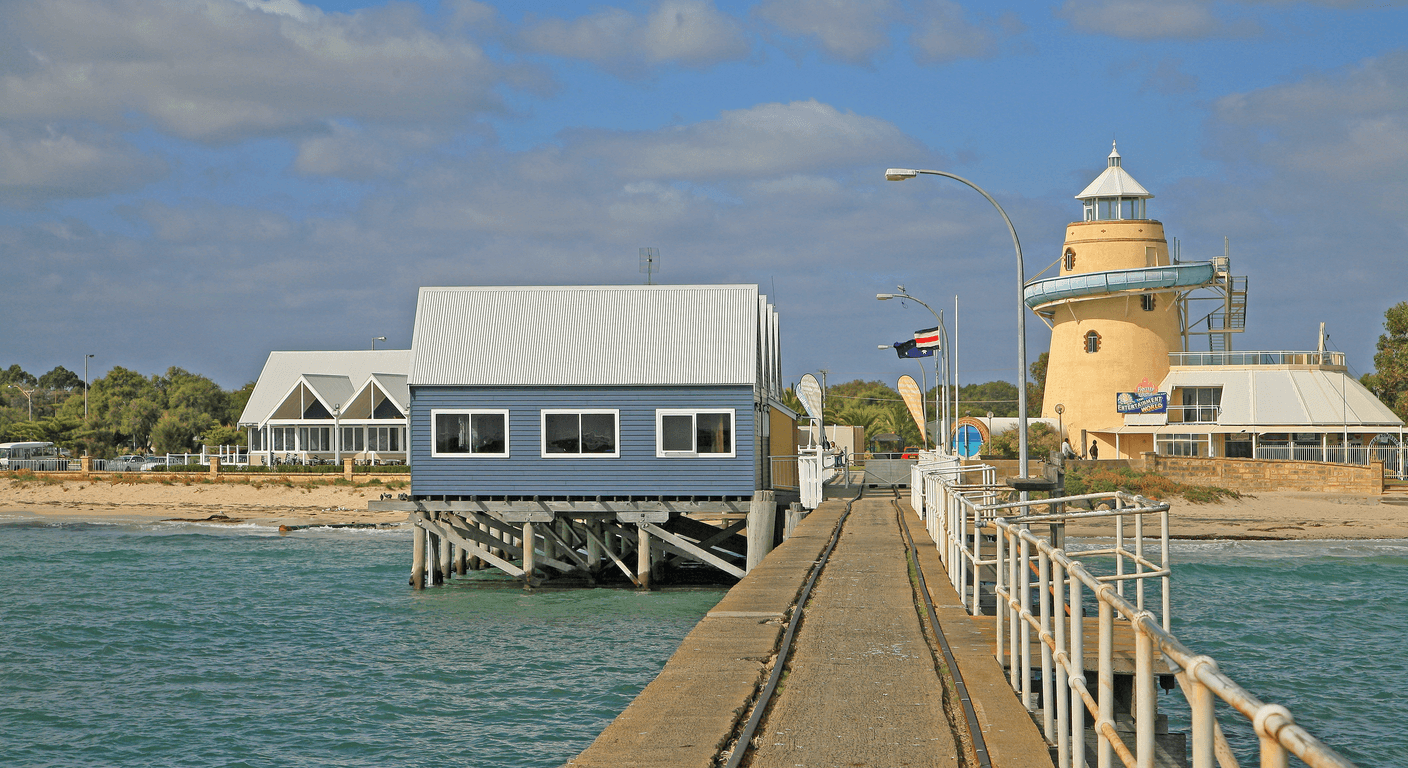
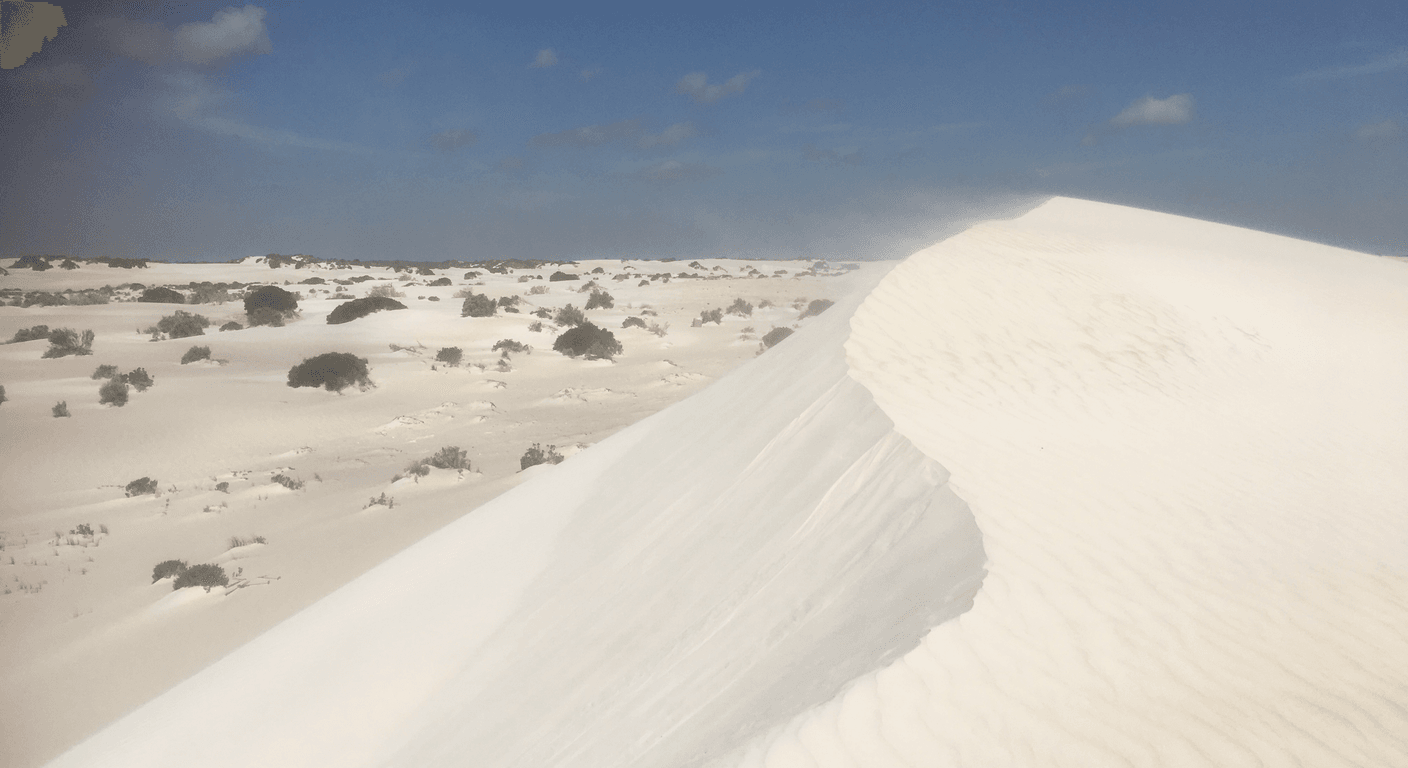
Lancelin sits about 130 kilometres north of Perth, which translates to roughly 90 minutes by car on the Brand Highway. The town is a small working fishing community — lobster boats, a pub, a general store — and it sits right at the edge of one of the most photogenic coastal dune systems in Australia. The dunes are brilliantly white, wind-sculpted, and genuinely large. On a clear morning the contrast between the white sand and the blue sky behind the Indian Ocean is the kind of thing you want to sit with for a while.
What makes Lancelin particularly good value for a day trip is that there is no entry fee, no ticket gate, and no booking required. You pull into the dune car park at the northern edge of town, step out, and the dunes are right there. For travellers who have spent years ticking off expensive attractions, that simplicity feels refreshing. The town itself is low-key and unhurried — not polished for tourism — which suits those who prefer an honest local experience over a curated one.
If you are travelling with a group of friends, Lancelin works well as a shared experience where everyone can calibrate their own level of involvement. Some will want to walk a hundred metres into the dunes for a closer look. Others will be perfectly happy photographing from the edge, then heading back to town for lunch. Neither choice is wrong, and nobody needs to justify it.
What should you honestly expect from the dunes themselves?
The dunes are spectacular, and they are also soft, deep, and tiring to walk in. Fine dry sand shifts under every step, which means even a short walk into the dune field takes considerably more effort than the same distance on firm ground. For anyone with knee concerns, hip replacements, or general balance issues, this is worth factoring in before you commit to going further than the edge. There is no shame in appreciating the dunes from a stable vantage point — the scale reads clearly from the car park.
Sturdy closed-toe shoes are strongly recommended. Thongs or slip-on sandals are genuinely awkward on loose sand and can cause a stumble. A hat and sunscreen are essential; the dunes reflect heat and there is very little shade. Bring more water than you think you need, particularly in the warmer months between October and March when temperatures can climb well above 30 degrees. Early morning visits are more comfortable and the light is better for photographs.
The dunes are used by sandboarders and quad bike operators, so you will likely see and hear that activity. It is not intrusive — the dune system is large enough that the two experiences coexist without conflict — but it is worth knowing the setting is not silent wilderness. The activity tends to be concentrated in a particular section, and quieter areas are easy to find by walking a short distance along the dune edge.
How accessible is the site for travellers with mobility considerations?
Honest answer: the dunes themselves are not accessible for wheelchairs or walking frames, and anyone with significant mobility limitations will find the sand surface challenging beyond the very edge. The car park is unsealed gravel and can be uneven. However, the view from the car park boundary is genuinely rewarding and requires no walking on soft sand at all. Many visitors — of all ages — spend their time in this zone and come away satisfied.
The town beach, a short drive back through Lancelin, is a different matter. It is sheltered, calm, and the foreshore path is flat and walkable. There are public toilets in the town centre. The beach is popular with families and older visitors precisely because it is gentle — no surf, no rips, and reasonable shade from the afternoon sea breeze. If the dunes feel too physically demanding on the day, the beach is a worthwhile alternative that does not feel like a consolation prize.
Travelling in a group of friends means you can look out for each other practically — one person can stay near the car with bags and water while others explore, or you can take turns resting on the walk back. That kind of flexibility is one of the real advantages of travelling with people you trust.
How do you get there, and what does the drive involve?
Driving is the only realistic way to reach Lancelin. There is no train or regular public bus service from Perth to the town. The drive north from Perth takes the Brand Highway, which is a straightforward two-lane highway through flat coastal scrubland. It is not a difficult drive, but it is long enough that a comfort stop in the town of Gingin (roughly halfway) is worth building in — there is a roadhouse and toilets there.
Car hire in Perth is widely available from the major operators at Perth Airport and the CBD. Indicative daily rates for a small automatic car run from around $70–$120 per day, though prices vary considerably by season and provider — confirm current rates when booking. Petrol up the Brand Highway is available in Gingin and in Lancelin itself, but fill the tank in Perth before you leave to avoid any uncertainty.
If you are based in regional Victoria and flying into Perth for a broader trip, building Lancelin into a two-or-three-night stay north of the city (rather than a day trip from Perth proper) can reduce driving fatigue. The town has basic accommodation including a caravan park and a small lodge, which makes an overnight stay viable if the group prefers a slower pace.
Where do you eat and what else is there to do in town?
The fish and chips at Lancelin are the honest local choice and consistently well regarded by visitors. The town has a small number of cafes and a pub — nothing elaborate, but the food is fresh and the setting is relaxed. Lobster is the local industry, so it occasionally appears on menus in season; ask what is available on the day rather than expecting a fixed menu. Lunch crowds can build on weekends, so arriving before noon or after 1:30pm avoids the peak.
The sheltered town beach — separate from the dune area — is a lovely place to sit after lunch. The water is calm and clear, and on warm days it is genuinely inviting for a paddle or a swim. There are no patrolled lifeguard services here, so swim within your comfort level and stick to the designated swimming area. The foreshore has some seating and basic facilities.
Lancelin is also known for windsurfing and kitesurfing, which are active pursuits rather than spectator ones — though watching skilled kitesurfers on a breezy afternoon has its own low-key entertainment value. Beyond that, the town is quiet. This is not a destination with galleries, museums, or shopping. The appeal is the landscape, the seafood, and the uncomplicated pace, which is exactly what many travellers in this age group are looking for.
What is the best time of year to visit?
Spring (September to November) and autumn (March to May) are the most comfortable seasons for a Lancelin day trip. Temperatures are moderate — typically 20 to 28 degrees — the light is clear, and the dunes are at their most visually striking without the punishing heat of summer. Winter visits are possible and the town is quieter, but the wind off the Indian Ocean can be sharp and the drive less pleasant on grey days.
Summer (December to February) is the busiest period and the hottest. If you are visiting during this time, a very early start — leaving Perth by 7am — makes the dune visit manageable before the heat builds. Avoid the dunes between 11am and 3pm in summer. The beach remains pleasant if there is a sea breeze, but check the forecast before you go.
Western Australia's school holidays bring local families to Lancelin in numbers, particularly the Christmas period and the Easter long weekend. For a quieter experience, a weekday visit in shoulder season is the most relaxed option. The dunes themselves are never crowded in the way a major tourist site might be — but the car park and the fish and chip shop will feel the difference.
Practical tips for a comfortable day
Pack a small daypack with water (at least 1.5 litres per person), sunscreen, a hat, and a light snack. Closed-toe shoes with a firm sole are worth wearing even if you only plan to stand at the dune edge — the gravel car park and sandy path benefit from proper footwear. A small foldable walking pole can be genuinely useful for anyone who wants to walk a short distance into the dunes and wants extra stability on the return.
Photography is excellent in the morning when the light is low and the shadows give the dunes shape and dimension. By midday the dunes can look flat and overexposed in photographs. If photography matters to the group, factor this into the timing of your arrival. A wide-angle lens or a phone with a good wide mode captures the scale better than a standard focal length.
Let someone back home know your plan for the day — not because Lancelin is remote in any dramatic sense, but because it is a good habit when travelling as a group in an unfamiliar region. Mobile coverage in Lancelin town is generally reliable on major Australian networks, but it can drop in sections of the Brand Highway. Download an offline map of the route before you leave Perth.
Quick planning guide
| Ideal pace | Slow and flexible — view from the car park or walk in as far as feels comfortable |
|---|---|
| Best months | Spring (September–November) and autumn (March–May) for mild temperatures |
| Suggested stay | Half-day to full-day trip from Perth; two to three nights if travelling from further afield |
| Mobility level | Moderate — car park view is easy, but the dunes themselves are soft, deep and tiring to walk |
| Cost level | Budget-friendly — free entry with no ticket or booking required |
| Comfort level | Comfortable with basic preparation — sturdy shoes, water, hat and sunscreen recommended |
| Best for | Over-50 travellers and groups of friends wanting a relaxed, low-cost coastal day out |
| Main planning consideration | Self-drive only, as there's no public transport, and soft sand limits how far most visitors will want to walk |
Key takeaways
- Lancelin's white sand dunes are free to enter and sit about 90 minutes north of Perth by car — there is no public transport option.
- Soft sand is physically tiring to walk in, so sturdy shoes and realistic ambitions about distance make the experience more comfortable for over-50 visitors.
- The view from the car park boundary is genuinely rewarding and requires no walking on soft sand at all.
- The sheltered town beach is a flat, calm, and accessible alternative if the dunes feel too demanding on the day.
- Spring and autumn offer the most comfortable temperatures for a Lancelin day trip; summer visits should start very early to avoid peak heat.
- Fresh local fish and chips in town is the honest lunch choice — arrive before noon or after 1:30pm to avoid weekend crowds.
Recommended partners and links
Indicative prices only — always confirm with the operator before booking.
Frequently asked questions
Is there an entry fee for the Lancelin sand dunes?
No. The Lancelin sand dunes are free to visit. There is no ticket gate, no booking required, and no entry charge. You park at the dune car park on the northern edge of town and walk to the edge of the dunes without any formality.
Can you visit the Lancelin dunes without sandboarding or climbing?
Yes, and many visitors do exactly that. The scale and colour of the dunes read clearly from the car park edge without needing to walk deep into the sand. Sandboarding is an option offered by local operators, but it is entirely optional and not part of a basic visit.
Are the Lancelin sand dunes accessible for people with limited mobility?
The dunes themselves are not wheelchair accessible — the surface is loose soft sand and the car park is unsealed gravel. However, the view from the car park boundary requires no soft-sand walking and is rewarding in its own right. The town beach nearby has a flat foreshore path and is a more accessible option for those who find the dune terrain difficult.
How do you get to Lancelin from Perth without a car?
In practical terms, you cannot easily reach Lancelin from Perth without a car. There is no train service and no regular public bus route to the town. Driving — either in a hire car or a personal vehicle — is the only realistic option for a day trip.
What is the best time of day to visit the Lancelin dunes?
Morning visits are recommended for two reasons: the light is better for photographs when the sun is lower, and temperatures are cooler before the midday heat builds. In summer months, arriving at the dunes before 10am is particularly advisable. In spring and autumn, a mid-morning arrival is comfortable and avoids the midday glare.