Mallala, about 50 minutes north of Adelaide, holds a volunteer-run museum linking its WWII RAAF training school history to its later motor racing circuit. Best visited March to November to avoid summer heat, allowing at least 90 minutes on-site. The flat terrain suits an easy, self-paced visit. No public transport serves the town, so self-driving or a hire car from Adelaide is essential, and opening hours should be confirmed in advance since the museum runs on volunteer schedules.
Why Mallala Earns a Place on the Map
There's a particular kind of satisfaction in a place that doesn't oversell itself. Mallala, a small town on the Adelaide Plains about 50 minutes north of the city, has two distinct stories to tell — one about young RAAF trainees flying over flat South Australian paddocks during the Second World War, and another about the racing drivers who later pushed machinery to its limits on those same sealed strips. Neither story shouts for attention. Both reward a curious traveller who takes the time to look.
For a couple who grew up in an era when the war was still a living memory and Australian motorsport was appointment television, Mallala offers something genuinely connective. This isn't a reconstructed heritage experience with theatrical lighting and gift-shop pressure. It's a volunteer-run museum on the grounds of a working motor sport park, and that authenticity is precisely the point.
The RAAF Chapter: What Happened Here During the War?
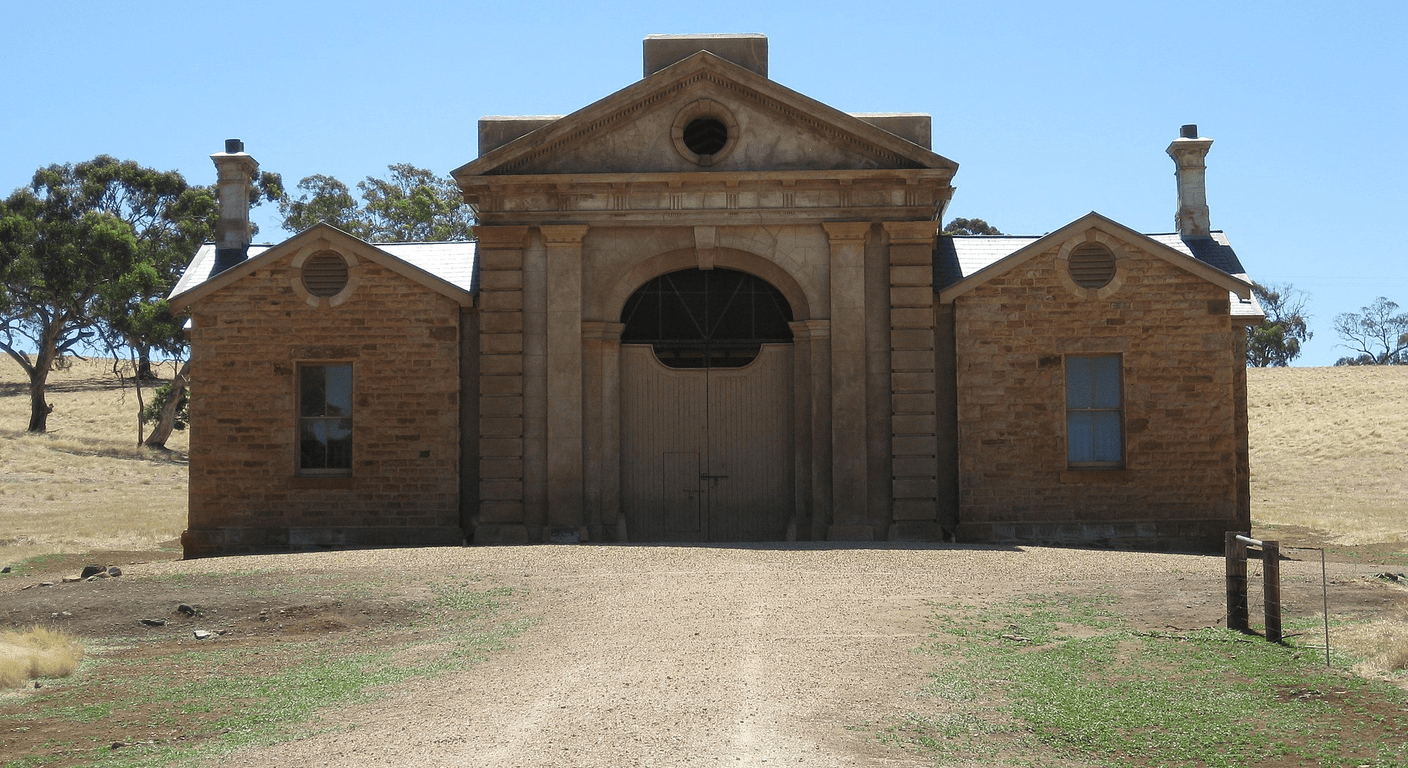
During the Second World War, the land at Mallala was requisitioned and developed as No. 4 Service Flying Training School, part of the Empire Air Training Scheme — the vast Allied programme that trained aircrew across Australia, Canada, New Zealand and Southern Africa. Young men from across Australia, Britain and beyond learned to fly here, over the flat, unforgiving plains north of Adelaide. The choice of location was deliberate: reliable weather, open airspace and distance from coastal vulnerability.
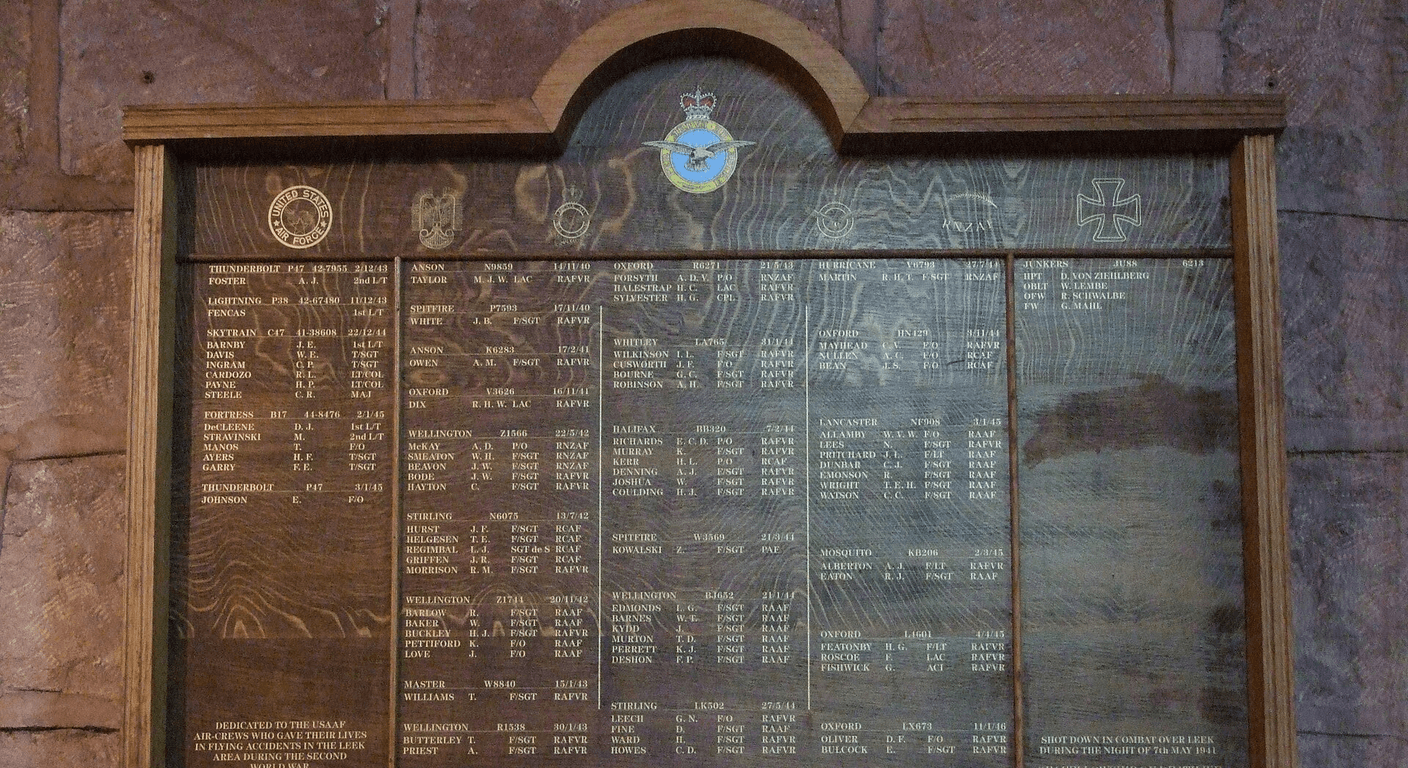
The scale of that operation is easy to underestimate from the quiet paddocks you see today. Thousands of aircrew passed through training schemes like Mallala's. Some went on to serve in Europe, the Pacific and the Middle East. Others didn't come back at all. The museum holds photographs, documents and artefacts that ground those numbers in individual human stories — which is, in the end, the only way history becomes real.
For travellers with a personal or family connection to wartime service — and many Australians of a certain generation have exactly that — this kind of modest, carefully tended display carries a weight that larger institutions sometimes lose in the production of it all.
The Racing Chapter: How Did a Wartime Airstrip Become a Motor Sport Park?
After the war, as with many RAAF training sites around Australia, the question became what to do with the infrastructure. Mallala's runways and flat geometry turned out to be well suited to motor racing, and the circuit that eventually emerged became a significant fixture in South Australian motorsport. Over the decades it hosted everything from club racing to national-level competition, producing a lineage of local drivers and a community of motorsport enthusiasts who still call the place their own.
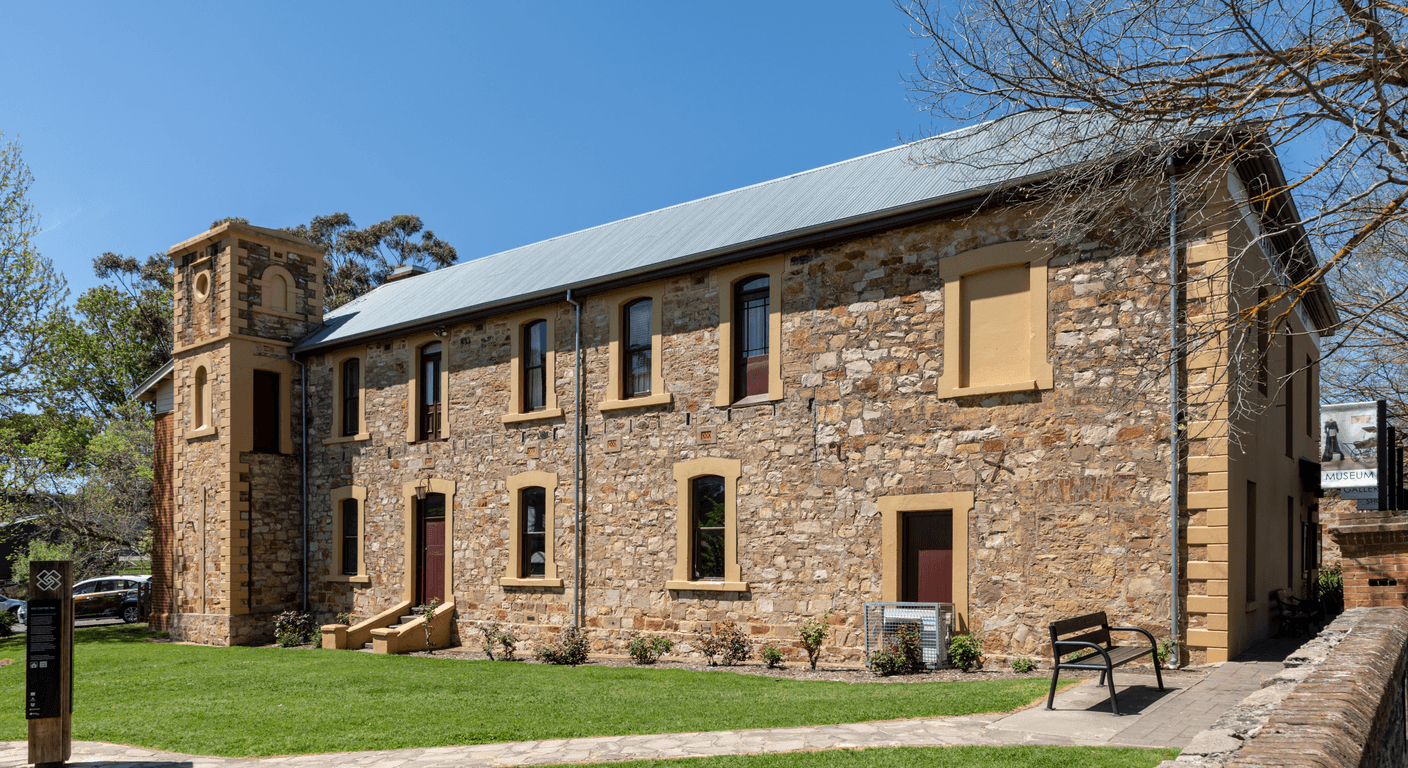
The museum covers that racing history with the same volunteer dedication applied to the WWII material. Period photographs, racing memorabilia, vehicle displays and records of significant events give the circuit's story a proper context. For anyone who followed Australian touring car racing in the 1970s, 1980s or 1990s, there will be names and machines here that prompt a memory or two.
On certain weekends the circuit is still in active use — which means the atmosphere on a race day is genuinely alive, though the museum's volunteer-run nature means you should confirm what's on and whether it will be open before making the drive.
Visiting the Museum: What Should You Know Before You Go?
The museum operates on volunteer hours, which is both its charm and its one practical complication. Opening days are not guaranteed to follow a fixed public schedule year-round, and a wasted 50-minute drive from Adelaide is nobody's idea of a good afternoon. A quick phone call or check of the Mallala Motor Sport Park website before you set out is simply good planning — not a criticism of the volunteers who give their time to keep the place going.
Entry is modest in cost — confirm the current figure directly with the venue, as it may vary. The site itself is flat and easy to navigate, which makes it genuinely accessible for travellers who prefer to take their time and don't want to be negotiating uneven terrain. Bring comfortable shoes, a hat in the warmer months, and water — the town's food options are limited, so don't arrive hungry expecting a café on every corner.
Photography is generally welcome at sites like this, and the combination of vintage racing machinery and wartime memorabilia makes for interesting images. Allow at least 90 minutes to do the museum justice — more if the circuit is active and you want to watch.
How to Build a Full Day: Pairing Mallala with Gawler or Two Wells
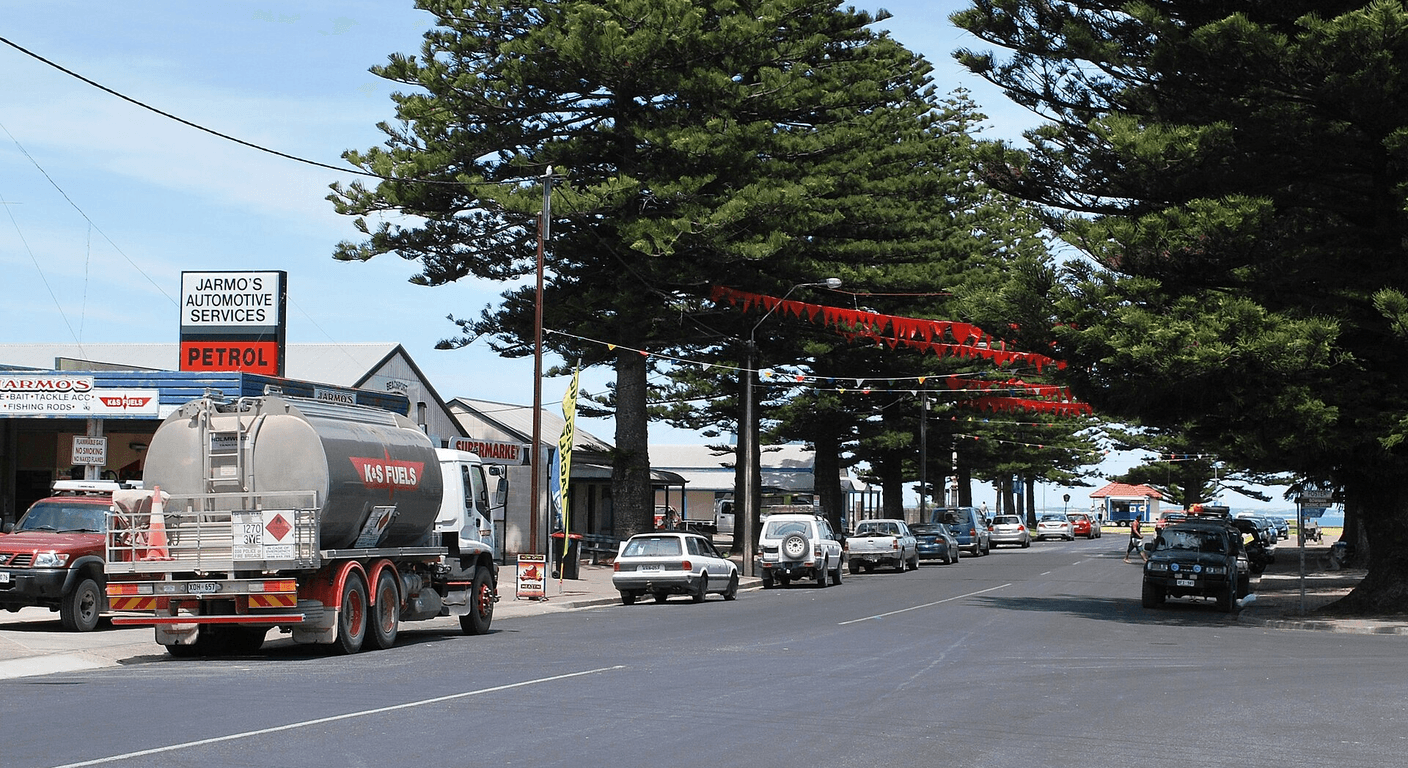
Mallala town itself is very small. There's no shame in acknowledging that: it's a community, not a tourism precinct, and it functions best as one chapter in a broader day out. The most natural pairings are Gawler to the south — a genuine historic town with good cafés, colonial architecture and the kind of main street you can spend an hour in without trying — or Two Wells, a modest agricultural centre that adds a different texture to the plains landscape.
Gawler is the stronger choice for lunch. It sits roughly on the route between Adelaide and Mallala, so slotting it in either before or after the museum visit works logistically. The town has a legitimate history of its own as one of South Australia's earliest planned towns, and the heritage streetscapes around Murray Street and the town centre are pleasant to walk at an unhurried pace.
Two Wells, further west, is quieter still, but for a couple who enjoy the rhythm of small Australian towns — the agricultural supplies shop, the RSL, the bakery that closes at 2pm — it has its own understated appeal. The drive between Two Wells and Mallala crosses the Adelaide Plains in a way that gives you a real sense of the landscape those wartime pilots trained over.
Getting There: Driving From Adelaide and Beyond
The drive from central Adelaide to Mallala takes around 50 minutes via the Main North Road or the Horrocks Highway, depending on your starting point. The roads are straightforward and the route is entirely manageable — no challenging terrain, no narrow mountain passes. For travellers based in Victoria, Mallala works well as a stop on a broader South Australian road trip rather than a standalone reason to fly to Adelaide, though Adelaide itself offers plenty of reasons to make the journey.
There is no direct public transport to Mallala from Adelaide. This is a car-based destination, full stop. If you're travelling without a vehicle, hiring a car from Adelaide is the practical solution. The drive itself is part of the experience — the flat, wide-open Adelaide Plains have their own quiet character, and on a clear autumn morning the light across the paddocks is worth noticing.
Fuel up in Gawler or Elizabeth if you're coming from Adelaide, and confirm the museum is open before you leave. Those two steps will make the day run smoothly.
Practical Comfort and Accessibility Notes
Mallala Motor Sport Park and its museum suit travellers who are comfortable with a relaxed, self-paced visit. The terrain is flat, the environment is unpressured, and there are no timed tours or large crowds to navigate. For anyone with mobility considerations — a walking stick, a preference for seated rests, sensitivity to heat — the main practical factors are the season and the time of day you visit. Summer in the Adelaide Plains is genuinely hot; March through to November is a far more comfortable window.
Seating inside the museum is typically available, though it's worth phoning ahead if you have specific accessibility requirements, as volunteer-run venues can vary in what they're able to accommodate. The car park is on flat ground. Bring your own water and snacks if you have dietary requirements, as the town's food options are limited.
Quick planning guide
| Ideal pace | Slow-paced and self-guided |
|---|---|
| Best months | March to November, avoiding the summer heat of the Adelaide Plains |
| Suggested stay | At least 90 minutes at the museum, more if paired with Gawler or Two Wells for a full day |
| Mobility level | Easy — flat grounds, no timed tours, seating typically available inside |
| Cost level | Budget-friendly, with a modest entry fee |
| Comfort level | Casual and unhurried, though food options in town are limited so bring water and snacks |
| Best for | History enthusiasts, motorsport fans, and travellers with a personal connection to wartime service |
| Main planning consideration | Confirm the museum's volunteer-run opening hours before the drive, and note there is no public transport, so a self-drive or hire car from Adelaide is required |
Key takeaways
- Mallala is about 50 minutes north of Adelaide by car — no direct public transport serves the town.
- The volunteer-run museum covers both WWII RAAF training history and the circuit's motor racing heritage.
- Always confirm opening days and hours before visiting — the museum operates on volunteer schedules.
- Mallala works best as part of a wider day loop that includes Gawler for lunch and heritage streetscapes.
- The site is flat and easy to navigate, making it genuinely accessible for travellers who prefer a relaxed pace.
- March to November is the most comfortable window; the Adelaide Plains can be seriously hot in summer.
Recommended partners and links
Indicative prices only — always confirm with the operator before booking.
Frequently asked questions
Is Mallala Motor Sport Park museum open to the public?
Yes, the museum at Mallala Motor Sport Park is open to the public, but it operates on volunteer hours and does not always keep fixed daily opening times. Confirm current opening days and hours directly with the venue before visiting — a phone call or check of the Mallala Motor Sport Park website is the most reliable approach.
How far is Mallala from Adelaide?
Mallala is approximately 50 minutes by car from central Adelaide, travelling north via the Main North Road or Horrocks Highway. There is no direct public transport connection; a car is required.
What is the history of Mallala as a WWII site?
During the Second World War, Mallala was the location of No. 4 Service Flying Training School, part of the Empire Air Training Scheme. Thousands of Allied aircrew trained here before serving in various theatres of the war. The site's RAAF history is documented in the museum on the motor sport park grounds.
What should you combine with a visit to Mallala for a full day out?
Gawler, roughly 25 kilometres to the south, is the strongest pairing — it offers cafés, heritage architecture and a walkable main street. Two Wells, to the west, is another option for travellers who enjoy quiet agricultural towns. Combining Mallala with one or both of these makes for a satisfying and varied full day from Adelaide.
Is Mallala suitable for travellers with mobility considerations?
Yes. The museum site is flat and the visit is entirely self-paced, with no challenging terrain. Travellers who use a walking stick or prefer to take their time should find the environment manageable. Contact the venue in advance if you have specific accessibility requirements, as the volunteer-run nature of the site means facilities can vary.