Melrose, the oldest town in the Flinders Ranges, sits about three hours north of Adelaide by sealed road, with no public transport serving the town. Two nights is the ideal stay, allowing time for the flat heritage walk, the shaded Melrose Creek path, and the short drive to the war memorial lookout, which offers Mount Remarkable's views without the strenuous summit hike. Best visited April to October, especially May or September, it's an easy-paced, low-effort base suited to walking rather than four-wheel-drive touring.
Why Melrose Works So Well as a Base
Settled in the 1850s as a service town for surrounding pastoral stations, Melrose holds a particular place in South Australian history that most travellers drive straight past on their way to Wilpena Pound. That's their loss. The town sits in a shallow valley at the southern end of the Flinders Ranges, sheltered by Mount Remarkable on one side and open to long views across the plains on the other. It's the kind of place that slows your pulse within an hour of arriving.
For travellers who've done the big-ticket Flinders experiences before — or who simply prefer landscape absorbed at walking pace rather than from a four-wheel drive — Melrose offers something rarer: genuine quietness. The main street takes about ten minutes to walk end to end, which means you'll walk it several times over two days, and notice different things each time. The heritage buildings are real, not restored-for-tourism real. The pub has been pouring beers since the 1860s.
It also suits solo female travellers particularly well. The town is small enough that you're never truly anonymous — the staff at the pub will remember your coffee order by day two — but it's not so small that it feels claustrophobic. There's enough to do to fill two days without a single item on a checklist feeling obligatory.
Getting There from Adelaide: What to Expect on the Drive
Melrose is roughly 260 kilometres north of Adelaide, a drive of around three hours depending on your pace and how often you stop. The route runs through the Clare Valley wine region before climbing into the southern ranges — if you're not in a hurry, a lunch stop in Clare or Burra adds texture without adding stress. The roads are sealed all the way and in good condition; no off-road driving is required.
There is no public transport to Melrose. The nearest regional hub with coach services is Port Augusta, about 60 kilometres north, but even from there you'd need your own vehicle or a taxi arrangement. For most travellers, this means either driving from Adelaide or hiring a car there. Adelaide Airport has the usual major hire car operators; confirm current rates and vehicle availability well in advance if you're travelling in school holidays or long weekends.
If you're combining Melrose with a broader South Australian road trip — perhaps arriving via the Barossa or departing north toward Quorn and the Pichi Richi Railway — it slots neatly into a week-long loop. Two nights in Melrose, then two nights further north, gives a satisfying arc without overloading the itinerary.
What to Do in Town: Walking, Heritage and Honest Pleasures
The heritage walk around Melrose's main streets is genuinely lovely and entirely flat. Pick up a self-guided trail map from the North Star Hotel or check the Flinders Ranges tourism website before you go. The old police station, the stone courthouse, and the cemetery on the edge of town each carry the particular weight of a place where European settlement pressed hard against an unforgiving landscape. The cemetery, in particular, rewards a quiet half-hour — the headstones tell the story of a community building itself from scratch in difficult country.
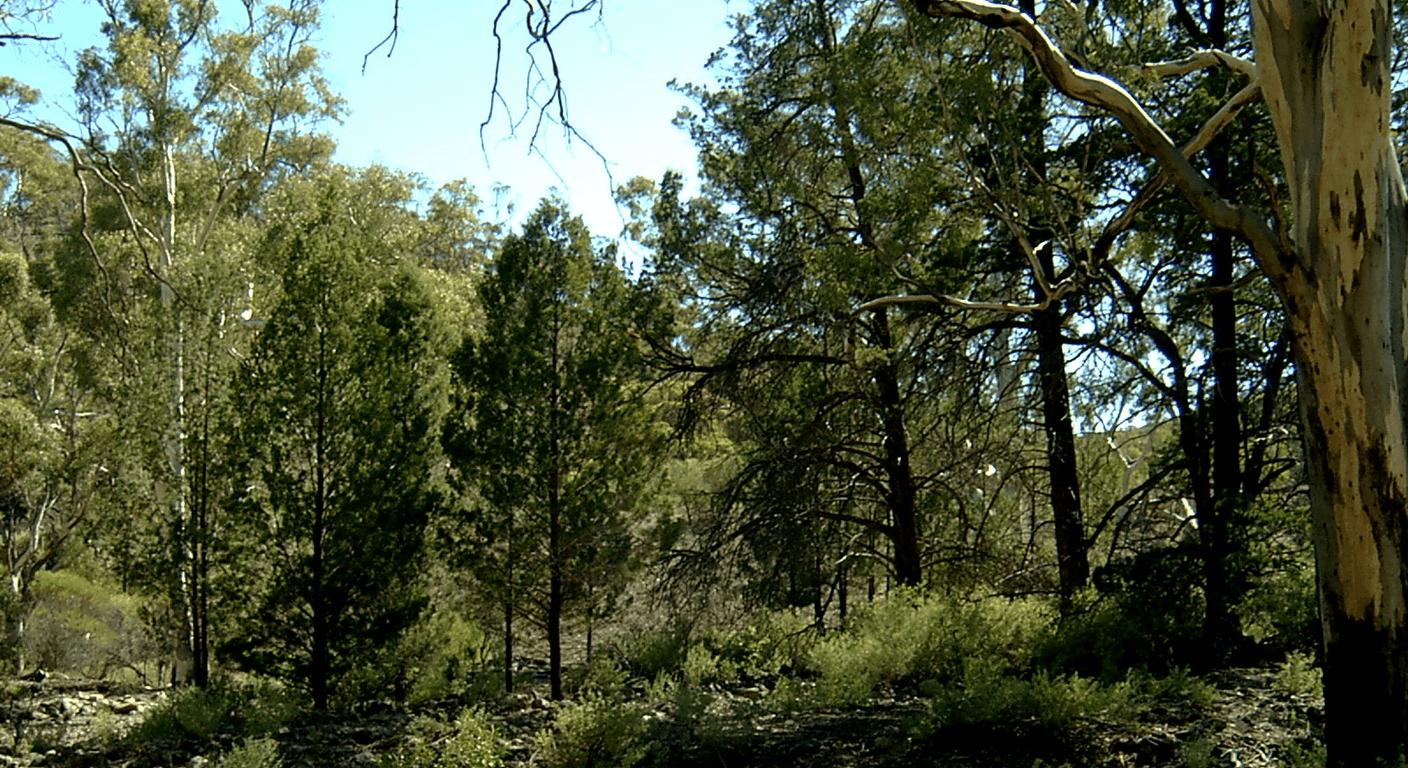
Melrose Creek runs along the edge of town, shaded by river red gums that are old enough to be impressive in their own right. The walking path beside it is gentle, mostly flat, and perfectly suited to a morning or late afternoon stroll. It connects to some of the lower Heysen Trail sections, though you needn't commit to any serious distance to enjoy it. Bring water, wear a hat, and go at your own pace — that's the only instruction that matters here.
The town also has a reputation as a mountain biking destination, which brings a younger crowd on weekends. Don't let that put you off. The bikers are friendly, and their presence means the North Star Hotel's kitchen tends to be better resourced than you might expect from a town this size. The pub itself — a stone building of real character — is worth sitting in for its own sake, with a beer garden that catches the afternoon light well.
The Mount Remarkable Lookout Drive: All the Reward, None of the Scramble
The full hike to Mount Remarkable's summit is a half-day commitment — around 10 kilometres return with significant elevation gain on rough terrain. It's a fine walk for those who want it, but it's not the only way to experience the mountain, and it's certainly not compulsory. The war memorial lookout, reached by a short sealed drive and then a brief walk, delivers views across the ranges and down into the valley that are genuinely satisfying.
The lookout sits at a comfortable elevation, and the path from the car park is short and manageable for most mobility levels. You get the scale of the landscape — the way the ranges stack up in parallel ridges to the north, the plains stretching south toward Port Pirie — without the physical cost of the full summit route. It's the kind of compromise that isn't really a compromise at all.
Mount Remarkable National Park surrounds the town, and the park's lower walking trails are worth exploring even if the summit isn't on the agenda. The national park website has current trail information; confirm conditions before heading out, particularly after wet weather when creek crossings can change character quickly.
Eating and Sleeping: Modest, Comfortable, Sufficient
Accommodation options in Melrose are limited but well-suited to the pace of the place. The North Star Hotel offers pub rooms that are comfortable without being elaborate — think clean linen, solid beds, and the particular charm of waking up in a building that has been standing since the nineteenth century. There are also self-contained cottages in and around town, which suit solo travellers who prefer their own kitchen and sitting room. Booking ahead is wise, particularly for long weekends and school holidays when the mountain biking crowd fills the town.
The pub kitchen is the reliable dining option for dinner, with a straightforward menu that leans on South Australian produce. For breakfast and lunch, a small cafe operates in town — hours can vary seasonally, so it's worth checking ahead or asking at your accommodation. The nearest supermarket is in Port Augusta or Wilmington; if you're self-catering, stock up in Clare or Port Augusta on the way through.
Melrose is not a place that will dazzle you with culinary options, and that's fine. The pleasure of eating a counter meal in a 160-year-old pub, watching the afternoon light change on the ranges through the window, is its own kind of satisfaction. Meals are modestly priced by any standard — indicatively around $20–$35 for a main — but confirm current pricing directly.
Day Trips Worth Considering: Wilmington, Quorn and the Pichi Richi Railway
Wilmington, about 20 kilometres north, is another small heritage town with a good bakery and access to some of the national park's quieter picnic areas. It's an easy half-day from Melrose and adds a different angle on the southern Flinders without requiring any significant effort. The drive through the ranges between the two towns is itself the point.
Quorn, roughly an hour north of Melrose, is the gateway to the Pichi Richi Railway — a beautifully preserved heritage steam railway that runs excursions through the ranges between Quorn and Port Augusta. For anyone with a love of railway history or simply a preference for watching landscape unfold from a train window, this is one of the genuinely distinctive experiences in regional South Australia. Check the Pichi Richi Railway's official website for current operating dates and booking information, as services are seasonal.
Port Augusta itself, while primarily a service town, has the Australian Arid Lands Botanic Garden on its northern edge — a thoughtfully designed garden that makes the case for arid-zone plants with real conviction. It's free to enter, has shaded walking paths, and is worth an hour of anyone's time.
Practical Matters: Timing, Health and Travelling Solo
The Flinders Ranges in summer — December through February — can be genuinely brutal, with temperatures regularly above 40°C. April through October is the sensible window, with May and September particularly pleasant: mild days, cool nights, and the ranges at their most photogenic. Winter nights can be cold, so pack a layer or two regardless of how warm the days feel.
Mobile coverage in Melrose itself is reasonable on Telstra; in the national park and on remote trails it becomes patchy. If you're walking alone — as solo travellers often are — let someone know your plans before heading out, carry water, and don't push beyond what feels comfortable. This is good practice anywhere in rural South Australia, not a reason for anxiety.
Travel insurance for domestic trips is often overlooked but worth considering, particularly for travellers with pre-existing conditions who may need medical evacuation from a remote area. The nearest hospital is in Port Augusta. For solo female travellers, Melrose's small-town character is genuinely reassuring — it's the kind of place where the pub staff notice if a guest hasn't come down for breakfast, and that's not nothing.
Quick planning guide
| Ideal pace | Slow and unhurried, with no fixed itinerary required |
|---|---|
| Best months | April to October, with May and September the most pleasant |
| Suggested stay | Two nights / two days |
| Mobility level | Easy — flat town and creek walks, short lookout path; full Mount Remarkable summit hike is a strenuous optional extra |
| Cost level | Budget-friendly, with pub meals indicatively $20–$35 |
| Comfort level | Simple and comfortable — pub rooms or self-contained cottages, nothing elaborate |
| Best for | Solo travellers, couples and anyone wanting a quiet, walkable country base rather than a big-ticket Flinders itinerary |
| Main planning consideration | No public transport to Melrose — a car is essential, and accommodation should be booked ahead for long weekends and school holidays |
Key takeaways
- Melrose is the oldest town in the Flinders Ranges and sits about three hours north of Adelaide by car — no public transport serves the town.
- Two nights is the right amount of time: enough to walk the heritage streets, explore the creek path and do the lookout drive without rushing.
- The war memorial lookout drive delivers genuine range views without the physical demands of the full Mount Remarkable summit hike.
- April to October is the reliable travel window; summer temperatures in the Flinders regularly exceed 40°C.
- Accommodation is limited — book ahead, particularly for long weekends when mountain bikers fill the town.
- Melrose suits solo travellers well: small enough to feel safe and connected, unhurried enough to move at your own pace.
Recommended partners and links
Indicative prices only — always confirm with the operator before booking.
Frequently asked questions
How far is Melrose from Adelaide?
Melrose is approximately 260 kilometres north of Adelaide, a drive of around three hours on sealed roads. There is no public transport to Melrose; a hire car or your own vehicle is essential.
Do you need to hike to enjoy Melrose and Mount Remarkable?
No. The town's heritage walk, creekside paths and the war memorial lookout drive are all accessible without any serious hiking. The full summit walk is a half-day commitment on rough terrain and is entirely optional.
What is the best time of year to visit Melrose?
April to October offers the most comfortable conditions, with mild days and cool nights. Summer (December to February) can see temperatures above 40°C and is best avoided.
Is Melrose suitable for solo female travellers?
Yes. Melrose is a small, close-knit community where solo travellers are well looked after. The pub accommodation is staffed and social, the town is walkable, and the pace is unhurried — all of which suit independent travel.
What day trips can you do from Melrose?
Wilmington (20 minutes north) and Quorn (about an hour north) are both worthwhile. From Quorn, the Pichi Richi Railway runs heritage steam excursions through the ranges — check their website for current seasonal operating dates.