Monaco rewards a single day visit from a Nice base, ideally between April and June or September and October when heat is manageable and crowds thinner. Budget around AUD$150–180 (roughly €90–100) for the day: train from Nice, the Oceanographic Museum, a café lunch, and coffee on the harbour. Mobility rating: Moderate — the harbourside is flat, but Monaco-Ville's old town involves steep stairs (some lift alternatives exist). Access from Australia requires a connecting flight via Dubai, Singapore, Doha or Hong Kong, typically 22–26 hours door to door.
Getting There From Australia: The Honest Door-to-Door Picture
There are no direct flights from Sydney, Melbourne, Brisbane or Perth to Nice Côte d'Azur Airport. Full stop. You'll connect through Dubai (Emirates), Singapore (Singapore Airlines or Qantas codeshare), Doha (Qatar Airways) or Hong Kong (Cathay Pacific) to a European hub — most commonly Paris Charles de Gaulle or Frankfurt — then a short onward hop to Nice. Door to door from regional Victoria, allow 24–28 hours minimum, including ground transfers. That's a long haul, and the sensible move is to build in a recovery night in Nice before attempting Monaco.
Nice itself is a genuinely pleasant base and far cheaper than Monaco for accommodation. Expect to pay around AUD$180–280 a night for a solid three-star hotel in central Nice, though smaller family-run hotels near the train station come in closer to AUD$140–160 — confirm current rates directly with operators, as Riviera pricing shifts significantly by season. A Nice base also means you're positioned for other Riviera day trips: Antibes, Èze, Cannes. Monaco as one of several days out, rather than the centrepiece of a rushed itinerary, is exactly the right way to approach it.
Jet lag is real after a 24-hour-plus journey, and the French Riviera in July and August is genuinely hot and crowded. If your travel window allows any flexibility, April through June and September through October are measurably more comfortable for travellers who prefer a pace that doesn't involve wilting at 34 degrees on a hillside. Travel insurance that covers pre-existing conditions is non-negotiable for this region — the Schengen area has excellent private healthcare but no reciprocal Medicare arrangement for Australians, so confirm your policy covers the full trip duration and any medical conditions before you fly.
The Calmest Way Into Monaco: Nice to Monaco-Monte Carlo by Train
The train is the answer. It's flat, it's frequent, and it deposits you at Monaco-Monte Carlo station — which is underground, air-conditioned, and has lift access to street level. The journey from Nice-Ville station takes roughly 35–45 minutes depending on the service, and the return fare is around €6–10 (indicatively AUD$10–16 at current exchange). Buy tickets at the SNCF machines or via the SNCF Connect app; the machines have an English-language option and accept credit cards. Confirm current fares and timetables at sncf-connect.com before you go.
Do not drive to Monaco. This bears saying plainly. The principality's roads are steep, narrow, tunnel-heavy and served by a parking system that charges accordingly. Taxis from Nice exist but will cost you roughly €60–80 each way — that's a significant chunk of your day's budget for what the train handles in equal comfort. The train also drops you directly into the heart of things, a short lift ride from the port and harbourside promenade. For a group of friends travelling together, the train maths are obvious: four women splitting a return taxi versus four €10 train tickets is not a contest.
One practical note on the station exit: Monaco-Monte Carlo has multiple street exits. The port-level exit faces the harbour and the Casino Square direction. Take a moment to orient on the map before you emerge — it's not confusing, but the tunnel-and-lift system can feel disorienting on first arrival. Signage is clear and in French and English.
What a Realistic Day in Monaco Actually Looks Like (Hour by Hour)
The following is a practical, indicative shape for the day — not a rigid timetable. Adjust for your group's pace and the season's heat. Depart Nice-Ville on a mid-morning train, around 9:00–9:30, and you'll arrive at Monaco-Monte Carlo station by roughly 10:00–10:15. Take the lift to port level. You're now at the harbourside. The flat promenade around Port Hercule — where the superyachts moor and the Formula 1 barriers go up each May — is an easy 20–30 minute walk with plenty of benches. No entry fee. No obligation to spend anything. Just walk it slowly and let it register.
By around 10:45–11:00, head to the Oceanographic Museum. Allow yourself two hours here comfortably — the building is largely step-free inside after the main entrance stairs (a lift alternative exists; confirm with the museum directly), the aquarium is cool and dim, and the rooftop terrace has harbour views that cost you nothing extra once you've paid entry. This is the day's main spend: around €18–22 per adult (indicatively AUD$30–36). Sit when you need to. The museum has seating throughout. By 1:00–1:30 you'll be ready for lunch.
Lunch: a seated café meal near the port or in the Condamine market area will run roughly €25–35 per person for two courses and a glass of local rosé (indicatively AUD$40–56). Avoid the most tourist-facing spots directly on Casino Square — the prices climb and the quality doesn't follow. By 2:30–3:00, if energy allows, the walk up to Monaco-Ville — the old rock precinct with the Prince's Palace and Cathedral — is genuinely worthwhile, but be honest with yourself about the gradient. The route from the port involves a sustained uphill walk or a series of escalators and lifts built into the rock face (the elevator at the port end of the Rock is free and well-signed). The Palace square itself is flat once you're up there. Palace exterior viewing and the square are free; the Palace interior tour costs around €10–14 (indicatively AUD$16–22); confirm current rates. Back down by 4:00–4:30, coffee and a pastry near the station (roughly €5–8, indicatively AUD$8–13), and catch a late-afternoon train back to Nice. You're done by 6:00 pm, with energy left for dinner.
Where the Money Actually Goes: An Honest AUD$160 Breakdown
Here's what a realistic day costs, in plain terms. Train return Nice–Monaco: roughly AUD$12–16. Oceanographic Museum entry: roughly AUD$30–36. Seated two-course lunch with a drink: roughly AUD$42–56. Coffee and pastry: roughly AUD$8–13. A gelato or incidental drink mid-afternoon: roughly AUD$8–12. That totals somewhere between AUD$100 and AUD$133 for the core day — leaving a comfortable buffer within a AUD$160 envelope for a second coffee, a postcard, or the Palace interior if the group wants it. Card surcharges are common at smaller Monaco establishments (yes, even here); carry a small amount of euro cash.
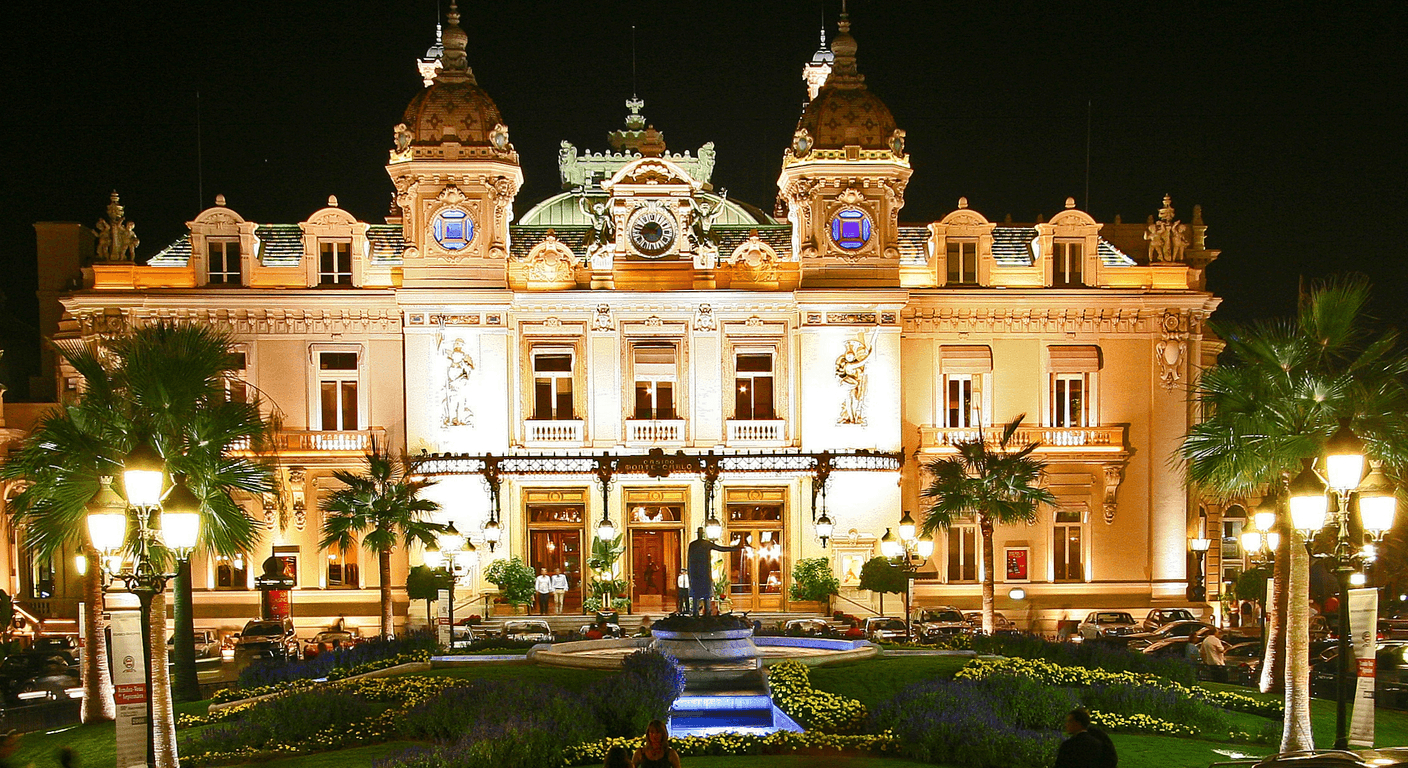
What AUD$160 does not cover: accommodation in Monaco itself, which starts at around AUD$400–600 a night for the most modest options and climbs steeply from there. This is not a place to base yourself unless cost is genuinely not a consideration. The budget case for Monaco is unambiguous: day trip from Nice, full stop. The Casino de Monte-Carlo is free to walk past, free to photograph from the square, and the atmosphere of the Belle Époque building and its well-dressed clientele is entirely accessible without entering. Casino entry itself requires a passport and charges a door fee; the interior gambling experience is a separate budget conversation entirely, and for most travellers the exterior is the point.
Monaco is expensive, but it's expensive in predictable ways. The Oceanographic Museum is fairly priced for what it delivers. The train is a bargain. Lunch is where costs vary most — a standing sandwich near the port is around €10–12, a proper seated meal is €28–35, and a restaurant on Casino Square can be €60 or more per person without trying. Know which experience you're after and budget accordingly.
The Jardin Exotique and Monaco-Ville Old Town: What to Know Before You Climb
The Jardin Exotique sits high above the principality on a cliffside, with extraordinary views and a remarkable collection of succulents and cacti. The entry fee is around €7–8 (indicatively AUD$11–13) and includes access to a prehistoric cave network — which involves a significant descent and ascent on steep, uneven stairs. The garden paths themselves are manageable for most travellers at a slow pace, but the cave is genuinely not suitable for anyone with significant knee or balance concerns. If the garden appeals but the cave doesn't, it's entirely reasonable to skip the cave portion; confirm with the garden staff on arrival whether a reduced entry applies.
Monaco-Ville, the old town on the Rock, is the postcard version of Monaco: narrow lanes, the Cathedral where Grace Kelly is buried, the Palace changing of the guard at 11:55 daily. The walk up from the port is steep. The escalator and lift system built into the cliff face handles most of it — well-signed from the port area — but there are still uneven cobblestones at street level on the Rock itself. Flat shoes with grip are not optional. The Cathedral interior is free, cool, and worth a quiet ten minutes. The changing of the guard is brief (under five minutes) and draws a crowd; arrive ten minutes early for a decent vantage point. If the group is tired by early afternoon, skipping the Rock entirely and spending that time over a long lunch is a perfectly sound call — Monaco's harbour view from a café table is its own reward.
A taxi within Monaco is a genuine mobility back-up worth knowing about. Monaco taxis are metered and, by local standards, not unreasonably priced for short hops — roughly €10–15 for a ride between the port and the Rock or the Jardin Exotique. For a group of four splitting the fare, it's negligible. For a solo traveller with tired knees at 3:00 pm, it's money well spent. The taxi rank at the port is clearly marked.
Solo Travellers and Small Groups: The Supplement Reality and the Nice Base
For solo travellers joining an escorted Riviera tour that includes a Monaco day, the single supplement question is immediate and worth asking directly before booking. Many European touring operators charge a single supplement of 25–50% on top of the twin-share rate — for a week-long Riviera itinerary priced at AUD$3,500 twin-share, that's potentially AUD$875–1,750 extra for the privilege of your own room. Some operators offer a cabin or room share-match programme; others run designated solo departure dates at no supplement. Ask the question explicitly. Operators that don't offer any mitigation for solo travellers deserve to be called out, and there are better alternatives available.
For a group of friends travelling independently — which is exactly how this kind of Riviera trip tends to work for women in their sixties — Nice is the natural anchor and the economics make sense. A hotel room split between two friends costs half; a train ticket costs the same regardless. The day in Monaco as a group is genuinely enjoyable at this age: the pace is yours, the lunch is as long as you want it, and nobody is herding you back to a coach at 3:30. That said, confirm accommodation directly with Nice hotels about twin versus double room configurations — in French hotels these are sometimes not the same room type, and availability for twin-bedded rooms can be tighter.
Solo female travellers on the Riviera will generally find it safe, well-lit, and straightforward to navigate. Monaco specifically is among the most heavily policed small territories in Europe. That said, sensible habits apply: keep bags closed and in front on the train, be aware of your surroundings in crowded tourist areas, and carry a photocopy of your passport (Monaco, as a non-EU state within the Schengen area, technically retains the right to check identification at its borders — in practice this is rarely enforced for day visitors arriving by train, but confirm current entry requirements via Smartraveller before travel).
Healthcare, Pharmacies and Staying Well on the Riviera
Monaco has the Princess Grace Hospital Centre — a full public-private hospital — located in the upper part of the principality. For a day visitor, the more immediate resource is the pharmacy network, which is dense and well-stocked throughout Monaco and Nice. French (and Monégasque) pharmacists are trained to a high standard and can advise on minor ailments, heat exhaustion, and whether a prescription medication has a local equivalent. Carry your regular medications in original labelling, with a letter from your GP if any are controlled substances.
Travel insurance is not optional for this region. Australia has no reciprocal healthcare agreement with France or Monaco, meaning any medical treatment — from a twisted ankle on Monaco's cobblestones to a cardiac event — is billed at private rates. A comprehensive policy that explicitly covers pre-existing conditions, emergency evacuation, and trip cancellation is the baseline. Read the Product Disclosure Statement before you travel, not after. Several Australian insurers offer senior-specific policies with higher medical limits; compare options through an independent broker rather than the airline's default checkout offer.
Heat management is underestimated by travellers arriving from a southern-hemisphere winter. July and August in Monaco can reach 32–35 degrees with high humidity. The Oceanographic Museum is air-conditioned — plan to be indoors during the hottest part of the afternoon (roughly 12:30–3:00 pm). Carry a small water bottle; refill at café water stations rather than buying bottles repeatedly (at Monaco prices, that adds up quickly). A hat and a light long-sleeved layer for sun protection are more useful than sunscreen alone on a long outdoor walking day.
Quick planning guide
| Ideal pace | One relaxed day trip from Nice; do not attempt to rush every attraction |
|---|---|
| Best months | April–June and September–October |
| Suggested stay | Day trip only — base yourself in Nice for 2–4 nights |
| Mobility level | Moderate (flat harbour route available; old town requires effort or a taxi) |
| Cost level | High — Monaco is among Europe's most expensive stops; budget AUD$150–180 for the day |
| Comfort level | High if paced well; uncomfortable in peak summer heat (July–August) |
| Best for | Culturally curious travellers, small groups of women, solo female travellers, couples wanting atmosphere without a gambling budget |
| Main planning consideration | No direct flights from any Australian city — connect via a Middle Eastern or Asian hub, then a short hop or train to Nice; confirm Schengen visa requirements and travel insurance for pre-existing conditions before booking |
Key takeaways
- A realistic Monaco day trip from Nice costs around AUD$150–180 all-in — train, museum, a proper lunch, coffee — without gambling, shopping or a casino entrance fee.
- The Nice–Monaco train (35–45 minutes, roughly AUD$10–16 return) is the calmest, cheapest and most practical way in; driving is not worth the stress or the parking cost.
- Monaco-Ville's old town involves steep gradients, but free cliff-face escalators and lifts handle most of the climb — flat shoes with grip are still essential on the cobblestones.
- The Oceanographic Museum is the day's best value: largely step-free, air-conditioned, and genuinely world-class for a roughly AUD$30–36 entry fee.
- Australia has no reciprocal healthcare agreement with France or Monaco — travel insurance covering pre-existing conditions is non-negotiable before you fly.
- Solo travellers booking Riviera tours should ask directly about single supplements, share-match options and solo departure dates before committing to any package.
Recommended partners and links
Indicative prices only — always confirm with the operator before booking.
Frequently asked questions
How do you get from Nice to Monaco by train?
Take a regional train (TER) from Nice-Ville station to Monaco-Monte Carlo station. The journey takes roughly 35–45 minutes, trains run frequently throughout the day, and the return fare is around €6–10 (indicatively AUD$10–16). Buy tickets at SNCF machines at Nice-Ville station or via the SNCF Connect app; machines have an English-language option. Monaco-Monte Carlo station is underground with lift access to street level. Confirm current timetables and fares at sncf-connect.com before travel.
Is Monaco accessible for travellers with limited mobility?
Partially. The harbourside promenade around Port Hercule is flat and easy. The Oceanographic Museum has lift access inside and is largely step-free once you're in. Monaco-Ville old town on the Rock involves cobblestones and uneven surfaces, but free public escalators and lifts built into the cliff face handle most of the ascent from the port. The Jardin Exotique's cave section involves steep stairs and is not suitable for those with significant knee or balance concerns. Taxis within Monaco provide a practical back-up for short hops between areas.
Do you need to go inside the Casino de Monte-Carlo to enjoy the atmosphere?
No. The Casino de Monte-Carlo's Belle Époque exterior, the surrounding square, and the well-dressed street scene are entirely accessible and free. Walking the Casino Square and watching the cars and the crowd costs nothing. Casino interior entry requires a passport and charges a door fee; gambling itself is an entirely separate expense. For most day visitors the exterior experience is the point, and it's a genuinely impressive one.
What travel insurance do Australians need for Monaco?
Australia has no reciprocal healthcare agreement with France or Monaco, so all medical treatment is billed at private rates. Australians visiting Monaco need comprehensive travel insurance that explicitly covers pre-existing conditions, emergency medical treatment, hospitalisation, and evacuation. Read the Product Disclosure Statement carefully before purchasing — not all policies cover pre-existing conditions as standard. The Princess Grace Hospital Centre in Monaco provides full hospital services for emergencies; pharmacies throughout Monaco and Nice handle minor ailments.
What is the best time of year for Australians to visit Monaco?
April through June and September through October offer the most comfortable conditions: manageable heat (typically 18–26 degrees), thinner crowds than the July–August peak, and lower accommodation prices in Nice. July and August can reach 32–35 degrees with high humidity, which makes the outdoor walking components of a Monaco day significantly harder. May should be checked against the Formula 1 Grand Prix dates, which transform the principality and push accommodation prices to extreme levels across the entire Riviera.
- Musée Océanographique de Monaco — official site
- SNCF Connect — French rail tickets and timetables
- Smartraveller — France (includes Monaco advice for Australians)
- Palais Princier de Monaco — official Palace site
- Jardin Exotique de Monaco — official site
- jordentually — Monaco travel vlog (YouTube)
- Visit Monaco — official tourism site