Mount Barker and the Porongurup, in Western Australia's Great Southern wine zone, are best visited in autumn (March–May) or spring (September–November) over three to four unhurried days. The drawcard is quiet, personal cellar door access to riesling and shiraz producers dating from the 1960s, set against the granite Porongurup Range. Mobility demands are easy, with one short uneven walk. Reaching the region means flying to Perth, then a regional flight or four-and-a-half-hour drive to Albany, plus a driver or booked tour for cellar doors, as there's no public transport between them.
Why the Great Southern deserves a place on any serious wine itinerary
The Great Southern is a vast wine zone — one of Australia's largest — but Mount Barker and the Porongurup subregions are where the character concentrates. Vines were first planted here in 1966, making this one of the continent's earliest cool-climate experiments, and the results have vindicated every optimistic pioneer. Riesling here is lean, mineral and long-lived; shiraz tends toward pepper and dark fruit without the weight of warmer regions. These aren't wines that announce themselves loudly. They reward attention.
What distinguishes the experience for travellers over fifty is what's absent: the coach-tour queues of the Barossa, the weekend traffic of Margaret River. On a Tuesday morning in April, you might be the only people at a cellar door, talking directly with the winemaker or the family member who poured the first vintage twenty years ago. That kind of access is increasingly rare in Australian wine tourism, and it's worth travelling a long way for.
Getting there — the practical reality from eastern Australia
From Melbourne, Sydney or Adelaide, the journey to the Great Southern involves a flight to Perth followed by either a connecting regional flight to Albany (roughly an hour, operated via Qantas-linked services — confirm schedules and current carriers before booking) or a self-drive of around four and a half hours south along the Albany Highway. The drive is genuinely pleasant through karri and jarrah country, but if jet lag or a long flight has taken the edge off, the regional flight is the smarter choice. Build in a recovery night in Albany before heading to the cellar doors.
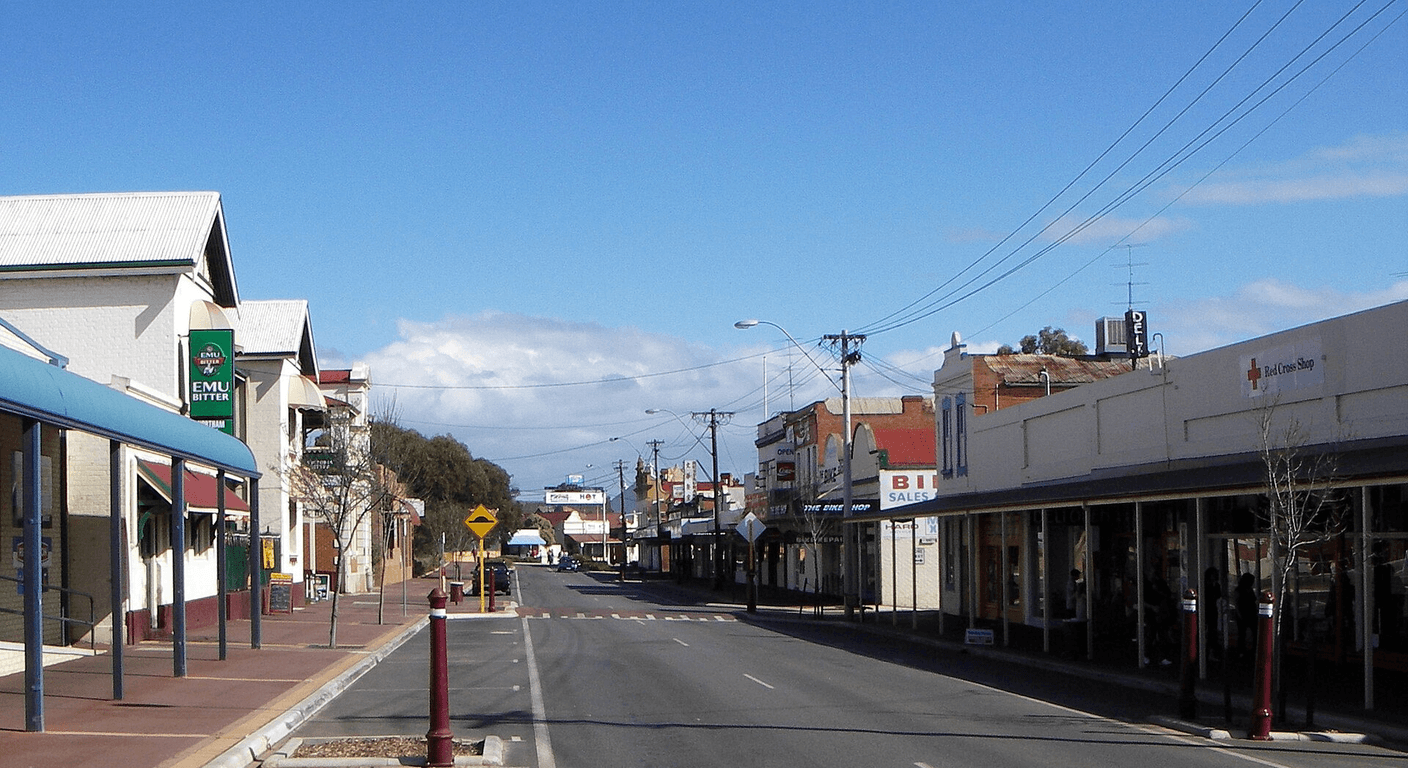
Albany is the natural base. It's a substantial town with good accommodation across several price points, decent restaurants, a working waterfront and the kind of infrastructure — pharmacies, medical centres, reliable Wi-Fi — that matters when you're travelling for more than a weekend. Mount Barker township itself, about 55 kilometres north, has a handful of accommodation options and a quieter character if you prefer to wake up inside the wine country.
The critical planning point: there is no practical public transport between cellar doors. You'll need either a nominated non-drinking driver in your group or a pre-booked small-group wine tour departing from Albany or Mount Barker. Several operators offer half-day and full-day tours specifically covering Great Southern producers — Tourism Great Southern's website is the best starting point for current options. Confirm availability and pricing directly with operators.
Which cellar doors suit an unhurried visit?
Tasting fees across the region are generally in the $5–$15 range per person, and many producers will waive or credit the fee against a purchase. Confirm the current policy at each door when you book or arrive, as these arrangements do change. The fees reflect the region's ethos: this is working wine country, not a theme park, and the producers appreciate visitors who are genuinely curious rather than simply ticking boxes.
Plantagenet Wines, one of the region's founding producers, offers a solid introduction to the breadth of Great Southern varieties — riesling, shiraz, cabernet and chardonnay among them — in a heritage building in Mount Barker township. It's a practical first stop, particularly for those who want to orient themselves before venturing further. Nearby, Galafrey Wines is a family operation that has been producing riesling since the 1970s with a quiet consistency that earns respect.
For the Porongurup subregion — a distinct, cooler pocket sheltered by the granite range — Castle Rock Estate is the standout. The cellar door overlooks the range itself, and the rieslings produced here have a particular purity that serious wine travellers seek out specifically. Duke's Vineyard, also in the Porongurup, is another small family producer worth the detour. Neither is large or flashy. Both are exactly right.
Beyond the glass — food, landscape and the Porongurup Range
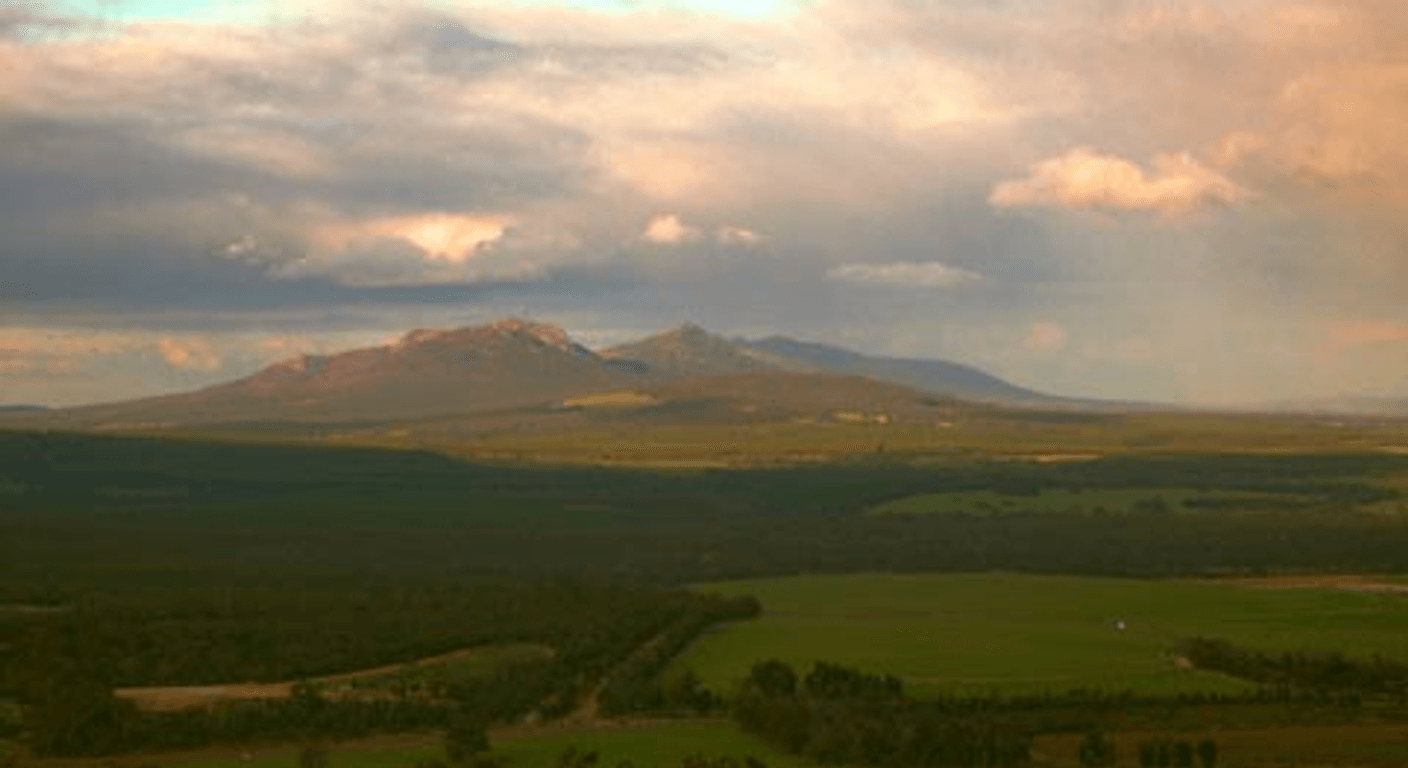
The Porongurup Range National Park sits directly behind its namesake wine subregion, and even travellers with no particular interest in bushwalking tend to find themselves drawn toward the granite formations. The Tree in the Rock lookout walk is around two kilometres return and relatively accessible, though the final approach to the granite viewing platform involves some uneven rock surface — sensible footwear is worth taking seriously here. The views across the karri forest and south toward the Southern Ocean on a clear day are the kind that stay with you.
Mount Barker township has a small but reliable café and bakery scene, and the region's farmers' market — check Tourism Great Southern for current dates and locations — is a good way to pick up local produce. For a more considered meal, Albany remains the destination: the town's dining scene has strengthened considerably in recent years, with several restaurants now sourcing directly from Great Southern producers. Seek out menus that pair local wine with locally caught fish or Margaret River–style charcuterie boards.
For Indian Australian travellers, or anyone who finds purely European wine-and-cheese formats a little one-dimensional, the Great Southern's produce offers some pleasing flexibility. Local lamb, in particular, is exceptional — the region's pasture-fed animals are among the best in the state — and it pairs naturally with the region's shiraz. A good bottle of Mount Barker shiraz and a slow-cooked lamb dish is a combination that crosses every culinary boundary comfortably.
How to pace a three or four-day visit
Day one is best kept gentle, especially if you've flown from the eastern states. Arrive in Albany, settle in, walk the waterfront or visit the Museum of the Great Southern (part of the Museums Victoria network — confirm details via the Albany Visitor Centre) and have dinner somewhere local without attempting a cellar door. You'll appreciate the wine more when you're rested.
Days two and three can each absorb one or two cellar doors comfortably, with lunch in between and a short walk or scenic drive to break up the sitting. The Porongurup circuit — Castle Rock Estate in the morning, Tree in the Rock walk after lunch, Duke's Vineyard on the way back — makes a satisfying single day. The Mount Barker township producers (Plantagenet, Galafrey) work well as a separate half-day, leaving the afternoon free.
Day four, if you have it, is worth giving to Albany itself: the Whale World museum at Discovery Bay is one of the more genuinely affecting maritime heritage sites in Australia, and the town's history as a whaling centre until 1978 gives it a complicated, honest character that repays a few hours. It's not wine tourism, but it's the kind of context that makes a place feel real rather than curated.
What does it cost, honestly?
The Great Southern is not an inexpensive destination to reach from the eastern states — flights and accommodation are the main costs — but the in-region experience is notably good value. Tasting fees of $5–$15 per person mean a couple can visit three cellar doors in a day for well under $100 in entry costs, and buying a mixed case to bring home is straightforward given most producers offer freight to eastern Australian addresses (confirm with each winery).
Mid-range accommodation in Albany runs roughly $150–$250 per night for a comfortable double room; Mount Barker has more modest options. Lunch at a cellar door or local café is typically $25–$45 per person. A small-group wine tour from Albany, if that's your preferred way to manage the driving question, runs roughly $100–$180 per person for a half-day — indicative only, confirm directly with operators. All costs should be verified before booking, as they will have moved.
Travel insurance is worth thinking about carefully before any trip to regional Western Australia. Confirm that your policy covers pre-existing conditions and includes medical evacuation — the nearest major hospital is in Albany, which is well-equipped, but for anything serious, Perth is the destination. The Insurance Council of Australia (insurancecouncil.com.au) has guidance on what to look for in travel policies for older Australians.
Seasonal notes — when to go and when to think twice
Autumn is the prime season. March through May brings harvest energy to the wineries, mild days in the low twenties, and the particular golden light that the Great Southern does exceptionally well in April. Cellar doors are open but not overrun. The Porongurup walks are comfortable in long sleeves. This is the visit that converts people into repeat visitors.
Spring — September to November — is the other strong window. Wildflowers are a genuine spectacle in the surrounding national parks, and the wine region is emerging from its winter quiet with fresh energy. Summer (December to February) can be warm and occasionally hot, though rarely extreme; it's manageable but not the ideal season for walking or for lingering on exposed cellar door terraces. Winter is mild by most Australian standards but some smaller cellar doors reduce hours or close entirely — confirm before making the trip.
Quick planning guide
| Ideal pace | Slow and unhurried — one or two cellar doors a day |
|---|---|
| Best months | March–May (autumn) or September–November (spring) |
| Suggested stay | Three to four days |
| Mobility level | Easy, with one short walk over uneven granite |
| Cost level | Moderate — modest tasting fees, main cost is flights and accommodation |
| Comfort level | High, with Albany offering solid accommodation, dining and medical infrastructure |
| Best for | Wine travellers wanting a quieter alternative to the Barossa or Margaret River |
| Main planning consideration | No public transport between cellar doors — arrange a non-drinking driver or a pre-booked wine tour |
Key takeaways
- Mount Barker and the Porongurup are among Australia's oldest cool-climate wine districts, with riesling and shiraz as the benchmark varieties.
- Cellar door tasting fees are typically $5–$15 per person, often redeemable on purchase — confirm each producer's current policy on arrival.
- A designated driver or pre-booked small-group tour from Albany is essential; there is no practical public transport between cellar doors.
- Autumn (March–May) and spring (September–November) are the most rewarding seasons for comfort, scenery and cellar door atmosphere.
- Albany is the practical base, reachable via connecting regional flight from Perth or a four-and-a-half-hour drive south.
- The Porongurup Range National Park offers accessible short walks — including the Tree in the Rock lookout — that complement a wine-focused itinerary without demanding serious fitness.
Recommended partners and links
Indicative prices only — always confirm with the operator before booking.
Frequently asked questions
Do I need to book cellar door visits in the Great Southern in advance?
Smaller producers in the Porongurup — Castle Rock Estate and Duke's Vineyard among them — are worth calling ahead, particularly outside peak season or if you're visiting mid-week. Plantagenet Wines in Mount Barker township generally welcomes walk-ins during opening hours. Check each producer's current hours and booking requirements directly, as these vary and do change.
Can I visit Mount Barker and the Porongurup wine region without driving?
Yes, but you'll need to pre-book a small-group wine tour from Albany. Several operators offer half-day and full-day Great Southern cellar door tours — Tourism Great Southern's website (greatsouthern.com.au) is the best place to find current licensed operators. There is no scheduled public transport connecting the cellar doors, and taxis or rideshare services are limited in this rural area.
How does Great Southern riesling differ from Clare Valley or Eden Valley riesling?
Great Southern riesling tends to be particularly mineral and linear, reflecting the region's granitic soils and cool maritime-influenced climate. Clare Valley rieslings are often described as more citrus-driven with a lime-juice intensity; Eden Valley versions lean toward floral and slate characters. All three age well, but Great Southern riesling is less widely known, which means older vintages can often be found at cellar door prices that would be impossible in more famous regions.
What is the Porongurup Range National Park like for walkers with moderate fitness?
The Tree in the Rock lookout walk is around two kilometres return and suitable for most travellers with moderate fitness — the track is well-maintained but the final granite section requires care with footwear. The Hayward and Nancy Peaks circuit is longer and more demanding and better suited to those who walk regularly. Parks and Wildlife Service Western Australia (dpaw.wa.gov.au) publishes current track conditions and accessibility information.
Is travel insurance for Western Australia worth the cost for over-50s from the eastern states?
Domestic travel insurance for regional Western Australia is genuinely useful rather than merely cautionary. Medical facilities in Albany are solid, but serious incidents may require evacuation to Perth. For travellers with pre-existing conditions, confirming that your policy covers those conditions specifically — and includes emergency transport — is important. The Insurance Council of Australia (insurancecouncil.com.au) offers guidance on comparing policies for older Australian travellers.
- Tourism Great Southern — official regional visitor information
- Porongurup Range Tourism Association
- Parks and Wildlife Service WA — Porongurup National Park
- Wine Australia — Great Southern region profile
- Insurance Council of Australia — travel insurance guidance
- Qantas — domestic flights to Albany via Perth