Mudgee, in the NSW Central Tablelands, suits couples wanting a quieter, more personal alternative to the Hunter Valley, with best results visiting midweek during the cooler months when winemakers pour their own wines with time to talk. Two to three nights allows a proper pace. The heritage town centre is flat and walkable, but reaching cellar doors requires a car, tour or arranged transport, and there's no direct train — most visitors drive around 3.5 hours from Sydney.
Why Mudgee Works So Well for Older Travellers
There is a particular pleasure in walking into a cellar door and being the only people there. In Mudgee, that is still a realistic expectation on a Tuesday or Wednesday, even in the cooler months when the reds are pouring especially well. The region sits at around 450 to 600 metres above sea level in the Central Tablelands, which gives the wines a structure and depth that suits the slower, more attentive pace most over-60 travellers prefer.
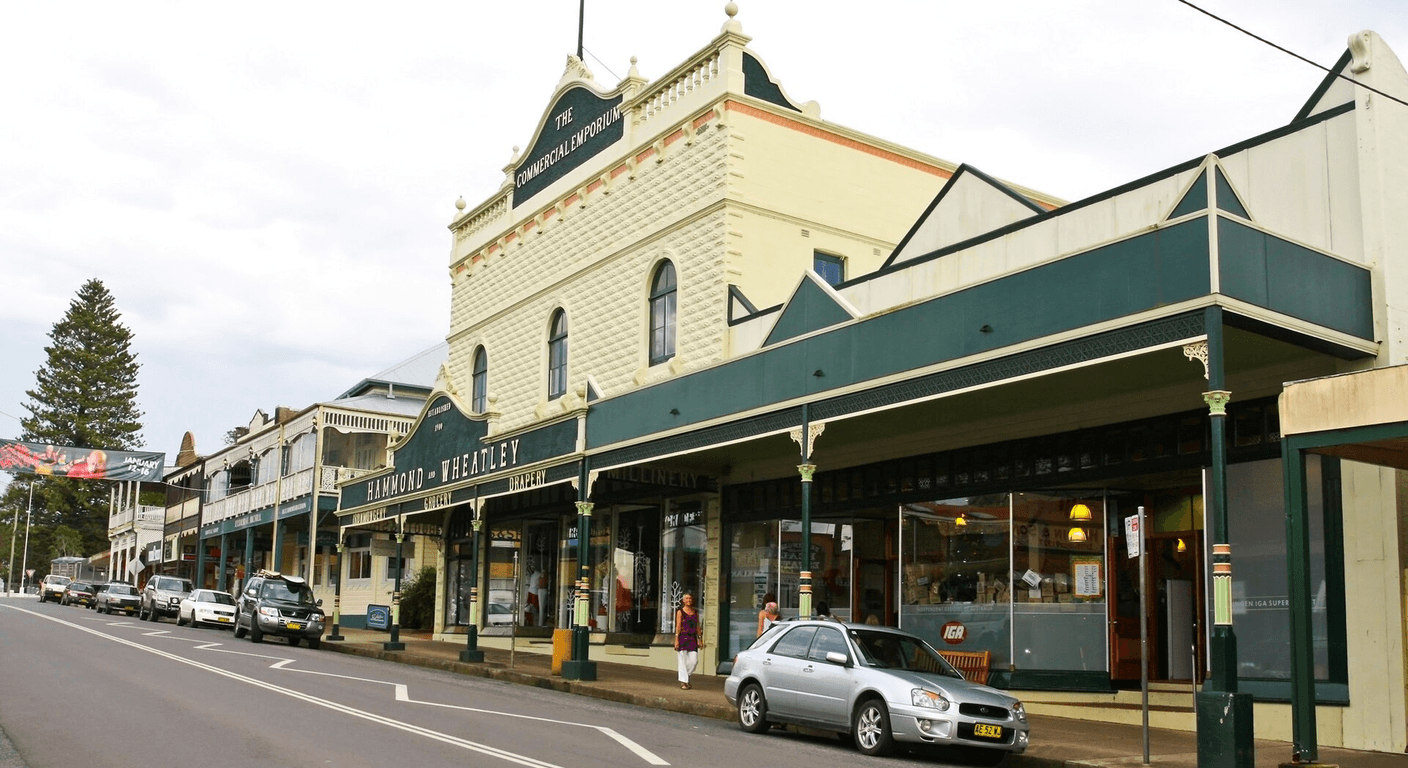
The town itself is compact and largely flat in its heritage centre, which matters more than it sounds. Market Street and Church Street form the social spine of Mudgee, and you can walk from a good breakfast at a cafe to the visitor information centre to the first cellar door on your list without needing a car. That said, most of the vineyards fan out across the surrounding countryside, so having transport sorted in advance — whether a hire car, a lift from your accommodation, or a local tour operator — is essential to getting the most from the region.
For a couple who has done the Hunter Valley a few times and found the weekend crowds and coach-tour pace a little wearing, Mudgee offers a reset. The scale is human. Winemakers often pour their own wines and are genuinely interested in talking through what you are tasting. That kind of unhurried exchange is not always available in a more commercialised wine region, and it is one of Mudgee's most underrated qualities.
How Do Cellar Door Tastings Work in Mudgee?
Most Mudgee cellar doors charge a tasting fee, typically in the range of around $10 to $15 per person, though this varies by producer and is worth confirming directly before you visit. In many cases — though not all — the fee is redeemable against a purchase, so if you find a wine you like and buy a bottle or two, the tasting cost effectively disappears. Always ask about this policy when you book or arrive, as it varies from property to property.
Booking ahead has become standard practice across the region, particularly for weekends and public holidays. Most cellar doors now list booking options on their websites or through the Mudgee Region Tourism site. Midweek visits often still accept walk-ins, but it is sensible to call ahead regardless — some of the smaller family operations are only staffed on certain days, and a quick phone call avoids a wasted drive.
A practical note for anyone with mobility considerations: cellar door accessibility varies considerably. Some properties have smooth paths, step-free entrances, and accessible bathrooms; others involve gravel driveways, steps, or uneven ground around barrel rooms and gardens. The Mudgee Region Tourism website is a reasonable starting point for accessibility information, and calling the cellar door directly remains the most reliable way to understand what to expect before arrival.
Which Cellar Doors Are Worth Prioritising?
Robert Oatley Vineyards is one of the region's larger and better-known operations, with a well-appointed cellar door and a range that covers Mudgee staples including Shiraz, Cabernet Sauvignon, and Chardonnay. It suits those who want a polished, comfortable experience with a broad selection. The property has good parking and a relatively accessible layout, though it is worth checking their current opening hours and booking requirements via their website.
At the smaller end, family-run producers such as Lowe Wines and di Lusso Estate offer a more intimate experience, often with the winemaker or a family member on hand to guide the tasting. Lowe has a particular focus on organic and minimal-intervention wines, which appeals to travellers interested in how the wine is made as much as how it tastes. di Lusso takes an Italian-inspired approach to both its wines and its food offering, which may resonate with visitors who appreciate that cultural thread through their eating and drinking.
Bunnamagoo Estate, a little further out from town, produces wines across a wide range and has a cellar door with rural views that reward the short drive. For those who want to taste wines from multiple producers without committing to full tastings at each, it is also worth checking whether any local wine shops or bars in the town centre offer regional flights — this can be a lower-cost and lower-commitment way to sample the region's range before deciding which cellar door to visit in full.
Solving the Driving Problem: Local Tour Options
The practical reality of a wine region is that someone has to stay sober enough to drive, and that can take the pleasure out of an afternoon of cellar door visits for a couple travelling together. Mudgee has a small but useful selection of local tour operators who run guided cellar door experiences, typically visiting three or four properties across a half-day or full day. These tours usually include transport from your accommodation or a central meeting point, and the local operators know which cellar doors are open, which are pouring something special, and how to pace the day.
Indicative pricing for a half-day guided tour runs roughly $90 to $120 per person, though this varies by operator and what is included, so confirm directly and check what the tasting fees arrangement is. Some operators include tasting fees in the tour price; others do not. For travellers who find driving on unfamiliar country roads tiring, or who simply want to hand the logistics to someone else for the day, a guided tour is a sensible investment. It also tends to produce better conversations at the cellar door, because the operator often has an existing relationship with the winemakers.
Alternatively, some accommodation providers in the Mudgee area — particularly boutique guesthouses and bed-and-breakfasts — can arrange transport or connect you with a local driver for a half-day. It is worth asking when you book your accommodation, as this kind of informal arrangement can be both cost-effective and flexible.
The Mudgee Farmers Market and Town-Centre Eating
The Mudgee Farmers Market runs on the second Saturday of each month in the grounds of the Mudgee Showground, and it is one of the more authentic regional markets in New South Wales. Expect local producers selling olive oil, honey, cheese, smallgoods, seasonal vegetables, and baked goods, alongside prepared food stalls. For travellers who enjoy building a picnic from market produce and then heading out to a cellar door with a hamper, this is a natural starting point — and it gives you a grounding in what the region actually grows and makes.
The town centre itself has a solid range of cafes, restaurants, and providores that make a day or two in Mudgee genuinely enjoyable without setting foot in a vineyard. Church Street in particular has a cluster of options at different price points. Elske, a well-regarded cafe and wine bar, has drawn consistent attention for its food and its regional wine list. The Mudgee Brewing Co offers a break from wine if someone in your group prefers a craft beer with lunch. And the older historic pubs along Market Street are worth a look for a quieter afternoon drink and a glimpse of the town's colonial-era architecture.
For those who want to bring a little of Mudgee home, the local IGA and several deli-style shops in the centre stock regional produce alongside the wines available at cellar doors. If you have driven from Victoria, a cool bag in the boot makes it easy to carry back a selection of local olive oils, preserves, and a case of wine without worrying about airline restrictions.
Getting to Mudgee from Victoria: What to Expect
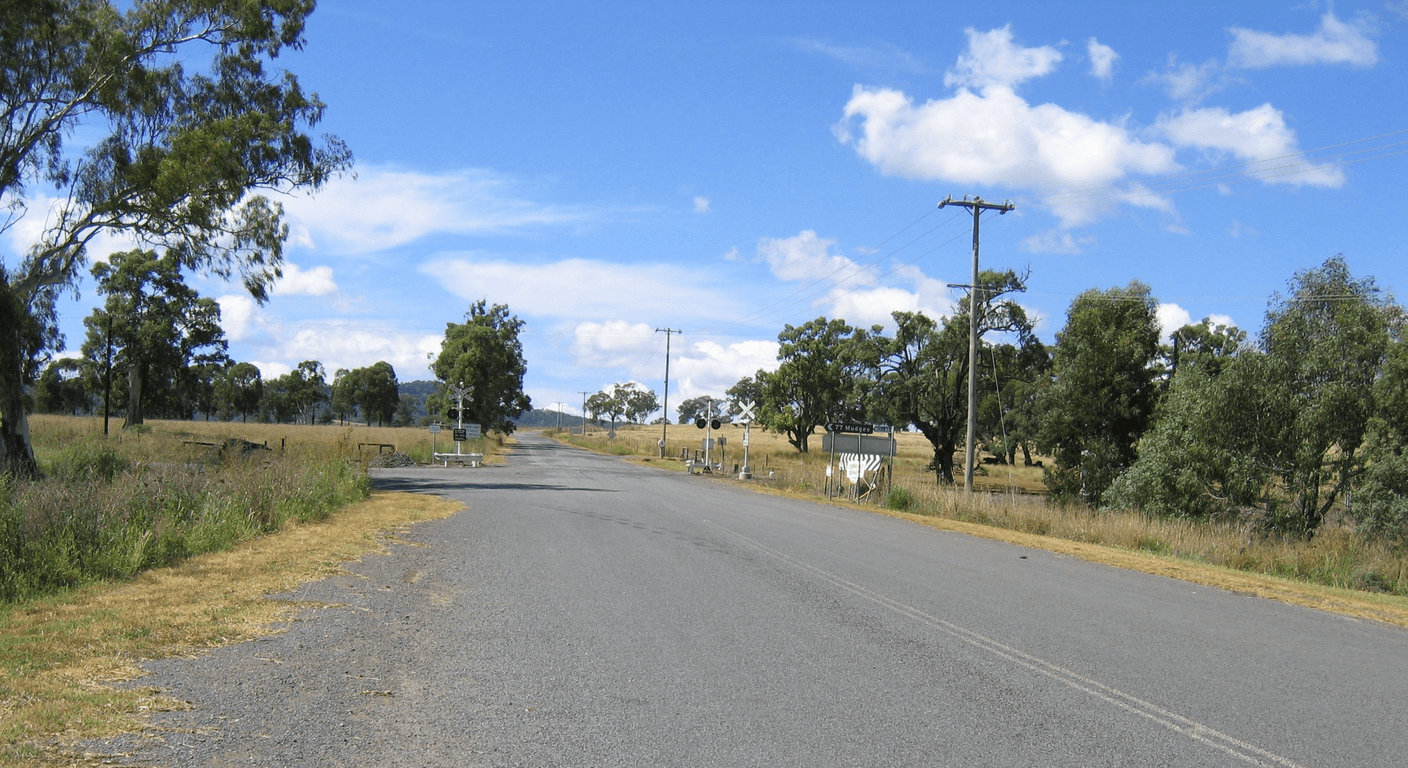
Mudgee is not a quick trip from Victoria, and that is worth stating plainly. The most common approach for Victorian travellers is to fly into Sydney and then drive or take a coach to Mudgee — the drive from Sydney is roughly 3.5 hours via the Great Western Highway through Lithgow, then north through the Capertee Valley. That drive is itself scenic and manageable, though the stretch of the Great Western Highway through the Blue Mountains requires some alertness. Breaking the journey at Lithgow or Bathurst for lunch is a sensible option.
There is no direct train service to Mudgee, but NSW TrainLink operates a coach connection from Lithgow (which is on the main Sydney–Bathurst rail line) to Mudgee. Check current timetables and fares via the NSW TrainLink website or Transport for NSW, as schedules can change. This option suits those who would rather not drive the full distance, though it does limit flexibility once you arrive in Mudgee — which is why having a tour operator or accommodation with transport options lined up in advance makes a real difference.
For the return leg, the same options apply in reverse. If you have driven, the route back through Bathurst and across the Great Dividing Range into Victoria via the Hume or Barton highways is well-signed and familiar to many Victorian travellers. Allowing two or three nights in Mudgee makes the journey worthwhile; a single night is possible but leaves little time to settle into the region's pace.
Pacing the Visit: What Two or Three Days Looks Like
A two-night stay gives you one full day for cellar door visits and one morning to explore the town centre before heading home or continuing elsewhere. A three-night stay is more comfortable and allows you to visit the farmers market if your timing aligns with the second Saturday of the month, spend an afternoon doing nothing more than sitting in a vineyard garden with a glass of something local, and still have time for a proper walk around the heritage streetscape.
The heritage architecture of Mudgee is worth acknowledging on its own terms. The town has a high concentration of nineteenth-century commercial and residential buildings, many of them well-preserved, and the National Trust has documented a number of them. A slow walk with a heritage trail map — available from the visitor information centre — gives the town a different dimension beyond wine and food, and suits those who enjoy understanding the history of a place as part of the visit.
Mudgee rewards a gentle pace. The temptation is to pack in as many cellar doors as possible, but two or three visits in a day, with time to actually talk to the people pouring, will leave you with a much richer experience than rushing through five or six. Choose quality of conversation over quantity of stamps on the tasting card, and you will leave with a clearer sense of what the region actually produces and why it is worth the trip.
Quick planning guide
| Ideal pace | Slow-paced, two or three cellar doors a day |
|---|---|
| Best months | Cooler months, especially midweek |
| Suggested stay | Two to three nights |
| Mobility level | Moderate - flat, walkable town centre, but cellar door terrain varies (some gravel, steps or uneven ground) |
| Cost level | Moderate - cellar door tastings around $10-15pp, guided tours around $90-120pp |
| Comfort level | Unhurried and personal, with genuine winemaker conversation |
| Best for | Couples wanting a quieter, less commercialised wine region than the Hunter Valley |
| Main planning consideration | Arranging transport in advance, since vineyards are spread through the countryside and there's no direct train to Mudgee |
Key takeaways
- Mudgee cellar door tastings typically cost around $10–$15 per person, often redeemable on purchase — confirm the policy at each property before you visit.
- Midweek visits are the most reliable way to get unhurried, personal service and genuine conversation with winemakers.
- Booking ahead is now standard practice at most Mudgee cellar doors, even for midweek visits.
- Local guided wine tours remove the driving problem and typically run roughly $90–$120 per person for a half-day — confirm inclusions and tasting fee arrangements directly.
- The Mudgee Farmers Market runs on the second Saturday of each month and is a practical starting point for regional produce and picnic supplies.
- Mudgee's flat, walkable heritage town centre means you can spend half a day eating, drinking, and exploring on foot without needing a car.
Recommended partners and links
Indicative prices only — always confirm with the operator before booking.
Frequently asked questions
Do Mudgee cellar doors require bookings?
Booking ahead is now standard practice at most Mudgee cellar doors, particularly for weekends and public holidays. Many smaller producers list booking options on their own websites or through the Mudgee Region Tourism site. Midweek visits are more likely to accept walk-ins, but calling ahead is always advisable, as some family-run operations are only staffed on certain days.
Are Mudgee cellar doors accessible for travellers with mobility considerations?
Accessibility varies considerably across Mudgee's cellar doors. Some have smooth paths, step-free entrances, and accessible bathrooms, while others involve gravel driveways, steps, or uneven ground. The Mudgee Region Tourism website provides some accessibility information, but calling the cellar door directly before your visit is the most reliable way to confirm what to expect.
How do you get to Mudgee from Victoria without driving the whole way?
The most practical option for Victorian travellers is to fly into Sydney and then drive or take a coach to Mudgee, which is roughly 3.5 hours from Sydney. NSW TrainLink also operates a coach connection from Lithgow — which is on the main Sydney–Bathurst rail line — to Mudgee. Check current timetables and fares at the Transport for NSW or NSW TrainLink website, as schedules can change.
When is the Mudgee Farmers Market held?
The Mudgee Farmers Market is held on the second Saturday of each month at the Mudgee Showground. It features local producers selling regional produce including olive oil, honey, cheese, smallgoods, and seasonal vegetables, alongside prepared food stalls. Confirm current dates and times through the Mudgee Region Tourism website before planning your visit around it.
Is Mudgee worth visiting if you have already done the Hunter Valley?
Mudgee offers a noticeably different experience from the Hunter Valley. The scale is smaller, the crowds are thinner — especially midweek — and the family-run character of many cellar doors means you are more likely to talk directly with the winemaker. Travellers who have found the Hunter Valley's more commercialised atmosphere less appealing often find Mudgee a better fit for their pace.