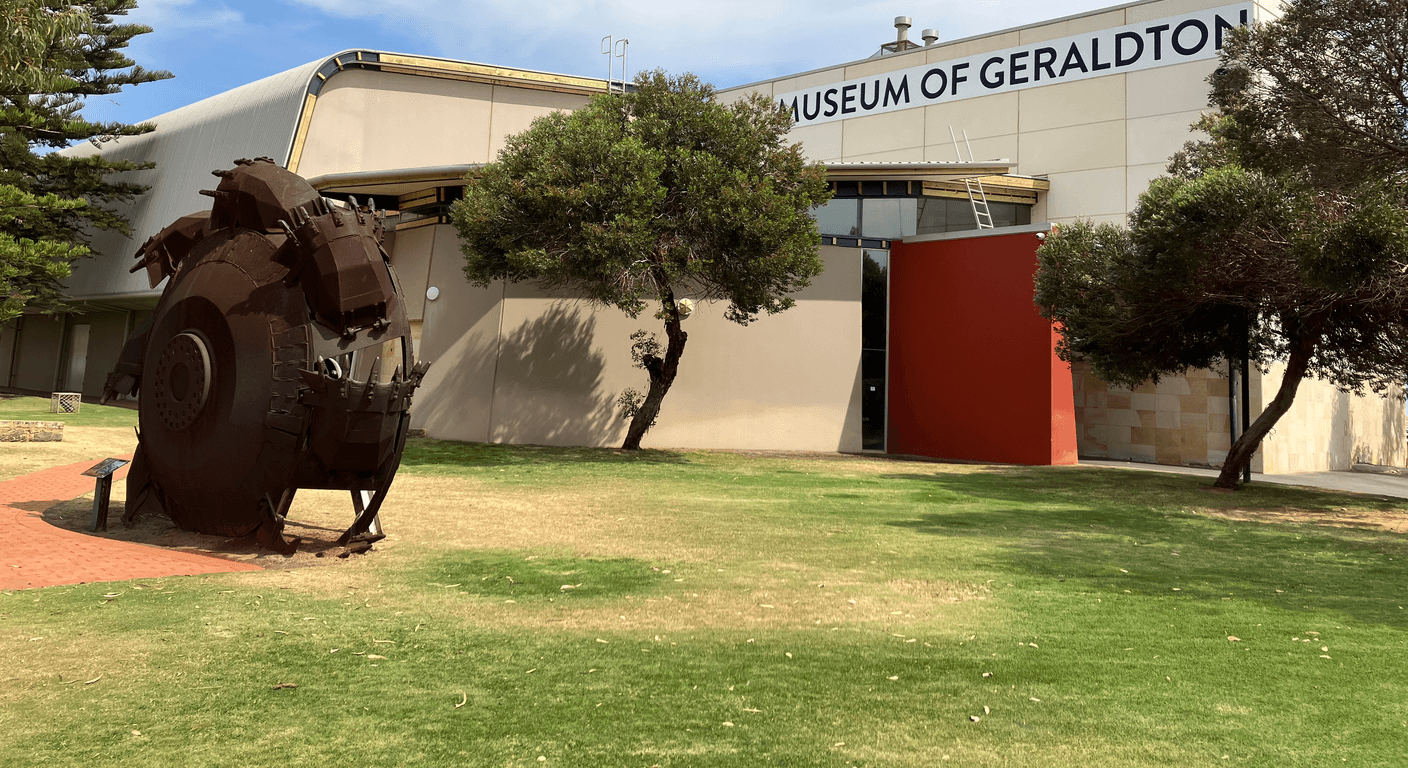
The Museum of Geraldton, on the city's foreshore, offers free entry to one of the Southern Hemisphere's most significant maritime archaeology collections, built around the 1629 Batavia shipwreck's recovered stern section, alongside Yamaji cultural displays. April through October brings the most comfortable conditions. Allow two to three hours inside, or two nights to combine it with the foreshore and HMAS Sydney II Memorial. The fully accessible building has lifts and seating throughout, and Geraldton is reached via a 90-minute regional flight or five-hour drive from Perth.
Why the Batavia Story Still Commands Attention
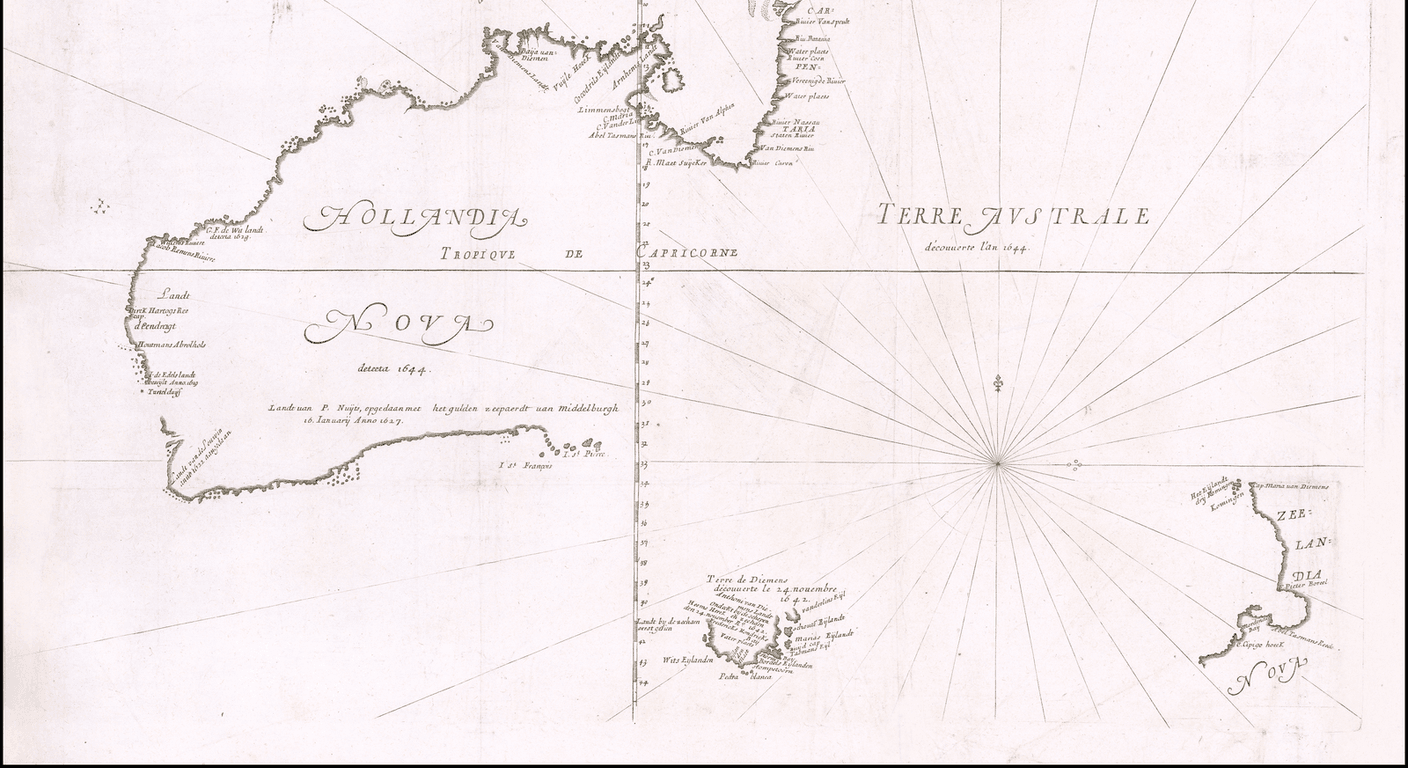
In June 1629, the Batavia — one of the Dutch East India Company's finest merchant vessels — struck the Abrolhos Islands reef system off what is now the Western Australian coast. It was the ship's maiden voyage. What followed the wreck was, by any measure, one of history's more disturbing episodes: a mutiny, a massacre, and an eventual trial conducted on Australian soil centuries before European settlement. The story has the architecture of a dark novel, except that every detail is documented.
For anyone who grew up in a culture shaped by seafaring and mercantile history — and Greek Australians know something about both — the Batavia narrative carries a particular resonance. The VOC was the world's first multinational corporation, and its ambitions, cruelties and occasional brilliance are all present in this one vessel's fate. The museum tells it without sensationalism, which makes it more affecting.
The recovered artefacts are the real draw. The Batavia's stern section — raised from the seabed and painstakingly conserved — dominates the main gallery. Alongside it sit cannons, trade goods, navigational instruments and personal effects that make the 17th century feel uncomfortably close. The conservation work alone, spanning decades, is worth understanding.
What Is Actually Inside the Museum?
The museum occupies a purpose-built building on Geraldton's Marine Terrace foreshore. Galleries are arranged across multiple levels, all connected by lift. The centrepiece is the Batavia shipwreck gallery, which houses the reconstructed stern section of the vessel alongside recovered cargo and personal items. Interpretation panels are clear and well-paced — you won't find yourself squinting at small text in bad light.
Beyond the Batavia, the museum covers other Dutch shipwrecks along the Mid West coast, including the Vergulde Draeck (1656) and the Zuytdorp (1712). Each wreck has its own story, and together they form a coherent picture of how perilous this stretch of coastline was for early European navigation — and how little the Dutch East India Company's captains understood about the currents pushing them east. It's a sobering geography lesson.
The Yamaji cultural displays occupy a significant portion of the museum and deserve equal time. Yamaji people are the traditional custodians of the Mid West region, and the galleries present their history, language, material culture and ongoing presence with care. This isn't an afterthought section — it's integral to understanding the full human story of this coastline, both before and after European contact.
Getting to Geraldton from Victoria and Other States
From Melbourne, the practical route is a direct or one-stop flight to Perth — roughly four hours — followed by either a connecting 90-minute regional flight to Geraldton or a self-drive of around five hours north on the Brand Highway. Rex Airlines and Qantas operate the Perth–Geraldton route; confirm schedules and availability before booking. Transwa also runs coach services from Perth, which suits those who prefer not to drive but want to see the landscape unfold.
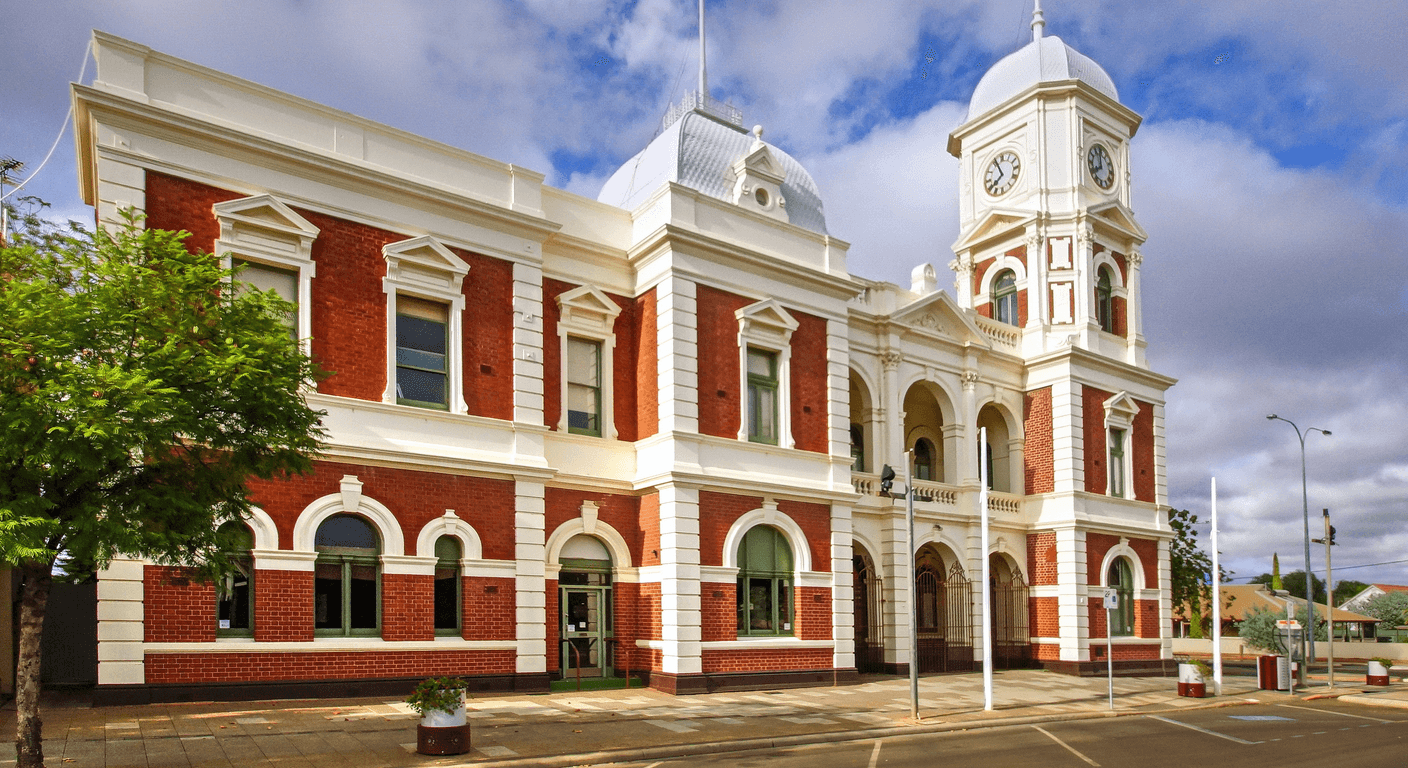
Geraldton itself is a working port city of around 40,000 people — not a boutique coastal village, which is part of its appeal. Accommodation ranges from comfortable motels on the foreshore strip to a handful of well-regarded hotels. For couples, a two-night stay allows a full museum day plus time on the foreshore, at the St Francis Xavier Cathedral (a heritage building of genuine architectural interest), and perhaps a morning drive to the HMAS Sydney II Memorial on the hill above town.
Those driving from Perth should note that the Brand Highway rest stops have been upgraded in recent years, and the drive north through the wheatbelt and wildflower country is pleasant in the cooler months. If wildflowers are the aim, August and September are exceptional along this corridor — though accommodation books up in those months, so plan ahead.
Accessibility and Comfort — the Practical Reality
The Museum of Geraldton is one of the more genuinely accessible regional museums in Australia. The building was designed with lifts connecting all gallery levels, seating is placed throughout, floors are smooth and even, and the climate control is reliable — a real consideration given that Geraldton's summers are hot and dry. Wheelchairs are available on request at the front desk.
Rest rooms are accessible and located on the ground floor and upper levels. The museum's layout allows visitors to move at their own pace without feeling herded through a fixed sequence. For anyone with limited stamina, the Batavia gallery on the main level is the essential stop — it's possible to see the centrepiece collection without navigating the full building.
A café is located nearby on the foreshore precinct, and the waterfront walk between the museum and the town centre is flat and paved. On a mild morning in May or September, it's a genuinely pleasant way to spend two or three hours before lunch.
Planning Your Foreshore Day Around the Museum
The museum sits within easy walking distance of Geraldton's foreshore park, the historic town centre, and several good cafés. A sensible day might open with the museum from around 9:30am, allow two to three hours inside, then move to the foreshore for coffee and a walk before lunch at one of the Marine Terrace restaurants. The HMAS Sydney II Memorial — a solemn and beautifully designed national monument — is a short drive up the hill and takes around 45 minutes to visit properly.
Hours at the museum can be reduced on Western Australian public holidays, and the museum occasionally closes for specific events or maintenance periods. Confirm current opening times directly via the WA Museum website before building the visit into a tight itinerary. This is a straightforward check that avoids a wasted trip.
For couples who enjoy history at a considered pace — the kind where you read the panels, look at the objects properly, and talk about what you've seen over lunch — the Museum of Geraldton offers a genuinely rewarding half-day. There's no pressure to rush. The Batavia has waited nearly 400 years; another hour won't hurt.
The Broader Cultural Picture: Yamaji Country and Living History
It would be a mistake to treat the Yamaji displays as a warm-up act for the shipwreck galleries. The Mid West coast has been inhabited for tens of thousands of years, and the Yamaji people's relationship with this stretch of coastline — its fish, its tides, its seasonal rhythms — predates Dutch cartography by an incomprehensible margin. The museum handles this context with intelligence rather than tokenism.
Visitors who take time with the Yamaji galleries often find they reframe the shipwreck story itself. The Batavia survivors who made it ashore in 1629 arrived on a coastline that was neither empty nor unknown — it was simply unknown to them. That shift in perspective is one of the more useful things a good museum can offer, and this one earns it.
Geraldton is also home to the Yamatji Art gallery and various community cultural events throughout the year. The Geraldton Visitor Centre can advise on what's running during your visit — it's worth a quick stop or a check of their website before you arrive.
Is the Museum of Geraldton Worth a Special Trip?
For travellers whose primary interest is the Batavia, yes — unambiguously. There is nowhere else in the world where you can stand next to the recovered stern section of this vessel and read the documented account of what happened after it sank. The collection is unique, the conservation is world-class, and the free entry makes it one of the better-value cultural experiences on the Western Australian coast.
For those who are passing through Geraldton on a broader Mid West itinerary — Kalbarri National Park, the Pinnacles, the Abrolhos Islands by scenic flight — the museum is an essential half-day that provides historical grounding for everything else you'll see in the region. The Abrolhos Islands, visible on a clear day from the right coastal vantage point, look very different once you understand what lies beneath the water around them.
Geraldton isn't on everyone's radar, and that suits the travellers who do make the effort. The city has a working, unhurried character that feels refreshingly unperformed. The museum, the memorial, the cathedral and the foreshore together make a cultural day that compares well with much better-known Australian destinations.
Quick planning guide
| Ideal pace | Slow, unhurried half-day |
|---|---|
| Best months | April to October for mild, dry conditions |
| Suggested stay | Two to three hours at the museum; two nights for a fuller Geraldton visit |
| Mobility level | Easy — lifts to all levels, seating throughout, smooth even floors |
| Cost level | Free entry |
| Comfort level | Reliable climate control and accessible rest rooms |
| Best for | Couples and history-minded travellers over 50 |
| Main planning consideration | Confirm opening hours via the WA Museum website, as hours reduce on WA public holidays |
Key takeaways
- The Museum of Geraldton is free to enter and houses the world's most significant collection of artefacts from the 1629 Dutch VOC shipwreck Batavia.
- The building is fully accessible — lifts, seating throughout, smooth floors — making it an Easy-rated visit for travellers of all mobility levels.
- Opening hours may be reduced on Western Australian public holidays; confirm current times via the WA Museum website before your visit.
- Geraldton is roughly 90 minutes by regional flight from Perth, or a five-hour drive north on the Brand Highway.
- The Yamaji cultural galleries are an integral part of the museum, not a footnote — allow time for them.
- April through October offers the most comfortable visiting conditions on the Mid West coast, with dry weather and mild temperatures.
Recommended partners and links
Indicative prices only — always confirm with the operator before booking.
Frequently asked questions
Is the Museum of Geraldton free to enter?
Yes, entry to the Museum of Geraldton is free. There is no admission charge for any of the permanent galleries, including the Batavia shipwreck collection and the Yamaji cultural displays. Confirm this remains current via the WA Museum website before your visit.
Is the Museum of Geraldton accessible for visitors with mobility limitations?
The Museum of Geraldton is fully accessible. The building has lifts connecting all gallery levels, seating placed throughout the galleries, smooth and even floors, and accessible rest rooms on multiple levels. Wheelchairs are available on request at the front desk.
What are the Museum of Geraldton's opening hours?
The museum is generally open daily, but hours can be reduced on Western Australian public holidays and the museum may close for specific events or maintenance. Always confirm current opening times directly via museum.wa.gov.au before planning your visit around it.
How do you get from Perth to Geraldton?
Geraldton is approximately 90 minutes from Perth by regional flight (Rex Airlines and Qantas operate this route — confirm schedules before booking) or around five hours by car driving north on the Brand Highway. Transwa operates a coach service from Perth for those who prefer not to drive.
What is the Batavia shipwreck and why is it significant?
The Batavia was a Dutch East India Company vessel that wrecked on the Abrolhos Islands off the Western Australian coast in June 1629 during its maiden voyage. It is significant for the extraordinary maritime archaeology it has yielded and for the documented mutiny and massacre that followed the wreck — among the earliest recorded violent events in Australian history. The Museum of Geraldton holds the reconstructed stern section of the vessel and hundreds of recovered artefacts.