Narrogin sits about 190 kilometres southeast of Perth, roughly a two-hour drive with no practical public transport option. Best visited April to September, with wildflowers appearing from August, it suits either a day trip or a more relaxed overnight stay. The highlight is Foxes Lair, a free bushland reserve with a flat but unsealed three-kilometre loop rich in birdlife, complemented by a walkable historic town centre and heritage courthouse museum. Mobility is moderate — trails are flat but uneven underfoot, manageable with care and a walking pole.
Why Narrogin Works as a Day Trip for Over-50 Travellers
There's a particular satisfaction in arriving somewhere that hasn't been tidied up for visitors. Narrogin, the commercial heart of the Wheatbelt, is a working regional town — grain silos visible from the main street, farmers in for supplies, a pub that's been there since the 1890s. That authenticity is precisely what makes it worth the drive.
The distance from Perth is genuinely manageable. Around 190 kilometres via the Great Southern Highway, the drive takes roughly two hours in comfortable conditions with a flat, well-sealed road through open farmland. For a solo traveller who prefers not to rush, leaving Perth by 8am puts you in Narrogin well before morning tea — time enough for Foxes Lair, lunch, the museum, and a relaxed drive back before dark.
An overnight stay at one of the town's modest hotels or motels adds a different quality to the visit. Arriving in the afternoon, walking Foxes Lair at dusk when the birdlife peaks, then taking the morning at a slower pace before the drive home — that's a genuinely restorative way to spend a night in regional WA. Accommodation options are limited but serviceable; confirm availability and current rates directly with providers before booking.
Foxes Lair: What to Expect on the Trails
Foxes Lair is a surprise. A bushland reserve this close to a town centre — a short, flat walk from the main street — would in many places have been converted to a car park or a dog park. Here, it remains genuinely wild: wandoo and jam tree woodland, a seasonal creek line, and the kind of quiet that makes you aware of birdsong you'd otherwise filter out.
The main loop is around three kilometres, mostly flat and well-defined, though the surface is unsealed throughout — compacted earth and leaf litter, with some sandy patches. Near the creek line, the path narrows and the ground becomes softer in wetter months. For anyone using a walking stick, this is the section to take slowly. Poles with rubber tips handle the surface well; trekking sandals or lightweight trail shoes are more practical than fashion sneakers.
Birdwatching is the quiet drawcard. Inland WA's woodland birds — western rosellas, red-capped robins, grey fantails, and the occasional splendid fairy-wren — are present in good numbers. Early morning is best, before the heat builds, and before any weekend dog walkers arrive. There are no entry fees, no gates, and no facilities beyond a small car park. Carry water, wear a hat, and tell someone your plans if you're visiting alone — not because it's remote, but because it's sensible.
The Historic Town Centre: A Walking Tour at Your Own Pace
Narrogin's heritage streetscape is compact enough to cover on foot in an hour, or two hours if you stop to read the interpretive signage properly. The town was gazetted in 1897 and grew quickly as the railway pushed through the Wheatbelt — the old railway station, now heritage-listed, is one of the most intact examples of Federation-era railway architecture in regional WA.
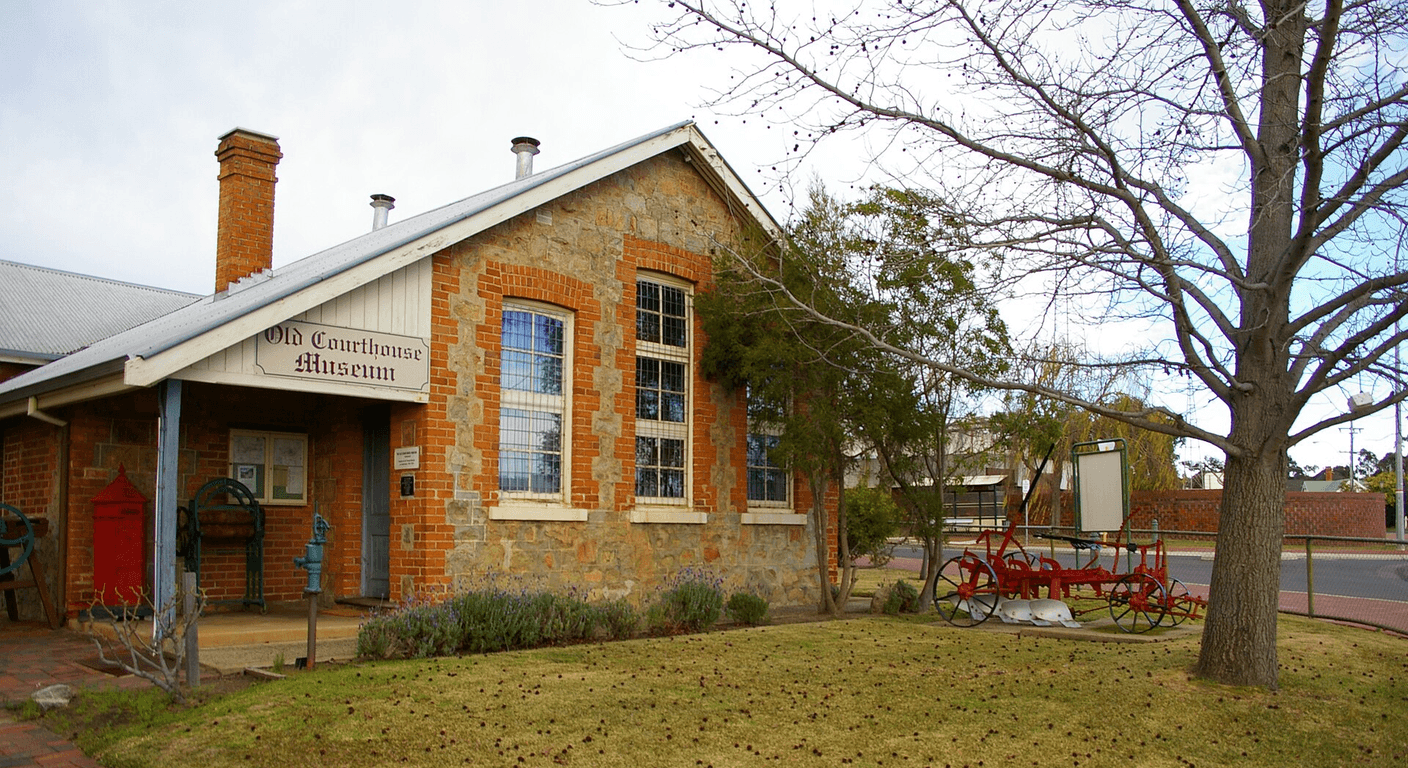
The Narrogin Old Courthouse Museum is worth building your visit around. Housed in a 1894 building that served as courthouse, gaol and police quarters, it holds a solid collection of Wheatbelt social history — farm machinery, domestic objects, documents and photographs that trace the lives of settlers and the Noongar people of the region. Entry is low-cost (confirm current prices at the door or via the Shire of Narrogin website), and the volunteers who staff it are genuinely knowledgeable. Allow at least 45 minutes.
Albert Facey, the author of the Australian classic memoir 'A Fortunate Life', spent years in the Narrogin district — the town acknowledges this connection, and for readers familiar with the book, there's a quiet pleasure in standing in the landscape he described. It's the sort of detail that rewards the culturally curious traveller who did a little reading before leaving home.
Getting There: The Drive from Perth and Practical Logistics
There is no regular public transport service between Perth and Narrogin suitable for a day trip, so a hire car or your own vehicle is the only realistic option. The route via the Great Southern Highway is straightforward and well-signed — no unsealed roads, no challenging terrain. Fuel up in Perth before leaving; there are petrol stations in Narrogin itself, but prices in regional WA can be higher than metro rates.
For travellers flying into Perth from Melbourne or other eastern cities, Narrogin works best as part of a longer WA itinerary rather than a same-day excursion from the airport. A night in Perth to recover from the flight, then a morning departure to Narrogin, gives the trip a much more comfortable shape. The flight from Melbourne to Perth is roughly three and a half hours — not arduous, but a rest night is sensible.
Parking in Narrogin is free and easy, including near the trailhead for Foxes Lair. The town is entirely navigable without GPS once you've arrived, though having it loaded saves the minor stress of finding the museum on unfamiliar streets. The Narrogin Visitor Centre, if open during your visit, is a useful first stop for maps and local advice — confirm their current hours before relying on them.
When to Go: Seasons, Wildflowers and Wheatbelt Weather
The Wheatbelt has a semi-arid climate with hot, dry summers and cool winters. For comfortable walking, April through September is the window — temperatures in the teens to low twenties, clear skies and manageable wind. Summer (December to February) pushes into the high thirties and is genuinely uncomfortable for extended outdoor activity; save Narrogin for the cooler half of the year.
August into September is the wildflower season, and the Wheatbelt's contribution to WA's famous wildflower displays is often overlooked by travellers who head straight for the coast or the midwest. Foxes Lair and the surrounding farmland carry everlastings, wattles and ground orchids in good seasons. Rainfall varies year to year, so check with the Narrogin Visitor Centre closer to your travel date for current conditions.
Winter (June and July) is mild by most standards — cold mornings, occasionally wet, but rarely unpleasant for walking if you're dressed appropriately. The town is quieter then, which suits travellers who prefer to move through places without crowds. A light waterproof layer and layers underneath cover most Wheatbelt winter days comfortably.
Where to Eat and Pause: Narrogin's Cafes and Lunch Options
Narrogin won't be confused with a food destination, and there's no reason to expect it to be. What the town offers is a handful of honest, reliable options for a good coffee and a decent lunch — the sort of places where the serving sizes are generous and the staff know their regulars. Regional cafes in WA can keep variable hours, particularly mid-week, so a quick phone check before driving in saves disappointment.
The main street has a bakery and at least one cafe with sit-down lunch service; the pub offers counter meals in a traditional format. For a solo traveller, a counter seat at a regional pub lunch has its own particular pleasure — unhurried, no performance required, and often the best way to hear what locals think is worth seeing nearby. Indicative lunch costs are modest by city standards; allow roughly $20–$35 for a main meal, and confirm current prices on arrival.
If you're packing for a day trip from Perth, a thermos and a simple packed lunch eaten at a Foxes Lair picnic spot is entirely practical — and leaves more time on the trail. There are shaded areas near the reserve entrance suitable for a mid-morning break.
Practical Tips for Solo Travellers and Those Travelling with Mobility Considerations
For a solo traveller, Narrogin is genuinely low-stress. The town is safe, the people are friendly in the straightforward way of regional WA, and the scale of everything — the reserve, the museum, the main street — means there's no navigational complexity to manage alone. That said, the basics of solo travel in regional areas apply: share your itinerary with someone at home, carry a charged phone, and don't rely on mobile coverage being consistent in the bushland (it's generally fine in town).
Foxes Lair's unsealed paths are the main mobility consideration. Flat, yes — but 'flat' on compacted earth with occasional tree roots is different from flat on a paved path. Anyone who finds uneven ground tiring should plan the Foxes Lair section for the freshest part of the day, take the shorter sections of the loop rather than the full circuit, and use a walking pole if that's normal practice. The reserve has no formal accessibility rating; approach it honestly based on your own current fitness and balance.
Travel insurance is worth noting for any Australian over 50 travelling domestically with pre-existing conditions — check that your policy covers medical evacuation from regional areas, even for a straightforward day trip. For international visitors, this applies even more directly. The nearest major hospital to Narrogin is in Narrogin itself for basic care, with Wagin and Perth for more complex needs — standard Wheatbelt regional reality.
Quick planning guide
| Ideal pace | Slow-paced and unhurried |
|---|---|
| Best months | April to September, with wildflowers from August |
| Suggested stay | Full day trip, or one night for a more relaxed pace |
| Mobility level | Moderate — flat but unsealed trails with tree roots and soft patches near the creek |
| Cost level | Budget-friendly — free reserve, low-cost museum entry, modest lunch prices |
| Comfort level | Simple and comfortable, with limited but serviceable accommodation |
| Best for | Solo travellers, birdwatchers, and those interested in Wheatbelt history |
| Main planning consideration | Requires a hire car or own vehicle, as there is no public transport from Perth; unsealed trail sections need care for anyone with balance or mobility concerns |
Key takeaways
- Foxes Lair is a free bushland reserve in Narrogin with mostly flat, unsealed loop trails and good birdwatching, a short walk from the town centre.
- Narrogin is around two hours southeast of Perth by car — there's no practical public transport option for a day trip.
- April to September is the most comfortable time to visit; wildflowers appear from August in good seasons.
- The unsealed creek-side sections of Foxes Lair require extra care for walking stick users — allow additional time and wear appropriate footwear.
- The Narrogin Old Courthouse Museum offers genuine Wheatbelt social history in a heritage building; confirm hours before visiting.
- An overnight stay rather than a rushed day trip gives the visit a more satisfying shape and allows Foxes Lair at dusk, when birdlife peaks.
Recommended partners and links
Indicative prices only — always confirm with the operator before booking.
Frequently asked questions
Is there an entry fee for Foxes Lair in Narrogin?
No. Foxes Lair is a free public bushland reserve. There are no entry fees, no gates, and no booking required. The reserve is open during daylight hours; confirm any changes with the Shire of Narrogin before visiting.
Can you get to Narrogin from Perth without a car?
Realistically, no — not for a day trip. There is no regular public transport service between Perth and Narrogin that suits a day-trip itinerary. A hire car or your own vehicle is the practical choice. The drive takes roughly two hours on well-sealed roads via the Great Southern Highway.
Are the Foxes Lair trails suitable for someone using a walking stick?
The main loop is mostly flat, but the surface is unsealed throughout — compacted earth and leaf litter — with narrower, softer ground near the creek line. Walking stick users can manage the trails, but should allow extra time, choose rubber-tipped poles, and consider skipping the creek-side section if balance on uneven ground is a concern.
What is the best time of year to visit Narrogin for comfortable walking?
April through September offers the most comfortable temperatures for walking in Narrogin, with mild days typically in the teens to low twenties Celsius. August and September add wildflowers. Summer months (December to February) can reach the high thirties and are not recommended for extended outdoor activity.
What else is worth seeing in Narrogin beyond Foxes Lair?
The Narrogin Old Courthouse Museum is the main cultural stop — a heritage-listed 1894 building housing Wheatbelt social history, including connections to author Albert Facey. The Federation-era railway station is also heritage-listed and visible from the street. The compact main street can be walked comfortably in one to two hours.