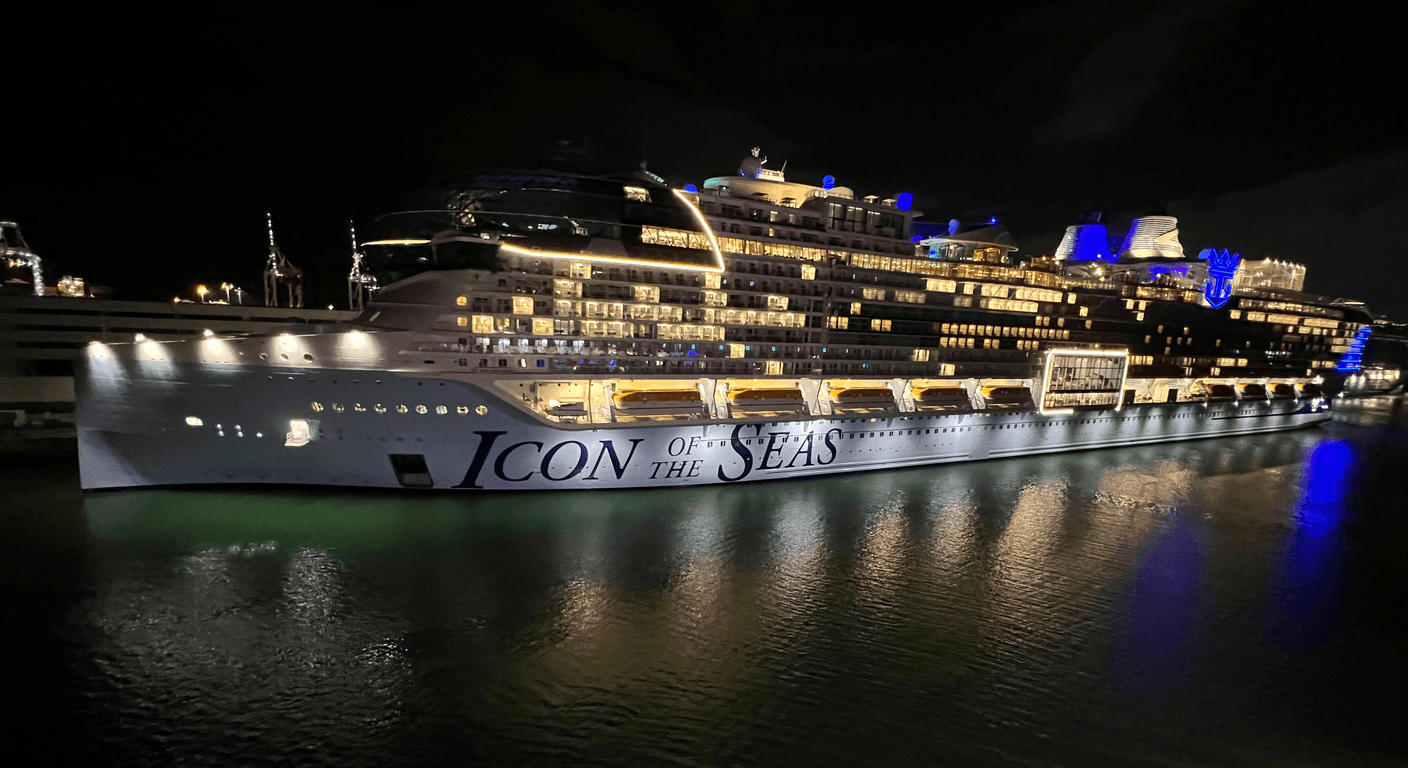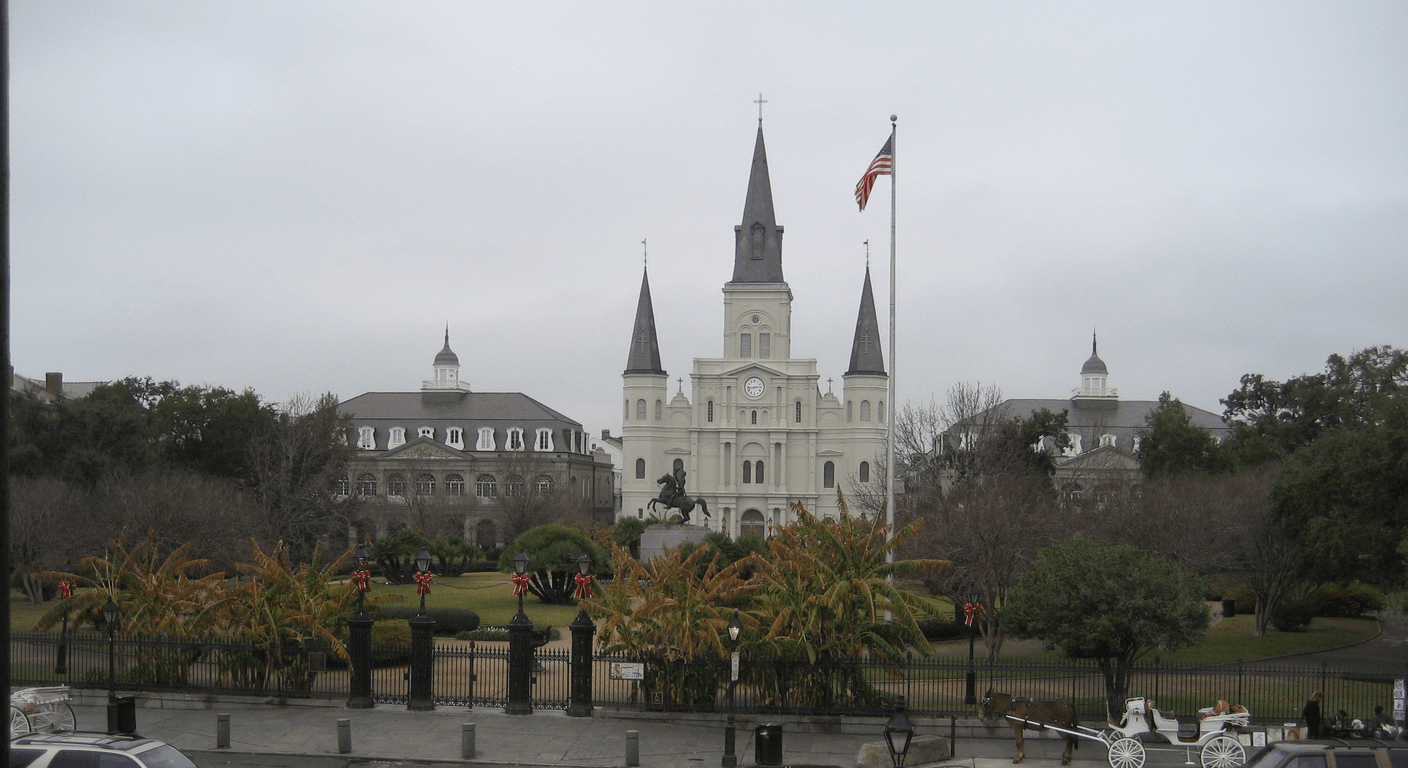
Fly into New Orleans at least one to two nights before your cruise sails, because the journey from Australia takes roughly 24 to 30 hours with a stopover. Cruises run year-round, with cooler, drier months from November to April. Allow two to three nights pre-cruise. Mobility: Easy to Moderate. Access: one stopover, usually via Los Angeles, Dallas or another US hub.
How long is the flight from Australia to New Orleans?
Plan on 24 to 30 hours door to door from Melbourne, Sydney or Brisbane. There are no direct flights. Most itineraries connect through Los Angeles, San Francisco, Dallas or Houston, then a short domestic hop into Louis Armstrong New Orleans International Airport (MSY). Perth travellers usually add a leg, so allow longer.
Economy fares are often in the range of $2,200 to $3,500 return, with premium economy and business well above that. Treat those as indicative and check current fares. A stopover of three hours or more in the US is wise. You must clear immigration and customs at your first US airport, collect and recheck bags, and that process can eat ninety minutes without trying.
Book the connection as one ticket. If the first leg runs late, the airline rebooks you. Two separate tickets leave you paying for the gap. Ask for aisle seats and pre-book assistance if long terminal walks are a concern.
Why arrive one or two days early?
Cruise lines will tell you to arrive the day before. Do better. Arrive two nights early if you can. The time difference is 16 to 17 hours behind Australian eastern time, depending on daylight saving, and the body clock takes days to catch up.
A flight delay on embarkation day can mean missing the ship, and the cruise line will not refund you. Arriving early is the cheapest insurance on the trip. Cost it as two extra hotel nights at around $250 to $450 each (indicative), against a missed sailing worth thousands.
A solo traveller's perspective: a recovery night is also a safety margin when no one else can sort a lost bag or a missed connection. A couple's perspective: two nights lets one partner nap while the other copes with a slow start, and you both reach the ship rested rather than short-tempered.
Where should you stay: French Quarter or Central Business District?
The Central Business District (CBD) and the adjoining Warehouse District suit most over-50 travellers. Hotels there are modern, lifts are reliable, and the Julia Street cruise terminal is a short ride or a flat walk of roughly fifteen to twenty minutes for those with light luggage. Several chain hotels sit along Canal Street and Poydras Street.
The French Quarter has the atmosphere, along with narrow, broken footpaths, balconies over loud streets and some heritage hotels without lifts. Ask for a courtyard room away from Bourbon Street, and confirm lift access before booking. Friday and Saturday nights are loud even on the side streets.
A sensible compromise is a hotel on the CBD edge of the Quarter, around Canal Street, so you can stroll into the Quarter for dinner and be back in bed by nine. Confirm room rates, resort fees and any luggage storage policy for embarkation day directly with the hotel.
How do you get from the airport to the cruise terminal?
MSY sits about 20 kilometres west of downtown. A taxi to the CBD or cruise terminal area has historically been a flat fare for up to two passengers, roughly US$37 at last check, with a per-person charge for extra passengers. Confirm the current fare with the New Orleans Aviation Board or the airport's official website. Uber and Lyft also operate, often for similar money outside peak surges.
Shuttles run from the airport to downtown hotels, but luggage-heavy stops can stretch a 30-minute trip to an hour. For a couple, a taxi or rideshare is usually worth the extra few dollars. Aim for roughly 30 minutes in light traffic, longer at rush hour.
Cruise lines sometimes sell airport transfers bundled with embarkation. These cost around US$20 to US$40 a person (roughly A$30 to A$60), indicative, but tie you to their timing. If your flight lands late, a private ride is more flexible. Check which cruise terminal your ship uses, as New Orleans has two cruise terminals on the riverfront, and confirm the address on the Port of New Orleans website.
What does embarkation day look like?
Times are indicative and vary by ship, so confirm in your cruise documents. Most lines open check-in between roughly 10:30 am and 11:00 am and ask for arrival by early afternoon. Ships typically sail around 4:00 pm to 5:00 pm.
A realistic day: leave the hotel at 11:00 am after a slow breakfast. Reach the terminal by 11:30. Bag drop and security take 15 to 30 minutes. Document checks and photo take another 30 to 45. You are aboard by about 12:30 to 1:00 pm. Cabins are often not ready until 1:00 to 2:00 pm, so lunch at the buffet is the standard waiting room. The muster drill comes before sailing.
The gap between scheduled and useful time is real: the printed arrival window is not the time to turn up at its opening minute, but arriving at 11:00 rather than 2:00 pm usually means shorter queues. Terminals have seating and toilets in the check-in hall. Ask staff for wheelchair assistance in advance if standing in queues is difficult, and notify the cruise line of any mobility needs when booking.
Genuinely skippable: the optional shore excursion booked for the first port is not in play until later, and you do not need to see New Orleans on embarkation morning. Use the previous afternoon instead.
What can you do before boarding?
Keep activities gentle and close to your hotel. The St Charles Avenue streetcar is a flat, scenic ride, roughly US$1.25 each way at last check (confirm current fare), and passes the Garden District's mansions. Walk the Moon Walk riverfront promenade for river views and a rest on benches. In the French Quarter, Café du Monde serves beignets, though queues can be long at peak hours and cash or card limits may apply.
The National WWII Museum is a serious half-day, with seating throughout and good accessibility. Admission has been around US$35 to US$40 for adults (roughly A$55 to A$65), indicative. Jazz is the city's drawcard, and many venues on Frenchmen Street begin early evening sets, so you can see a show and be in bed by 10:00 pm.
Heat and humidity matter. Between May and October, plan outdoor activity for mornings and carry water. A couple's perspective: split the day into a morning outing and an afternoon rest. A solo traveller's perspective: stick to well-lit, populated areas after dark and use a rideshare rather than walking back late, which applies in any large US city.
Entry rules, passports and travel insurance
Australians generally need a valid passport and an approved ESTA (Electronic System for Travel Authorization) for short US visits under the Visa Waiver Program. The ESTA fee has been around US$21 (roughly A$32), indicative. Apply only through the official US Customs and Border Protection site (esta.cbp.dhs.gov), as lookalike sites charge more. Apply well ahead, and confirm current requirements, including any social media or biometric changes, on the CBP and Smartraveller sites before booking.
Check passport validity and condition. Cruise lines may require six months of remaining validity, while US rules differ. Confirm with your cruise line. Your cruise also visits other countries, such as Mexico or the Caribbean, each with its own entry rules. Check each on Smartraveller (smartraveller.gov.au).
Travel insurance is not optional. US healthcare is expensive, and an emergency room visit or hospital stay can reach tens of thousands of dollars. Choose a policy that covers cruising, medical evacuation and pre-existing conditions, and declare every condition honestly, since non-disclosure can void a claim. Premiums for over-70s on a Caribbean cruise can run to several hundred dollars or more (indicative), so compare. Concessions: some state Seniors Card programs offer partner discounts on travel products, but they rarely apply to US cruise bookings. Check Services Australia on how overseas travel affects the Age Pension, as extended absences can alter payments.
Quick planning guide
| Ideal pace | Slow and recovery-first: two to three nights in New Orleans before boarding |
|---|---|
| Best months | November to April for milder weather; summer is hot, humid and hurricane season runs June to November |
| Suggested stay | 2 to 3 nights pre-cruise, plus the cruise itself |
| Mobility level | Easy to Moderate. Flat city, but uneven French Quarter pavements and heat |
| Cost level | Around $250 to $450 a night for a good hotel in peak periods (indicative, confirm current rates) |
| Comfort level | High if you stay near the river or Central Business District and use rideshares |
| Best for | Couples and solo travellers wanting a Caribbean cruise with a proper arrival city |
| Main planning consideration | Jet lag, US entry paperwork and insurance that covers pre-existing conditions |
Key takeaways
- Flying from Australia to New Orleans takes roughly 24 to 30 hours with at least one US stopover.
- Arrive one to two nights before sailing to recover from jet lag and protect against missed ships.
- The Central Business District is the easiest base for over-50s, with lifts, flat streets and a short trip to the terminal.
- A taxi or rideshare from MSY to downtown takes about 30 minutes in light traffic and costs roughly US$37 or more for a flat-fare taxi (confirm).
- Australians generally need a passport and an approved ESTA for the US; apply only through the official CBP site.
- Travel insurance must cover cruising, medical evacuation and declared pre-existing conditions, since US hospital bills run extremely high.
Recommended partners and links
Indicative prices only — always confirm with the operator before booking.
Frequently asked questions
How early should Australians arrive in New Orleans before a cruise?
Arrive at least one night before, and ideally two. The flight from Australia takes roughly 24 to 30 hours and the time difference is about 16 to 17 hours, so a recovery buffer protects both your health and your boarding.
Do Australians need a visa for a cruise from New Orleans?
Australians generally travel to the US under the Visa Waiver Program with an approved ESTA and a valid passport. Rules change, so confirm on the official US CBP and Smartraveller websites before booking. Ports of call may have separate requirements.
How far is New Orleans airport from the cruise terminal?
Louis Armstrong New Orleans International Airport is about 20 kilometres from the downtown cruise terminals. A taxi or rideshare usually takes around 30 minutes in light traffic. Confirm fares and your ship's terminal address with the Port of New Orleans.
Is the French Quarter or the Central Business District better for a pre-cruise hotel?
The Central Business District suits most over-50 travellers, with modern hotels, lifts and a short ride to the terminal. The French Quarter has more character, but uneven pavements, noise and some hotels without lifts. Confirm lift access before booking.
Do you need special travel insurance for a Caribbean cruise?
Yes. Choose a policy that explicitly covers cruising, medical evacuation and any pre-existing conditions you declare. US medical costs are very high, and an unsuitable policy can leave you with a large bill.
Want the next guide like this?
Choose your state, the subjects you care about, or both. We will let you know when a new guide lands. Email once a week at most, or a quiet phone notification on the day it publishes. No advertising, no sponsored content, and we never pass your details to anyone.