Norwegian Cruise Line positions itself around a concept it calls Freestyle Cruising — no fixed dinner sittings, no formal dress requirements, and a broad range of dining venues across its fleet. For Australians over 50 who have spent years navigating the rigid structures of traditional cruise lines, that flexibility has genuine appeal. The catch, and it's worth understanding before you book, is that the model also comes with a layered pricing structure that rewards those who read the fine print.
What is Freestyle Cruising, and does it actually deliver?
NCL's Freestyle Cruising concept, which the line has built its identity around for more than two decades, means you eat when you're hungry, dress as comfortably as you like on most nights, and aren't assigned to a table with strangers for the entire voyage. For anyone who has ever sat through a formal dining sitting at 6 pm because that was the only option, the appeal is obvious.
In practice, the main dining rooms operate across a broad window each evening — typically from around 5:30 pm to 9:30 pm, though you should confirm exact hours with NCL for your specific ship. Speciality restaurants require reservations and carry a surcharge on top of your fare. The casual buffet and quick-service venues run longer hours. For travellers who want to come back from a long afternoon ashore, rest, and eat at 8 pm without ceremony, the model works well.
The dress code is described by NCL as resort casual — neat, comfortable clothing for most evenings, with some venues suggesting smart casual. There are typically optional formal or themed nights, but participation is genuinely optional. For a 73-year-old who has earned the right to wear a good linen shirt without a tie, that's a reasonable arrangement.
How does NCL compare with the traditional lines Australians know?
Australians have grown up with P&O Australia (now wound back), Princess Cruises, and Cunard — lines with structured dining times, formal nights and a particular kind of shipboard ritual. NCL sits in a different lane. It's more resort than ocean liner in atmosphere, more American in its entertainment style, and more transactional in its pricing model. Neither approach is superior; they suit different travellers.
Princess, for example, tends to attract an older, more formal demographic and offers the familiarity of Medallion technology and a strong Australian sales presence. Cunard leans into its British heritage with a formality that some love and others find exhausting. NCL's pitch is that you design your own day. The trade-off is that the base fare is genuinely a starting point, not an all-in figure.
Celebrity Cruises occupies a similar flexibility space to NCL but with a slightly more elevated tone and a strong following among Australian over-50s. Viking Ocean Cruises is smaller-ship, quieter and genuinely all-inclusive — worth comparing if budget allows and large-ship energy isn't your preference. NCL's sweet spot is travellers who want variety, activity and flexibility without the full formality of a traditional line.
The honest cost picture: what Australians need to know before booking
This is where attentive reading pays off. NCL's headline fares are often competitive, but the line operates a strong add-on model. The most significant add-ons are the beverage package (covering alcohol, soft drinks and specialty coffees), a speciality dining package (for access to the surcharge restaurants), and daily gratuities, which NCL typically applies as an automatic service charge per person per day. These are charged in US dollars. Confirm current rates directly with NCL, as they change.
NCL frequently runs promotional offers — 'Free at Sea' has been a recurring campaign — that bundle some of these extras into the fare at a nominal cost. Whether those bundles represent genuine value depends on your drinking habits and how often you plan to use speciality dining. A couple who share a bottle of wine at dinner and prefer the main dining room may find an unbundled fare works out cheaper. Run the numbers for your own travel style before committing.
For Australians, the cost calculation doesn't start at the cruise fare. Add return airfare from Melbourne, Sydney or Brisbane to your embarkation port — Miami, Barcelona, Southampton and Reykjavik are common starting points. Factor in at least one pre-cruise hotel night (a recovery night after a long-haul flight is not optional for most travellers over 50, it's just sensible). Travel insurance, including cover for pre-existing conditions, is a non-negotiable cost that deserves its own line in the budget. Indicative comprehensive cruise travel insurance for a couple in their 70s can be substantial — get quotes from multiple Australian providers and read the pre-existing condition definitions carefully.
Ship size, accessibility and what to expect on board
NCL operates a large fleet, ranging from mid-size ships of around 2,000 passengers to mega-ships carrying well over 4,000. Larger ships offer more dining choices, entertainment venues and pool decks, but they also mean longer walks between venues, more crowded embarkation days and a noisier general atmosphere. For travellers with any mobility considerations, the ship's size is worth factoring in before selecting an itinerary.
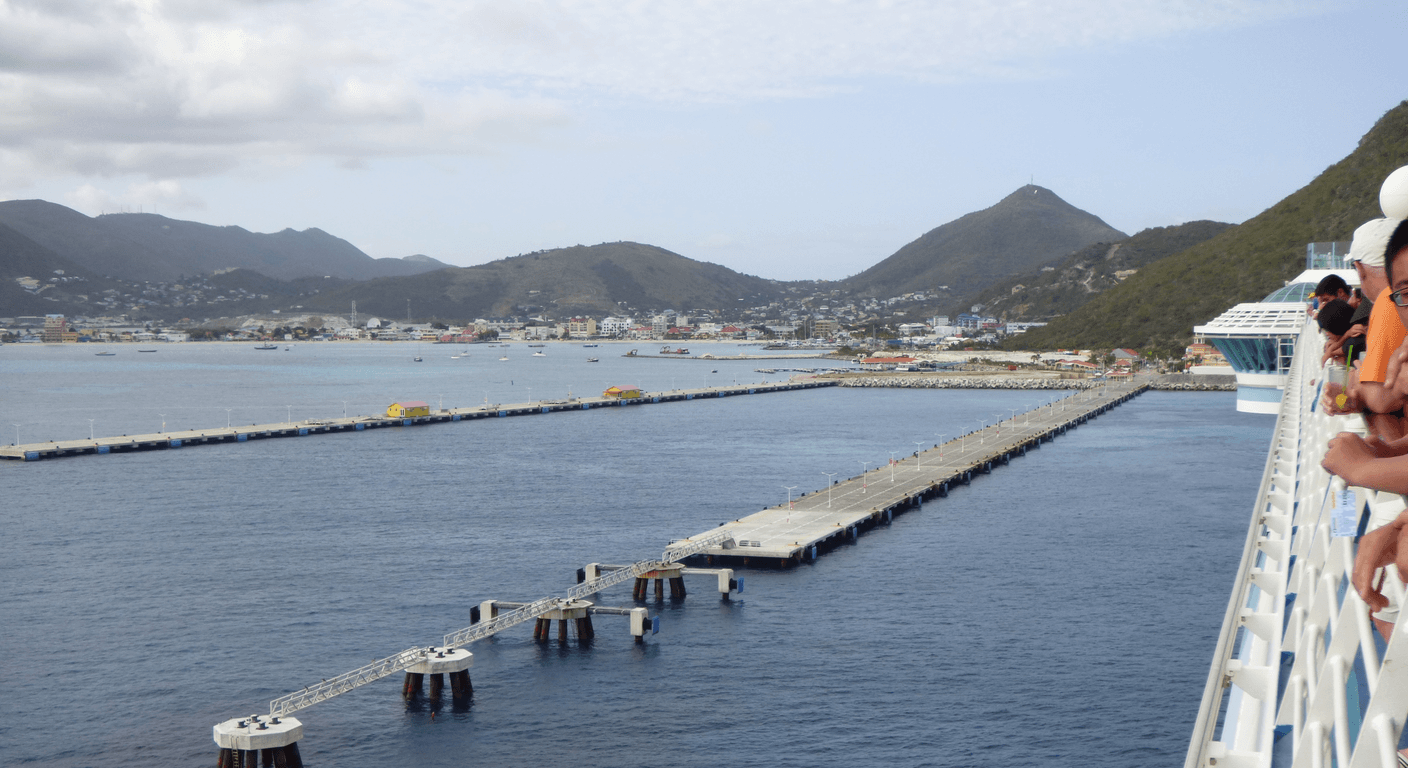
Accessible cabins are available across the fleet — typically designed for wheelchair users, with wider doors, roll-in showers and lowered fittings. NCL's official accessibility page (accessible via ncl.com) outlines the options; contact the line directly to discuss specific requirements rather than relying on general descriptions. Tender ports, where the ship anchors offshore and passengers are ferried ashore in small boats, can present challenges for those with limited mobility or balance concerns. These are common in smaller Mediterranean ports. Check your itinerary's port schedule and ask specifically which stops use tenders.
The onboard experience on a large NCL ship is genuinely resort-like: multiple pool areas, a casino, a theatre, a spa, a range of bars and live music venues, and activity programming throughout the day. For someone who enjoys variety and doesn't want to be bored at sea, it delivers. For someone seeking a quieter, more contemplative voyage, a smaller NCL ship or a different line entirely might be a better fit.
Solo cabins: a genuine option for solo travellers over 50
One of NCL's more practical contributions to cruising has been the introduction of dedicated studio cabins on several ships — compact single-occupancy cabins designed and priced for solo travellers, without the single supplement that can make solo cruising on traditional lines prohibitively expensive. These typically come with access to a Studio Lounge, a social space reserved for solo cabin guests.
The studio cabins are smaller than standard cabins — efficiently designed rather than spacious. They suit travellers who plan to spend most of their time ashore or in the ship's public areas, and who value the social aspect of the lounge. Not all NCL ships carry studio cabins, so this requires specific checking at ncl.com or with your travel agent. Solo travellers who want more space and are prepared to pay a single supplement can of course book a standard cabin solo.
For a solo traveller in their 50s, 60s or 70s — perhaps someone who has lost a partner, or simply prefers travelling independently — NCL's studio cabin model is worth knowing about. It doesn't solve every aspect of solo travel, but it removes one of the most consistent financial barriers. The Studio Lounge also tends to generate its own informal community, which many solo travellers find a welcome social anchor.
Getting there from Australia: the long-haul reality
No amount of enthusiasm for a cruise itinerary should obscure the fact that getting from Melbourne, Sydney or Brisbane to a North American or European embarkation port involves a serious long-haul journey. Miami is typically 20-plus hours from Melbourne, often with a connection through Los Angeles or Dallas. Barcelona runs through the Middle East hubs or via Singapore. These are not day trips.
Arrive at your embarkation city at least one full day before your cruise departs. Two nights is better — it gives you time to recover from jet lag, confirm your boarding documents are in order, and actually enjoy the city before you step on the ship. Sydney to Barcelona, for example, is an opportunity to spend a night in a European hub city en route. That's not inefficiency; it's intelligent travel.
Jet lag management matters more in your 70s than it did in your 40s. Hydration on the flight, moving regularly, adjusting your watch to the destination timezone early, and resisting the urge to nap at the wrong local time all help. Some travellers find a light sleep aid useful for the first night in a new timezone — discuss this with your GP before travel. The cruise itself, with its structured daily rhythm, tends to help the body settle into a new pattern quickly.
Practical planning tips for Australians over 50 booking NCL
Book through an Australian travel agent who specialises in cruising, or directly through NCL's Australian-facing website. An experienced cruise agent can navigate the package comparisons, flag tender ports that may be problematic, and help with accessible cabin requests — that knowledge has real value. Senior Travel Australia is independent and commission-free; this guide is offered as an orientation, and readers are encouraged to confirm all details, pricing and itinerary specifics directly with NCL or their travel agent.
Travel insurance deserves particular attention. Australians over 70 with pre-existing conditions — and that includes the common ones: managed hypertension, type 2 diabetes, replaced joints, atrial fibrillation — need to shop carefully. Not all policies cover medical evacuation from a cruise ship, which can be very expensive. Compare policies from established Australian insurers, declare everything accurately, and read the exclusions. The Australian Government's Smartraveller website (smartraveller.gov.au) has current, reliable guidance on travel insurance considerations.
Currency is a practical matter. NCL ships operate in US dollars. Your onboard account accumulates in USD and is typically settled by credit card at the end of the voyage. Notify your bank before departure to avoid transaction blocks. A travel money card loaded in USD can help manage exchange rate exposure. Check whether your credit card charges foreign transaction fees — some Australian cards marketed to travellers do not.
Key takeaways
- NCL's Freestyle Cruising means no fixed dining times, no compulsory formal nights, and genuine flexibility in how you structure your day at sea.
- The base fare is a starting point: add gratuities, beverage packages, speciality dining and airfare from Australia to build the real cost picture.
- Studio cabins on select NCL ships offer solo travellers a single-supplement-free option — not available on all ships, so confirm before booking.
- Large NCL ships carry 2,000–4,000-plus passengers; ship size affects walking distances, crowd levels and the overall atmosphere on board.
- Tender ports — where you transfer to a small boat to reach shore — can be challenging for travellers with limited mobility; check your itinerary port by port.
- Allow at least one recovery night in your embarkation city after the long-haul flight from Australia before boarding — it makes a measurable difference to the first days at sea.
Recommended partners and links
Indicative prices only — always confirm with the operator before booking.
Frequently asked questions
Is Norwegian Cruise Line good for Australian travellers over 50?
NCL suits Australians over 50 who want flexible dining times, a relaxed dress code and a wide range of itineraries. The Freestyle Cruising model works particularly well for those who dislike the rigid structure of traditional lines. The main considerations are the layered pricing model — gratuities, beverage packages and speciality dining add to the base fare — and the long-haul flight required to reach most NCL embarkation ports from Australia.
Does NCL charge a single supplement for solo travellers?
NCL offers dedicated studio cabins on select ships that are designed and priced for solo travellers without a traditional single supplement. These compact cabins typically include access to a Studio Lounge. Not every NCL ship carries studio cabins, so confirm availability for your chosen ship and itinerary directly at ncl.com before booking.
What is the dress code on Norwegian Cruise Line?
NCL describes its dress code as resort casual for most evenings — neat, comfortable clothing is acceptable in the main dining rooms and most venues. Some speciality restaurants suggest smart casual. There are optional themed or formal nights on some sailings, but participation is genuinely optional. There are no compulsory formal nights.
How accessible are NCL ships for passengers with mobility limitations?
NCL ships have lifts, accessible cabins with roll-in showers and wider doorways, and generally good onboard mobility infrastructure. However, large ships involve significant walking distances, and tender ports — where passengers board a small boat to reach shore — can be difficult for those with limited mobility or balance issues. Contact NCL directly to discuss specific accessibility needs, and check your itinerary for tender ports before booking.
What travel insurance do Australians over 50 need for an NCL cruise?
Australians over 50 cruising with NCL need comprehensive travel insurance that covers medical evacuation at sea, trip cancellation, and pre-existing conditions. Policies vary significantly in what they cover and exclude; declare all pre-existing conditions accurately when applying. The Australian Government's Smartraveller website at smartraveller.gov.au provides current guidance on cruise travel insurance. Compare several Australian insurers before purchasing.