The Gold Senior/Pensioner Opal card caps a full day of Sydney trains, buses, light rail and government ferries at around $2.50 for eligible seniors holding a Commonwealth Pensioner Concession Card, DVA Gold Card, or NSW Seniors Card combined with a Commonwealth concession card. The NSW Seniors Card alone does not qualify. Applications go through Service NSW, and travellers should confirm current eligibility rules and the exact cap amount with Transport for NSW before their trip.
What exactly is the Gold Senior/Pensioner Opal card?
The Gold Senior/Pensioner Opal card is a concession smartcard issued by Transport for NSW to eligible older Australians. It works across the entire Opal network — trains, buses, light rail and government ferries — and applies a daily travel cap that is currently around $2.50, meaning once your fares reach that total in a single day, all further Opal travel on the network that day is free. This is not a discount off individual fares; it is a hard ceiling on what you spend, regardless of how many trips you take or how far you travel.
To put that in perspective: a single adult Opal ferry trip from Circular Quay to Manly costs roughly $8 to $9 at full fare (confirm current fares with Transport for NSW). Under the Gold Opal cap, a couple of eligible cardholders could ride that same ferry, come back, and catch a train to the Blue Mountains — all for around $2.50 each, total, for the day. It is an extraordinary concession by any measure, and one that makes Sydney genuinely affordable for older travellers who qualify.
The card is a physical tap-on, tap-off card, just like the standard adult Opal card. It carries your concession entitlement electronically, so you simply tap at the reader at the start and end of every journey, and the system applies the correct fare and cap automatically. There is no need to show a separate card or ask for a discount at the gate.
Who is eligible, and what do you need to apply?
Eligibility for the Gold Senior/Pensioner Opal card is set by Transport for NSW and is tied to specific Australian government concession cards or NSW-issued senior status. Generally, you qualify if you hold a current Pensioner Concession Card issued by Services Australia (Centrelink) or the Department of Veterans' Affairs, a DVA Gold Card (all conditions or specific categories), or an NSW Seniors Card combined with a Commonwealth concession card. Eligibility rules can change, so always confirm your specific situation directly with Transport for NSW or Service NSW before applying.
NSW residents can apply online through Service NSW or at a Service NSW centre. You will need to supply your concession card details, proof of identity, and a contact address. For Victorian residents who hold a Pensioner Concession Card or DVA Gold Card, you may also be eligible — the card is not restricted to NSW residents. The application is straightforward and the card is mailed to you, so it pays to apply a few weeks before a planned Sydney trip.
One important point: the NSW Seniors Card alone — the card that most Victorians in their 60s and 70s carry — does not on its own qualify you for the Gold Opal. You generally need a Commonwealth-issued concession card such as the Pensioner Concession Card alongside it, or a DVA card. If you are not sure which cards you hold, check with Services Australia (servicesaustralia.gov.au) or your nearest Service NSW centre. Do not assume eligibility; check before you travel.
What does the $2.50 daily cap cover — and what does it not?
The daily cap applies to journeys on Transport for NSW services that accept Opal: Sydney Trains, NSW TrainLink intercity trains (such as the Blue Mountains and Central Coast lines), Sydney Buses, Sydney Light Rail, and Sydney Ferries. Within a single calendar day — midnight to midnight — once your Opal fares total around $2.50, every subsequent tap-on is charged at zero. The cap resets at midnight each day.
What the cap does not cover: private ferry operators such as Manly Fast Ferry or some Parramatta River cruise vessels are not part of the government Opal network and charge their own fares regardless of your Gold Opal card. Always check whether the vessel you are boarding is a Sydney Ferries government service or a private operator before assuming the concession applies. The same caution applies to any privately operated bus or coach service.
NSW TrainLink regional train and coach services — those travelling beyond the defined Opal zones, such as intercity journeys to Newcastle or Wollongong beyond the Opal boundary — are handled differently and may not fall fully under the daily cap. If you are planning a day trip to a regional destination, check with Transport for NSW in advance about exactly which portion of the journey is Opal-eligible and what concession applies to the rest.
Using the ferry network as a sightseeing tool
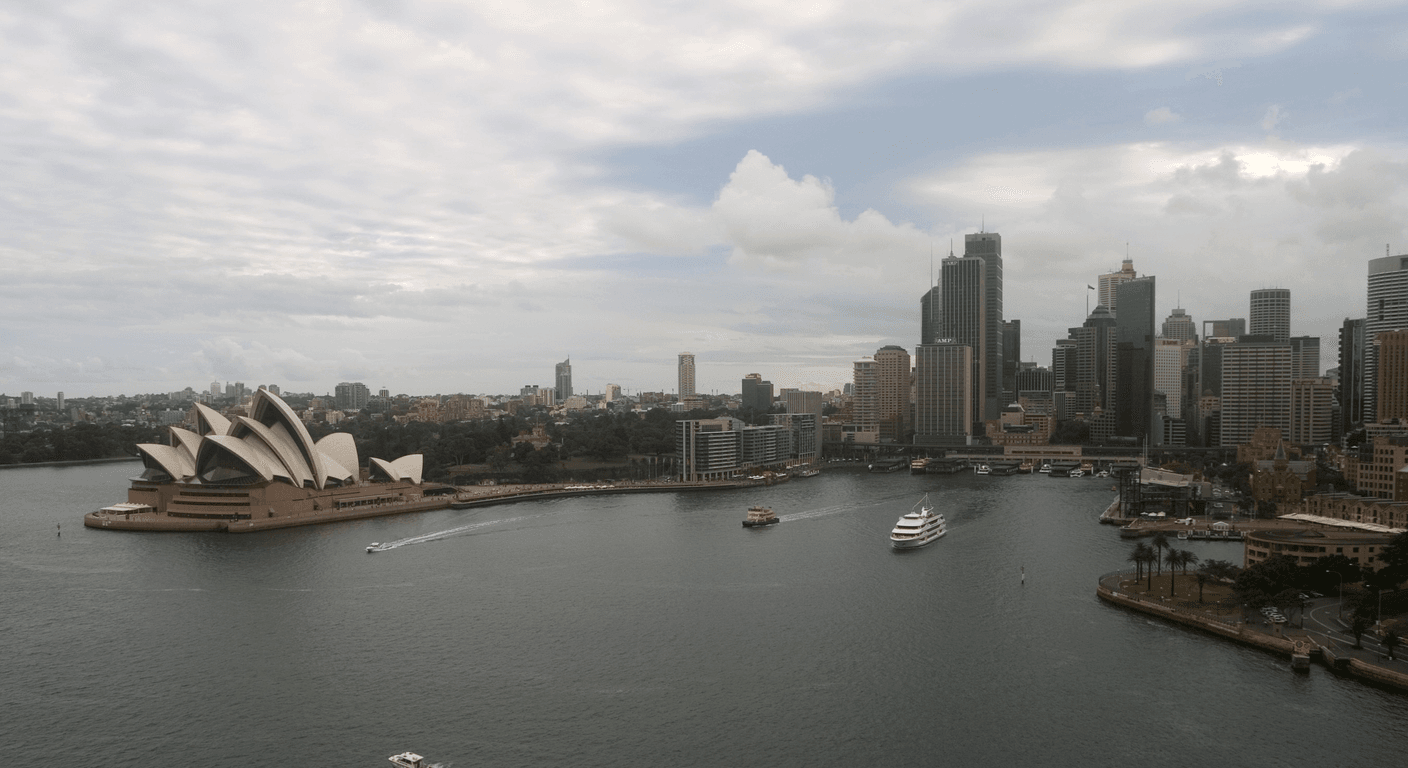
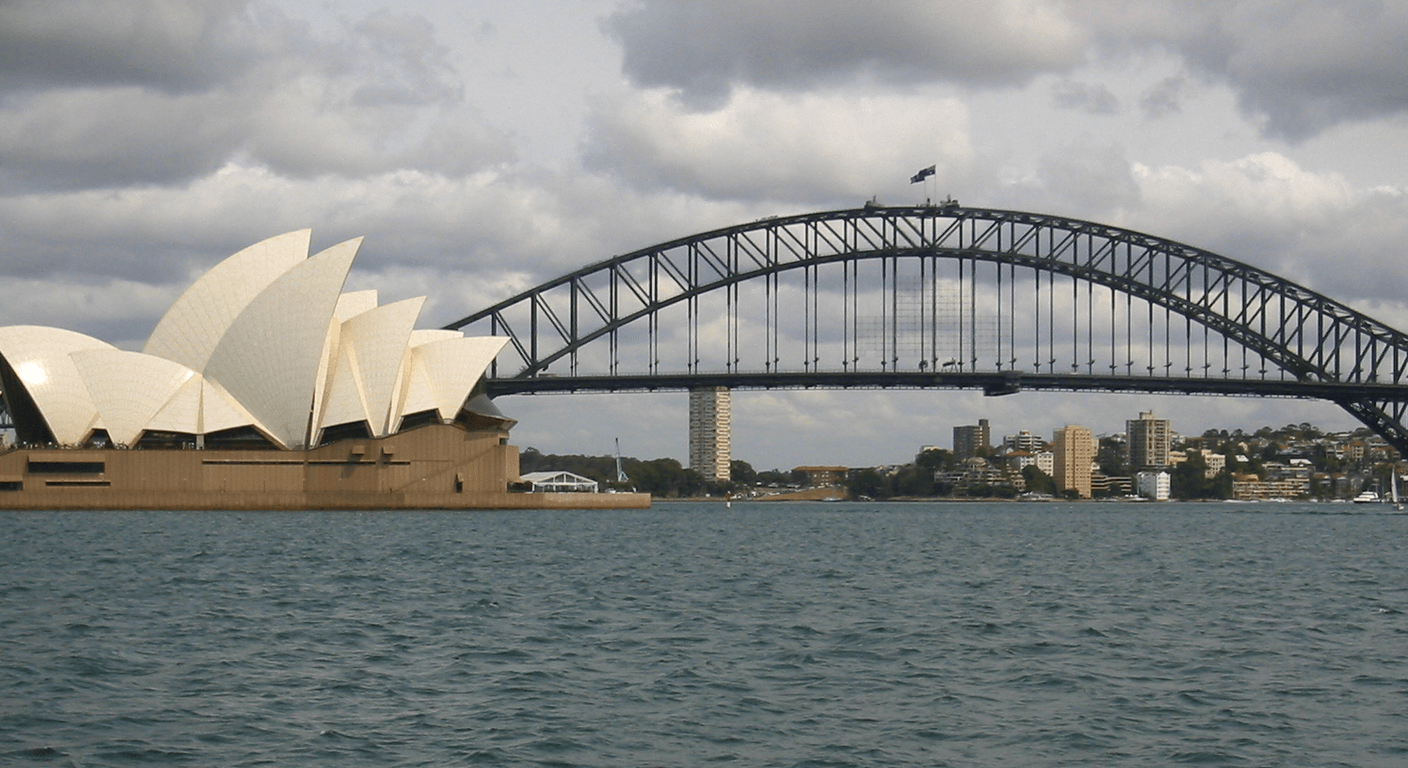
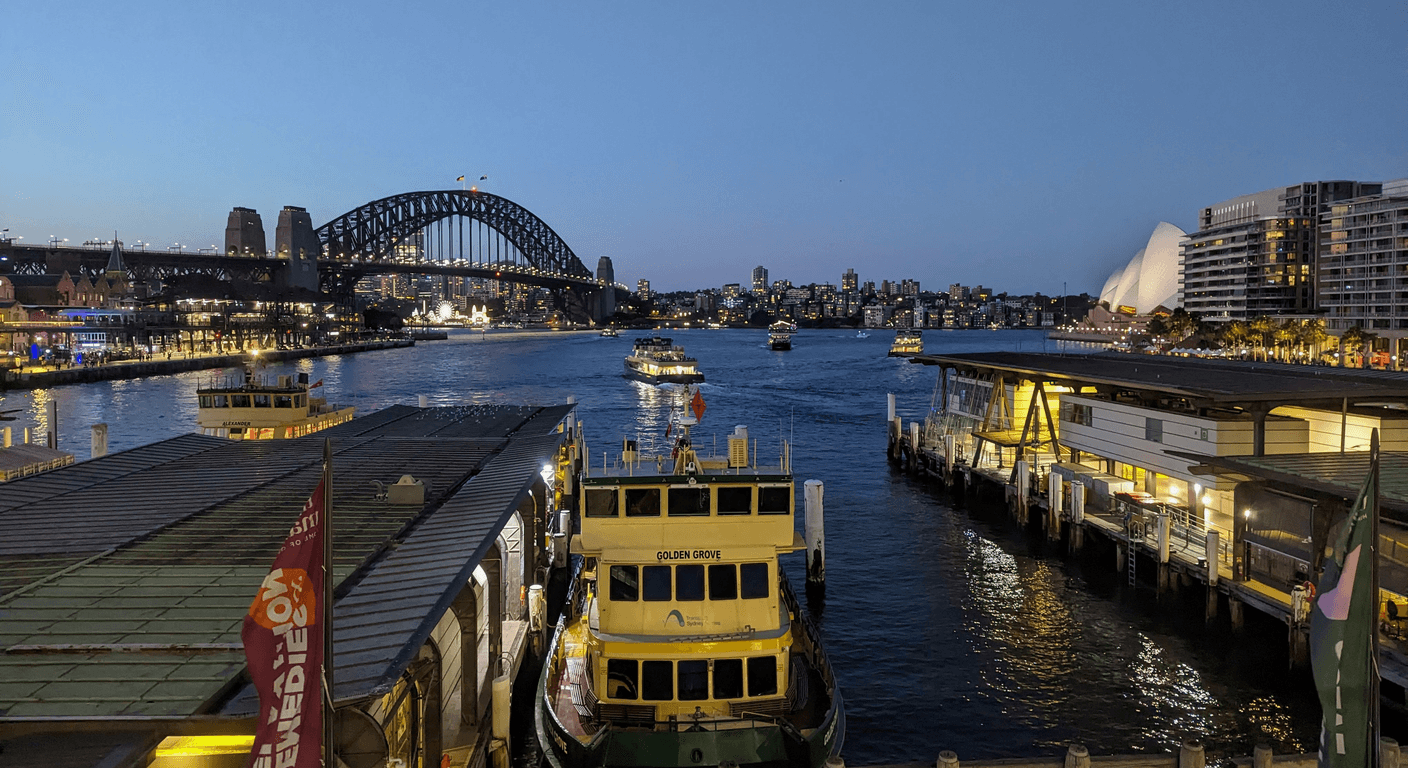
For a traveller who loves the water and the harbour, the Gold Opal card turns Sydney's government ferry network into what is effectively a sightseeing cruise at almost no cost. The Manly Ferry from Circular Quay is the classic choice — a 30-minute crossing through the heads that gives you open deck views of the Opera House, Harbour Bridge and the wider port. It is a proper working ferry, not a tourist vessel, and under the Gold Opal cap it forms part of your $2.50 day.
The Parramatta River ferry route is another option worth knowing. It runs from Circular Quay to Parramatta via a series of wharves including Meadowbank and Rydalmere, and takes around two hours each way on the slower service. It is a genuine journey through Sydney's western suburbs by water, and it gives you a very different view of the city from the tourist trail. Parramatta itself has the Old Government House (a World Heritage site managed by the National Trust), good cafes, and is flat and walkable around the riverbank.
For those with limited mobility, the Circular Quay wharves have lift access and the ferries generally have step-free boarding, though the degree of ease varies by wharf and vessel. It is worth checking the Transport for NSW accessibility pages or calling ahead if step-free access is essential. Arriving at off-peak times makes boarding noticeably calmer and less crowded, which matters when you are taking your time.
Tapping on and off correctly — why it matters
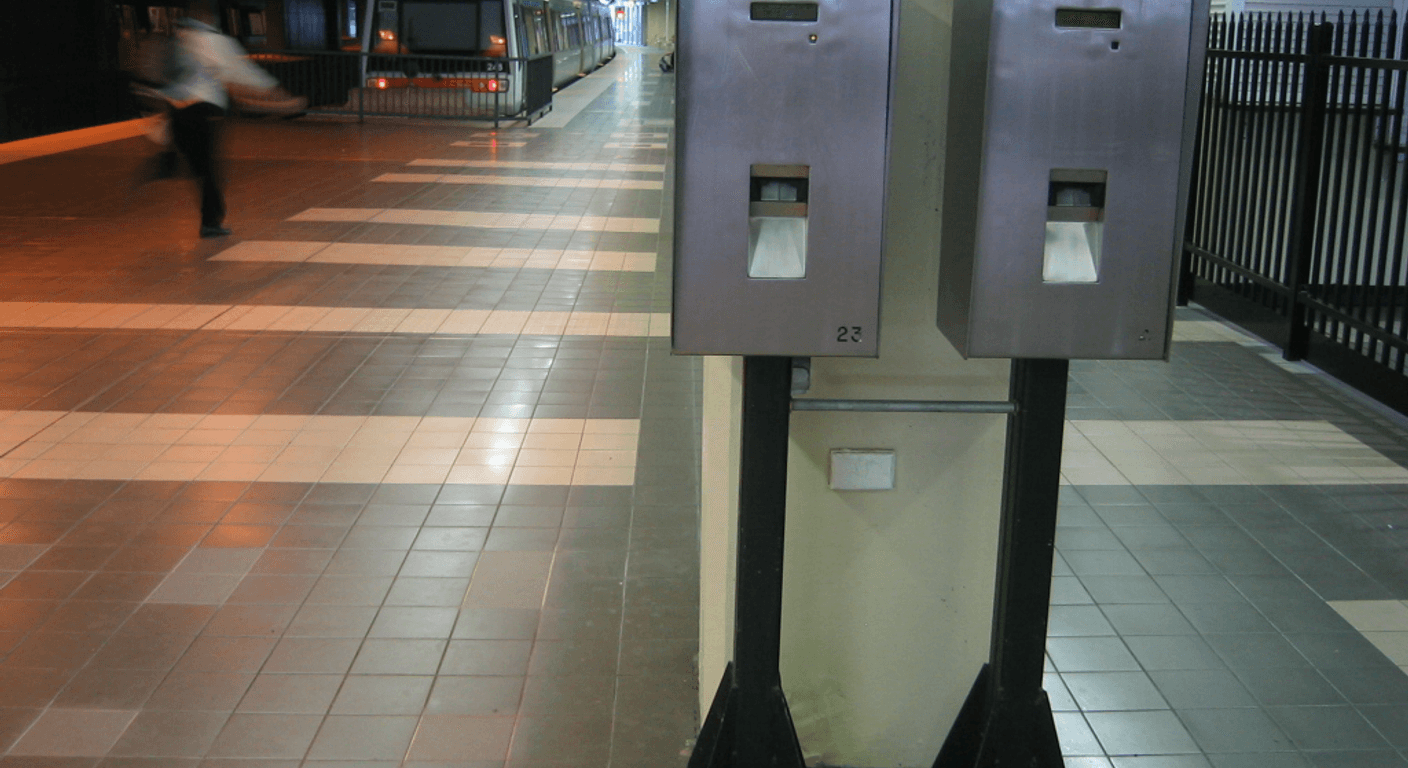
The Opal system requires you to tap on at the start of every journey and tap off at the end. If you forget to tap off, the system charges a maximum default fare for that trip, which could push you over your daily cap calculation or result in an overcharge. Getting into the habit of tapping off — on trains at the gate or platform reader, on buses and light rail at the reader near the door, and on ferries at the wharf reader — protects your balance and ensures the cap is applied correctly.
On the ferries specifically, the tap-off readers are located on the wharf as you disembark, not on the vessel. It is easy to walk straight off and forget, particularly if the wharf is busy. Take a moment to find the yellow Opal reader post before you leave the wharf area. If you do miss a tap-off, you can request a correction through the Opal website or by calling the Opal customer service line, but it is simpler to build the habit from the start.
Keep your Gold Opal card separate from other contactless cards in your wallet or bag. If you tap a bag that contains multiple cards, the reader may register the wrong card — a common frustration called card clash. A dedicated card sleeve or simply holding the Gold Opal card in your hand as you approach the reader avoids the problem entirely.
What are the options for interstate visitors who do not qualify for Gold Opal?
If you are a Victorian traveller and do not hold a Commonwealth Pensioner Concession Card or DVA Gold Card, you will not be eligible for the Gold Opal — but you can still use a standard adult Opal card with its own discounts built in. The regular Opal card has a daily travel cap (currently around $17 for adults, though you should confirm the current figure with Transport for NSW), a weekly travel cap, and a discount for off-peak travel. These are not as generous as the $2.50 Gold Opal cap, but they are meaningfully cheaper than buying individual tickets.
Standard Opal cards can be purchased at convenience stores, newsagents, and Transport for NSW service centres across Sydney, including at Sydney Airport. You load credit onto them and they work exactly like the Gold Opal in terms of tapping on and off. Visitors should load enough credit for at least a couple of days of travel to avoid running out at an inconvenient moment.
It is also worth knowing that if you are travelling with a partner or friend who does hold a Gold Opal card, each person needs their own card — the concession is not transferable and you cannot share a card between two travellers. Plan ahead and make sure each person's card situation is sorted before you arrive in Sydney.
Practical pacing tips for a Sydney day on the Gold Opal
Because the daily cap is so low, there is real freedom to structure a Sydney day around public transport without watching costs. A comfortable approach for a traveller who prefers a measured pace: catch a train into the city mid-morning (avoiding the peak crush before 9am), take the Manly Ferry around 10am, spend a few hours at Manly — the beach promenade is flat and accessible, and there are good cafes along the main street — then return to Circular Quay and take a bus or train to the afternoon destination of your choice.
The Royal Botanic Garden is a short walk from Circular Quay and is free to enter, flat, and beautifully maintained — a good resting point between ferry and train legs. The Art Gallery of NSW, also free for general admission, is a 10-minute walk uphill from the garden (the hill is steady but manageable; there is also a free shuttle from the Domain on some days — check the gallery's website at artgallery.nsw.gov.au for current arrangements). Both are real destinations, not just fillers between transport legs.
If you are staying in an inner suburb rather than the city centre, the Opal network reaches most of them. Areas like Newtown, Glebe, Surry Hills and Balmain are well-served by bus, and the train network covers the eastern suburbs, north shore and inner west. Plan your accommodation with proximity to an Opal-connected stop in mind, and you will find the city opens up considerably without needing taxis or rideshares for most of the day.
Quick planning guide
| Who it's for | NSW and interstate seniors who hold a Commonwealth Pensioner Concession Card, a DVA Gold Card, or an NSW Seniors Card combined with a Commonwealth concession card. |
|---|---|
| How to start | Apply online through Service NSW or in person at a Service NSW centre, supplying your concession card details, proof of identity and a contact address. |
| Typical cost | Around $2.50 caps a full day of Opal travel on Sydney trains, buses, light rail and government ferries; confirm the current figure with Transport for NSW. |
| Time required | Apply a few weeks ahead of a planned Sydney trip, as the physical card is mailed out rather than issued instantly. |
| Where to get help | Service NSW and Transport for NSW for the Opal card itself; Services Australia for questions about which concession card you hold. |
| Key documents needed | A qualifying concession card (Pensioner Concession Card, DVA Gold Card, or NSW Seniors Card plus a Commonwealth concession card), proof of identity, and a contact address. |
| Main planning consideration | The $2.50 cap only covers government Opal services — private ferry operators like Manly Fast Ferry and some regional NSW TrainLink journeys beyond the Opal zone are not included. |
| Renewal or review | Not applicable — the article does not specify a renewal period; eligibility depends on holding a current qualifying concession card. |
Key takeaways
- The Gold Senior/Pensioner Opal card caps a full day of Sydney trains, buses, light rail and government ferries at around $2.50 — confirm the current cap amount with Transport for NSW before you travel.
- Eligibility generally requires a Commonwealth Pensioner Concession Card or DVA Gold Card; the NSW Seniors Card alone is usually not sufficient.
- Victorian residents who hold an eligible Commonwealth concession card can apply for the Gold Opal card before their Sydney trip through Service NSW.
- Private ferry operators such as Manly Fast Ferry are not part of the Opal network and charge their own fares regardless of your Gold Opal card.
- Always tap off at the end of every journey — on ferries, the tap-off reader is on the wharf, not on the vessel itself.
- Interstate visitors without Gold Opal eligibility should load a standard adult Opal card, which still offers daily and weekly travel caps cheaper than single-trip fares.
Recommended partners and links
Indicative prices only — always confirm with the operator before booking.
Frequently asked questions
Can a Victorian senior use the Gold Opal card in Sydney?
Yes, if you hold an eligible Commonwealth concession card such as a Pensioner Concession Card issued by Services Australia or a DVA Gold Card. The Gold Opal is not restricted to NSW residents. The NSW Seniors Card alone does not qualify you. Check your eligibility and apply through Service NSW or Transport for NSW before your trip.
How do you apply for the Gold Senior/Pensioner Opal card?
You can apply online through Service NSW (service.nsw.gov.au) or in person at a Service NSW centre. You will need your concession card details and proof of identity. The card is mailed to your address, so apply several weeks before a planned visit to Sydney.
Does the $2.50 daily cap apply to the Manly Ferry?
Yes. The Manly Ferry operated by Sydney Ferries is a government service on the Opal network, so it is included in the Gold Opal daily cap. The private Manly Fast Ferry is not an Opal service and charges its own fares. Always check which operator is running the service before you board.
What happens if you forget to tap off your Opal card?
The system charges a maximum default fare for that incomplete journey, which may be higher than the actual fare. You can request a correction through the Opal website or customer service line, but the simplest approach is to tap off every time. On ferries, the reader is on the wharf as you disembark, not on the vessel.
Is the Gold Opal card accessible for travellers with mobility needs?
The card itself has no special mobility features — it is a standard tap-on, tap-off smartcard. However, many Sydney train stations, ferry wharves and bus stops have step-free or accessible infrastructure. The level of accessibility varies by location. Check the Transport for NSW accessibility pages or call Transport for NSW before your trip if step-free access is essential for your journey.