Transiting the Panama Canal is one of those travel experiences that genuinely lives up to the anticipation — a slow, deliberate passage through a century-old feat of engineering, watched from a deck chair with a cool drink in hand. For Australians over 50, the logistics take some planning: the flights are long, the time difference is real, and choosing the right itinerary (full transit versus partial) shapes the entire trip. Get those decisions right and this becomes a voyage that stays with you.
Why the Panama Canal belongs on your radar
The Panama Canal connects the Atlantic and Pacific oceans across 80 kilometres of Panamanian jungle, mountain lakes and concrete lock chambers. Opened in 1914, it remains one of the defining engineering achievements of the twentieth century — a place where you watch a vessel the size of a small suburb being lifted and lowered by nothing more than gravity-fed water. There is a particular satisfaction in understanding how it works, and then watching it work, in real time, from your own deck.
For travellers over 50, the appeal is clear. The transit day is largely a seated or standing experience — no long walks, no steep climbs, no rushing. The ship does the moving. What you bring is curiosity, a good hat, and the patience to appreciate something unfolding slowly. That patience, it turns out, is richly rewarded.
Senior Travel Australia operates independently and is commission-free. The operators mentioned here are included because they are established, well-known names with Panama Canal itineraries — not because of any commercial arrangement. Always confirm current ships, itineraries and pricing directly with operators before booking.
Full transit versus partial transit — what's the actual difference?
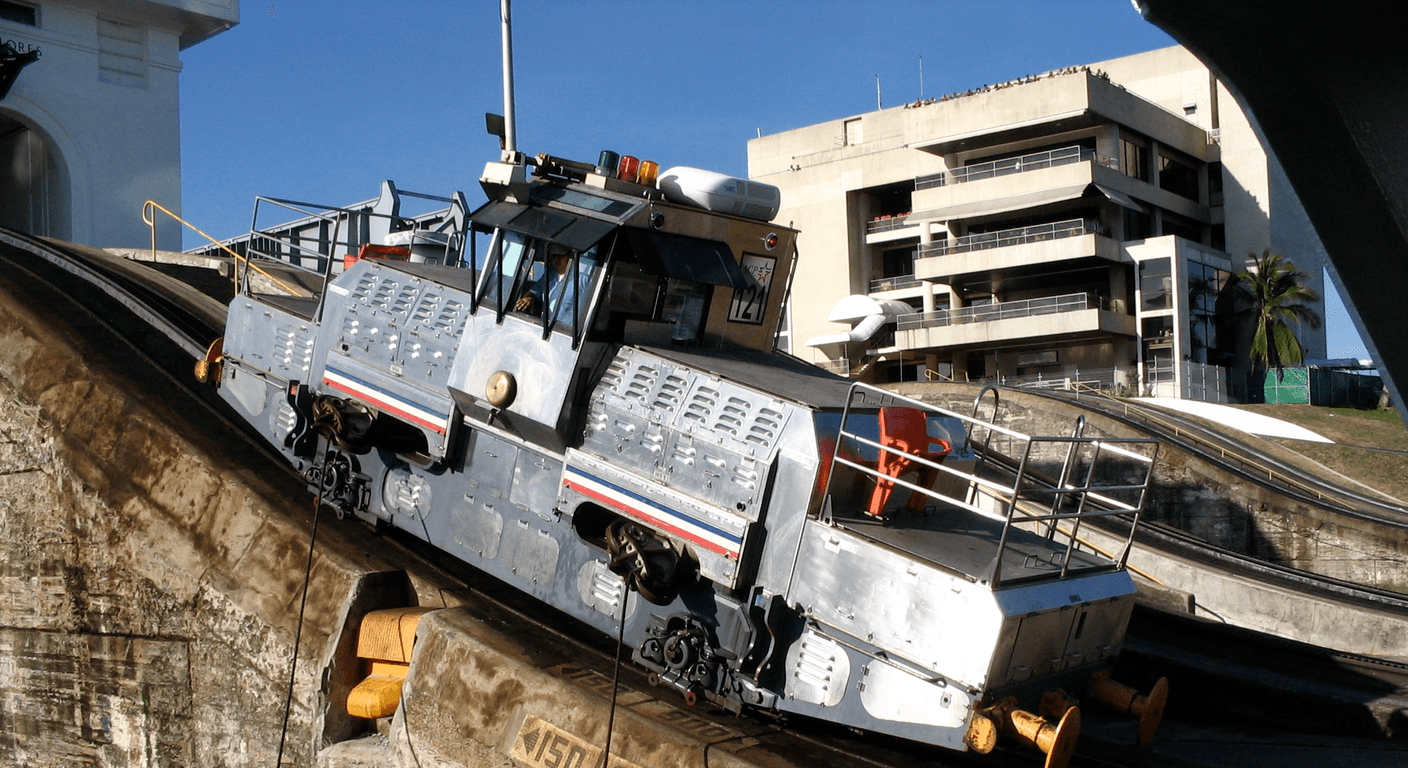
A full transit takes the ship from one ocean to the other — entering from the Pacific side at Miraflores Locks, rising through the locks and crossing Gatun Lake, then descending through Gatun Locks to the Atlantic (Caribbean) side, or vice versa. The entire passage typically takes eight to ten hours, sometimes longer depending on Canal traffic and scheduling. It is the complete experience: both lock systems, the lake crossing, the Culebra Cut, the full arc of the engineering story.
A partial transit — sometimes called a 'partial Panama Canal' itinerary — takes the ship through one set of locks and into Gatun Lake, then reverses course and exits the same way. It's shorter, usually four to six hours, and gives you a genuine taste of the locks without the full crossing. Some itineraries use this format because the ship is repositioning within the Caribbean rather than crossing to the Pacific. It is still impressive. But if the Canal is your primary reason for the voyage, a full transit is worth seeking out.
The newer Neopanamax locks — opened in 2016 — accommodate much larger ships than the original chambers. Some itineraries now specifically use these expanded locks, which means the tolerances are tighter and the spectacle of watching a large ship squeeze through with metres to spare is, if anything, more dramatic. Check which lock system your chosen itinerary uses when comparing options.
The transit day itself — how to experience it comfortably
Transits typically begin very early — often before dawn — so an early night beforehand is sensible. The ship's commentary, usually provided by the cruise director or a guest speaker, runs throughout the day via the public address system and in dedicated viewing lounges. Most mid-size and large ships have forward observation decks or open bow areas that position passengers close to the action. On smaller expedition-style vessels, the viewing can be even more intimate.
Heat is real and should not be underestimated. Panama sits at roughly nine degrees north of the equator, and even in the dry season — November to April — midday temperatures on deck regularly reach 30–34 degrees Celsius with high humidity. Shade is your friend. Bring a wide-brimmed hat, sunscreen rated SPF 50 or above, and a light long-sleeved layer for extended time on deck. Most ships have air-conditioned lounges with large windows where you can watch the locks in comfort, and these are a perfectly reasonable choice, particularly during the hottest midday hours.
The most visually dramatic moments are the lock entries and exits — the ship nudges into a chamber, the gates close behind it, and the water rises or falls over roughly ten minutes. Between locks, the lake crossing and the Culebra Cut (a narrow channel through the continental divide) offer a quieter, greener kind of beauty. Bring binoculars. The birds alone are worth it — the Canal Zone is exceptional wildlife country.
Getting there from Australia — the long-haul reality
There is no avoiding the distance. From Melbourne or Sydney, reaching a Panama Canal embarkation port — typically Fort Lauderdale, Miami, Cartagena or Los Angeles — involves flying times of roughly 20 to 30 hours, almost always with at least one stopover. Common routings go via Los Angeles, Dallas, Houston or a combination. Los Angeles is the most straightforward gateway if your itinerary departs from the US West Coast; Fort Lauderdale and Miami involve a transpacific or transatlantic connection.
Jet lag on this route is significant. Panama and the US East Coast are 14 to 15 hours behind Australian Eastern Standard Time. Arriving a day or two before embarkation — not the night before — is genuinely important, not just a nice idea. A recovery night in Fort Lauderdale or Los Angeles lets you board rested rather than exhausted. Build it into the budget and the plan.
Travel insurance is non-negotiable, and Australians over 50 with pre-existing conditions need to be particularly careful. Policies vary enormously in what they cover and at what age or health threshold. Compare policies carefully and declare all conditions honestly — confirm with your insurer before paying any deposit. The Australian Government's Smartraveller website (smartraveller.gov.au) is the authoritative source for Panama and US entry requirements, visa conditions and current travel advisories.
When to go — seasons and the Caribbean hurricane question
Panama has two seasons: a dry season running roughly from mid-December to April, and a wet season from May to November. The dry season is when the Canal Zone is at its most comfortable — lower humidity, less rain, clearer skies. This aligns neatly with the Australian summer, which is a useful coincidence for retirees who prefer to escape the heat at home.
The Atlantic hurricane season officially runs from June to November, with peak activity from August to October. While the Canal itself sits south of the main hurricane belt, Caribbean itineraries — which many Panama Canal cruises include — pass through affected waters. Most cruise operators adjust routing during hurricane season, but the risk of itinerary changes or rough seas is real. Travelling between November and April sidesteps this concern almost entirely.
April is technically the tail end of the dry season and can be very hot. November and December offer a good balance — the wet season has wound down, temperatures are slightly more forgiving, and the landscape is lush from the recent rains. January to March is the sweet spot for most travellers: reliable weather, good Canal visibility, and the height of the cruise season.
Itinerary shapes and how long to allow
Panama Canal cruises come in several formats. The most common for Australians is a repositioning cruise — a one-way voyage that crosses from one ocean to the other, typically 14 to 21 nights, often including ports in Central America, Mexico, and the Caribbean. These itineraries tend to offer good value relative to their length, and the mix of sea days and port days suits travellers who appreciate a relaxed pace.
Round-trip Canal itineraries — departing and returning to the same port — are also available, usually as partial transits. These are shorter, often 10 to 14 nights, and work well for those who want the Canal experience without a one-way air ticket complication. World voyage segments that include the Canal are another option, particularly through lines like Cunard or Holland America, where the Canal forms one chapter of a longer voyage.
A note on smaller ships: expedition-style vessels carrying 100 to 200 passengers can access the Canal on the same terms as larger ships and offer a more intimate transit experience. Lines such as Scenic or Silversea (confirm current Canal itineraries directly with operators) position these voyages at the luxury end of the market. For travellers who prefer a quieter, less crowded deck on transit day, the premium can be worthwhile.
Ports and shore excursions — what to expect beyond the Canal
Panama City itself is worth a day if the itinerary allows. The Casco Viejo — the old colonial quarter — is a UNESCO World Heritage-listed neighbourhood of Spanish colonial architecture, rooftop bars and small museums, largely walkable on flat ground. The Miraflores Locks visitor centre, on the outskirts of the city, gives a land-based view of the Canal that complements the on-board experience. Confirm current opening times and access directly with the Panama Canal Authority (pancanal.com).
Caribbean ports on these itineraries commonly include Cartagena in Colombia, Colón in Panama, Costa Rica's Puerto Limón or Puntarenas, and various Mexican ports on the Pacific side. Accessibility varies significantly between ports. Cartagena's walled city is mostly flat and highly walkable; some tender ports require a small boat transfer from ship to shore, which can be challenging for those with limited mobility or balance concerns. Check the ship's accessibility documentation and ask the cruise line directly about tender port procedures before booking.
Heat in Central American and Caribbean ports is consistent and intense, particularly from 10am to 3pm. Shore excursions that run in the early morning or late afternoon are easier on the body. Air-conditioned touring options — cultural tours by coach, for example — are widely available and a sensible choice on particularly hot days. There is no shame in staying on board when the ship is docked; it is often the most comfortable place to be.
Key takeaways
- A full Panama Canal transit takes 8–10 hours and crosses from ocean to ocean; a partial transit enters one set of locks and reverses — if the Canal is your main reason for going, seek out a full transit itinerary.
- The best months for Australians are November to April: Panama's dry season aligns with the Australian summer and sits outside the Atlantic hurricane season.
- From Melbourne or Sydney, expect 20–30 hours of flying with at least one stopover — build in a recovery night at the embarkation city before boarding.
- The transit day is primarily a deck or lounge experience, making it genuinely accessible for travellers with moderate mobility; heat management (hat, SPF 50, shade) is the main practical consideration.
- Travel insurance that covers pre-existing conditions is essential for this trip — compare policies carefully and declare all conditions before paying any deposit.
- Itineraries typically run 14–21 nights for a full repositioning crossing; confirm current ships, routes and pricing directly with operators, as schedules change seasonally.
Recommended partners and links
Indicative prices only — always confirm with the operator before booking.
Frequently asked questions
How long does it take to transit the Panama Canal on a cruise ship?
A full Panama Canal transit — from the Pacific locks to the Atlantic locks, or vice versa — typically takes 8 to 10 hours, though it can run longer depending on Canal traffic and scheduling. A partial transit, which enters one set of locks and returns, usually takes 4 to 6 hours.
What is the best time of year for Australians to do a Panama Canal cruise?
November to April is the best window. This covers Panama's dry season, when humidity and rainfall are lower and conditions on deck are more comfortable. It also sits outside the Atlantic hurricane season, which peaks from August to October and can affect Caribbean ports on these itineraries.
How do you get from Australia to a Panama Canal cruise embarkation port?
Most Australians fly from Sydney or Melbourne to Fort Lauderdale, Miami or Los Angeles — the most common embarkation cities for Panama Canal cruises. Expect 20 to 30 hours of total travel time with at least one stopover. Arriving one or two nights before embarkation is strongly recommended to allow for jet lag recovery.
Is a Panama Canal cruise suitable for travellers with limited mobility?
The transit day itself is an Easy to Moderate experience — most of the viewing is done from the ship's deck or air-conditioned public lounges, with no walking required. Shore excursions vary considerably; some ports involve tender transfers (a small boat from ship to shore) that can be difficult for those with balance or mobility challenges. Always check the cruise line's accessibility documentation and ask directly about tender port procedures before booking.
Do Australians need a visa to visit Panama or the United States for this cruise?
Visa requirements depend on your passport and itinerary. Australians transiting through or embarking in the United States typically need an Electronic System for Travel Authorisation (ESTA) at minimum, or a US visa if ESTA is not applicable to your circumstances. Panama has its own entry requirements. Always confirm current visa rules with the official Australian Government Smartraveller website (smartraveller.gov.au) and the relevant embassies before booking.
- Panama Canal Authority — official site
- Smartraveller — Panama travel advice (Australian Government)
- Smartraveller — United States travel advice (Australian Government)
- Princess Cruises — Panama Canal itineraries
- Holland America Line — Panama Canal cruises
- Cunard Line — Australia
- Scenic Luxury Cruises & Tours — Australia