Australia's top senior destinations include the Whitsundays, the Red Centre, Tasmania and the Murray River, generally best visited April to September for tropical and desert regions, or spring and autumn further south, with stays of three to seven days per destination. Highlights range from reef pontoon tours and Uluru at sunrise to Murray paddlesteamer cruises. Mobility demands are mostly easy, with flat boardwalks and gentle circuits, though some optional walks are steeper. Direct flights, trains, resort shuttles and light rail connections mean most places are reachable without hiring a car.
Why These Destinations Keep Drawing Older Australian Travellers Back
There is a pattern to the destinations that experienced older travellers recommend to each other over dinner or in the comments of a travel group. They tend to offer a combination of genuine natural or cultural interest, manageable physical demands, reliable infrastructure, and a pace that does not feel rushed. These are not places chosen because they are easy — they are chosen because they are genuinely worthwhile, and they happen to suit a traveller who has learned not to waste energy on the wrong things.
For a woman travelling with friends from regional Victoria, the calculus is slightly different than for a solo backpacker or a young family. You want somewhere with comfortable accommodation options, a variety of things to do on any given day depending on how everyone is feeling, decent food, and ideally a way to get there that does not involve hiring a car and navigating unfamiliar roads alone. Most of the destinations in this guide tick those boxes, though each has its own caveats worth knowing before you book.
Costs across Australia have risen considerably since 2022, and senior discounts — while real — vary enormously by state and operator. Always ask, always carry proof of age or a Seniors Card, and always verify current pricing directly with operators before budgeting. The indicative figures in this guide are starting points, not quotes.
The Whitsundays and Tropical North Queensland: Winter Warmth and the Reef by Pontoon
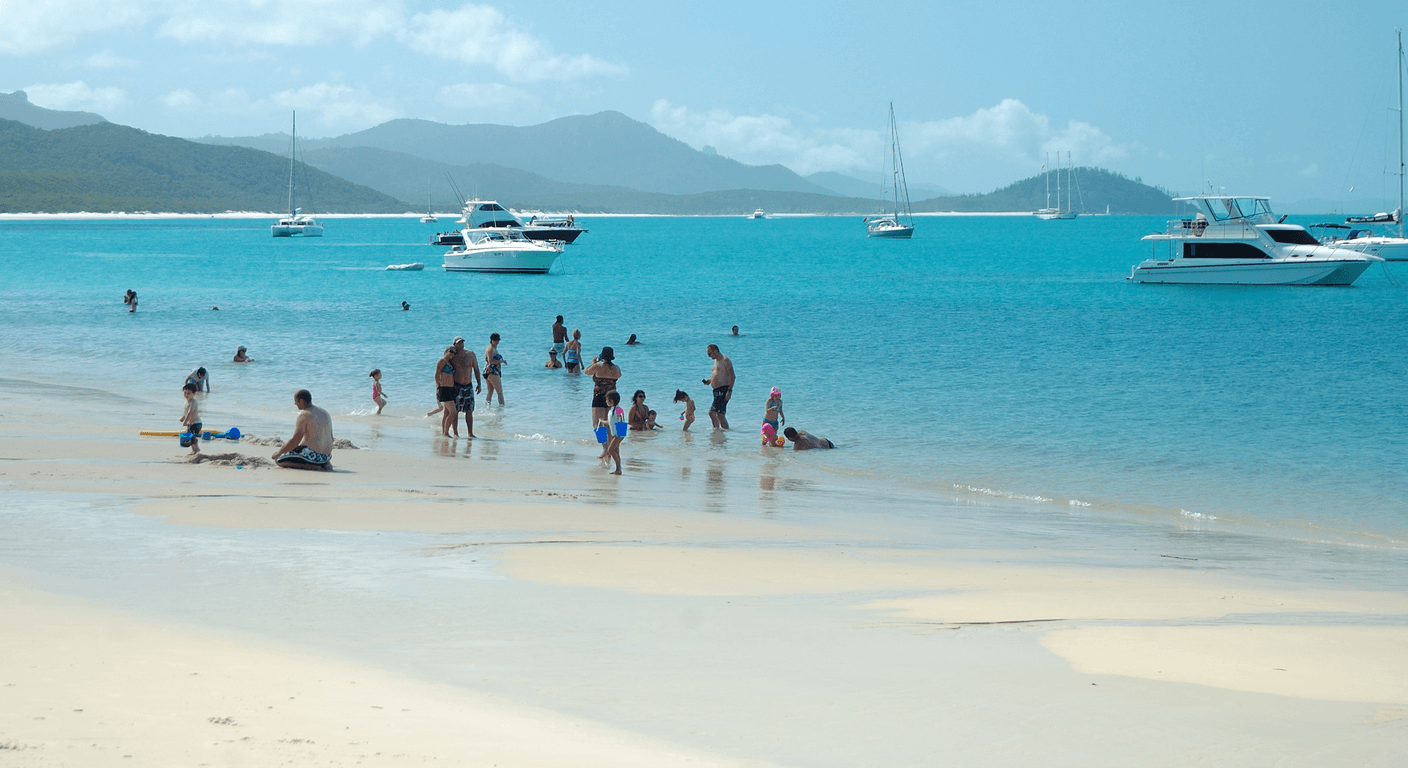
For Victorians who have endured one too many grey July mornings, the appeal of the Whitsundays is straightforward: reliable warmth, clear water, and the Great Barrier Reef accessible without needing to be a strong swimmer or certified diver. The pontoon-based reef experiences operated from Airlie Beach and Port Douglas are specifically designed for travellers who want to see the reef from a stable platform — semi-submersible vessels, underwater observatories, and snorkelling in calm, shallow sections are all available. Cairns and Port Douglas are the main bases for Tropical North Queensland, while Airlie Beach serves the Whitsundays island group.
The best season is May to September, when humidity drops and the marine stinger risk (jellyfish) is at its lowest. This is peak season, so accommodation books up and prices reflect that — indicative costs for a mid-range hotel in Airlie Beach or Cairns run roughly $180 to $280 per night in winter, though you should confirm current rates. Flights from Melbourne to Cairns or the Whitsundays Coast Airport (Proserpine) are direct and take around three hours. Rex Airlines and Jetstar both service this route; check current schedules as they change seasonally.
Accessibility in Cairns and Port Douglas is generally good along the main tourist strips. The Cairns Esplanade and its lagoon pool are flat and well-maintained. Many reef tour operators are experienced with guests who have limited mobility and will advise honestly about which tours suit different needs — it is worth calling ahead rather than assuming. The Kuranda Scenic Railway, running from Cairns up into the rainforest tablelands, is a highlight that involves very little walking and is one of the more memorable train journeys in Australia.
The Red Centre: Uluru, Accessible Touring, and the Sense of Deep Time
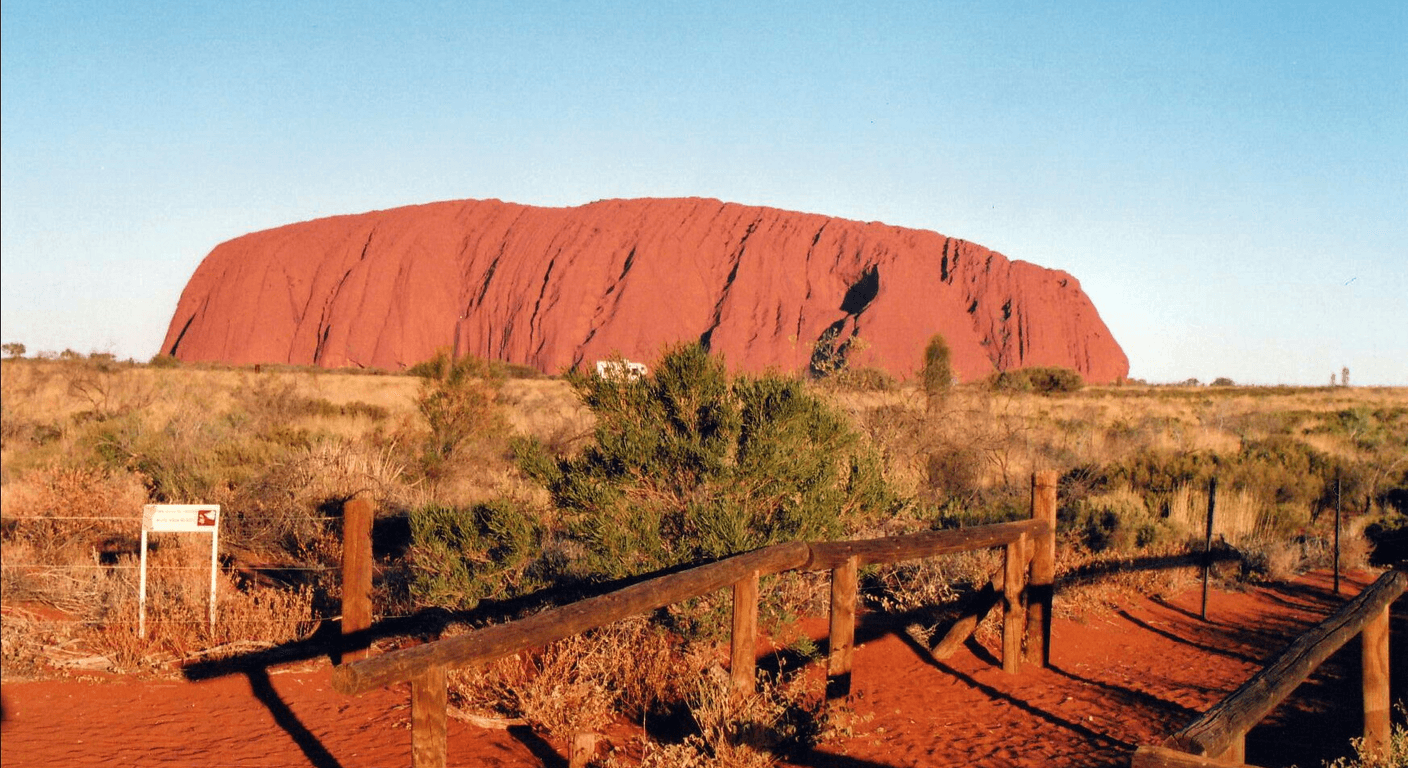
Uluru is one of those places that earns its reputation. The experience of being in its presence at sunrise or sunset — watching the colour shift across the rock face while the desert is quiet — is genuinely moving, and it does not require any physical exertion beyond standing or sitting comfortably. The base walk around Uluru is around 10.6 kilometres on a mostly flat, well-maintained path, and most visitors do sections of it rather than the full circuit. Guided cultural tours, which explain the significance of the rock to the Anangu people, can be done entirely at a gentle walking pace or from a vehicle.
The easiest way to visit without a car is to fly into Ayers Rock Airport (Connellan), which receives direct flights from Sydney, Melbourne, and Brisbane, and then use the resort shuttle system operated through Ayers Rock Resort (Voyages). The resort precinct at Yulara includes accommodation across several price points, from campgrounds to mid-range hotels to the luxury Sails in the Desert. A guided sunset or sunrise tour from the resort is the standard approach for most visitors, and it works well. Indicative costs for a mid-range room at Yulara run around $250 to $400 per night; confirm directly with Voyages.
The Red Centre is best visited April to September, when daytime temperatures are manageable — roughly 20 to 25 degrees Celsius. Summer (November to February) brings extreme heat that can exceed 45 degrees and is genuinely dangerous for older travellers. Kings Canyon, about a three-hour drive from Uluru, is often included in Red Centre itineraries; the canyon rim walk involves steep sections and is not suitable for everyone, but the creek bed walk at the base is accessible and impressive in its own right. A guided tour that combines both sites over three or four days is the most sensible approach from a logistics and pacing perspective.
Tasmania: Cool Climate, Gently Graded Walks, and a Slower Pace
Tasmania suits older travellers well for reasons that are sometimes underestimated. The cool, clean air is a genuine pleasure after a hot mainland summer. The distances between major attractions are short by Australian standards — Hobart to Launceston is under two and a half hours by road. The food and wine scene, particularly in the Coal River Valley and Huon Valley, is excellent and unpretentious. And the natural landscapes, from the Freycinet Peninsula to Cradle Mountain, are accessible in ways that more remote wilderness simply is not.
The Freycinet Peninsula Circuit includes the famous Wineglass Bay lookout, which involves a moderately steep climb of around 45 minutes return — manageable for most reasonably fit 60-somethings, though the track is uneven in places. The Dove Lake Circuit at Cradle Mountain is around 6 kilometres on a mostly boardwalked path with minimal elevation change, and it is genuinely spectacular. Hobart's MONA (Museum of Old and New Art) is accessible by ferry from the CBD and has lifts throughout — it is one of the more genuinely interesting museums in Australia, though its content is confronting by design and worth researching before you go.
Getting around Tasmania without a car is the main challenge. Hobart and Launceston have reasonable local bus services, and there are coach connections between major towns, but the state is fundamentally car-oriented for visitors. Travelling with a group of friends makes car hire far more practical and cost-effective. Alternatively, a small-group guided tour is the most sensible option for those who do not want to drive — several operators run four to seven-day tours specifically for older travellers. The best season is November to April (Tasmanian summer and autumn), when walking tracks are clear and weather is mild. Winter brings cold and some track closures at higher elevations.
The Murray River: Paddlesteamers, Houseboats, and a Gentler Pace
The Murray River holds a particular affection for older Australians, partly because of its deep association with the country's colonial and agricultural history, and partly because it offers a style of travel that is genuinely unhurried. The paddlesteamer cruises operating out of Echuca — the most accessible Murray town from Melbourne, roughly three hours by road or train — are a genuine pleasure. The PS Emmylou and PS Pevensey offer overnight and multi-day cruises along the river, and the experience of watching the river red gums slip past from a timber deck with a cup of tea in hand is exactly as restorative as it sounds.
Echuca itself is flat and walkable, with a well-preserved historic port precinct, good cafes, and accommodation to suit most budgets. V/Line runs a train-coach connection from Melbourne's Southern Cross Station to Echuca, making it accessible without a car. Houseboat hire is another popular option on the Murray — particularly for groups of friends who want to share costs and enjoy the freedom of mooring wherever the afternoon takes them. Indicative houseboat hire starts at roughly $800 to $1,200 for a long weekend for a four-berth vessel, though current rates vary significantly by season and operator; confirm directly with Echuca Houseboats or Murray River Houseboats.
The Murray is best visited in spring (September to November) or autumn (March to May), when temperatures are comfortable and the river is at pleasant levels. Summer can be very hot — 40-degree days are not unusual in January and February — and river traffic is heavy during school holidays. Mildura, further along the Murray into far northwest Victoria, is worth considering for a longer trip; it has a warmer climate, excellent citrus and wine producers, and is reachable by V/Line train from Melbourne.
The Gold Coast, Sunshine Coast, and Kangaroo Island: Three Different Moods
The Gold Coast divides opinion among older travellers. Its beaches — particularly Burleigh Heads and Coolangatta, at the quieter southern end of the strip — are genuinely beautiful, the weather is reliable, and the flat beachside paths are easy walking. The northern end around Surfers Paradise is loud and commercial and will not suit everyone. For a group of friends who want beach time, good restaurants, and easy access to the Gold Coast Hinterland (Lamington National Park, O'Reilly's Rainforest Retreat), it is a solid choice. The light rail (G:link tram) connects Broadbeach to Helensvale and makes getting around without a car very practical.
The Sunshine Coast, an hour north of Brisbane by road, has a different character — lower-rise, more community-oriented, and increasingly well-regarded for its food scene around Noosa and Mooloolaba. Noosa's main beach and the flat walking path along Noosa Heads are excellent, and the Noosa National Park coastal walk is one of the better day walks in Queensland, though some sections involve uneven ground. The Sunshine Coast Airport receives direct flights from Melbourne and Sydney. Indicative mid-range accommodation on the Sunshine Coast runs roughly $160 to $250 per night; verify current rates with accommodation providers.
Kangaroo Island, off the South Australian coast, is a destination that rewards travellers who are genuinely interested in wildlife and natural landscapes. Seal Bay Conservation Park — where you walk among a colony of Australian sea lions on the beach — is one of the more extraordinary wildlife experiences in the country, and it is accessible via a boardwalk with a ranger-guided tour. The island's roads outside of Kingscote are unsealed and require a capable vehicle; self-drive is the standard approach, though several guided tour operators run multi-day trips from Adelaide. Ferry access from Cape Jervis (south of Adelaide) takes around 45 minutes with SeaLink. The island is best visited September to May; winter is quiet and some operators reduce their hours.
Australia's Great Rail Journeys: The Ghan, the Indian Pacific, and the Overland
For travellers who are done with airports and want to watch Australia unfold at a pace that allows genuine contemplation, the great rail journeys are in a category of their own. The Ghan runs from Adelaide to Darwin (or Darwin to Adelaide) through the Red Centre, taking roughly 54 hours over two nights. The Indian Pacific connects Sydney and Perth across the Nullarbor, a four-night journey that is legitimately one of the great train experiences in the world. Both are operated by Journey Beyond Rail Expeditions and include off-train excursions at stops including Alice Springs, Katherine, and Cook.
These are not budget experiences. The Gold Service cabin — the entry-level private cabin — on The Ghan runs roughly $1,500 to $2,500 per person for the full Adelaide to Darwin journey in indicative terms, but prices vary considerably by season and cabin class. Confirm all current pricing directly with Journey Beyond, as fares change. The experience includes all meals in the dining car, and the food and service are a genuine part of the appeal. Cabins are compact but functional; the ensuite in Gold Service is tight but manageable for most travellers.
The Overland, running between Melbourne and Adelaide twice weekly, is a more affordable and shorter option — around 10 hours and a practical way to start or end a South Australian trip without flying. It is operated by Journey Beyond and is often overlooked, which means it is less crowded. For travellers based in regional Victoria who want to connect to a longer rail journey, V/Line connections from regional centres to Melbourne's Southern Cross Station make the whole network more accessible. The Ghan and Indian Pacific both depart from Adelaide Parklands Terminal, which has good facilities.
Quick planning guide
| Ideal pace | Slow to moderate, with multi-day stays rather than day trips |
|---|---|
| Best months | April to September for the Whitsundays and Red Centre; spring or autumn for Tasmania and the Murray River |
| Suggested stay | 3 to 7 days per destination |
| Mobility level | Easy on most flat paths and boardwalks, with some steeper optional walks |
| Cost level | Mid-range to premium, depending on destination and season |
| Comfort level | High, with resort shuttles, coach, ferry and rail links reducing the need to drive |
| Best for | Older travellers wanting accessible nature, wildlife and cultural experiences without self-driving long distances |
| Main planning consideration | Book ahead for peak season and confirm current prices directly with operators, as costs and schedules vary seasonally |
Key takeaways
- The Whitsundays and Tropical North Queensland are best visited May to September, when humidity is low and marine stinger risk is reduced.
- Uluru is accessible without a car via direct flights to Ayers Rock Airport and the Yulara resort shuttle system.
- Tasmania's Dove Lake Circuit at Cradle Mountain is mostly boardwalked and one of the most accessible spectacular walks in Australia.
- Echuca on the Murray River is reachable from Melbourne by V/Line without a car, making it one of the more accessible river destinations in Victoria.
- The Ghan and Indian Pacific rail journeys include all meals and off-train excursions; indicative Gold Service fares start around $1,500 per person — confirm current pricing with Journey Beyond.
- Kangaroo Island's Seal Bay Conservation Park offers a guided boardwalk experience among wild sea lions, with no significant physical demands.
Recommended partners and links
Indicative prices only — always confirm with the operator before booking.
Frequently asked questions
What is the easiest Australian destination for seniors who do not want to hire a car?
Cairns and the Whitsundays are among the easiest, as tourist shuttles, reef tour operators, and local transport are all geared toward visitors without vehicles. Echuca on the Murray River is reachable from Melbourne by V/Line train and coach. The Ghan and Indian Pacific rail journeys are entirely car-free by design and include off-train excursions. Tasmania is the most challenging without a car, as public transport between attractions is limited.
Which Australian destination offers the best value for older travellers on a moderate budget?
The Murray River — particularly Echuca — offers strong value, with paddlesteamer day cruises, flat walking, and affordable accommodation. The Sunshine Coast in Queensland is generally more affordable than the Gold Coast or Cairns during shoulder season (April to May or September to October). Tasmania can be good value in spring and autumn if you book accommodation early. All costs have risen since 2022, so confirm current pricing before budgeting.
When is the best time of year for seniors to visit Uluru?
April to September is the recommended window for Uluru. Daytime temperatures are roughly 20 to 25 degrees Celsius, and the nights are cool. Summer (November to February) brings extreme heat exceeding 45 degrees, which is genuinely dangerous for older travellers and should be avoided.
Are reef tours in Queensland suitable for seniors with limited mobility?
Yes, many reef tour operators in Cairns and the Whitsundays run pontoon-based experiences specifically designed for travellers with limited mobility. Semi-submersible vessels, underwater observatories, and calm snorkelling platforms mean you can see the Great Barrier Reef without needing to swim strongly or dive. It is worth calling operators in advance to ask which tours best suit your mobility needs.
How do you get to Kangaroo Island without flying?
SeaLink operates a regular vehicle and passenger ferry from Cape Jervis, south of Adelaide, to Penneshaw on Kangaroo Island. The crossing takes around 45 minutes. Cape Jervis is reachable by coach from Adelaide. Once on the island, most visitors hire a car, though several guided multi-day tour operators depart from Adelaide and include all island transport.
- Tourism Australia – Official destination information
- Tourism Tropical North Queensland
- Voyages Indigenous Tourism Australia – Uluru and Ayers Rock Resort
- Tourism Tasmania – Official visitor information
- Parks Victoria – Cradle Mountain-Lake St Clair National Park
- Journey Beyond Rail Expeditions – The Ghan and Indian Pacific
- V/Line – Train and coach services from regional Victoria
- SeaLink – Kangaroo Island ferry services
- Visit Victoria – Murray River and Echuca travel information
- Tourism Whitsundays – Official visitor information