Port Adelaide, about 14km from Adelaide's CBD, suits a relaxed six-to-seven-hour day trip, with autumn and spring the most comfortable seasons given South Australia's harsh summer heat. Its defining highlight is pairing the SA Maritime Museum and 1869 lighthouse with a Port River cruise to see wild bottlenose dolphins. The flat, compact heritage precinct rates as easy mobility, and direct 25-30 minute trains from Adelaide City or Keswick make access straightforward without a car.
Why Port Adelaide Works So Well as a Day Trip for Older Solo Travellers
Port Adelaide is the kind of place that rewards a slow pace without punishing it. The heritage precinct clusters its main attractions within comfortable walking distance of each other — the SA Maritime Museum, the 1869 Port Adelaide Lighthouse, the Fishermen's Wharf markets area, and the riverbank where dolphin cruise vessels depart are all within a radius that most travellers can manage without resorting to taxis or ride-shares between stops.
For a solo male traveller in his late sixties, the precinct has a particular appeal: it is unpretentious, genuinely historical, and populated by locals going about their weekend rather than by tourist crowds. The streets are wide and mostly flat, the heritage sandstone buildings provide shade on warmer days, and there are enough cafes and pub corners to sit down, take stock, and plan the next hour without feeling rushed.
The train from Adelaide makes this a low-stress outing. You are not navigating unfamiliar roads, finding parking, or managing a hire car in an unfamiliar city. Board at Adelaide Station or Keswick, ride the Outer Harbor line to Port Adelaide Station, and you are a short, flat walk from the waterfront. That straightforward logistics chain matters more than it might sound when you are travelling alone and want mental energy for the experience, not the transit.
Getting There: Train, Concession Fares, and What to Expect on Arrival
Adelaide Metro's Outer Harbor line runs direct to Port Adelaide Station from Adelaide City and Keswick. Services are frequent on weekdays and reasonably regular on weekends, though weekend timetables differ — check the Adelaide Metro website at adelaidemetro.com.au before you travel. The journey takes roughly 25 to 30 minutes from the city. A Metrocard loaded with concession credit is the most cost-effective option; confirm current concession eligibility and fares directly with Adelaide Metro, as these change periodically.
Port Adelaide Station is heritage-listed in its own right, a pleasant sandstone building that sets the tone for the precinct. From the station, the waterfront is a flat 10 to 15-minute walk along St Vincent Street and down to the wharves. The footpaths are even, the road crossings are signalised, and there is no significant gradient. If your knees or hips prefer a shorter walk on any given day, ride-share services do operate in the area.
Arriving mid-morning — around 9:30 to 10am — gives you the best of the day. The museum opens early, the markets are in full swing on weekends, and dolphin cruise departures typically run through the morning and early afternoon. Checking specific cruise departure times with the operator before you travel is strongly recommended, as schedules vary by season.
The SA Maritime Museum: A Proper Half-Day on Its Own
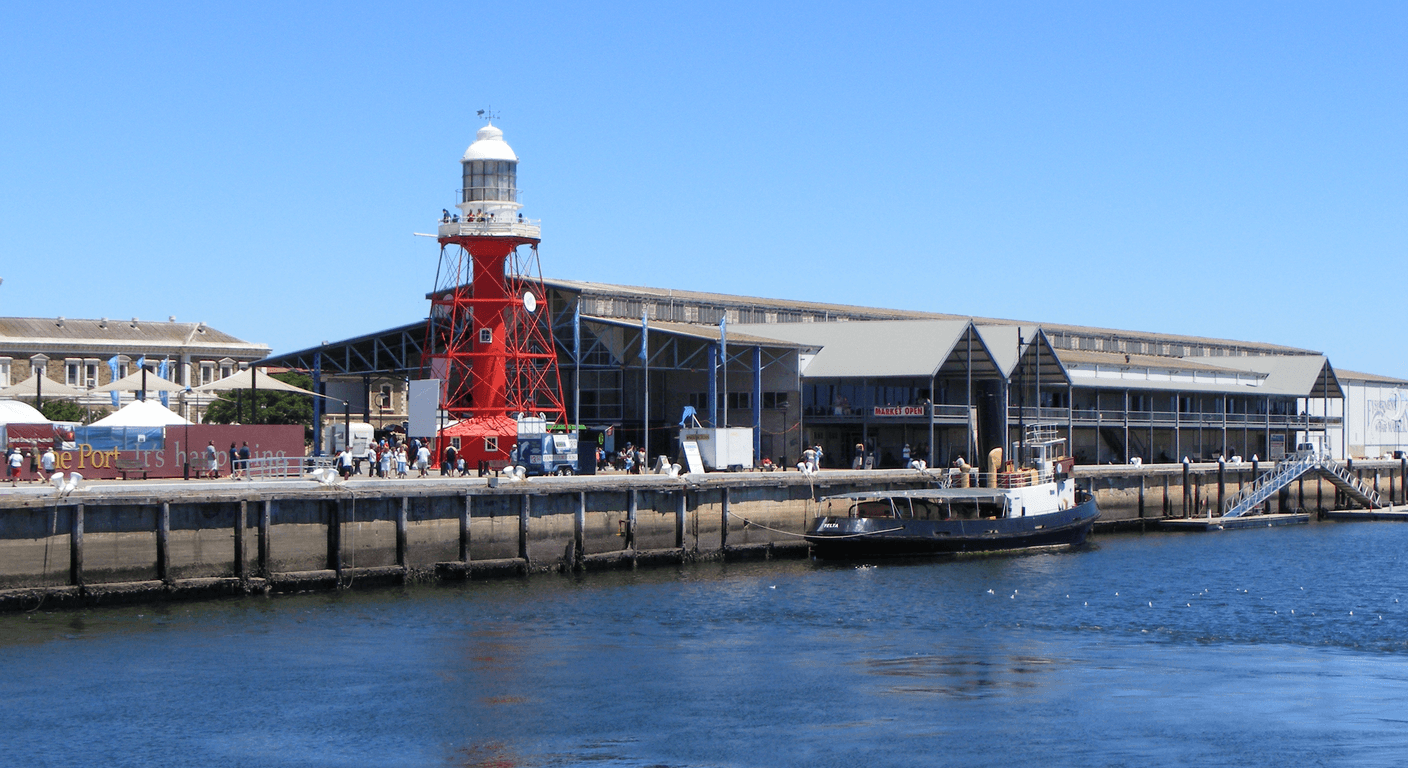
The South Australian Maritime Museum, managed by the History Trust of South Australia, is one of the more substantial regional maritime collections in the country. It occupies a series of historic bond stores on Lipson Street and extends to include a restored 1869 lighthouse and a collection of vessels on the waterfront. The exhibits cover the history of South Australia's sea trade, immigration voyages, and the working lives of the people who moved through this port over 170-odd years.
Concession pricing applies for eligible visitors, which typically includes seniors card holders, though you should confirm current rates and eligibility at history.sa.gov.au/maritime before visiting. The museum is not enormous — you are unlikely to feel overwhelmed — but it has enough depth to occupy two to three hours if you read the interpretive panels and take your time with the vessel displays. Seating is available throughout, which matters when you want to absorb something properly rather than just walk past it.
The lighthouse component is the standout for many visitors. The 1869 Port Adelaide Lighthouse is one of the few in South Australia accessible to the public, and climbing it gives a clear view over the river and the working port. The climb involves a spiral staircase with handrails; those with significant mobility limitations should factor this in, but the museum staff are generally helpful in advising on what is and is not accessible on the day.
The Adelaide Dolphin Sanctuary and Port River Cruises: What to Realistically Expect
The Port River is home to a resident population of bottlenose dolphins — one of the few urban wild dolphin populations in Australia — protected within the Adelaide Dolphin Sanctuary. Sightings on cruises are common, not guaranteed, and that distinction matters. These are wild animals in a working industrial waterway, and they behave accordingly. That said, the Port River dolphins are well-habituated to vessel traffic and sightings on most cruises are reported as frequent rather than exceptional.
Temptation Sailing operates dolphin cruises on the Port River and is one of the established operators in the area; check temptationsailing.com for current schedules, pricing, and any concession availability. Cruise durations vary but are typically around 90 minutes to two hours. The vessels are generally small to mid-size, and boarding from the wharf involves a short step down — if you have balance concerns, it is worth calling ahead to ask about boarding arrangements.
The cruise itself is a genuine highlight for a solo traveller. You are on the water, in a working port environment, with industrial heritage on one bank and wetland habitat on the other — it is a more layered experience than a simple wildlife tour. Even on days when dolphin sightings are brief, the perspective on the port from the water is worth the fare. Costs are indicative at roughly $45–$60 AUD per adult; confirm current pricing directly with the operator.
Heritage Streets, Pub Corners, and the Fishermen's Wharf Markets
Port Adelaide's streetscape is one of its quiet strengths. The precinct has a concentration of 19th-century commercial buildings — hotels, bond stores, and merchant premises — that survived the 20th century largely intact. Walking along St Vincent Street and the surrounding blocks, you pass buildings that have been repurposed as cafes, galleries, antique dealers, and community spaces without losing their architectural character. It is an honest kind of heritage, not a theme park version.
The Fishermen's Wharf Markets operate on weekends and are compact enough to browse without covering significant ground. Stalls tend toward local produce, secondhand goods, and artisan crafts. It is an easy hour of low-pressure browsing with the waterfront close by. For a solo traveller who enjoys the rhythm of a market without needing a companion to share the experience with, it works well.
For a meal or a midday break, Port Adelaide has a handful of pub dining rooms and waterfront cafes that serve straightforward food at reasonable prices. The heritage hotels in the precinct — some with long histories as working-port establishments — are worth a look even if you are just stopping for a coffee. Pub meals in South Australia tend to be generous in portion and honest in price, and the midday trade in Port Adelaide's hotels draws a local crowd rather than a tourist one, which suits the tone of the day.
Pacing the Day: A Practical Itinerary for a Solo Traveller
A workable sequence for the day is: arrive mid-morning, head directly to the SA Maritime Museum and allow two to three hours there including the lighthouse. Take a short break at one of the waterfront cafes before joining a dolphin cruise that departs late morning or early afternoon — checking cruise departure times in advance is essential to make this sequence work. After the cruise, the afternoon is open for the markets, a pub lunch, or simply sitting on the waterfront with a coffee.
The precinct is compact enough that you are not making long transits between these stops. Museum to wharf is a short walk; markets to the station is similarly brief. This means a solo traveller can adjust the plan on the fly — skip the markets if energy is low, linger longer at the museum if something catches your interest — without losing the thread of the day. That flexibility is one of the practical advantages of a precinct where everything is close together.
Allow roughly six to seven hours in total for a full day, which means arriving around 9:30–10am and catching a train back in the late afternoon. That schedule avoids the hottest part of a South Australian summer afternoon and leaves time for a relaxed return to Adelaide for dinner. If you are based in Victoria and visiting Adelaide specifically, Port Adelaide makes sense as a full day from your Adelaide accommodation rather than a rushed morning excursion.
Accessibility, Weather, and a Few Honest Caveats
Port Adelaide's heritage precinct is largely flat and manageable for travellers with moderate mobility. The main variables are the lighthouse staircase (noted above), the wharf boarding for cruises, and the cobblestone or uneven surfaces that appear on some of the older laneways near the heritage buildings. None of these are prohibitive for most older travellers, but they are worth knowing about in advance rather than encountering as surprises.
South Australia's climate deserves respect. Summer days in Port Adelaide — December through February — can reach temperatures that make prolonged outdoor activity uncomfortable and potentially risky for older travellers. Early morning starts, loose clothing, a hat, and water are not optional in that season. The museum and the pub dining rooms provide air-conditioned relief. Autumn and spring are generally more comfortable for a full day outdoors; winter days can be mild and pleasant, though the occasional cold front requires a layer.
One honest caveat: Port Adelaide is a working-class port suburb undergoing gradual revitalisation, and parts of the area away from the heritage precinct reflect that. Sticking to the waterfront and St Vincent Street area keeps you in the well-maintained precinct. The area is safe and the locals are generally straightforward and friendly, but it is not a manicured tourist zone, and that is part of what makes it genuinely interesting rather than curated.
Quick planning guide
| Ideal pace | Slow-paced and flexible, with stops close together |
|---|---|
| Best months | Autumn and spring; summer heat (Dec-Feb) is a caveat |
| Suggested stay | Full day, roughly six to seven hours |
| Mobility level | Easy — flat precinct, with an optional lighthouse staircase |
| Cost level | Budget-friendly, with concession train fares and museum entry |
| Comfort level | Casual, with shaded heritage buildings, cafes and air-conditioned indoor stops |
| Best for | Solo older travellers wanting genuine history without long distances on foot |
| Main planning consideration | Confirm train timetables and dolphin cruise departure times in advance, and avoid the hottest part of summer afternoons |
Key takeaways
- Port Adelaide's heritage precinct is flat and compact, with the maritime museum, lighthouse, dolphin cruise wharf, and weekend markets all within comfortable walking distance of each other.
- Adelaide Metro's Outer Harbor train line runs direct from Adelaide City to Port Adelaide Station in roughly 25–30 minutes; concession Metrocard fares apply — confirm current pricing with Adelaide Metro.
- The SA Maritime Museum offers concession entry pricing; check current rates at history.sa.gov.au/maritime before visiting.
- Dolphin sightings on Port River cruises are common but not guaranteed — these are wild animals in a working waterway, and that honesty is part of what makes the experience worthwhile.
- South Australian summer heat is a genuine consideration for older travellers; autumn and spring offer more comfortable conditions for a full day in the precinct.
- Port Adelaide suits solo travellers particularly well — the precinct is self-contained, the logistics are simple, and the day can be paced and adjusted without needing a companion to make it work.
Recommended partners and links
Indicative prices only — always confirm with the operator before booking.
Frequently asked questions
How do you get from Adelaide to Port Adelaide by public transport?
Take Adelaide Metro's Outer Harbor train line from Adelaide Station or Keswick to Port Adelaide Station. The journey takes roughly 25 to 30 minutes. Weekend timetables differ from weekday services, so check adelaidemetro.com.au before you travel. Concession Metrocard fares apply for eligible travellers; confirm current fares and concession eligibility with Adelaide Metro directly.
Is the SA Maritime Museum suitable for seniors, and does it offer concession pricing?
Yes, the SA Maritime Museum is well-suited to older travellers — it is housed across heritage buildings with seating throughout, and the pace is self-directed. Concession pricing is available for eligible visitors including seniors card holders. Confirm current entry rates and concession eligibility at history.sa.gov.au/maritime before your visit, as prices are subject to change.
Are dolphin sightings guaranteed on Port River cruises?
No, sightings are not guaranteed — the Port River dolphins are wild animals and their behaviour cannot be predicted. That said, sightings are reported as common rather than rare, because the resident bottlenose dolphin population is well-habituated to vessel traffic. Temptation Sailing is one of the established operators; check temptationsailing.com for current schedules and pricing.
Is Port Adelaide accessible for travellers with limited mobility?
The main heritage precinct is largely flat and manageable for travellers with moderate mobility. Key considerations include the spiral staircase in the 1869 lighthouse, the step involved in boarding cruise vessels at the wharf, and some uneven surfaces on older laneways. None of these are prohibitive for most older travellers, but contacting the museum and cruise operator in advance to discuss specific needs is worthwhile.
What is the best time of year to visit Port Adelaide as a day trip?
Autumn (March to May) and spring (September to November) generally offer the most comfortable conditions for a full day outdoors in Port Adelaide. South Australian summers can bring extreme heat that makes prolonged outdoor activity difficult and potentially risky for older travellers. Winter days are often mild and pleasant, though a warm layer is advisable for cooler fronts.