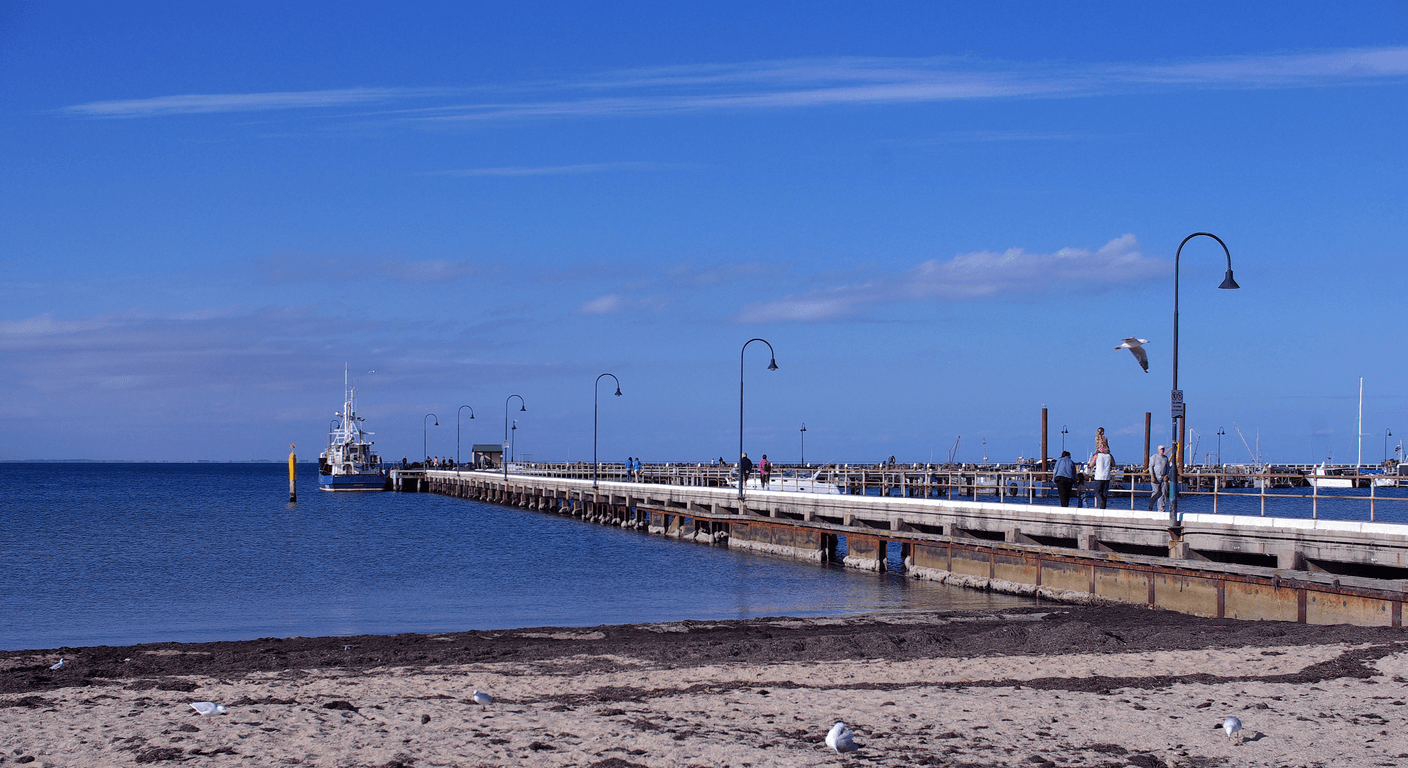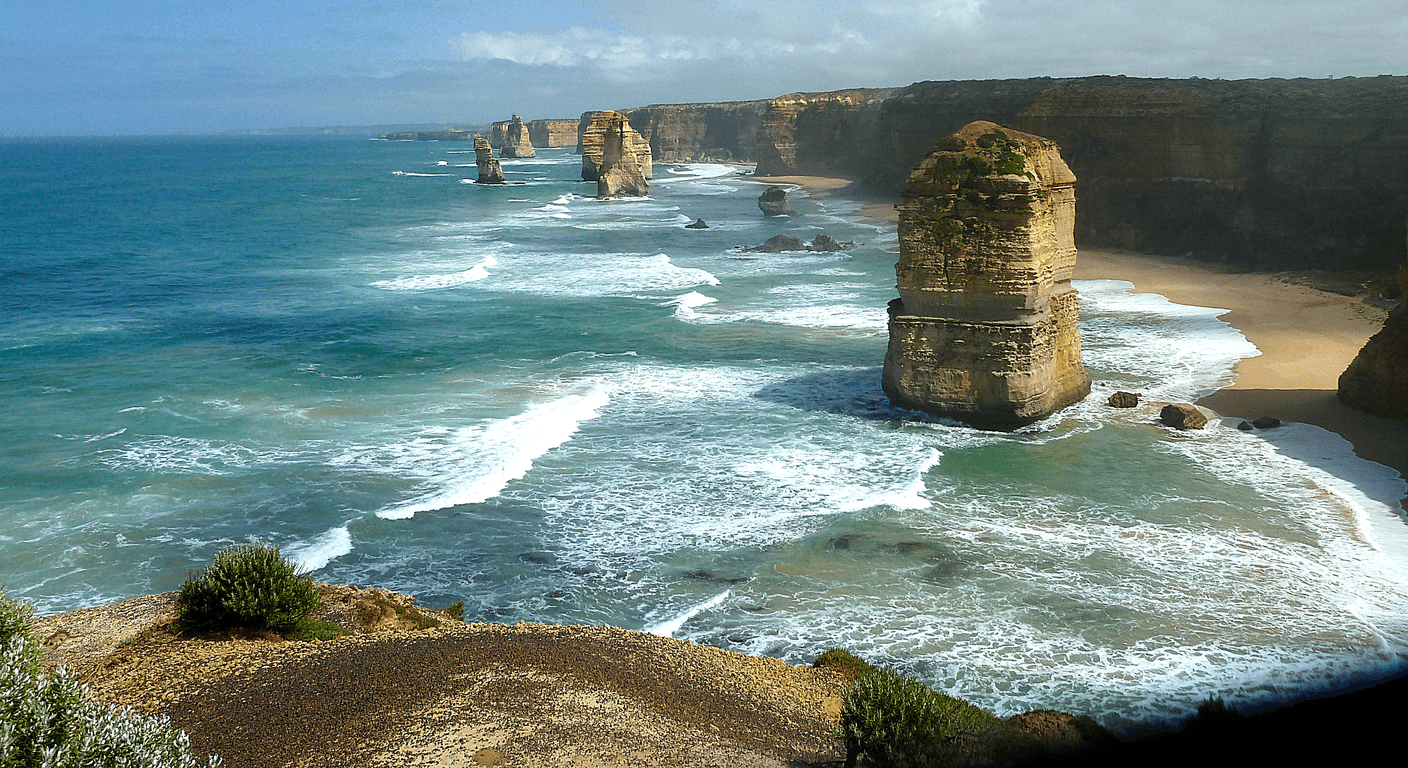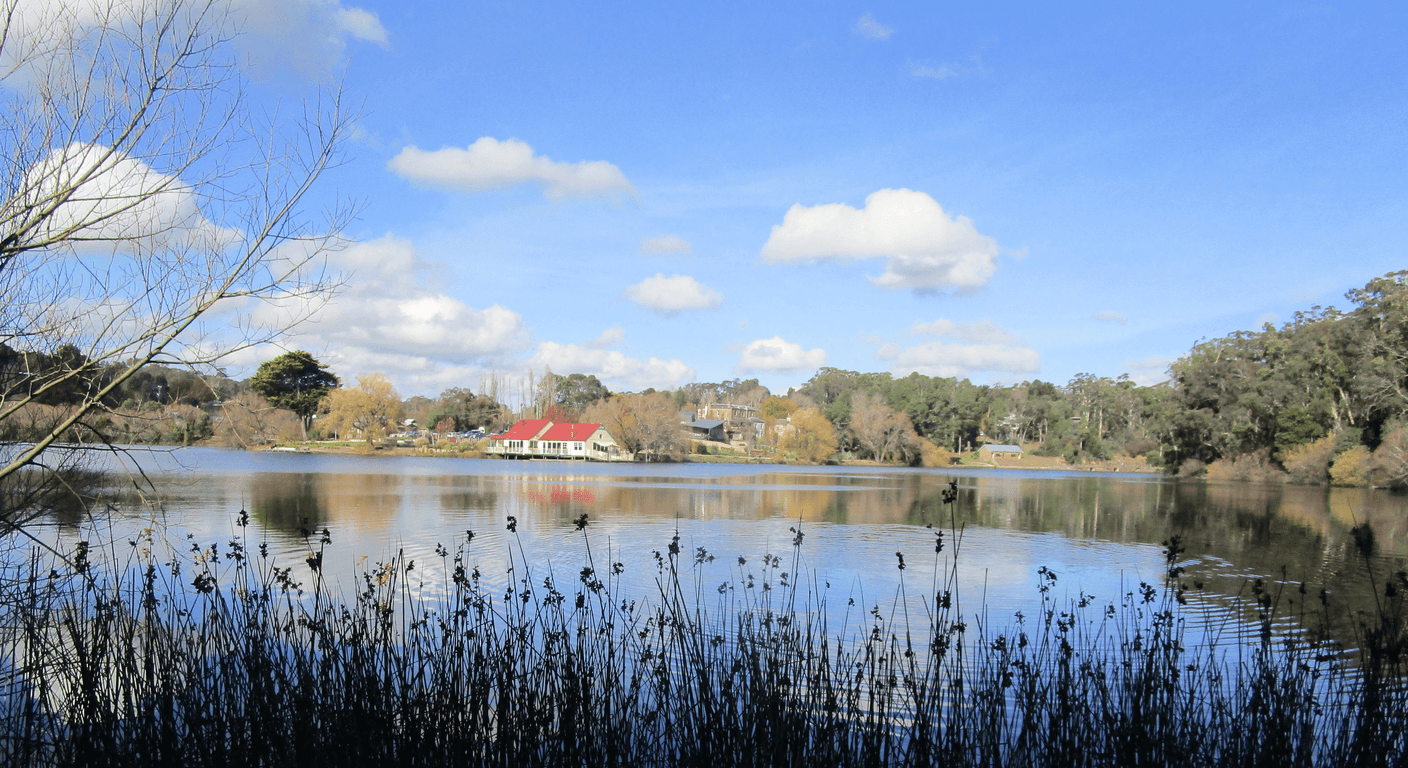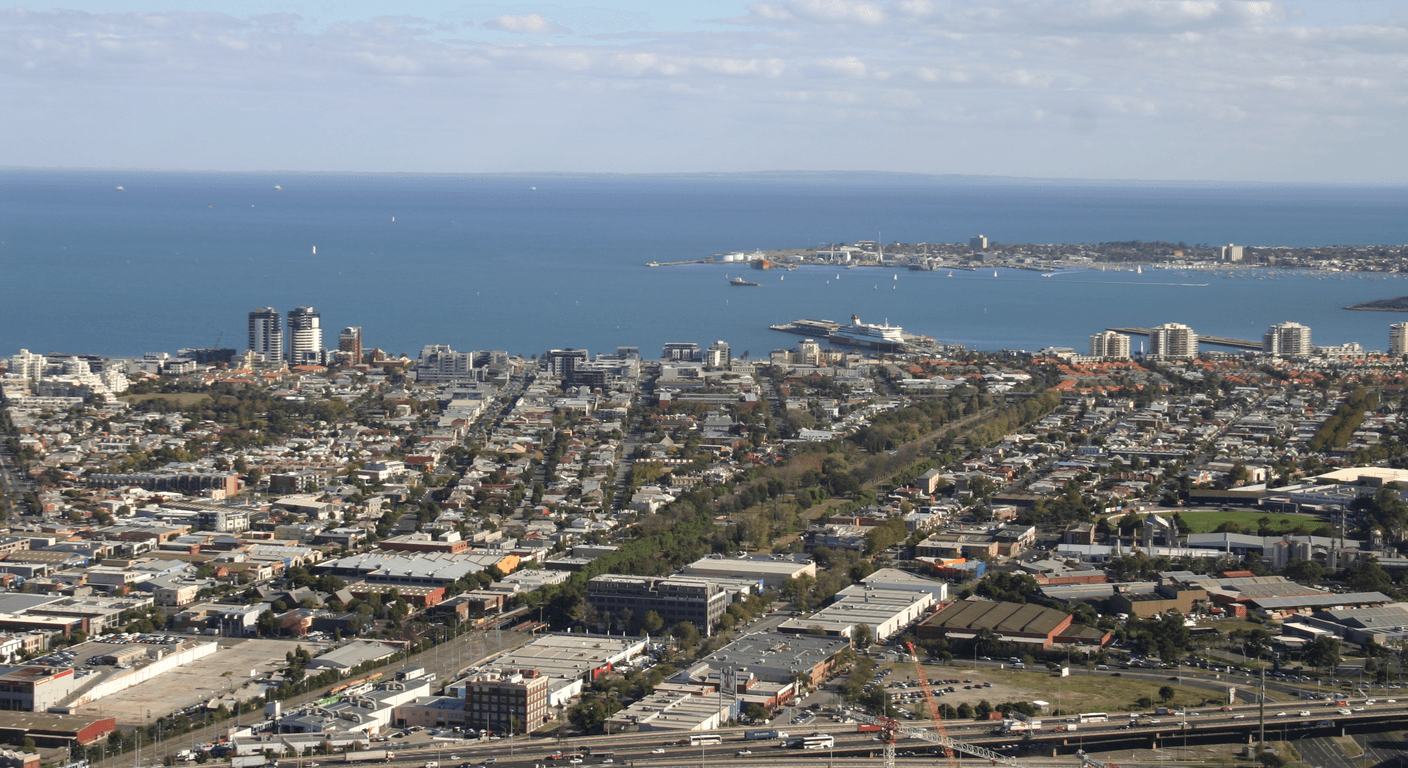
Port Phillip Bay's ferry services offer a low-effort seaside day out for over-50s, with the Queenscliff–Sorrento crossing the most popular route. The crossing takes around 40 minutes, runs year-round with reduced winter timetables, and suits Easy to Moderate mobility. Fares are roughly $10–$15 one-way for a foot passenger (confirm current pricing with the operator). Access is straightforward from Melbourne by car, coach or V/Line train to Geelong, then onward connection.
Why the Bay Ferry Works So Well for Over-50s
There's a particular pleasure in going somewhere by water that no amount of scenic driving quite replicates. The Queenscliff–Sorrento crossing takes roughly 40 minutes across the Rip — the narrow mouth where Port Phillip Bay meets Bass Strait — and in that time you've swapped the Bellarine Peninsula for the Mornington Peninsula without sitting in a car for the better part of two hours on the inland road. That's not a minor convenience. For a solo traveller in his late sixties who's done the highway route more times than he can count, the ferry represents a genuine shift in how the day feels.
The practical case is equally strong. Boarding is straightforward — a gangway ramp, covered shelter at the terminal while you wait, seating indoors and out on the vessel itself. You don't need a vehicle (though you can take one, at a higher fare). You're not managing a hire car in an unfamiliar place. And the crossing itself is scenic enough to justify arriving early and standing on deck as you clear the heads, watching the pilot boats and the container traffic hold their line in the channel.
Accessibility deserves a direct word: the ferry is generally accessible for travellers with limited mobility, though the ramp angle changes with the tide. If you use a walking stick, a light rollator, or simply want to be sure of your footing on a moving deck, phone the operator ahead of time and ask specifically about current ramp conditions and onboard seating. That call takes three minutes and removes any uncertainty.
The Routes: What Actually Runs and From Where
The main route most over-50s will use is Queenscliff to Sorrento, operated by Searoad Ferries. This is a year-round service, though winter timetables are reduced — sometimes to two or three sailings a day in each direction rather than the near-hourly frequency of the summer peak. Confirming the current timetable before you commit to anything is not optional; it's the single most important planning step. The Searoad Ferries website (searoad.com.au) carries live schedules and online booking.
Queenscliff terminal sits right at the edge of town, a short walk from the main street. Sorrento terminal is similarly central — you step off the ferry and you're effectively in the village. Neither requires a taxi or shuttle unless you've arrived by train and have luggage. The terminals have waiting areas, toilets and modest refreshment options, though 'modest' is doing some work there — don't plan your lunch around the terminal kiosk.
There's no equivalent public ferry currently operating from central Melbourne to the Mornington Peninsula (the Docklands–Frankston proposal has circulated for years without resolution as of mid-2026). So the Bay ferry experience, for now, means getting yourself to Queenscliff or Sorrento first — which is where the journey planning starts.
Getting to the Ferry: Train, Coach or Car
From Melbourne, the most relaxed approach is V/Line to Geelong (roughly 55–65 minutes from Southern Cross Station), then a local bus or taxi the 30-odd kilometres to Queenscliff. The Geelong–Queenscliff bus service exists but runs infrequently — check the Public Transport Victoria journey planner (ptv.vic.gov.au) for current timetables, and build generous connection time. Missing the bus and then missing the ferry because the next bus is three hours away is the kind of afternoon nobody wants. A taxi from Geelong to Queenscliff costs roughly $60–$80 (indicative; confirm with a local operator), which splits well between two but stings solo.
Holders of a Victorian Seniors Card should check V/Line concession eligibility — the card provides discounted travel on V/Line services, and it's one of the concessions older Victorians most consistently fail to use on day trips close to home. Confirm current entitlements at ptv.vic.gov.au or vline.com.au before booking.
Driving remains the most flexible option, particularly for a solo traveller who prefers to set his own pace. Queenscliff is around 100 kilometres from central Melbourne via the Princes Freeway and the Bellarine Highway — roughly 90 minutes in reasonable traffic. Parking at Queenscliff is available near the terminal; in peak summer it fills early, so an 8:30am arrival isn't overcautious. If you drive to Queenscliff and take the ferry as a foot passenger to Sorrento, you return the same way — which keeps things simple and means you're not paying to ship the car across.
What the Day Actually Looks Like: An Hour-by-Hour Guide
This is the section most travel writing skips, which is exactly why it matters. Times below are indicative and based on a typical summer timetable — confirm current sailing times with Searoad Ferries before planning around them. The rhythm shifts in winter.
Arrive at Queenscliff terminal around 9:00am for a 9:30am sailing. Check-in for foot passengers is quick — ten minutes is ample — but the terminal has seating and toilets, so arriving early costs you nothing. Onboard, the enclosed saloon has airline-style seating (upholstered, not plastic), large windows, and a small refreshment counter. The outdoor deck aft is worth five minutes if the weather's decent and the wind isn't cutting. The crossing itself runs around 35–40 minutes. You dock at Sorrento around 10:10–10:15am. Toilets are available both at the terminals and on board — no need to plan around them.
From Sorrento terminal you're a two-minute walk from the main street. A coffee and a slow look around the shops takes you to about 11:00am. The back beach (ocean side) is a 15-minute walk or a short taxi if your knees prefer it — worth it for the contrast with the calm bay side. Lunch in Sorrento runs from about noon; budget around $30–$50 for a main and a glass of something, more at the water-facing spots. Aim to be back at the terminal by 2:30pm for a 3:00pm or 3:30pm sailing back to Queenscliff (confirm the afternoon departure times — this is where people get caught out). You're back in Queenscliff by 4:00–4:15pm, which leaves time for a walk along the Queenscliff foreshore or a look at the historic fort before the drive or connection home. The skippable part: if a third café or a fourth antique shop in Sorrento isn't for you, the Sorrento back beach walk is the better use of that hour. It's quieter, there's a bench at the lookout, and you won't feel crowded.
On Board: Seating, Comfort and What to Expect
Searoad Ferries operates purpose-built vehicle and passenger ferries — not the cramped, bouncy hydrofoil experience some travellers remember from older bay services. The enclosed passenger saloon is comfortable, reasonably quiet, and has enough window space that you're not staring at the back of a headrest for forty minutes. Seating is first-come, first-served for foot passengers; the window seats along the sides go quickly, so board early if that matters to you.
The crossing can be choppy when the Rip is running hard — this is a real strait, not a sheltered harbour. Most passages are smooth enough, but if you're susceptible to motion sickness, sit midships and stay inside. A calm, overcast day is often better for this crossing than a bright, windy one. The outdoor deck is enjoyable when conditions are right and briefly exhilarating when they're not.
Onboard facilities include toilets (accessible) and a small refreshment bar. The coffee is functional. Don't board hungry expecting a meal — bring something, or eat at the terminal café before departure.
Fares, Booking and the Solo Traveller Question
Foot passenger fares on the Queenscliff–Sorrento crossing are roughly $10–$15 one-way as of mid-2026, though these figures are indicative and should be confirmed directly with Searoad Ferries before booking. Vehicle fares are considerably higher and vary by vehicle length — if you're taking a car across, budget accordingly and book ahead in summer, when vehicle spaces fill days in advance. Foot passengers can generally just turn up, though booking online removes any uncertainty.
For the solo traveller: there's no single supplement on a foot passenger ferry ticket, obviously — you pay the same per-person fare as anyone else. This is one of the genuinely uncomplicated aspects of ferry travel for solo over-50s. You're not penalised for travelling alone, you're not assigned a stranger as a cabin-mate, and you don't need to negotiate a tour group's pace. The day is yours to shape.
A note on card surcharges: some ferry and terminal operators pass on card processing fees at the point of sale. It's not outrageous, but it's the kind of thing worth knowing before you stand at a kiosk expecting a round number. Cash is worth carrying for smaller purchases ashore, particularly at the Queenscliff foreshore market if you happen to hit a market day.
Making the Most of Both Sides: Queenscliff and Sorrento
Queenscliff is underrated as a destination in its own right. The Victorian-era streetscape along Hesse Street and Gellibrand Street is intact enough to feel genuine rather than preserved-for-tourists. The Queenscliff Maritime Museum (confirm opening hours and admission at the museum directly) covers the history of the Rip pilots and the lifeboat service with more depth than you'd expect. The historic fort — Fort Queenscliff — offers guided tours that run around 90 minutes; worth it if you have the morning before a late-morning sailing. The foreshore walk from the pier toward Point Lonsdale is flat, well-surfaced and takes about 30–40 minutes one way. Comfortable shoes are all you need.
Sorrento on the Mornington Peninsula has a slightly more polished feel — more galleries, more day-tripping Melburnians on weekends, prices pitched accordingly. The main street delivers everything you need for a good few hours: independent bookshops, decent coffee, a clutch of restaurants ranging from fish and chips on the foreshore to proper sit-down dining. The back beach (ocean side) is a different world from the calm bay beach — dramatic limestone cliffs, fewer people, and a path that rewards the twenty-minute walk from the village. If your mobility limits longer walks, the bay beach foreshore near the ferry terminal is flat and pleasant with good seating.
Combining both sides in a single day is entirely reasonable: cross to Sorrento in the morning, spend three to four hours there, cross back in the afternoon, and spend an hour in Queenscliff before heading home. That's a full day without a single moment of feeling rushed — which, frankly, is the point.
Quick planning guide
| Ideal pace | Relaxed — one crossing each way, long lunch or short explore in between |
|---|---|
| Best months | October to April for warmest weather and fullest timetables; winter crossings run but less frequently |
| Suggested stay | Day trip from Melbourne or overnight at either Queenscliff or Sorrento |
| Mobility level | Easy — ferry boarding involves a gangway ramp, minimal walking on board; shoreside terrain is mostly flat with some footpath camber |
| Cost level | Low to moderate — foot passenger fares roughly $10–$15 one-way; confirm with operator |
| Comfort level | High — enclosed saloon seating, outdoor deck, toilets on board |
| Best for | Solo travellers, couples, grey nomads with or without vehicles |
| Main planning consideration | Timetables change seasonally and vehicle bookings fill quickly in summer; check the operator's site before any commitment |
Key takeaways
- The Queenscliff–Sorrento crossing takes around 35–40 minutes and foot passenger fares are roughly $10–$15 one-way — confirm current pricing with Searoad Ferries before booking.
- Timetables reduce significantly in winter, sometimes to two or three sailings a day; always check the current schedule at searoad.com.au before planning.
- Victorian Seniors Card holders are entitled to concession fares on V/Line trains to Geelong — one of the most commonly missed discounts for day trips from Melbourne.
- There is no single supplement for foot passenger ferry travel — solo travellers pay the same per-person fare as anyone else.
- Both terminals have toilets and waiting areas; toilets are also available on board, so there's no need to plan the crossing around facilities.
- The ferry crossing can be choppy when the Rip is running; sit midships in the enclosed saloon if you're prone to motion sickness.
Recommended partners and links
Indicative prices only — always confirm with the operator before booking.
Frequently asked questions
How long does the Queenscliff to Sorrento ferry crossing take?
The Queenscliff–Sorrento ferry crossing takes approximately 35 to 40 minutes. Confirm the current timetable with Searoad Ferries at searoad.com.au, as sailing times vary by season.
How much does the Port Phillip Bay ferry cost for a foot passenger?
Foot passenger fares on the Queenscliff–Sorrento route are roughly $10–$15 one-way as of mid-2026. These are indicative figures; confirm current pricing directly with Searoad Ferries before booking.
Is the Queenscliff–Sorrento ferry suitable for passengers with limited mobility?
The ferry is generally accessible for passengers with limited mobility, including a gangway ramp and accessible toilets on board. The ramp angle varies with the tide, so if you use a walking aid, phone the operator in advance to ask about current boarding conditions.
Can I do the Queenscliff–Sorrento ferry as a day trip from Melbourne without a car?
Yes. Take a V/Line train from Southern Cross Station to Geelong (around 55–65 minutes), then connect by bus or taxi to Queenscliff terminal. Victorian Seniors Card holders should check concession eligibility on V/Line before booking. The Geelong–Queenscliff bus runs infrequently, so allow generous connection time or consider a taxi from Geelong.
Do I need to book the ferry in advance or can I just turn up?
Foot passengers can generally board without a prior booking, though booking online removes any uncertainty and is recommended in summer. Vehicle spaces fill quickly in the peak season and must be booked well in advance. Check availability at searoad.com.au.