Port Stephens, about two and a half hours north of Sydney by car (or roughly an hour from Newcastle), suits over-50 travellers with a relaxed half-day to full-day itinerary built around a seated dolphin-watch cruise and a guided 4WD tour of the Stockton Bight dunes. The resident dolphin pod is visible year-round, though autumn and spring bring the most comfortable weather. Most activities are flat and low-exertion, with only the optional Tomaree Head summit walk demanding real fitness.
Why Port Stephens works well for an over-50 day trip
Port Stephens is the kind of place that does not demand anything of you. The bay is wide and sheltered, the town of Nelson Bay is compact and walkable along the flat marina foreshore, and the two headline experiences — a dolphin-watch cruise and a guided dune tour — are both seated activities that suit travellers who want engagement without exertion. For a solo traveller in his late sixties who has done the big-effort hikes and is now more interested in quality over kilometre count, this is a genuinely satisfying destination.
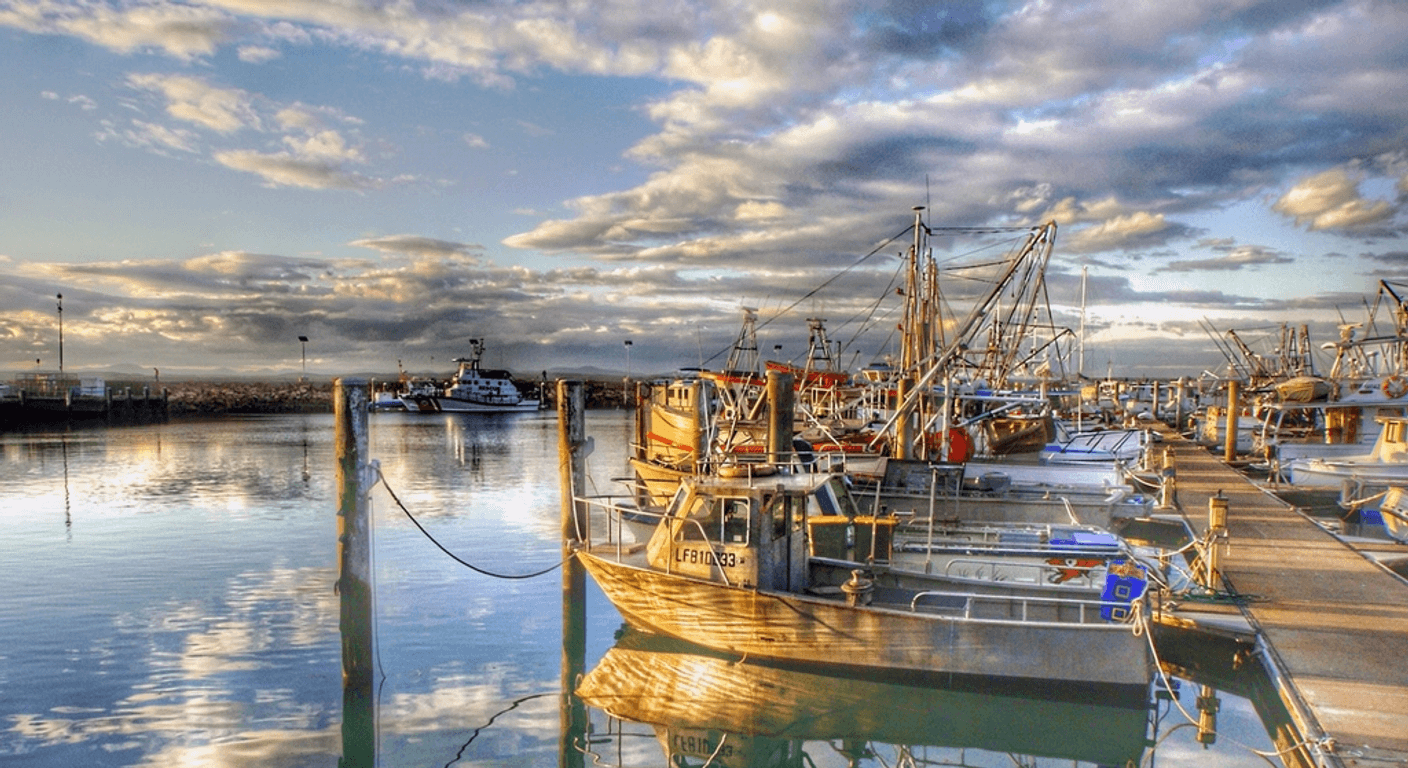
The region sits on a deep-water bay roughly 200 kilometres north of Sydney's CBD, within the Port Stephens local government area. Nelson Bay is the main hub: it has the marina, most of the cruise operators, a good spread of cafes and fish-and-chip shops, and the starting point for Tomaree Head if you choose to attempt it. The town is not particularly glamorous, but it is honest and functional, and the waterfront has real charm on a clear morning when the pelicans are working the marina and the fishing boats are heading out.
Port Stephens is firmly in New South Wales, so Victorian travellers are making a proper interstate day trip or, more realistically, incorporating it into a two- or three-night stay in Newcastle or the Hunter Valley. That context matters for planning: you are not going to drive from Melbourne for a single day, but if you are already in Newcastle for a few days, Port Stephens is an easy and rewarding half-day to full-day excursion.
Getting to Port Stephens from Sydney or Newcastle
From Sydney, the most straightforward route is by car via the M1 Pacific Motorway, turning off toward Raymond Terrace and then following signs to Nelson Bay. The drive is roughly two and a half hours in reasonable traffic, though Sydney's northern outskirts can add time on weekday mornings. If you would prefer not to drive, Port Stephens Coaches operates scheduled services and day-tour packages from Sydney — worth checking their current timetable at pscoaches.com.au, as services and pricing do change seasonally.
From Newcastle, Port Stephens is considerably more accessible: around 50 to 60 minutes by car via the Nelson Bay Road, or by coach service. Newcastle itself is well connected to Sydney by NSW TrainLink intercity rail from Central Station, with trains running frequently throughout the day. If you fly into Newcastle Airport — which has grown its interstate connections notably in recent years — you are already positioned to make Port Stephens a priority stop. Confirm current train timetables and fares at transportnsw.info or nswtrainlink.info.
Once in Nelson Bay, the marina precinct is compact enough to move between the cruise wharf, the dune tour departure points, and the foreshore eateries without needing a vehicle. If you are joining a guided dune tour, operators typically arrange their own transport to the Stockton Beach access point. Parking in Nelson Bay is generally available near the marina, though it can tighten on summer weekends and school holidays.
Dolphin-watch cruises: what to expect on the water
Port Stephens is home to a resident pod of Indo-Pacific bottlenose dolphins — estimates put the population at around 60 to 100 individuals, though you should confirm current figures with operators or the Port Stephens–Great Lakes Marine Park. Because these are resident rather than migratory dolphins, sightings are reliable year-round rather than seasonal, which is one of the genuine practical advantages of this destination over some other wildlife cruise locations. That said, 'reliable' does not mean guaranteed: dolphins are wild animals and no operator can promise an encounter.
Several operators run dolphin-watch cruises from Nelson Bay Marina, with Imagine Cruises among the established names. A typical cruise runs around two hours, stays within the sheltered bay, and offers reasonable deck space for watching. The vessels are generally modern and include seating, toilets, and some shelter, which matters on cooler or breezy days. Indicative adult fares have been in the range of $35 to $55, but pricing changes and you should confirm directly with whichever operator you choose before visiting. Morning cruises tend to offer calmer water and better light for watching.
Accessibility on cruise vessels varies. Most have a boarding step or gangway that requires some care, and open deck areas may not have continuous handrails. If mobility is a consideration, contact the operator in advance to ask specifically about boarding assistance and seating arrangements — the better operators are used to this question and will give you a straight answer. Seasickness is rarely an issue in the sheltered bay, but if you are sensitive, taking a precaution before boarding is sensible.
The Stockton dunes: why the 4WD tour makes sense for over-50 travellers
Stockton Bight is one of the largest moving coastal sand dune systems in the southern hemisphere, stretching roughly 32 kilometres along the coast. Walking into the dunes independently is an option only if you are comfortable with soft sand, no shade, and distances that add up quickly. For most over-50 travellers, and particularly solo travellers who do not want to be caught out in difficult terrain, the guided 4WD sand safari tour is simply the sensible choice — and it is also, frankly, more interesting than trudging on foot.
Operators such as Sand Dunes Adventures run guided tours by 4WD vehicle across the dune system, including stops for views over the coastline and the option to try sandboarding if you are feeling adventurous (you are not obliged to). The 4WD vehicles do the heavy work; you sit, watch the landscape shift from coastal scrub to open dune, and get a proper sense of the scale of the place. Indicative tour prices have been in the range of $50 to $80 per person, but confirm current pricing and departure times directly at sanddunesadventures.com.au or with your hotel's concierge.
The boarding step into a 4WD vehicle requires a reasonable step up, so if knee or hip mobility is limited, mention this when you book — operators can sometimes position the vehicle to make boarding easier, or advise on the most suitable tour format. The tours themselves are seated throughout. Sun protection is essential: the dunes reflect heat and there is no shade once you are out on the sand, so a hat, sunscreen, and a water bottle are not optional.
Tomaree Head lookout: an honest assessment for over-50 travellers
Tomaree Head National Park sits at the southern entrance to Port Stephens, and the lookout at the summit offers wide views across the bay, the open ocean, and the Tomaree Peninsula. It is genuinely worth seeing — but the walk up is not casual. The trail to the summit is around one kilometre each way, with a meaningful elevation gain of approximately 160 metres. The path is well-maintained and stepped in sections, but it is consistently steep and there are no benches partway up. On a warm day, this is a genuine physical undertaking.
For a 69-year-old traveller who is reasonably fit and takes it at his own pace, the summit walk is achievable and rewarding. For anyone with significant joint pain, balance concerns, or cardiac considerations, it warrants honest reflection before committing. There is no shame in walking to the base of the headland, taking in the coastal vegetation and the views from the lower foreshore, and deciding that is enough. The foreshore walk along Tomaree Esplanade and around the base of the headland is flat, paved in sections, and genuinely pleasant — it gives you the coastal air and scenery without the climb.
The national park entry is managed by NSW National Parks and Wildlife Service. Current park access information, including any seasonal closures or track conditions, is available at nationalparks.nsw.gov.au. There is no entry fee for Tomaree Head as a day visitor on foot, though parking conditions in the area can be limited on busy weekends.
Fish and chips on the marina: the practical lunch stop
Nelson Bay Marina has a reliable cluster of fish-and-chip shops and casual seafood cafes along the foreshore, and eating here is one of the genuine pleasures of a Port Stephens day. The pelicans will almost certainly be present and will make their interest in your lunch very clear — they are entertaining rather than threatening, but keep your food covered if you step away from your table. The foreshore seating is shaded in parts and looks directly out over the marina and the moored boats.
Quality varies between shops, as it does at any marina precinct, and the best approach is to look for whichever is busiest with locals rather than tour groups — a reasonable heuristic anywhere in coastal Australia. Indicative prices for a standard fish and chips serving have been around $15 to $25, though seafood pricing shifts with supply and you should expect current prices to vary. The foreshore is also flat and easy to navigate, with accessible seating at most of the outdoor areas.
If you prefer a sit-down meal with table service, Nelson Bay has a number of cafes and restaurants a short walk from the marina. The town is not a fine-dining destination, but the food is honest and the pace is relaxed — which is exactly what a good day-trip lunch should be. Allow at least an hour at the marina before your next activity, partly for the food and partly because the waterfront is worth sitting with for a while.
Putting together a comfortable day: pacing and practical notes
A well-paced Port Stephens day for an over-50 traveller might look like this: arrive in Nelson Bay by mid-morning, join a dolphin-watch cruise that runs through late morning, return to the marina for a relaxed lunch, then head out on a guided dune tour in the early afternoon before finishing with a flat foreshore walk and a coffee. That sequence spreads the two main activities across the day, avoids the midday heat for outdoor walking, and leaves the late afternoon free without the pressure of a tightly scheduled itinerary.
If you are visiting in summer (December through February), start early — the dunes in particular become very hot by midday, and Nelson Bay's marina can be crowded on weekends. Winter days are cooler and clearer, the light on the bay is often excellent, and crowds are thinner. Autumn and spring are comfortable in both temperature and visitor numbers. Year-round, the dolphin pods are present, so there is no wrong season for the main attraction.
Solo travellers should be aware that most guided tours in Port Stephens are group experiences — you will be with other visitors, typically a mixed age range, and guides are generally accustomed to accommodating different paces and mobility levels. Booking in advance for the cruise and the dune tour is advisable, particularly if you are visiting in school holidays or long weekends, but Port Stephens is not the kind of place where experiences routinely sell out weeks in advance. Confirm current availability directly with operators.
Quick planning guide
| Ideal pace | Slow and unhurried, one or two activities spread across the day |
|---|---|
| Best months | Dolphins present year-round; autumn and spring offer the most comfortable temperatures and lighter crowds |
| Suggested stay | Half-day to full day |
| Mobility level | Easy overall — cruise and dune tour are seated; the optional Tomaree Head summit walk is steep and more demanding |
| Cost level | Budget-friendly, with indicative activity prices from around $15 to $80 |
| Comfort level | Relaxed and unpretentious, with flat marina walking and shaded foreshore seating |
| Best for | Over-50 travellers, solo travellers, and those wanting wildlife and coastal scenery without strenuous effort |
| Main planning consideration | Book the dolphin cruise and dune tour ahead and confirm current prices, schedules, and accessibility with operators |
Key takeaways
- Port Stephens has a resident pod of bottlenose dolphins year-round, making sightings reliable across all seasons rather than dependent on migration timing.
- The guided 4WD dune tour is the practical choice for over-50 travellers on Stockton Bight — walking the dunes independently means soft sand, no shade, and significant distances.
- The Tomaree Head summit walk is roughly one kilometre each way with around 160 metres of elevation gain — rewarding for reasonably fit travellers, but the flat foreshore walk is a genuine alternative.
- Nelson Bay Marina is flat, accessible, and walkable, making it the natural hub for lunch, coffee, and time between activities.
- From Newcastle, Port Stephens is around 50 to 60 minutes by car — making it the most practical base for Victorian travellers who fly into Newcastle Airport.
- Confirm all cruise and tour prices, departure times, and accessibility details directly with operators before visiting, as costs and schedules change seasonally.
Recommended partners and links
Indicative prices only — always confirm with the operator before booking.
Frequently asked questions
Are dolphin sightings guaranteed on Port Stephens cruises?
No operator can guarantee a sighting — dolphins are wild animals. However, Port Stephens has a resident population of Indo-Pacific bottlenose dolphins present year-round, which makes sightings reliably common compared with destinations that depend on seasonal migration. Confirm current sighting rates and tour conditions directly with your chosen operator.
Is the Stockton sand dune 4WD tour suitable for seniors with limited mobility?
The guided 4WD sand safari is a seated experience and does not require walking on sand. The main practical consideration is the step up into the 4WD vehicle. If mobility is limited, contact the operator in advance to ask about boarding assistance — most reputable operators are accustomed to this request and can advise honestly on suitability.
How hard is the walk to the top of Tomaree Head?
The summit trail is around one kilometre each way with approximately 160 metres of elevation gain. The path is well-maintained and stepped in sections, but it is consistently steep with no rest benches partway. It is achievable for a reasonably fit over-60 traveller who takes it slowly, but those with joint pain, balance concerns, or cardiac conditions should consider the flat foreshore walk as an alternative.
How do you get from Sydney to Port Stephens without a car?
Port Stephens Coaches operates coach services and day-tour packages from Sydney — check current timetables and fares at pscoaches.com.au. Alternatively, take an NSW TrainLink intercity train from Sydney Central to Newcastle, then connect to Port Stephens by coach or hire car. Confirm current train schedules at nswtrainlink.info.
What is the best time of year to visit Port Stephens for a day trip?
Port Stephens is a year-round destination for dolphin watching. Autumn and spring offer comfortable temperatures and smaller crowds. Summer is warm but can be crowded on weekends and during school holidays, and the dunes become very hot by midday. Winter days are cooler, often clear, and noticeably quieter.