Probus clubs have been quietly connecting Australian retirees for decades, yet many people who would benefit most have never heard of them. They sit at an unusual crossroads: social club, travel group, and community anchor, all for roughly the cost of a few coffees a month. For a solo traveller in particular, they offer something no concession card can — a ready-made circle of people who actually want to go somewhere.
What exactly is a Probus club?
Probus began in the United Kingdom in 1965, founded through Rotary as a social club specifically for retired and semi-retired professionals. The name blends 'professional' and 'business' — though in practice, membership long ago broadened well beyond those backgrounds. In Australia, Probus South Pacific oversees the network, and there are now hundreds of clubs operating across every state and territory.
The core idea is deliberately simple. Unlike Rotary or Lions, Probus carries no fundraising obligation and no community service mandate. The point is fellowship — regular contact with people at a similar life stage, shared interests, and the occasional adventure together. For someone who has recently retired or relocated, that simplicity is exactly the appeal.
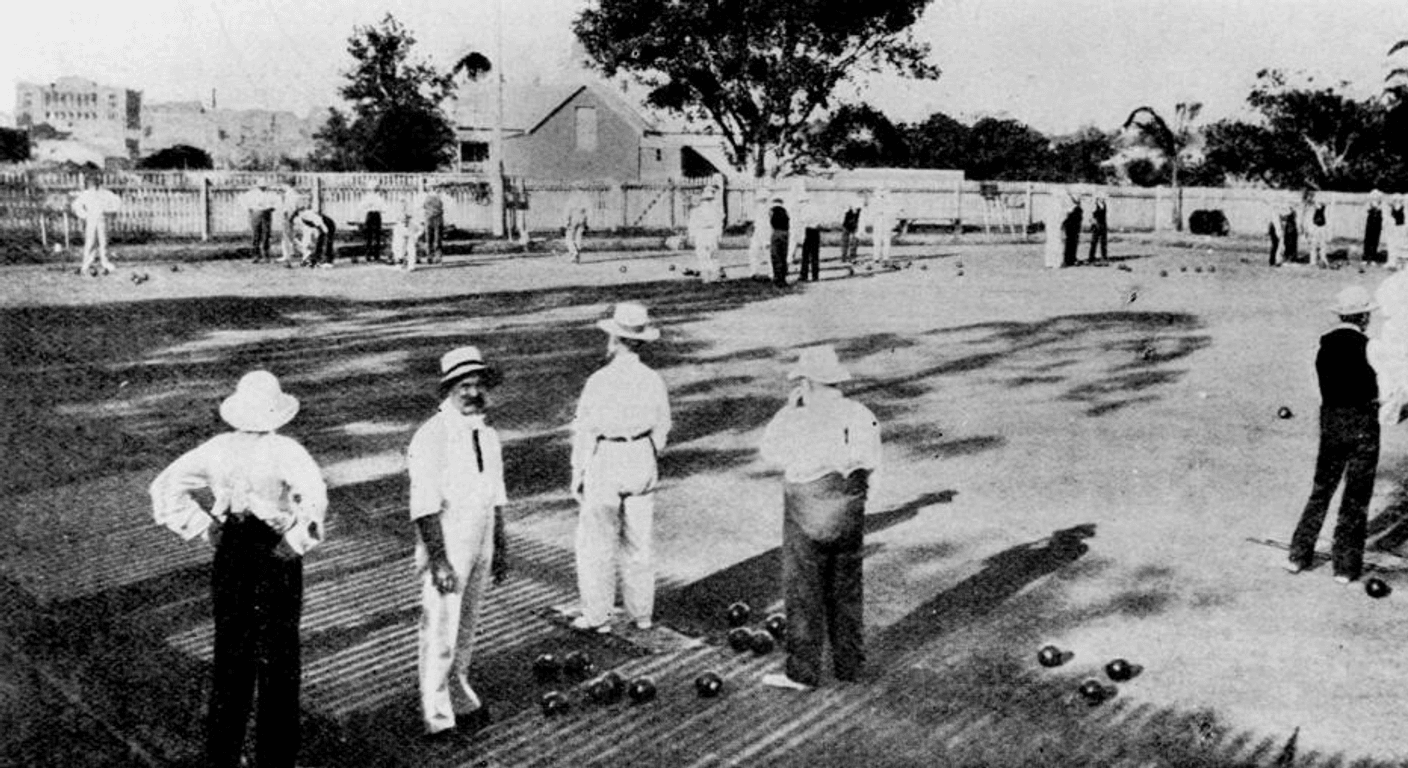
Clubs are autonomous. Each one sets its own character, meeting frequency and activity program. Some skew toward cultural outings and theatre; others run regular bushwalks or lawn bowls afternoons. A few organise interstate or overseas group tours. The variety means it's worth visiting more than one club before settling — the right fit matters more than geographic convenience.
What does a typical Probus meeting actually look like?
Most clubs meet once a month, usually in the morning, at a community hall, RSL, bowling club or similar venue with good parking and step-free access. A standard meeting runs around two hours. There's a formal but relaxed structure: a welcome, a speaker or activity, committee updates, and time over morning tea to simply talk. The guest speaker element is often underestimated — clubs draw on local historians, travel presenters, health professionals, authors and tradespeople, making each meeting genuinely different.
Attendance is not policed. Life happens, and no one marks you absent. That said, regular attendance is how friendships actually form, which is the whole point. First-time visitors are typically welcomed warmly and introduced around — clubs know that walking into a room where everyone already knows each other can feel daunting, and most have a designated welcomer or buddy system.
Beyond the monthly meeting, clubs often run a separate social program: a coffee morning, a lunch group, a walking group, a cards afternoon. These sub-groups operate informally and you can join as many or as few as suit you. For a solo traveller who has moved to a new suburb or simply finds the social calendar thinner in retirement, these smaller gatherings can become the real anchor of the week.
How do Probus clubs handle travel and outings?
Group travel is one of Probus's genuine strengths, and it works differently from booking a commercial tour. Because the group already knows each other, the dynamic on a coach trip to the Yarra Valley or a cruise along the Murray is fundamentally different from travelling with strangers. There's existing trust, shared humour, and someone who'll save you a seat.
Day trips and overnight excursions are the most common format — a winery visit, a regional garden, a theatre matinee with dinner after. Longer trips, including interstate and international, are organised by some clubs, often through travel agents experienced with group bookings. The club's travel convenor typically does the legwork; members just need to sign up and pay. Costs are shared and indicative pricing varies enormously by destination, so confirm all details directly with your club's organiser.
Accessibility is handled practically rather than formally. Most clubs are attuned to the realities of travelling with a group where some members use walking aids, prefer aisle seats, or need more time at stops. That's not a concession — it's just how the group travels. If you have specific needs, a quiet word with the trip organiser before departure is all that's usually required.
How much does Probus membership cost?
This is where Probus quietly stands apart from most social organisations. Annual membership fees are set by individual clubs and are typically modest — often in the range of $50 to $90 per year, though this varies and you should confirm the current fee with any club you're considering. There's usually a small per-meeting levy or morning tea contribution as well, but the overall cost is low by any measure.
There's no joining fee at most clubs, and many offer a free guest visit or two before you commit. The financial barrier is, in short, not the barrier. The more relevant question is whether the club's culture and activity mix suits you — and that's best assessed in person.
Probus is not a concession card scheme and doesn't negotiate member discounts in the way that, say, a seniors card program does. Its value is social rather than financial. That distinction is worth being clear about: joining Probus to chase discounts would miss the point entirely. Joining because you'd like a regular reason to leave the house and a group to travel with — that's the right instinct.
Who actually joins — and is it for you?
The short answer: Australians from their mid-50s onward, the majority of whom are retired or winding down work. Clubs tend to have a roughly even gender split, though some are women-only or men-only — a historical quirk that persists in some areas. Combined clubs, open to all, are now the more common format and generally the better starting point.
The demographic does skew Anglo-Celtic and suburban, particularly in Victoria, which is simply a reflection of where the clubs have historically been strongest. That's changing gradually, with new clubs forming in more diverse communities. If your neighbourhood club doesn't feel like a natural fit, it's worth checking whether another club in your wider area might.
Solo travellers, recently retired professionals, those who've relocated for lifestyle reasons, and people whose social world has contracted since leaving work — these are the people Probus tends to serve best. It's not a dating service, it's not a support group, and it's not a tour operator. It's closer to what a good local club used to be: a reliable reason to show up somewhere, see familiar faces, and occasionally do something interesting together.
How do you find and join a club in Victoria?
The most direct route is the club finder on the Probus South Pacific website at probussouthpacific.org. Search by suburb or postcode and you'll get a list of nearby clubs with contact details. In metropolitan Melbourne, there are clubs in most suburbs; in regional Victoria, coverage is good in larger centres and improving in smaller towns.
Contact the club secretary — email is fine — and ask to attend as a visitor. Most clubs hold open meetings or can arrange a guest visit on request. It costs nothing and commits you to nothing. Attending one meeting gives you a reasonable read on the group's energy, the quality of the speaker program, and whether the people in the room are people you'd enjoy spending time with.
If there's no club nearby, or if you'd prefer to start fresh, Probus South Pacific can guide you through the process of establishing a new club. It requires a minimum number of foundation members and some administrative groundwork, but the organisation provides a formation kit and support. In areas with a growing retiree population, new clubs have been forming regularly — this is a live option, not a theoretical one.
What Probus offers that no card or discount scheme can match
Australia has a reasonable ecosystem of concession cards, seniors discounts and service programs for people over 50. These have genuine practical value — cheaper public transport, reduced admission fees, discounted insurance. But they operate at arm's length. You swipe a card, you save a few dollars, you go home.
Probus operates on a different logic entirely. The value accumulates slowly and compounds. The person you sat next to at the March meeting is the person who messages you about the May trip to Daylesford. The walking group you joined in winter becomes the group that fills a table at the Christmas lunch. None of that appears in a benefits brochure, because it can't be quantified or packaged.
For a 69-year-old man living alone in Victoria, the honest question isn't whether Probus is worth the annual fee. It almost certainly is. The question is whether the specific club you visit feels like a place you'd return to. That's worth finding out — and it only costs you a Tuesday morning.
Key takeaways
- Probus clubs are social and recreational clubs for Australians aged 50-plus, founded through Rotary, with no fundraising obligations and no community service requirements.
- Annual membership typically costs under $100 — confirm the current fee with your local club before joining.
- Most clubs meet monthly in accessible community venues, with optional sub-groups for walking, coffee, cards and travel throughout the month.
- Group travel is a genuine feature of many clubs: day trips, overnight excursions and longer tours, travelling with people you already know.
- Find your nearest club via the club finder at probussouthpacific.org — most clubs welcome free guest visits before you commit.
- The primary value of Probus is social connection, not financial discounts — it's the network that no concession card replicates.
Recommended partners and links
Indicative prices only — always confirm with the operator before booking.
Frequently asked questions
What is a Probus club and who can join?
A Probus club is a social and recreational club for retired and semi-retired Australians, typically aged 50 and over. Founded through Rotary, clubs focus on friendship, regular meetings and group activities rather than fundraising or community service. Most combined clubs are open to both men and women; some single-gender clubs also exist. There are no professional or vocational requirements to join.
How much does it cost to join a Probus club in Australia?
Annual membership fees are set by each individual club and typically fall under $100 per year, though this varies. There may also be a small per-meeting or morning tea contribution. Confirm the current fee directly with the club you're interested in. Many clubs allow free guest visits before you commit to membership.
How do I find a Probus club near me in Victoria?
Use the club finder on the Probus South Pacific website at probussouthpacific.org. Search by suburb or postcode to find nearby clubs with contact details. In metropolitan Melbourne, clubs operate in most suburbs; regional Victoria has good coverage in larger centres. Contact the club secretary to arrange a guest visit.
Do Probus clubs organise travel and tours?
Many Probus clubs organise day trips, overnight excursions and longer group travel, both within Australia and internationally. These are arranged by the club's travel convenor, often through experienced group travel agents. Costs vary by destination and trip — confirm all pricing and inclusions directly with your club organiser. Travelling with a group you already know is a key advantage over commercial group tours.
Is Probus suitable for solo travellers or people who are new to an area?
Probus is particularly well-suited to solo travellers and people who have relocated or recently retired, as it provides regular social contact and a ready-made group for outings and travel. Clubs typically have a welcoming process for new members and visitors. The monthly meeting structure gives you a consistent reason to connect, and smaller sub-groups — walking, coffee mornings, cards — make it easy to build genuine friendships over time.