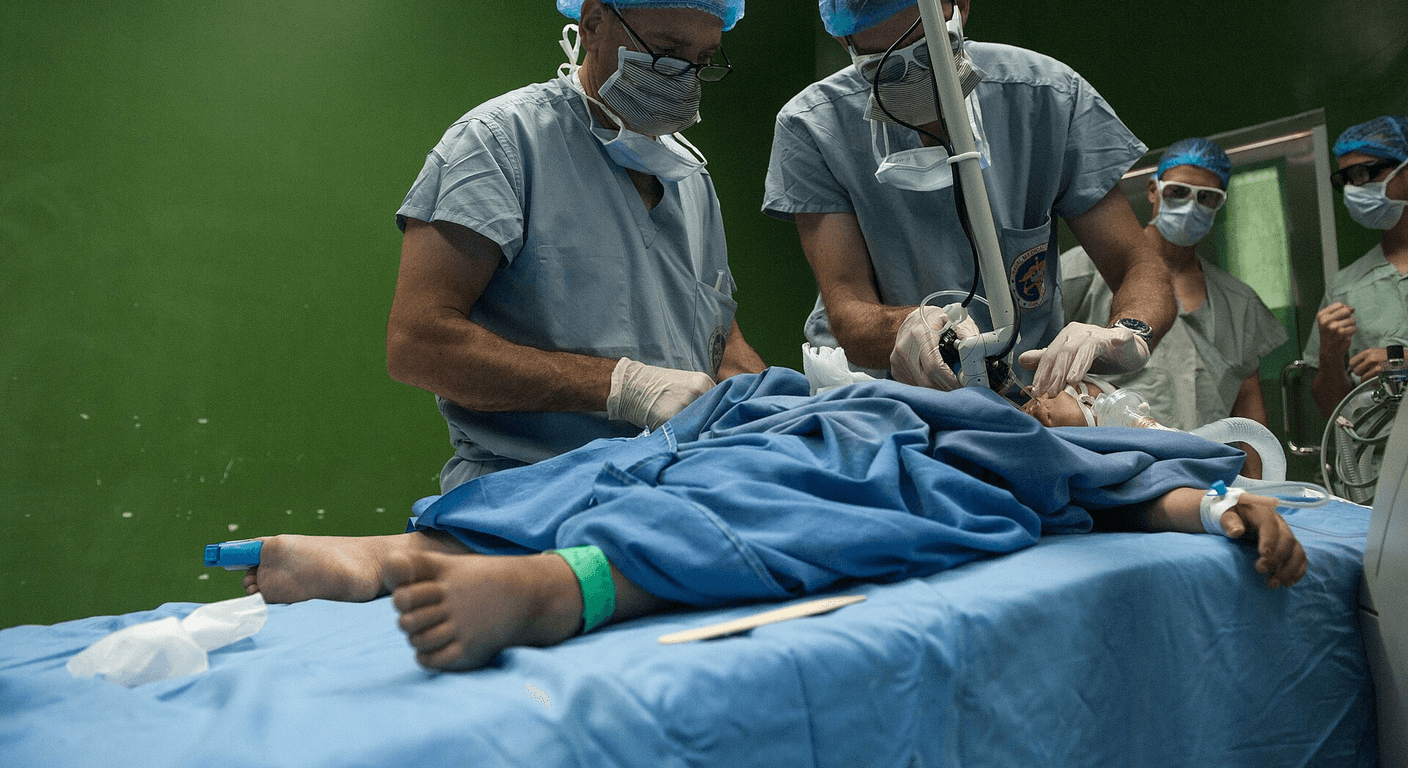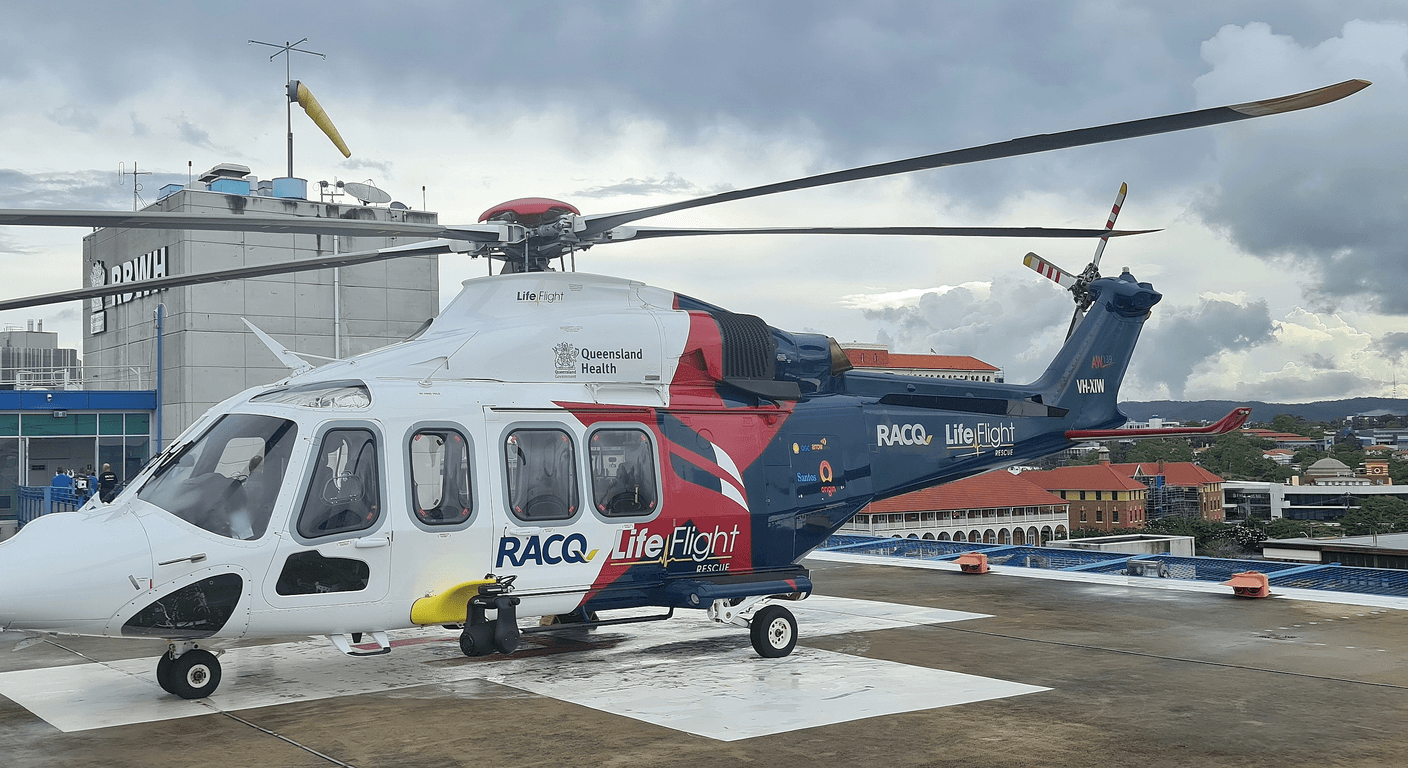
Queensland's Patient Travel Subsidy Scheme (PTSS) is a Queensland Health programme that partially offsets travel and accommodation costs for public patients referred to specialist care more than 50 kilometres from their nearest public treating facility. It covers a per-kilometre rate or commercial transport contribution, plus a capped nightly accommodation subsidy, but not meals or incidentals. Patients should apply before travelling through their local hospital's PTSS coordinator, who can confirm current rates and eligibility.
What is the Patient Travel Subsidy Scheme?
The Queensland Patient Travel Subsidy Scheme — known universally as PTSS — is a Queensland Government programme administered by Queensland Health. Its purpose is straightforward: to reduce the financial burden on patients who have no choice but to travel significant distances to reach specialist medical care that isn't available at their nearest public treating facility.
The scheme has been running for decades, quietly supporting people in outback towns, coastal communities and rural centres who might otherwise delay or forgo treatment simply because of the cost of getting there. For older Queenslanders managing chronic conditions, cancer treatment, cardiac issues or complex surgical referrals, it's one of the most practical financial supports the state offers.
It is not a full reimbursement programme. The PTSS provides a partial subsidy — a contribution toward costs, not a blank cheque. Understanding that distinction from the outset helps you plan your budget realistically and avoid disappointment at the claims desk.
Who qualifies for PTSS?
Eligibility rests on a few clear conditions. You must be a Queensland resident receiving care through the Queensland public health system, referred by a Queensland public hospital specialist (or, in some circumstances, a general practitioner acting as an approved referrer). The specialist care you're travelling to must not be available at your nearest public treating facility — and the distance from that facility to where you're receiving care must exceed 50 kilometres by the most direct road route.
Importantly, the 50-kilometre threshold is measured from your nearest public treating facility, not from your home address. For people in smaller communities, those two points may be quite different — and the distinction matters when your eligibility is assessed. Your local hospital's PTSS coordinator will help clarify this for your specific situation.
Private patients attending private hospitals or private specialist rooms are generally not covered. The scheme is designed for public patients in the public system. If your specialist bulk-bills and sees you at a public outpatient clinic, you're likely on solid ground; if the arrangement is entirely private, confirm eligibility carefully with the coordinator before assuming you qualify.
What does the subsidy actually cover?
PTSS covers two main categories: travel costs and accommodation costs. The travel subsidy is calculated on a per-kilometre basis for private vehicle use, or as a contribution toward the cost of commercial transport such as flights, coaches or hire cars. The per-kilometre rate for private vehicles is set by Queensland Health and reviewed periodically — confirm the current rate with your local PTSS coordinator or via the Queensland Health website before your trip, as rates do change and published figures in third-party guides can quickly become outdated.
The accommodation subsidy applies when you need to stay overnight close to your treatment location. Again, there is a nightly cap — a fixed dollar amount per night — rather than full reimbursement of whatever accommodation you choose. In practice, this means budget or mid-range accommodation near major public hospitals in Brisbane, Townsville or Cairns may be partially or substantially covered, while premium options will leave a larger gap. Some hospital-affiliated patient accommodation (such as that provided by organisations like Endeavour Foundation or various cancer support lodges) may charge rates that align well with the PTSS cap.
Meals are not covered by PTSS. Nor are incidental expenses like parking, tolls or travel insurance. These are real costs that add up over multiple trips, so factor them into your planning separately.
Escort provisions: travelling with support
One of the more valued aspects of PTSS is its escort provision. If your treating specialist or local medical officer determines that you require a support person to travel with you — whether for medical, physical or cognitive reasons — that escort may also be eligible for travel and accommodation subsidies under the scheme.
The escort approval is not automatic. It must be recommended or approved by your treating doctor or the PTSS coordinator, based on a clinical or care need. Simply preferring company, or finding travel easier with a partner alongside, doesn't meet the threshold. But for patients managing significant health conditions, reduced mobility, post-operative recovery or cognitive challenges, the escort provision is a genuine and meaningful support.
For couples where one partner is the patient and the other the carer, this provision is particularly relevant. It means both people can potentially have their travel and accommodation partially subsidised, rather than only the patient. Confirm the documentation required — typically a letter or form from the treating doctor — before assuming the escort will be approved.
How to apply and when to do it
The single most important practical point about PTSS: apply before you travel, not after. While retrospective claims can sometimes be considered, Queensland Health strongly prefers — and in many cases requires — that applications be lodged prior to the trip. Turning up with receipts after the fact and expecting the same outcome is a gamble not worth taking.
The process begins at your local hospital's PTSS coordinator. Every public hospital in Queensland has one, and they are the primary point of contact for the entire process. Bring your specialist referral letter, your appointment confirmation, and any relevant medical documentation. The coordinator will assess your eligibility, calculate the applicable subsidy, and provide you with the forms you need to complete before and after your trip.
After your appointment, you'll need to return the completed claim form — typically with receipts for accommodation and, if applicable, commercial transport — to the coordinator. Processing times vary by hospital, so ask the coordinator what to expect. Payment is generally made by direct deposit or cheque. Keep copies of everything you submit.
Practical tips for making the most of PTSS
Book accommodation that falls within or close to the nightly PTSS cap. Patient lodges, hospital-affiliated accommodation and some budget hotels near major Queensland hospitals are worth investigating first. Brisbane's Princess Alexandra Hospital, Royal Brisbane and Women's Hospital, and The Prince Charles Hospital all have patient accommodation options nearby — ask your PTSS coordinator what they recommend, as local knowledge here is invaluable.
If you're flying — which may be necessary from more remote parts of Queensland — keep all boarding passes and booking confirmations. The PTSS travel subsidy for commercial transport is calculated differently from the private vehicle rate, and documentation requirements are stricter. Book economy fares and don't assume business class upgrades will be reimbursed at any rate.
For those managing multiple specialist appointments over consecutive days, it may be worth discussing with your coordinator whether a single trip covering several appointments can be consolidated into one PTSS claim. This is sometimes possible and can reduce both the administrative load and your out-of-pocket transport costs.
Other supports worth knowing about
PTSS doesn't exist in isolation. Queensland residents may also be eligible for the Isolated Patients Travel and Accommodation Assistance Scheme (IPTAAS) for certain non-hospital specialist services, though PTSS and IPTAAS are distinct programmes with different eligibility rules — confirm which applies to your situation with your GP or PTSS coordinator. The two are not always interchangeable.
The National Disability Insurance Scheme (NDIS) and My Aged Care may also fund transport support in some circumstances, depending on your care plan and age. For Australians over 65 accessing aged care services, it's worth raising the question of transport assistance with your My Aged Care coordinator. These programmes have different administrative pathways but can sometimes complement PTSS for complex situations.
Finally, for Queenslanders who are members of a private health fund, some funds offer travel benefits for specialist treatment — particularly for rural members. Check your fund's policy documents or call their member services line. Private fund benefits and PTSS can sometimes both apply to the same trip, though you'll need to declare any private fund payments when making your PTSS claim.
Quick planning guide
| Who it's for | Queensland residents who are public patients, referred by a Queensland public hospital specialist (or approved GP), needing specialist care unavailable at their nearest public treating facility, more than 50km away by direct road route. |
|---|---|
| How to start | Contact your local hospital's PTSS coordinator before travelling, bringing your specialist referral letter, appointment confirmation and relevant medical documentation. |
| Typical cost | Not a full reimbursement — a partial subsidy only, based on a per-kilometre private vehicle rate or commercial transport contribution, plus a capped nightly accommodation amount; exact figures are set by Queensland Health and reviewed periodically, so confirm current rates with your coordinator. |
| Time required | Processing times vary by hospital — ask the PTSS coordinator what to expect for your claim. |
| Where to get help | Your local hospital's PTSS coordinator, with related support possibly available via IPTAAS, My Aged Care, the NDIS, or your private health fund's member services. |
| Key documents needed | Specialist referral letter, appointment confirmation, medical documentation, completed claim form, receipts for accommodation and commercial transport, and boarding passes if flying. |
| Main planning consideration | Apply before you travel, not after — retrospective claims are harder to process and not always approved. |
| Renewal or review | Not applicable to individual claims, though the per-kilometre rate and nightly accommodation cap are reviewed periodically by Queensland Health. |
Key takeaways
- PTSS covers partial travel and accommodation costs when you travel more than 50 kilometres from your nearest public treating facility for specialist care.
- Apply through your local hospital's PTSS coordinator before you travel — retrospective claims are harder to process and not always approved.
- An escort may be subsidised if your treating doctor confirms you need support to travel safely — this is not automatic.
- The per-kilometre travel rate and nightly accommodation cap are set by Queensland Health and reviewed periodically — always confirm current figures before your trip.
- Meals, parking, tolls and travel insurance are not covered by PTSS and should be budgeted for separately.
- PTSS is for public patients in the Queensland public health system — private patients at private hospitals are generally not eligible.
Recommended partners and links
Indicative prices only — always confirm with the operator before booking.
Frequently asked questions
How far do you have to travel to qualify for PTSS in Queensland?
You must travel more than 50 kilometres from your nearest public treating facility to the location where you'll receive specialist care. The distance is measured by the most direct road route between those two points, not from your home address.
Can my partner travel with me under PTSS?
A partner or carer can be approved as an escort under PTSS, but only if your treating specialist or local medical officer formally determines that you need support to travel. The escort approval must be documented — it's based on clinical or care need, not personal preference.
Do I need to apply before my trip or can I claim afterwards?
Apply before you travel. Queensland Health requires applications to be lodged in advance, and while retrospective claims may occasionally be considered, they are not guaranteed. Contact your local hospital's PTSS coordinator as soon as your specialist appointment is confirmed.
Does PTSS cover flights to Brisbane for a specialist appointment?
Yes, commercial transport including flights can be subsidised under PTSS, but the subsidy is a contribution toward the cost rather than full reimbursement. Keep all booking confirmations and boarding passes. Confirm the current commercial transport subsidy rate with your PTSS coordinator before booking.
Is PTSS available if I'm treated at a private hospital or by a private specialist?
Generally, no. PTSS is designed for public patients receiving care within the Queensland public health system. If your treatment is entirely private — private hospital, private specialist rooms — you are unlikely to qualify. Confirm your specific situation with the PTSS coordinator at your local hospital.