Robe, a small fishing town on South Australia's Limestone Coast, suits a two- to three-night stay, best timed for the October–April crayfish season when weather is mild. Its flat, walkable centre and the striped obelisk at Cape Dombey are the highlights. The town is easy underfoot, though the clifftop path to the cape can feel exposed in wind. Access is a three-and-a-half-hour drive from Adelaide, or a flight to Mount Gambier plus a hire car.
Why Robe suits the kind of traveller who has stopped needing to rush
There is a particular pleasure in arriving somewhere small and realising the town does not require a plan. Robe — population roughly 1,400 — sits on a natural harbour on South Australia's Limestone Coast, about 340 kilometres south-east of Adelaide. It has been a working port since the 1840s, and that history sits quietly in the streetscape: sandstone buildings, a customs house, a main street that takes about four minutes to walk end to end.
For a solo traveller in her sixties, Robe offers something that busier destinations often do not — the feeling of being in a real place rather than a tourist infrastructure. The cafes and restaurants fill with locals as well as visitors. The harbour is an actual working harbour, with cray boats coming and going during season. The beach is long enough that you can walk for an hour and feel genuinely alone with the Southern Ocean if that is what you want.
The town suits travellers who are comfortable setting their own pace. There is no organised tour circuit to keep up with, no queue-worthy landmark demanding your morning. You read, you walk, you eat well. You do it again the next day. For many over-50 travellers, that is not a compromise — it is the whole point.
How do you get to Robe from Victoria?
The most practical approach from Melbourne is to fly into Adelaide and hire a car, then drive the Dukes Highway south-east to Robe — roughly three and a half hours from the city. The drive is straightforward and largely flat, passing through Keith and then down through the Limestone Coast. Having your own vehicle in Robe is genuinely useful, even though the town centre itself is walkable, because the surrounding coastline rewards short drives.
An alternative for those who prefer not to fly is to drive from western Victoria through to Robe, which is achievable in a day from Ballarat or Geelong if you start early. The border crossing at Bordertown or further south via Nelson are both manageable routes. Check current South Australian border and biosecurity requirements before you travel, as fruit and vegetable restrictions apply.
Rex Airlines operates services between Melbourne and Mount Gambier, the largest regional centre on the Limestone Coast, around 95 kilometres from Robe. From Mount Gambier, a hire car is the practical option for reaching Robe. Coach connections exist but are limited and require transfers — check current timetables through the operators directly, as regional services in South Australia change periodically. Confirm all transport options and costs closer to your travel date, as schedules and fares shift.
What is the town centre like to walk around?
The central area of Robe is flat and compact, which makes it genuinely accessible for travellers who want to avoid hills or long distances between points of interest. Royal Circus, the town's small central green, is a natural anchor. From there, Mundy Terrace and the streets running down to the harbour are an easy stroll. The sandstone architecture gives the whole area a cohesion that many Australian regional towns lack — this is not a main street of glass shopfronts.
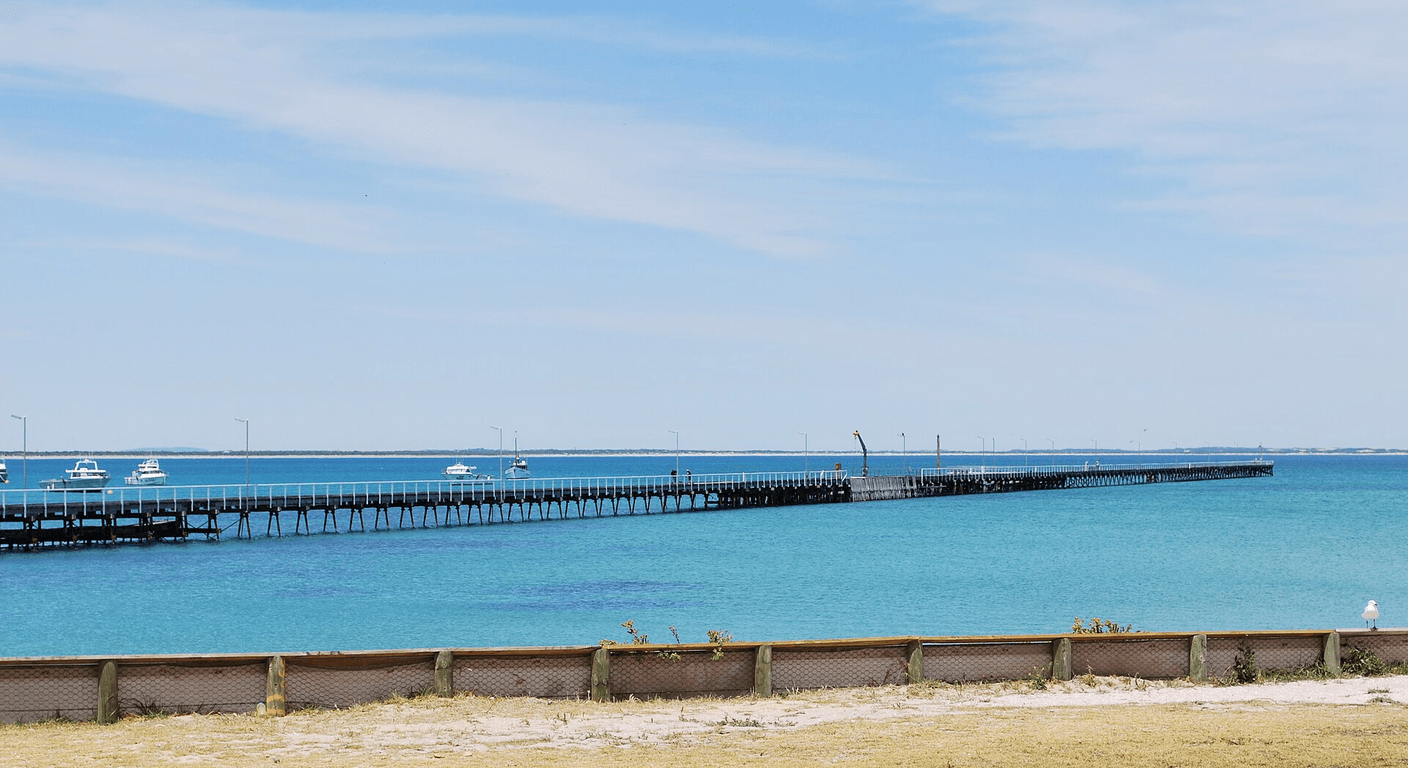
The harbour foreshore has a sealed path suitable for most mobility levels, and the views across the water to the working jetty are worth taking your time over. Robe's heritage buildings, including the Old Gaol and Customs House, are explained through interpretive signage, so you can self-guide without needing a booked tour. The National Trust of South Australia has information on heritage sites in the region — check nationaltrust.org.au for current listings.
What the town lacks is a lot of shade on hot summer days, so sun protection and a water bottle are practical necessities rather than optional. Benches are dotted along the foreshore and near the main street, which matters more than it might seem when you are travelling solo and setting your own pace. There is no need to push through fatigue to keep up with a group.
Cape Dombey and the obelisk: what to expect
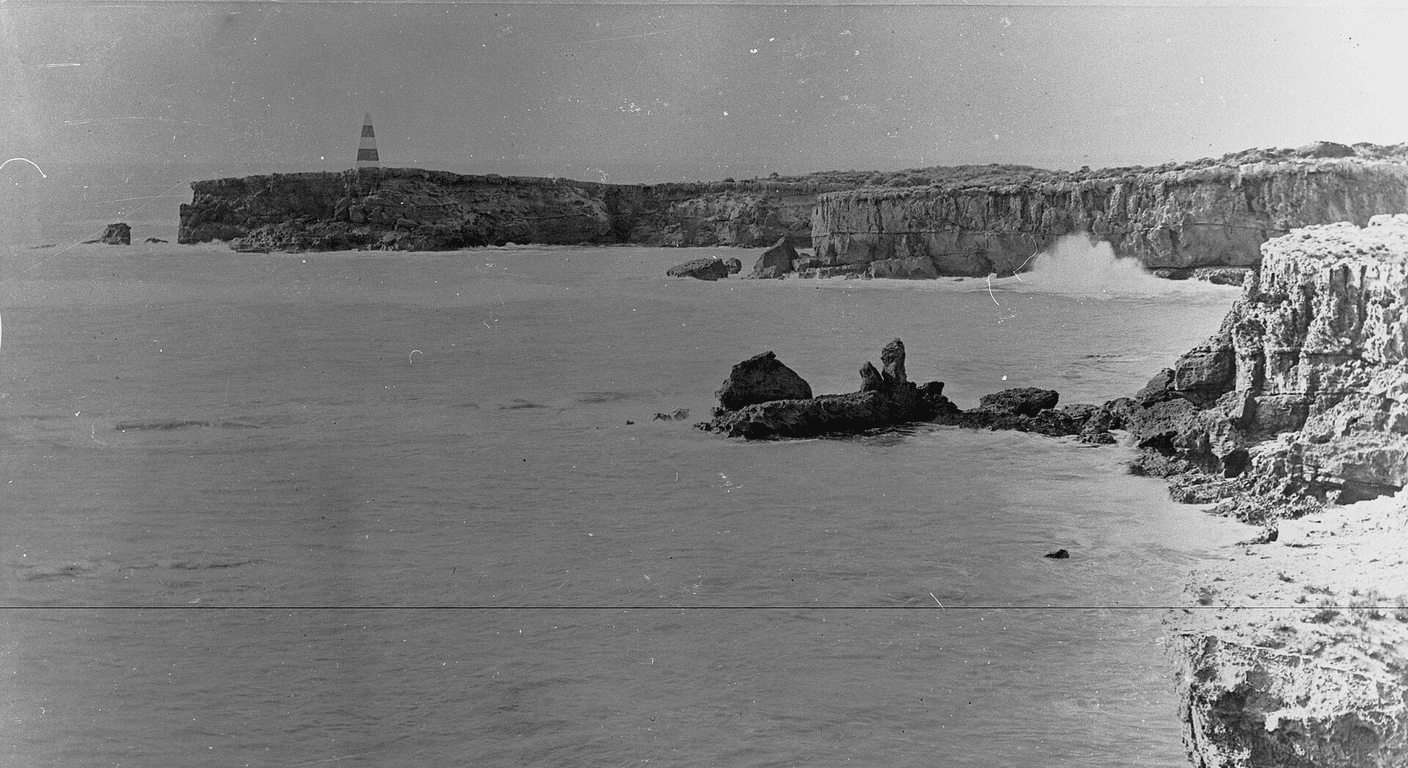
The striped obelisk at Cape Dombey is Robe's most-photographed landmark, and it earns that status honestly. The sandstone and limestone headland juts into the Southern Ocean south of the town, and the obelisk — a navigational aid dating to 1852 — stands at the point in red and white horizontal bands that are genuinely striking against the grey-green sea. It is the kind of sight that rewards a slow look rather than a quick photograph.
Getting there involves a short drive or a longer walk from the town centre, followed by a clifftop path to the point. The path is largely level but exposed — on windy days, which are not uncommon on the Limestone Coast, it can feel quite demanding. A calm morning is the better choice, both for comfort and for the view across the bay back towards Robe. Sensible footwear with grip is worth wearing; the path surface is firm but uneven in places.
Accessibility to the very tip of the cape is limited for those with significant mobility constraints, but the views from the approach path are rewarding in themselves. The area is managed under South Australian coastal park regulations; check with Parks SA (parks.sa.gov.au) for any current conditions or closures. Sunrise and late afternoon light are both worth planning around if the weather allows.
Crayfish season and eating in Robe: the honest picture
Robe's crayfish — southern rock lobster — is the eating draw that brings people to the Limestone Coast from across the country. The commercial season runs roughly from October through to May, though exact dates are set by the South Australian government each year and are worth confirming before you plan your trip specifically around it. During season, fresh cray is available from local fishers at the wharf and from the town's restaurants, and it is as good as its reputation.
Eating crayfish at the source is one of those travel experiences that lives up to expectation precisely because it is so straightforward — no elaborate preparation needed, just good product handled simply. Several of Robe's restaurants and cafes incorporate local seafood as a matter of course, and the town has enough dining variety that a solo traveller eating out three nights in a row will not feel repetitive. Prices at restaurants for crayfish dishes will reflect seasonal availability and market rates, so treat any figure you see in advance as indicative only.
Outside of crayfish season — roughly June to September — Robe is quieter and accommodation can be easier to secure, but the seafood focus narrows. The town still functions well as a walking and heritage destination year-round. Winter days on the Limestone Coast can be cold and wet, so packing layers is sensible regardless of when you visit. The shoulder seasons, October and April in particular, tend to offer a balance of good weather, seafood availability, and a town that is busy enough to feel lively without being crowded.
Where to stay and how long to spend there
Two nights is the minimum to feel settled; three nights is better if you want to do the town justice without rushing. Robe has a range of accommodation from self-contained holiday houses and apartments to small motels and bed-and-breakfast style properties. For a solo traveller, a self-contained apartment or studio with a kitchen is often the practical choice — it allows you to eat breakfast at your own pace and to pick up fresh seafood from the harbour without being dependent on restaurant hours.
Booking through the Robe Visitor Information Centre's listings at robe.com.au is a sensible starting point, as it consolidates local options. Accommodation in Robe books out during peak summer and school holiday periods, so planning three to four months ahead for those windows is worth doing. The off-peak season offers more flexibility and, often, better rates — confirm pricing directly with individual properties, as published rates vary considerably by season.
The town is small enough that most accommodation is within a short, flat walk of the harbour and main street, which matters for solo travellers who want to leave the car parked and move around on foot. If you are travelling with a mild mobility consideration, ask specifically about ground-floor access and bathroom configuration when you book — properties vary more than their listings sometimes make clear.
A few practical notes for solo female travellers
Robe is a safe, community-minded town where solo female travellers are not conspicuous in the way they might feel in a larger city. Dining alone at the town's restaurants is unremarkable — the atmosphere is relaxed and unpretentious, and staff in small regional towns tend to be more attentive to solo diners than their city counterparts. There is no need to feel self-conscious about a table for one.
Mobile coverage in Robe is generally adequate for major carriers but can be patchy on some of the coastal walks and on the road between Robe and Mount Gambier. Downloading offline maps before you arrive is sensible, and letting someone at home know your itinerary is a basic precaution worth keeping regardless of how familiar a destination feels. The Robe Visitor Information Centre is a useful first stop on arrival — staff there know the current state of walking tracks and can flag anything worth knowing.
For travellers of Italian-Australian background, there is a particular resonance in a town where food and community are intertwined in a way that feels familiar without being contrived. The pace of life in Robe — the morning coffee, the walk, the long lunch, the evening stroll to the harbour — has a rhythm that will feel comfortable rather than foreign. It is not Italy, but it is the kind of place that understands why slowing down matters.
Quick planning guide
| Ideal pace | Slow and unhurried, no set itinerary needed |
|---|---|
| Best months | October and April shoulder seasons, within the broader October–May crayfish season |
| Suggested stay | Two nights minimum, three nights to settle in properly |
| Mobility level | Easy on the flat town centre and sealed foreshore path; moderate on the exposed clifftop walk to Cape Dombey |
| Cost level | Variable and seasonal — confirm accommodation and dining rates directly, especially around crayfish season |
| Comfort level | Relaxed and self-sufficient, with benches, sealed paths and interpretive signage around town |
| Best for | Solo travellers, seafood lovers and anyone who prefers a genuine small town over a resort-style destination |
| Main planning consideration | Book accommodation three to four months ahead for peak summer and crayfish season, and confirm exact season dates and transport timetables before travelling |
Key takeaways
- Robe is a flat, compact town on South Australia's Limestone Coast, around three and a half hours from Adelaide by car.
- The striped obelisk at Cape Dombey is reached via a largely level clifftop path that can be exposed on windy days — a calm morning is the better choice.
- Southern rock lobster season runs roughly October to May, but confirm exact season dates with South Australian authorities before planning your trip around it.
- Two nights is the minimum to feel settled in Robe; three nights allows a more relaxed pace without rushing the walks, heritage sites, and meals.
- The town centre is walkable and largely flat, making it accessible for travellers who prefer to leave the car parked once they arrive.
- Solo female travellers will find Robe unpretentious and easy to navigate independently, with a visitor information centre that is a practical first stop on arrival.
Recommended partners and links
Indicative prices only — always confirm with the operator before booking.
Frequently asked questions
Is Robe suitable for travellers with limited mobility?
The town centre of Robe is flat and compact, which makes it accessible for most travellers. The harbour foreshore has a sealed path. The clifftop walk to Cape Dombey is largely level but uneven in places and can be windswept; the very tip of the cape is harder to reach with significant mobility constraints, but the approach path offers good views regardless. Ask accommodation providers specifically about step-free access when booking, as properties vary.
When is the best time of year to visit Robe?
The shoulder seasons — October and April — tend to offer a practical balance of reasonable weather, crayfish availability, and a town that is active without being crowded. Summer (December to February) is peak season and books out early. Winter is quiet and can be cold and wet, though accommodation is easier to secure and rates are generally lower.
How do you get from Melbourne to Robe without a car?
The most practical option without a car is to fly to Adelaide with a major carrier, then hire a car for the three-and-a-half-hour drive to Robe. Rex Airlines flies between Melbourne and Mount Gambier, roughly 95 kilometres from Robe, but onward transport requires a hire car. Regional coach connections exist but involve transfers and limited timetables — check current schedules directly with operators before relying on this option.
How fresh is the crayfish in Robe, and where do you buy it?
During the southern rock lobster season (roughly October to May, with exact dates set annually by the South Australian government), crayfish is available directly from fishers at the harbour and from local restaurants. Buying directly from the wharf when boats are in is the most direct route to fresh product. Prices reflect market rates and vary through the season — treat any advance figure as indicative and confirm costs on the ground.
Is Robe safe and comfortable for a solo female traveller?
Robe is a small, community-minded town where solo female travellers are not conspicuous. Dining alone is unremarkable and generally comfortable. Mobile coverage can be patchy on some coastal walks, so downloading offline maps before arrival is sensible. The Robe Visitor Information Centre is a practical first stop for current local conditions and any track advisories.