Rockhampton's Museum of Art, opened in 2022 on the Fitzroy River, offers free general entry to a serious permanent Australian art collection and is fully lift-accessible with step-free entry, making it Easy for mobility-conscious travellers. Pair it with the flat, self-guided Quay Street heritage walk for a rewarding half-day or full day. Visit May to September for cooler, low-humidity conditions, and arrive by car via the Bruce Highway or by the Spirit of Queensland train from Brisbane (six to seven hours).
Why Rockhampton deserves more than a fuel stop
Most Victorians driving or riding the rails north through Queensland treat Rockhampton as a waypoint: somewhere to sleep before pushing on to the Whitsundays or Cairns. That habit is worth reconsidering. The city sits on the Fitzroy River at the edge of the Tropic of Capricorn, and in recent years it has quietly assembled a riverfront cultural precinct that holds its own against much larger Australian cities.
The centrepiece is the Rockhampton Museum of Art, opened in late 2022 after a long gestation and a significant investment by Rockhampton Regional Council. It is not a modest regional gallery with a handful of colonial landscapes. The collection spans Australian art from the nineteenth century to the present, with particular depth in works connected to central Queensland and the broader beef and grazing country that made the city prosperous. For a solo traveller who enjoys spending an unhurried morning with paintings and sculpture, this is the kind of place that justifies rearranging an itinerary.
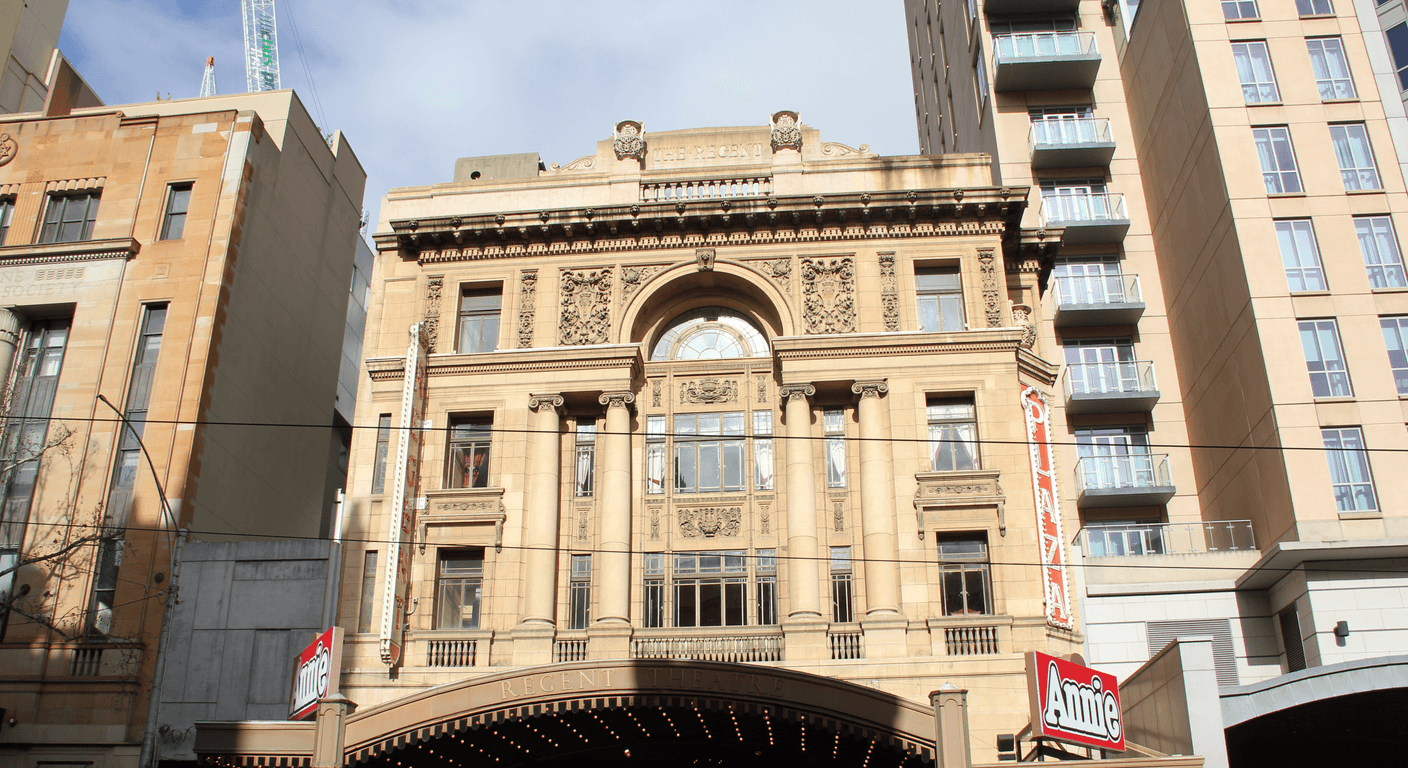
Rockhampton also benefits from something rare in Australian regional cities: a largely intact Victorian and Edwardian commercial streetscape along Quay Street, running parallel to the river. Combined with the museum and a handful of riverside cafes, you have the ingredients for a genuinely satisfying day without needing a car once you have parked or arrived by train.
What is the Rockhampton Museum of Art, and what does it hold?
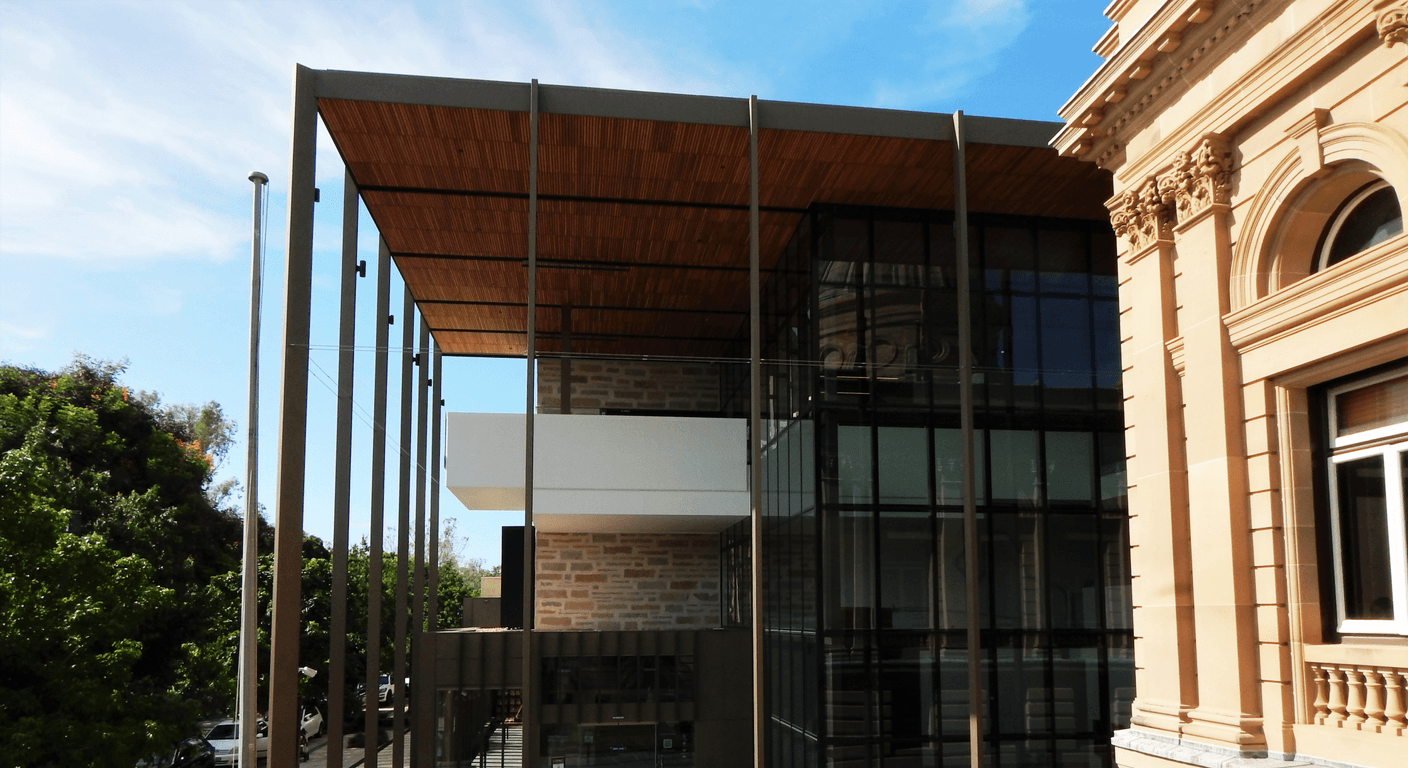
The Rockhampton Museum of Art occupies a purpose-built contemporary building on Quay Street at the edge of the Fitzroy River. The architecture is deliberate and considered rather than flashy: it sits in conversation with the heritage streetscape without mimicking it. From the upper levels and the rooftop terrace, the views across the broad, brown Fitzroy are the kind that reward a slow cup of coffee rather than a quick photograph.
The permanent collection is built on holdings that Rockhampton has been assembling since the 1980s, with works by significant Australian artists across painting, works on paper, sculpture, and contemporary practice. There is a strong Queensland thread running through the collection, but the scope is national. Temporary and touring exhibitions rotate through dedicated gallery spaces, and these occasionally carry a separate ticket price — worth checking the museum's website before you visit if you want to plan around a specific show.
General entry to the permanent collection is free, which makes the museum one of regional Australia's better arguments for the idea that serious cultural infrastructure does not have to be concentrated in capital cities. Confirm current entry conditions on the museum's official website before visiting, as ticketing arrangements for special exhibitions can change.
How accessible is the museum for older or mobility-conscious travellers?
The building was designed with contemporary accessibility standards in mind, which is a genuine advantage for travellers in their sixties and seventies who may be managing knee or hip issues, or who simply prefer not to deal with stairs between gallery floors. Lifts serve the main gallery levels and the rooftop terrace area. The ground-floor entry is step-free from the street, and the galleries themselves are spacious enough to move through comfortably with a walking frame or mobility aid.
Seating is available within the gallery spaces, which matters more than it might sound when you are spending two to three hours with a collection. The rooftop area, which provides the river views that the building's position promises, is accessible by lift. It is worth noting that Queensland's dry season — roughly May through September — brings low humidity and comfortable daytime temperatures in the mid-twenties, making the outdoor terrace genuinely pleasant rather than merely photogenic.
The museum is within easy, flat walking distance of the Quay Street heritage precinct and the riverside path. For travellers who find extended walking difficult, the compact geography of central Rockhampton's riverfront is one of its practical virtues: you are not covering large distances between points of interest.
What is the Quay Street Heritage Mile, and how do you walk it?
Quay Street runs along the southern bank of the Fitzroy River through Rockhampton's CBD, and the stretch between Fitzroy Street and William Street is lined with commercial buildings that date from the 1860s through to the early 1900s. This was the commercial heart of a city that grew wealthy from the cattle and wool trades and from serving the goldfields further inland. The facades — sandstone, rendered masonry, cast iron lacework, and wide verandahs — are unusually well preserved by Australian standards, largely because Rockhampton's economic trajectory after the early twentieth century did not generate the redevelopment pressure that stripped similar streetscapes from other regional cities.
The walk is genuinely flat, which is not a trivial detail for travellers managing mobility. The full length of the main heritage precinct is comfortably covered in forty-five minutes at a relaxed pace, though you will want longer if you are stopping to read interpretive signage, photograph details, or duck into the buildings that are open to the public. Several of the heritage buildings house cafes, shops, and offices, so the streetscape is a living one rather than a preserved relic.
Rockhampton Regional Council and the Queensland Heritage Register both provide information about the precinct's listed buildings. A printed or downloaded heritage walk map is the most practical way to orient yourself — the council's tourism pages and the museum's front desk are good places to source one. The walk pairs naturally with the museum: start at one end of Quay Street, work your way along, visit the museum, then finish on the rooftop with the river view.
Where do you eat and rest along the riverfront?
The Fitzroy River foreshore between the museum and the Quay Street precinct has a cluster of cafes and casual dining options that suit a solo traveller's pace. Options change over time, so it is worth checking current listings through the Rockhampton Region Council's tourism pages or a quick local search before you visit. What the area does consistently offer is outdoor riverside seating, which in the dry season is a comfortable and unhurried place to have lunch.
For a solo traveller, the counter-meal and cafe format that dominates the riverfront is more practical than a formal sit-down restaurant at midday. You are not waiting for a table or navigating a booking. The precinct is compact enough that if one spot looks too busy or too noisy, another is a short walk away.
It is worth knowing that Rockhampton's CBD has a broader range of lunch options than its size might suggest, reflecting its role as a service centre for a large catchment area. The heritage buildings along Quay Street house a few dining and coffee options worth exploring, and the staff at the museum can usually point you toward what is currently open and reliable.
Getting to Rockhampton from Victoria: road, rail, and the dry-season window
For Victorian travellers, Rockhampton is roughly 1,700 kilometres from Melbourne by road — a journey that makes most sense as part of a longer Queensland road trip rather than a dedicated destination trip. The Bruce Highway route through coastal Queensland is the standard approach from the south, and Rockhampton sits naturally at the point where many travellers pause before deciding whether to continue to the Whitsundays or push inland toward Longreach. If you are driving, the city is a logical overnight or two-night stop rather than a rushed lunch break.
By rail, the Spirit of Queensland connects Brisbane to Rockhampton and continues north to Cairns. The journey from Brisbane to Rockhampton takes around six to seven hours and is a comfortable option for travellers who prefer not to drive long distances. Queensland Rail's RailBed seats on the Spirit of Queensland convert to a flat sleeping surface for overnight legs, which is worth considering for the longer hauls. From Melbourne, you would typically fly or drive to Brisbane and pick up the train there. Confirm current schedules and fares on the Queensland Rail Travel website.
The dry season — May to September — is the clear preference for most travellers in central Queensland. Temperatures are comfortable, humidity is low, and the risk of the heavy rainfall that characterises the summer wet season is minimal. Rockhampton sits on the Tropic of Capricorn, which means summer heat and humidity can be significant from November through March. For travellers in their sixties and seventies who are managing health conditions affected by heat, the dry-season window is not just a preference but a practical consideration worth planning around.
Is Rockhampton worth a dedicated stop, or just a day visit?
For a solo traveller with an interest in Australian art and history, a single full day in Rockhampton is enough to cover the museum and the Quay Street walk without feeling rushed. If you are driving and want a genuine rest day rather than a transit stop, two nights gives you the museum at a leisurely pace, the heritage walk, a morning along the river, and time to explore the broader CBD without the itinerary pressure that compresses most regional stopovers into a blur.
The city has accommodation options ranging from the familiar national chains to smaller heritage-style hotels within walking distance of the riverfront precinct. Booking ahead is advisable during major local events — Rockhampton hosts significant agricultural and rodeo events that fill accommodation quickly — but outside those periods, availability is generally reasonable. Confirm current options and availability through standard accommodation platforms.
What Rockhampton offers that is harder to quantify is a sense of a city with a genuine identity: not a tourist construct, but a working regional centre with a specific history and a cultural institution that reflects that history seriously. For a solo traveller who has done the standard coastal Queensland itinerary and wants something with more texture, the riverfront precinct is a convincing reason to take the exit off the Bruce Highway.
Quick planning guide
| Ideal pace | Slow-paced and unhurried |
|---|---|
| Best months | May to September (dry season, low humidity, comfortable temperatures) |
| Suggested stay | A full day, or two nights for a leisurely visit |
| Mobility level | Easy — flat heritage walk, lift access to all gallery levels and rooftop, step-free entry |
| Cost level | Budget-friendly — free museum entry, casual cafe dining |
| Comfort level | Comfortable — ample seating, compact flat precinct, pleasant riverside outdoor areas |
| Best for | Solo travellers and older visitors interested in art and heritage who prefer a slower pace |
| Main planning consideration | Confirm entry conditions for touring exhibitions and time the visit to the May–September dry season for comfort |
Key takeaways
- The Rockhampton Museum of Art, opened in 2022, offers free general entry to one of regional Australia's more substantial permanent art collections — confirm current ticketing before visiting.
- The building is fully accessible by lift across all gallery levels and the rooftop terrace, making it a practical choice for travellers managing mobility.
- Quay Street's heritage precinct is a flat, self-guided walk through an unusually intact Victorian and Edwardian commercial streetscape built on cattle, wool, and gold money.
- The Spirit of Queensland rail service connects Brisbane to Rockhampton in around six to seven hours, making it a viable rail stopover for travellers who prefer not to drive.
- The dry season from May to September brings low humidity and comfortable daytime temperatures, and is the practical travel window for older visitors to central Queensland.
- The museum, the heritage walk, and the riverside cafes are all within easy flat walking distance of each other, making the precinct well suited to a slower, solo pace.
Recommended partners and links
Indicative prices only — always confirm with the operator before booking.
Frequently asked questions
Is the Rockhampton Museum of Art free to enter?
General entry to the Rockhampton Museum of Art's permanent collection is free. Some temporary or touring exhibitions may carry a separate admission charge. Confirm current entry conditions on the museum's official website at rma.rockhamptonregion.qld.gov.au before your visit.
Is the Rockhampton Museum of Art accessible for people with mobility issues?
The museum was built to contemporary accessibility standards. It has step-free entry from the street, lifts between all gallery floors and the rooftop terrace, and spacious gallery interiors with seating available. It is a practical destination for travellers using walking aids or managing knee and hip conditions.
How long does the Quay Street heritage walk take?
The main heritage precinct along Quay Street can be walked comfortably in around 45 minutes at a relaxed pace. Allow 90 minutes to two hours if you are stopping to read signage, photograph details, or explore buildings open to the public. The walk is flat throughout.
Can you get to Rockhampton from Brisbane without driving?
Queensland Rail's Spirit of Queensland service runs between Brisbane and Rockhampton, with a journey time of around six to seven hours. Check current schedules and fares at queenslandrailtravel.com.au. The Rockhampton railway station is a short taxi or rideshare trip from the riverfront precinct.
What is the best time of year for older travellers to visit Rockhampton?
The dry season from May to September is the most comfortable period for travellers in central Queensland. Daytime temperatures are typically in the mid-twenties with low humidity. The summer months from November through March bring significant heat and humidity, which can be a genuine health consideration for older travellers.