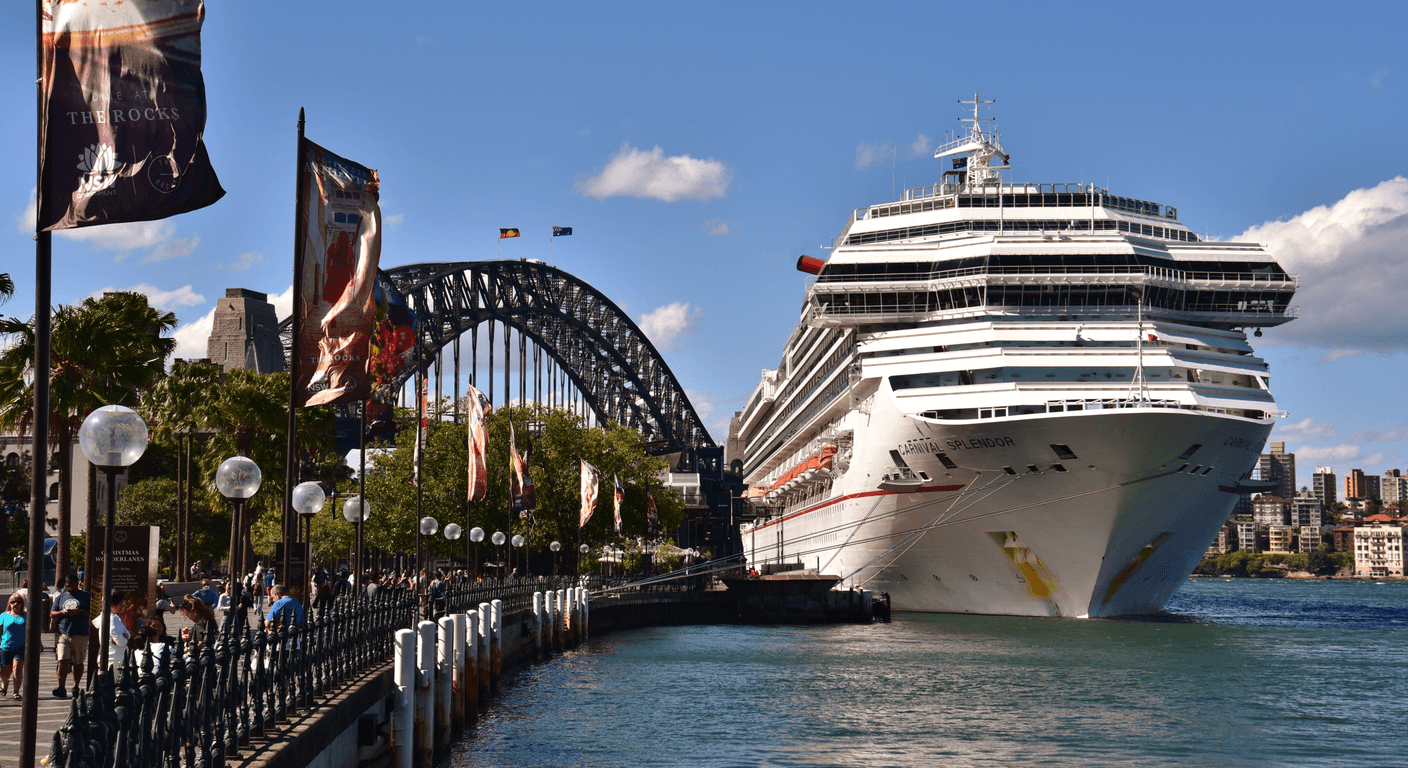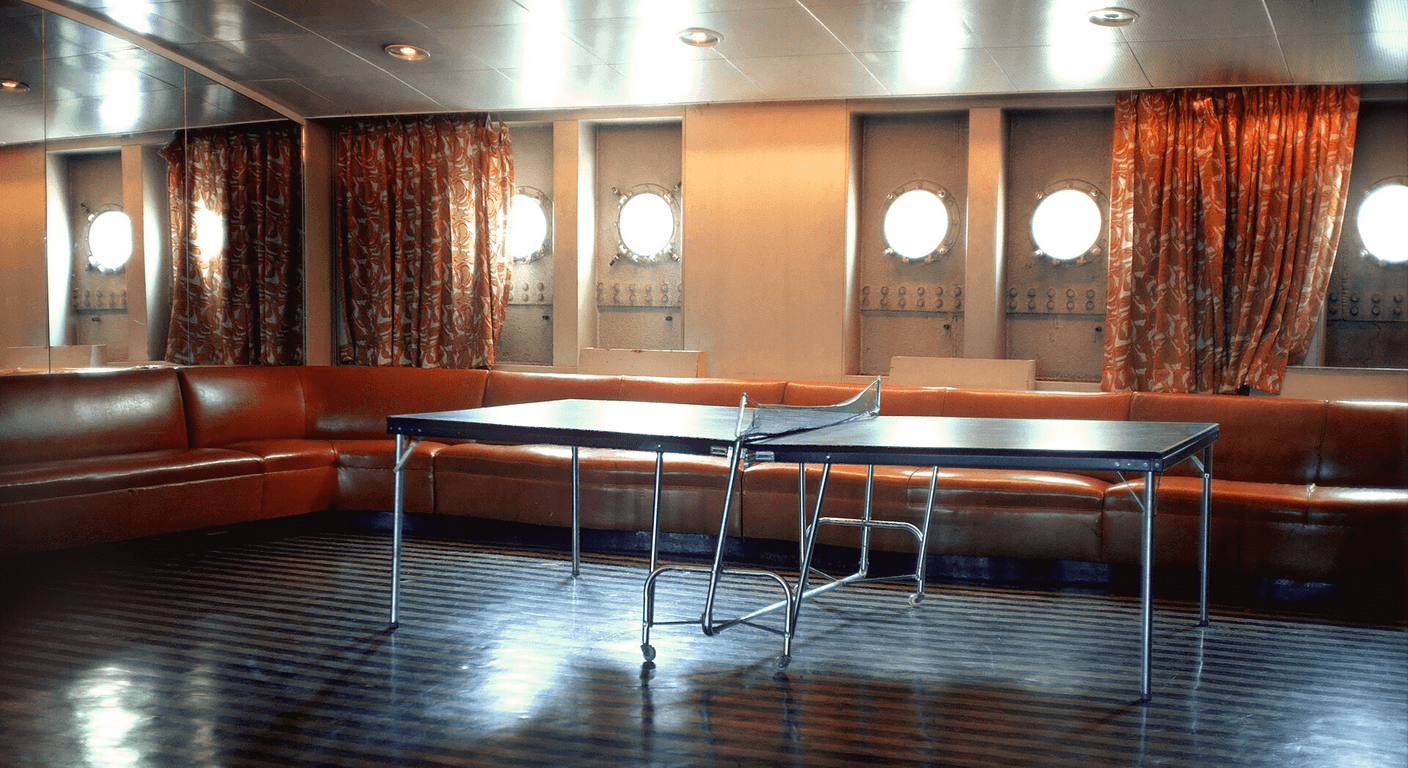
Communal dining tables aboard cruise ships offer solo travellers over 50 one of the best social experiences at sea, turning strangers into dinner companions over a typical week-long voyage. The key is requesting a shared table of six or eight in writing at booking, then confirming with the maître d' on embarkation day. Mobility demands are minimal — it's an easy, low-effort highlight suited to travellers who enjoy nightly conversation over a shared meal rather than solitary dining.
Why the Dining Room Is the Heart of Solo Cruising
On a cruise ship, you can spend an entire day perfectly alone — reading on a sun deck, browsing a port, taking a cooking class. That's part of the appeal. But dinner is different. The main dining room operates on a rhythm that naturally draws people together, and for solo travellers, it's the one place where being seated with strangers isn't awkward — it's the point.
Communal tables on cruises aren't a consolation prize for people who couldn't bring a companion. They're a genuine social structure, often the highlight of a voyage for travellers who've done it a few times. The conversation tends to be better than it sounds on paper. You're all moving through the same days, the same ports, the same weather. There's always something to say.
For travellers with Italian family sensibilities around food and table — and there are many Australians in that category — the communal dining table will feel remarkably familiar. Food as the occasion. Strangers becoming acquaintances over the first course. It's not so different from a long Sunday lunch, except someone else is doing the cooking.
How Do You Request a Communal Table When Booking?
The time to state your preference is at the booking stage, not when you board. When booking directly with a cruise line or through a travel agent, ask specifically to be seated at a shared table — typically described as a table of six or eight. Most lines will note this on your booking record. Put it in writing, whether that's an email confirmation from your agent or a note in your online cruise personaliser if the line offers one.
Some lines, particularly those with traditional two-sitting dining (an earlier sitting around 6pm and a later one around 8:30pm), will ask you to nominate a preference. The later sitting tends to attract a slightly older, less family-oriented crowd — useful context if you're planning accordingly. Lines with 'anytime dining' or 'freedom dining' work differently: you arrive when you like and are seated as space allows, which can mean a table for one on busy nights unless you specifically request to share.
For anytime dining ships, the most reliable approach is to tell the maître d' or dining room host on your first evening — and again on subsequent nights if needed — that you'd prefer to be seated with other guests rather than alone. Most dining room staff are practiced at this. It's a common and entirely reasonable request, and they'll usually accommodate it without any fuss.
What Happens on Embarkation Day?
Once aboard, find the main dining room and introduce yourself to the maître d' before the first dinner service. This is standard practice on traditional dining ships, and it matters more than most passengers realise. Confirm your table assignment, check the table number, and — if your booking notes haven't carried across — restate your preference for a shared table. Maître d's on larger ships manage hundreds of covers a night; a polite, direct conversation early in the day is far more effective than hoping the paperwork sorted itself out.
Your cabin will typically have a card or letter with your dining time and table number by the time you've settled in. If it shows a table for one and you'd prefer company, that card is not a fixed decree. Head to the dining room during the afternoon quiet period and ask to be moved. This is a normal request. Staff hear it constantly and won't be remotely put out.
On embarkation day, the dining room often holds a brief open session or the maître d' will have a desk set up near the entrance specifically for seating queries. Use it.
Joining a Table Partway Through a Voyage — Is That Awkward?
Occasionally, a solo traveller joins a voyage mid-itinerary — perhaps on a repositioning cruise with a fly-on leg — or simply didn't sort out their seating preference until day two or three. Joining an established table partway through a voyage is less fraught than it sounds. The other guests have likely only known each other for a night or two themselves.
The etiquette is simple: arrive at the dining room a few minutes before the sitting, let the maître d' introduce you to the table if possible, and let the first conversation find its own level. You don't need to explain yourself or apologise for arriving late to the social arrangement. A brief 'I've just been moved to this table — lovely to meet you all' is entirely sufficient. After that, the menu does the work.
One practical note: if you've been placed at a table where everyone arrived as couples and the conversation has already formed into pairs, that's not a personal slight — it's just geometry. Give it one or two evenings before deciding it isn't working. Sometimes what feels like an impenetrable group at dinner on night two is perfectly welcoming by night four.
When Should You Ask to Change Tables?
Asking to change tables is entirely normal, done all the time, and requires no elaborate explanation. If the conversation is genuinely flat, if there's a values mismatch that makes dinners uncomfortable, or simply if the chemistry isn't there after a couple of nights, a quiet word with the maître d' is all it takes. Something like 'I think I might be better suited to a different table — could you help me?' is sufficient. You don't owe the existing tablemates a reason.
The best time to make this request is early in the voyage — day two or three rather than day six. By mid-voyage, tables are settled and reassignments become harder to arrange neatly. Early requests are easy to accommodate; late ones require more diplomatic juggling on the dining room's part.
On the flip side, don't rush to change after one difficult night. Cruise dining conversations have a warm-up period. The first night is often stilted — everyone's still finding their sea legs and their social ones. Night two is usually considerably better. Give it a genuine chance before deciding the table isn't for you.
Practical Etiquette at a Shared Table
A communal cruise table works on the same basic social contract as any shared dinner: be curious, be present, and don't dominate. Ask where people are from, what they've seen in port, whether they've sailed this itinerary before. These are not small-talk questions on a cruise — they're genuinely interesting, because everyone has a different answer. Travellers over 50 tend to be good at this. Decades of dinner parties and workplace lunches produce a certain conversational ease.
Dietary needs are handled directly with the waiter, not the table. If you're vegetarian, coeliac, or have a food allergy, note it with the dining room at the start of the voyage — most lines have a formal process for this — and then let it be managed quietly. Your tablemates don't need a detailed account of your digestion.
On dress code: the main dining room typically requires smart casual at minimum, with formal nights (usually one or two per voyage on traditional lines) calling for something dressier. Check the line's dress code before you pack. Turning up underdressed on formal night isn't a catastrophe, but it does tend to shift the mood at the table in a way that's entirely avoidable.
Which Cruise Lines Handle Solo Dining Particularly Well?
Lines with a long tradition of formal dining — Cunard is the clearest example — tend to manage communal tables with more structure and intention. The maître d' role is taken seriously, table assignments are considered, and the dining room has genuine ceremony around it. For solo travellers who enjoy that kind of occasion, it suits well. Cunard's Queen Mary 2 in particular has a tradition of solo-friendly table arrangements in the Britannia Restaurant, though confirm current practice directly with the line.
P&O Cruises Australia and Princess Cruises, which sail extensively from Sydney, Melbourne and Brisbane, both have communal dining options and are accustomed to Australian solo travellers. Princess's 'Reserve Collection' dining on newer ships and its traditional fixed-dining option on older vessels give you a choice of structure. P&O Australia tends toward a more relaxed, informal dining culture — good for travellers who find formal dining slightly stiff.
Royal Caribbean's larger ships have multiple dining venues, which means the main dining room can feel less intimate — but they also run 'solo traveller' meetups and have studio lounges specifically for single passengers, which can supplement the dining room experience nicely. For a first solo cruise, a mid-sized ship with traditional two-sitting dining often gives the most reliable communal table experience, simply because the structure makes it easier for dining staff to manage seating thoughtfully.
Quick planning guide
| Ideal pace | Relaxed, social evenings built around one nightly meal |
|---|---|
| Best months | No specific season noted — applies to any cruise voyage |
| Suggested stay | A typical week-long cruise voyage |
| Mobility level | Easy — dining room based, minimal physical effort |
| Cost level | Varies by cruise line and dining tier |
| Comfort level | High — structured seating and staff support make it low-stress |
| Best for | Solo travellers over 50 wanting company without organising it themselves |
| Main planning consideration | Request a shared table in writing at booking, then confirm with the maître d' on embarkation day |
Key takeaways
- Request a shared communal table in writing at the time of booking, then confirm with the maître d' on embarkation day.
- Anytime dining ships require a direct conversation with dining room staff each evening to ensure you're seated with other guests rather than alone.
- Joining an established table partway through a voyage is normal — a brief introduction is all the etiquette requires.
- Ask to change tables early in the voyage, ideally by day two or three, if the fit isn't right — it's a routine request that dining staff handle without fuss.
- Give a new table at least two evenings before deciding it isn't working; first nights are often stilted for everyone.
- Traditional two-sitting dining ships generally offer the most predictable and well-managed communal table experience for solo travellers.
Recommended partners and links
Indicative prices only — always confirm with the operator before booking.
Frequently asked questions
Can a solo traveller request a communal table on a cruise?
Yes. Most cruise lines allow solo travellers to request a shared table of six or eight guests. Make the request in writing at the time of booking and confirm it with the maître d' on embarkation day. On ships with anytime or freedom dining, ask the dining room host directly each evening to be seated with other guests.
Is it awkward to dine alone at a cruise ship's main dining room?
At a communal table, no — the structure of shared dining on a cruise naturally facilitates conversation, and most guests at a shared table are there specifically because they enjoy company. A table for one is also a perfectly valid choice on most ships if you prefer your own space on a given evening.
How do you ask to change dining tables on a cruise?
Speak quietly with the maître d' — the head of the dining room — and say you'd like to try a different table. No detailed explanation is required. The best time to do this is early in the voyage, around day two or three, when reassignments are easiest to arrange.
Do cruise lines have dedicated solo dining options?
Some do. Several lines, including Royal Caribbean on select ships, have studio lounges or solo passenger meetup areas that complement main dining room seating. Some lines also run dedicated solo tables in the main dining room — ask specifically about this when booking, as availability varies by ship and itinerary.
What is the dress code for cruise ship communal dining?
Most main dining rooms require smart casual as a minimum, with one or two formal nights per voyage on traditional lines. Check your specific cruise line's dress code before packing. Dress codes are listed on the line's official website and are usually confirmed in your pre-departure documentation.