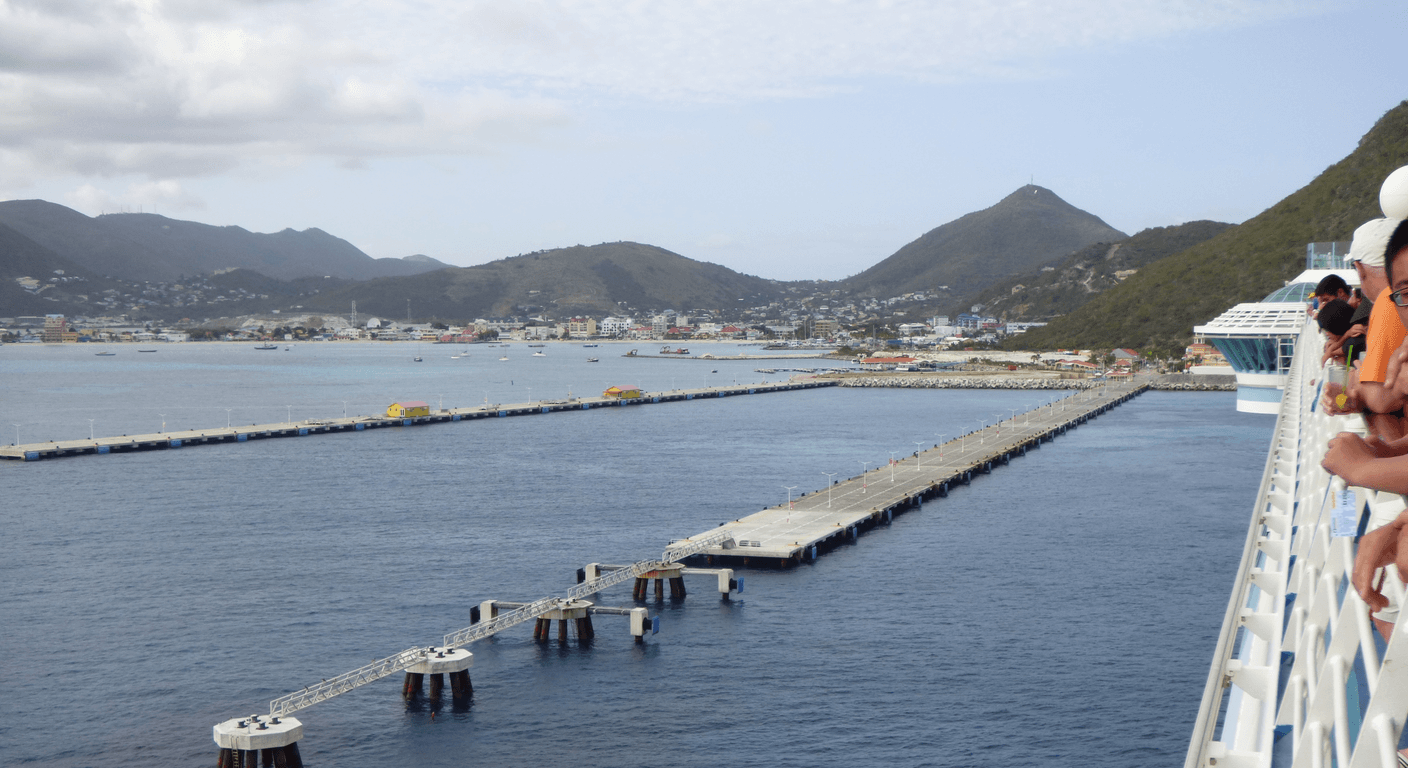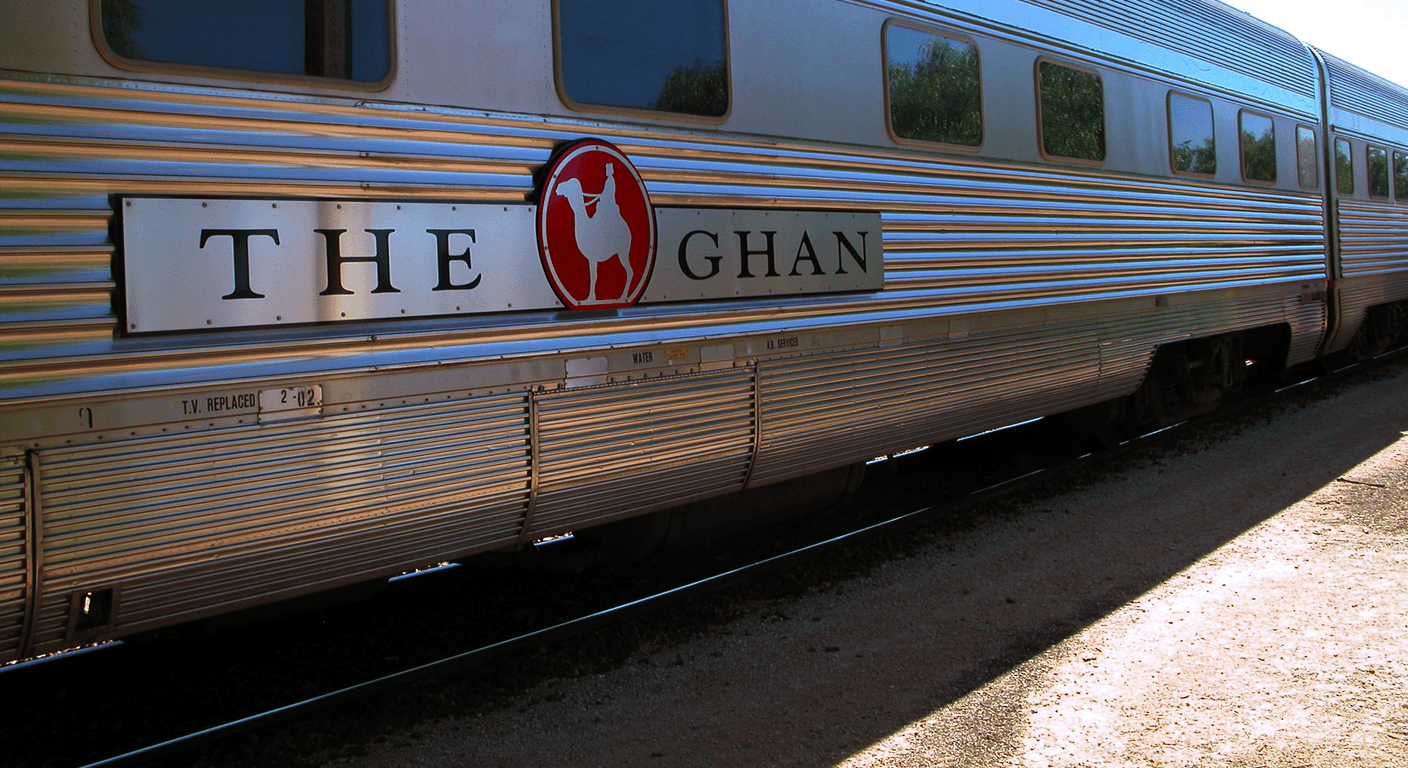
Solo cruising from Australia has quietly become one of the most sensible choices for travellers over 60 who want company on their own terms. The logistics are handled, the social calendar is built in, and an increasing number of cruise lines are actively competing for the solo traveller's business with dedicated cabins and fairer pricing. The question is no longer whether to go solo — it's which ship, which supplement policy, and how to make the most of it.
Why Solo Cruising Makes Particular Sense After 60
There's a specific kind of freedom in boarding a ship knowing that every meal, every evening, every port arrival has been thought through — and that none of it depends on coordinating with another person. For travellers over 60 who are newly solo, whether through widowhood, divorce or simply a different travel style from their partner, a cruise removes the logistical friction that can make independent travel feel daunting.
The social architecture of a ship is genuinely different from a hotel or a tour group. You choose your level of engagement. Sit at a shared table for dinner and you'll likely have a proper conversation by the entrée. Prefer to eat alone with a book? That's equally acceptable, and no one will make it awkward. The ship creates opportunities; it doesn't force them.
For Indian Australian travellers — particularly women who may have spent decades as the social organiser, the host, the one who holds a gathering together — a cruise offers a rare inversion. Someone else is doing the hosting. The kitchen, the entertainment, the logistics: all handled. It's worth noticing how good that feels.
What Is the Single Supplement, and Why Does It Matter?
The single supplement is the additional cost a solo traveller pays to occupy a cabin designed for two. Cruise lines price cabins on the assumption of double occupancy — two people sharing the cost of the space. When one person books alone, the line charges a percentage of the double rate to compensate for the 'lost' second fare. That percentage, called the single supplement, typically runs between 25% and 100% of the per-person double rate, depending on the line, the itinerary, and how well the ship is selling.
In practice, this means a cabin advertised at around $150 per person per night (indicative only — confirm directly with the operator) could cost a solo traveller anywhere from $190 to $300 per night. Over a 14-night cruise, that's a meaningful difference. The supplement is the single biggest financial consideration for solo cruisers, and it's the reason dedicated solo cabins have become such a competitive selling point.
Not all supplements are created equal. Some lines cap them at 50% for certain cabin categories or on specific sailings. Others run promotional periods where the supplement is waived entirely — though these periods vary and are never guaranteed. The only reliable way to know what you'll pay is to check directly with the cruise line or a cruise specialist, and to compare the total cost rather than the headline fare.
Which Lines Offer Solo Cabins or Reduced Supplements on Australian Departures?
Norwegian Cruise Line was among the first to build dedicated solo studios into their ships — compact, well-designed cabins priced at or near the double-occupancy per-person rate, with no supplement. Norwegian's Studio cabins also come with access to a private Studio Lounge, which functions as an informal meeting place for solo travellers. Norwegian does sail to and from Australian ports on some itineraries, though their Australian homeport schedule is more limited than some other lines — confirm current Australian departure options directly on ncl.com/au.
Princess Cruises, which has a strong Australian following and sails regularly from Sydney, Melbourne, Brisbane and Fremantle, has offered solo-friendly pricing on selected sailings and cabin categories. Their MedallionClass ships are well-regarded for accessibility. Princess doesn't have a permanent solo cabin category in the same way Norwegian does, but their supplement policies are worth comparing, particularly during promotional periods. Check princess.com/en-au for current Australian itineraries and solo pricing.
Cunard has returned to Australian departures and carries a particular appeal for travellers who value a more formal, culturally layered onboard experience. Their single supplement varies by voyage and cabin grade, but Cunard has historically offered solo fares on Queen Mary 2 world voyage segments — including sectors that can be booked as standalone cruises. Carnival Cruise Line, now the umbrella for what was formerly P&O Cruises Australia, departs from Australian ports regularly and tends to offer a more casual, social atmosphere that suits first-time solo cruisers well. Confirm current branding, routes and solo pricing at carnival.com.au.
Solo Cabin vs. Paying the Supplement: How to Do the Real Maths
The comparison isn't simply cabin type versus supplement percentage — it's total cost for the experience you actually want. A solo studio cabin on Norwegian might sit in an interior location with a smaller footprint, while paying the supplement on a standard cabin could get you a balcony. For a 10-night Pacific cruise, the price difference between those two options might be modest or significant depending on the sailing. Run the numbers both ways before deciding.
There are also cases where paying the supplement is the better deal. If a line is running a promotion — 'second guest sails free' promotions, for example, don't help solo travellers at all, but 'reduced single supplement' or 'solo fare' promotions do — the supplement on a standard cabin can drop to 25% or even zero. These promotions are real but unpredictable. Signing up for email alerts from cruise lines directly, or working with a cruise specialist who monitors these, is a practical strategy.
One often-overlooked factor: gratuities, port charges and onboard spending are the same regardless of whether you're in a solo cabin or paying a supplement. Budget for these separately. On a 14-night cruise, indicative gratuity charges alone can add several hundred dollars to the total — confirm the current daily rate with your chosen line, as policies differ and change.
Solo-Friendly Onboard Programs: What to Actually Expect
The quality of solo social programming varies considerably between lines, and it's worth researching before booking. Norwegian's Studio Lounge is a genuine asset — a dedicated space where solo travellers can gather informally, without the slightly organised awkwardness of a hosted 'singles mixer'. Princess and Cunard both run solo traveller meet-ups, typically early in the voyage, which serve as an easy introduction to others travelling alone.
Shared dining tables — available on most lines if requested — remain one of the most reliable ways to meet fellow travellers. On a longer cruise, the same small group often gravitates toward each other naturally. For travellers who enjoy cultural or educational content, look for ships with a strong enrichment program: guest lecturers, cooking demonstrations, language introductions for the next port. These sessions are inherently social without requiring anyone to 'try'.
Dance classes, trivia nights, book clubs and cooking classes all appear on various lines' activity schedules. For Indian Australian travellers, it's worth checking whether the ship includes any Indian or South Asian cuisine nights, or cultural programming — some lines have expanded their culinary offerings significantly in response to Australia's demographic diversity. This is genuinely worth asking about before you book.
Practical Advice for First-Time Solo Cruisers Over 60
Choose your first cruise carefully. A 7-night coastal Australian itinerary — say, Sydney to Brisbane with stops at Pacific Island ports — keeps the time zone the same, the currency familiar and the medical facilities close. It's a low-stakes way to discover whether you prefer a balcony or are happy with an interior cabin, whether you like the main dining room or prefer the buffet, and whether the solo social programs suit your style. None of that knowledge is wasted on the next booking.
Travel insurance is non-negotiable, and for travellers over 60 with any pre-existing conditions, it requires careful attention. Standard policies often exclude pre-existing conditions unless declared and assessed. Specialist insurers such as Cover-More and Allianz Travel (confirm current policy terms directly) offer options for older travellers with health considerations. The cruise line's own cancellation and medical evacuation terms are a separate matter — read them before paying a deposit.
Pack lighter than you think you need to. Cabins on most ships — particularly solo studios — are compact. A good-quality wheeled carry-on and a soft bag is often sufficient for a 10-night cruise. Most ships have laundry facilities or a laundry service. Formal nights, if the line has them, typically require smart-casual rather than black tie on Australian itineraries — but confirm the dress code for your specific sailing.
Connecting Solo Cruising to Broader Solo Travel in Australia
A cruise is an excellent entry point to solo travel, but it doesn't have to be the whole story. Many solo travellers over 60 combine a cruise with a few days at the departure city — Sydney, Melbourne or Fremantle — before or after. This turns a cruise into a longer journey and removes the pressure of rushing to the port. Melbourne, for instance, is a particularly comfortable city for solo travellers: walkable inner suburbs, excellent public transport, a strong café culture and a diverse culinary scene that will feel familiar to Indian Australian travellers.
For those who find they enjoy the solo cruising experience and want to extend it, repositioning cruises — where a ship moves between its Australian season and a northern hemisphere season — occasionally offer exceptional value and longer sea days, which suit travellers who enjoy the onboard experience as much as the ports. These voyages are less port-intensive and more contemplative. Worth considering for a second or third solo cruise.
The broader Senior Travel Australia site covers solo travel by rail, by road and by small-ship expedition — all of which pair naturally with the cruise experience. The common thread is the same: pacing that suits you, social engagement on your own terms, and the quiet confidence that comes from travelling well, alone.
Key takeaways
- The single supplement — typically 25–100% of the per-person double rate — is the most significant cost factor for solo cruisers; comparing total fares, not headline rates, is essential.
- Norwegian Cruise Line's Studio cabins offer a no-supplement solo option with a dedicated social lounge, though Australian departure availability should be confirmed directly.
- A 7–14 night Australian or Pacific itinerary is the most practical first solo cruise for travellers over 60, keeping time zones, currency and medical access straightforward.
- Travel insurance that covers pre-existing conditions is essential for cruisers over 60 — standard policies frequently exclude these unless declared and separately assessed.
- Shared dining tables and enrichment programs are the most reliable onboard tools for solo travellers who want social connection without organised 'singles' events.
- Promotional single supplement reductions do occur across most major lines but are unpredictable — signing up for direct line alerts or working with a cruise specialist is the most reliable way to catch them.
Recommended partners and links
Indicative prices only — always confirm with the operator before booking.
Frequently asked questions
What is the single supplement on a cruise and how much does it cost?
The single supplement is an additional charge for solo travellers occupying a cabin designed for two people. It compensates the cruise line for the 'missing' second fare. It typically ranges from 25% to 100% of the per-person double rate, depending on the line, sailing and cabin category. The only accurate figure is the one on the cruise line's own booking page for your specific voyage — indicative costs vary widely and change with promotions.
Which cruise lines offer dedicated solo cabins on sailings from Australia?
Norwegian Cruise Line offers Studio cabins designed specifically for solo travellers, priced with no single supplement and including access to a private Studio Lounge. Norwegian does sail to and from Australian ports on some itineraries — confirm current availability at ncl.com/au. Other lines including Princess Cruises and Carnival offer solo-friendly pricing on selected sailings, but dedicated solo cabin categories are less common. Confirm directly with each line before booking.
Is cruising safe for solo women over 60?
Cruising is generally considered one of the safest ways for solo women to travel at any age. Ships have 24-hour security, medical facilities onboard, and a structured social environment. For women over 60, the managed logistics — no navigating unfamiliar cities alone at night, no arranging your own transport — reduce practical risk significantly. As with any travel, basic awareness and keeping valuables secure applies. Most solo women cruisers report feeling comfortable and well-supported onboard.
What should first-time solo cruisers over 60 look for when choosing a ship?
Prioritise lines with a genuine solo traveller program — a hosted meet-up early in the voyage, shared dining table options, and enrichment activities that create natural social opportunities. Check whether the ship has lift access throughout, as port-side gangways and tender boats can be less accessible depending on the port. A shorter, domestic or Pacific itinerary is a sensible first choice, keeping time zones and medical access straightforward. Read the solo supplement policy carefully before paying a deposit.
Do I need travel insurance for a cruise from Australia, and does it cover pre-existing conditions?
Travel insurance is strongly recommended for any cruise, including domestic Australian departures — medical evacuation from a ship at sea is expensive, and cruise line cancellation terms can be strict. For travellers over 60 with pre-existing health conditions, it's essential to declare those conditions when purchasing a policy. Standard travel insurance often excludes pre-existing conditions unless specifically assessed and included. Specialist insurers offer policies tailored to older travellers; confirm current terms directly with the insurer before purchasing.