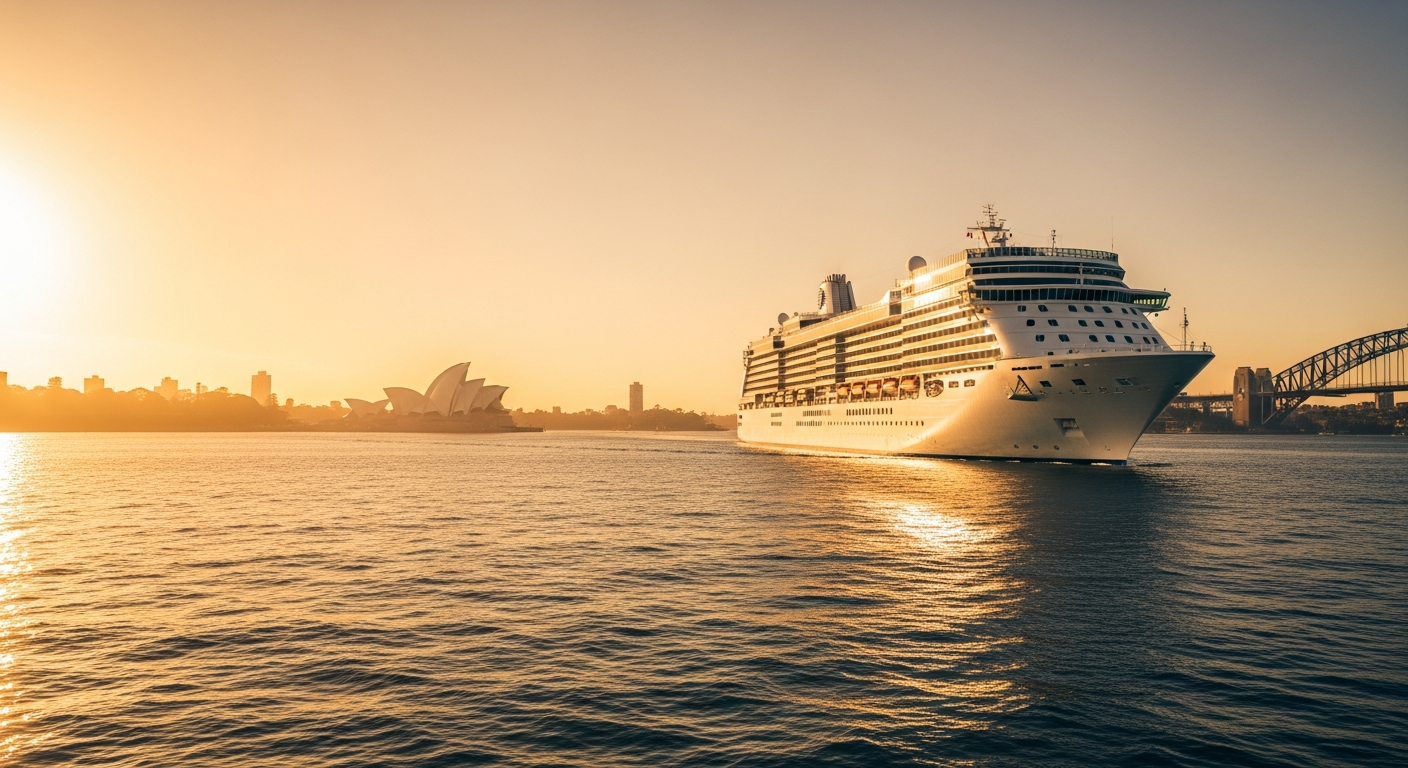
Solo cruising over 60 works best on shoulder-season or repositioning sailings, when single supplements soften or disappear, particularly with Norwegian Cruise Line's purpose-built solo studios or Cunard's limited single cabins. A week-long South Pacific or domestic cruise from Melbourne or Sydney costs roughly A$2,500 to A$5,000 solo, with easy mobility thanks to onboard staff, secure cabins and organised meet-ups, and straightforward access via V/Line to the departure port.
Why cruise solo in the first place?
Plenty of women take their first solo cruise in their early sixties after years of waiting for someone to be free to come along. Often nobody ever is, and the ships keep sailing. Going alone, it turns out, is rarely regretted.
A cruise suits a solo woman over 60 in ways a road trip or backpacking holiday cannot. You unpack once, your meals and entertainment are sorted, and there is always staff and other passengers nearby. For anyone nervous about travelling alone for the first time, that built-in safety net matters a great deal.
What is the single supplement, and why does it hurt?
Cruise fares are almost always priced per person based on two people sharing a cabin. When you travel alone, the cabin still needs filling, so the line charges a single supplement to make up the difference.
This supplement commonly adds anywhere from 50 to 100 per cent on top of the per-person fare, and sometimes more on premium sailings. In plain terms, a cabin advertised at A$2,000 per person can cost a solo traveller A$3,000 to A$4,000. That is the single biggest reason many women put off cruising alone.
Which cruise lines offer dedicated single cabins?
Norwegian Cruise Line was an early mover with its purpose-built solo cabins, often called studios, on several of its ships. These smaller cabins are priced for one person, so you are not paying a supplement at all, and some ships include a shared lounge area where solo guests can meet. Check current availability and which ships have them at https://www.ncl.com.
Cunard offers a number of single cabins across its Queen ships, which appeals to women who like a more formal, traditional style of cruising. Numbers are limited and they book out early, so plan well ahead. See https://www.cunard.com.
P&O Cruises Australia and Princess Cruises both sail regularly from Australian ports, including Melbourne, and are worth watching for solo offers and occasional reduced supplements. Always confirm the current arrangement directly at https://www.carnival.com.au and https://www.princess.com, because these change by season and sailing.
How do you find sailings with a waived or reduced supplement?
Lines do not always advertise reduced single supplements prominently. They tend to appear on specific sailings the line wants to fill, often shoulder-season departures or longer repositioning voyages. The trick is patience and a good cruise-savvy travel agent who can flag them as they come up.
Sign up for the email lists of the lines that interest you, and ask your agent specifically about solo or single fares rather than just the headline price. Asking the right question and staying flexible on dates can save hundreds of dollars.
Repositioning cruises, where a ship moves between regions at the change of season, often carry softer pricing and sometimes gentler supplements. They tend to be longer and have more sea days, which many solo travellers actually enjoy.
What does it really cost from Victoria?
For a domestic or South Pacific cruise departing Melbourne or Sydney, a solo traveller might reasonably budget from around A$2,500 to A$5,000 for a week or so, depending on cabin grade and how well the supplement is managed. A dedicated single cabin can bring that down considerably.
Factor in extras beyond the fare: gratuities, drinks, shore excursions, travel insurance, and getting to the port. From regional Victoria, a V/Line connection to Melbourne plus a night before sailing is sensible so you are rested and not racing the clock. Check V/Line at https://www.vline.com.au.
Travel insurance is non-negotiable at this age, and premiums rise with pre-existing conditions. Read the product disclosure statement properly and declare everything honestly.
How do you feel safe and sociable on your own?
Solo cruising is one of the easier ways to travel alone safely. Cabins lock securely, there are staff on every deck, and you are rarely truly isolated. Many ships run solo traveller meet-ups in the first day or two, which are a relaxed way to find a few friendly faces for dinner or trivia.
It is worth booking a cabin with a window or balcony if the budget stretches, because a bit of natural light lifts the spirits on a long voyage. Tell family your itinerary and keep a copy of your documents. Smartraveller has solid general advice for older Australians travelling overseas at https://www.smartraveller.gov.au.
Quick planning guide
| Ideal pace | Relaxed, unpack-once pace with sea days built in |
|---|---|
| Best months | Shoulder-season or repositioning sailings for softer supplements |
| Suggested stay | About a week for a domestic or South Pacific cruise |
| Mobility level | Easy, with staff and facilities close at hand throughout the ship |
| Cost level | Mid-range, roughly A$2,500 to A$5,000 solo depending on cabin grade |
| Comfort level | High, with secure cabins, organised solo meet-ups and full board |
| Best for | First-time solo women travellers over 60 wary of travelling alone |
| Main planning consideration | Booking dedicated single cabins early and confirming any solo fare or waived supplement directly with the cruise line |
Key takeaways
- The single supplement can add 50 to 100 per cent to a solo cruise fare, so it is the first thing to ask about.
- Norwegian Cruise Line offers purpose-built solo studio cabins priced for one, with no supplement.
- Cunard has limited single cabins on its Queen ships, which book out early.
- P&O Cruises Australia and Princess sail from Melbourne and Sydney and sometimes run reduced solo fares.
- Shoulder-season and repositioning sailings are your best chance of a softer supplement.
- Always confirm current fares, cabins and any solo offers directly on the operator's official website.
Recommended partners and links
Indicative prices only — always confirm with the operator before booking.
Frequently asked questions
Is cruising safe for a woman travelling alone over 60?
Yes, cruising is one of the safer ways to travel solo. Cabins lock securely, staff are present throughout the ship, and organised activities make it easy to meet people. Keep your documents copied and share your itinerary with family.
Which cruise line is best for avoiding the single supplement?
Norwegian Cruise Line is the clearest option, with dedicated solo studio cabins priced for one person. Cunard also has single cabins. For waived supplements on standard cabins, watch specific sailings and ask the line or agent directly.
Do cruises depart from Melbourne?
Yes, lines including P&O Cruises Australia and Princess sail seasonally from Melbourne, with more departures from Sydney. Check each line's official site for current itineraries and home ports.
Roughly what should I budget for a solo cruise from Victoria?
As a guide, around A$2,500 to A$5,000 for a week-long sailing, depending on cabin grade and the supplement, plus gratuities, drinks, excursions, insurance and transport to the port. A dedicated single cabin reduces the fare considerably.
Should I use a travel agent or book myself?
Either works, but a cruise-experienced agent can flag reduced solo fares you might miss and help with the paperwork. Whichever you choose, confirm the final price and what the supplement is before you pay.
Book it: real trips and experiences
Editorial picks of genuinely bookable tours from established operators — we take no commission and earn nothing from these links. Prices move with seasons; always get a current quote.
What travellers are saying
Gathered from public discussions on Reddit, YouTube and Facebook — quoted briefly, linked to the original. Not our words.
Solo cruisers over 50 consistently report that dedicated solo cabins and ship-organised solo programmes eliminate both the single supplement burden and the awkwardness of dining alone. Many travellers emphasise they value independence and their own space above socialising, though cruise lines that pair solo guests for meals and activities report strong friendships forming among participants.
Worth a look elsewhere
Related reading and viewing on this topic from around the web. External links are not endorsements.
How I Cruise Solo Better (& Cheaper!) Than Anybody Else — Detailed walkthrough of single supplement strategies and cruise line options