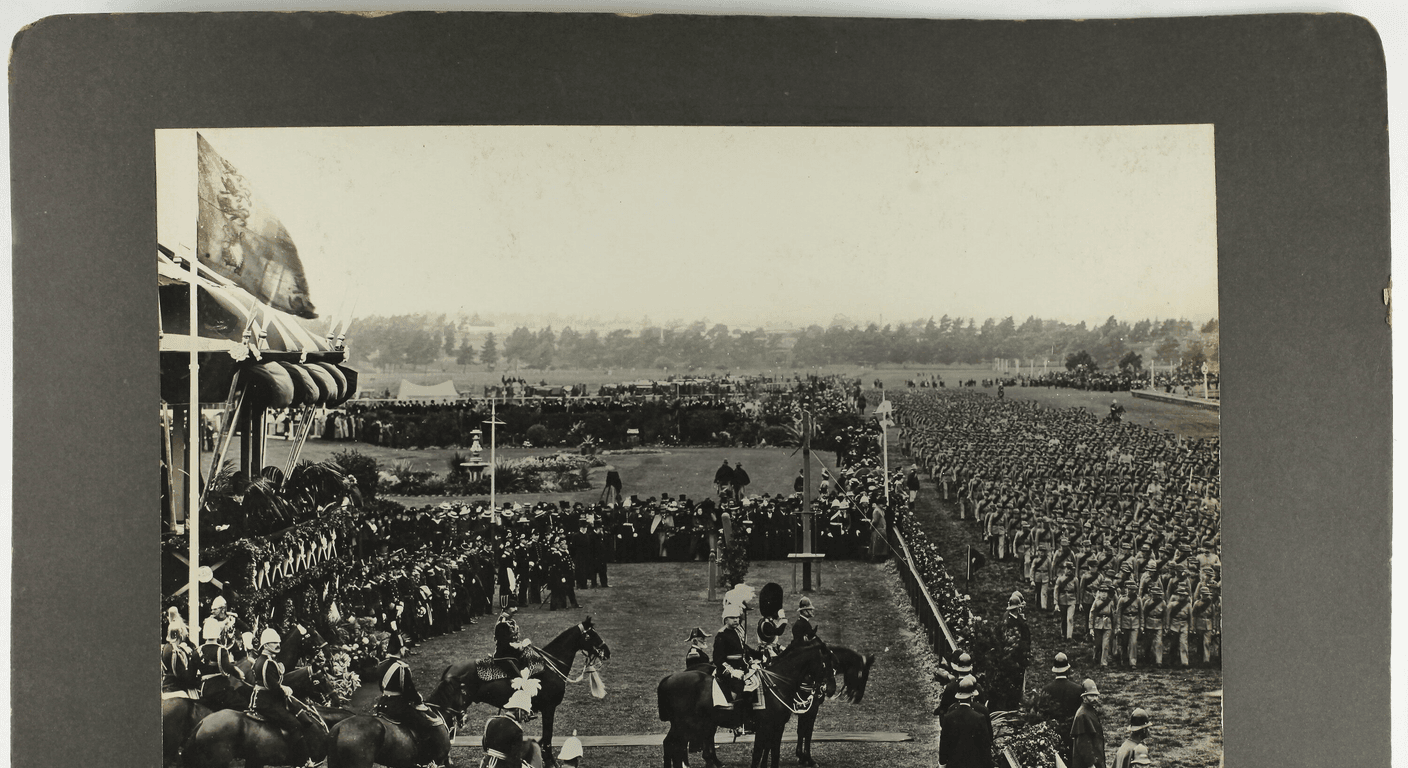
Victoria's Spring Racing Carnival runs late October through early November, with Flemington and Caulfield hosting the major meetings. For over-50s, Derby Day (first Saturday of November) and Caulfield Cup Day offer full carnival atmosphere with noticeably smaller crowds than Melbourne Cup Day itself. Mobility rating: Moderate — lawns and gravel paths, limited seating in general areas. From Melbourne CBD, free tram zone and dedicated race-day trains make access straightforward without driving or parking stress.
Which Race Day Is Actually Right for You?
Melbourne Cup Day — the first Tuesday of November — is a genuine phenomenon. It's also 100,000 people in heels on a lawn. The queues for food, the queues for the bathroom, the queues to get out of the car park: they're not a minor inconvenience, they're the day. If the crowd is the point for you, go. If the racing and the atmosphere are the point, you have better options.
Derby Day, the Saturday before Cup Day, is the connoisseur's choice. Crowd numbers are substantially lower — typically 60,000 to 70,000 at Flemington — the fashion is arguably more serious, and the racing card includes the Victoria Derby, one of the great staying races for three-year-olds. The pace of the day is calmer. You can actually watch the horses in the mounting yard without being jostled.
Caulfield Cup Day, a fortnight before Cup Day, is quieter again and draws a more local, racing-focused crowd. The course is more compact than Flemington — shorter walks between enclosures, more shade from the older grandstand structures — which many older racegoers find preferable. The Caulfield Cup itself is a Group 1 race of genuine international standing. For a solo traveller who wants to spend the day studying form and watching horses rather than managing a social event, Caulfield Cup Day is probably the pick of the carnival.
Enclosures and Tickets: What the Price Difference Actually Buys You
General admission at Flemington on Derby Day runs around $70–$80 (confirm with VRC). That gets you onto the lawns, access to the public grandstand areas, and the full sensory experience of a big race day. What it doesn't get you is a guaranteed seat, reliable shade, or a short walk to a toilet. On a warm Melbourne spring day — and late October can push 30 degrees — those aren't trivial considerations.
The Members' Reserve and Grandstand reserved seating tiers start around $150 and climb steeply from there. Reserved seating means you have a fixed spot with a sightline to the track. You can leave, have a look at the parade ring, and come back. That basic security — knowing your seat is there — is worth more than it sounds when you've been on your feet for four hours. The VRC also offers dedicated accessible seating bays; these need to be booked in advance and are genuinely accessible, not just labelled as such.
Marquee packages and hospitality experiences start around $400 and can exceed $1,200 per person, typically including food and some drinks. They're not for everyone and they don't need to be. A reserved grandstand seat, a decent lunch from one of the better track vendors, and a few careful bets across the day can cost $200–$250 all up and deliver a thoroughly enjoyable day. The marquee experience is largely about being seen, which may or may not be relevant to your priorities.
The Shape of Derby Day: What the Hours Actually Look Like
Gates open at Flemington around 10:00 am on Derby Day. Arriving between 10:30 and 11:00 am means the trains aren't yet packed and you can walk in without the 1:00 pm surge. The first race is typically 11:30 am or thereabouts — check the official card on the VRC website, as times vary year to year. The Victoria Derby is usually the fifth or sixth race, running around 3:00–3:30 pm. That's the centrepiece of the day.
A workable timetable for an older racegoer: arrive by 11:00 am, collect your reserved ticket or pick up general admission at the gate, find your seat or claim a spot in the covered grandstand before the midday rush. Lunch from roughly 12:00–1:30 pm — the sit-down options in the grandstand food hall are preferable to standing at a lawn bar, and the queues are shorter before 12:30. Back to your seat or enclosure for the big races from 2:00 pm. The Victoria Derby runs around 3:15 pm (indicative — confirm the official card). After the Derby, the crowd begins to thin. Leaving at 4:30–5:00 pm, before the final race, puts you on a train ahead of the main exodus. The difference between leaving at 4:30 and 5:30 pm at the Flemington Racecourse station is roughly forty minutes of queuing on the platform.
Toilets in the public grandstand areas are serviceable but can have queues during the half-hour before and after each major race. The accessible facilities near the grandstand entrance are generally less congested. Shaded seating on the grandstand upper tiers is limited — a wide-brimmed hat and sunscreen are not optional on a warm day. The lawn areas on the Nursery side of Flemington catch afternoon shade from the grandstand from about 2:30 pm onward, which is worth knowing if you're in general admission. The mounting yard viewing area — where you can watch horses being saddled — is genuinely one of the best free pleasures of the day and rarely as crowded as the main lawn.
Getting There Without a Car: Transport That Actually Works
The Flemington Racecourse railway spur runs directly from Newmarket station (one stop from Flemington Bridge on the Sunbury/Watergardens line) to the course gates on race days. Trains run frequently from the City Loop — Spencer Street, Flagstaff, Melbourne Central, Flinders Street. The journey from Flinders Street is around 15 minutes. On major race days including Derby Day, VRC and PTV have historically offered free travel on designated race-day trains when you show your race ticket. Confirm the current arrangement with PTV before you travel, as this changes year to year.
If you hold a Seniors Concession myki, your standard travel is already discounted on PTV services, and the myki daily cap keeps the cost low even if the free-travel arrangement isn't running. Trams from the CBD free tram zone (which covers Swanston Street, Flinders Street and the central grid) get you to a train connection at no cost. Driving is not recommended — parking at Flemington on major race days is expensive, distant, and the exit queues are long. A taxi or rideshare to the gate is perfectly reasonable if you prefer it, though surge pricing applies on Cup Day and Derby Day.
For Caulfield Cup Day, the course is directly served by the Frankston and Pakenham lines — Caulfield station is at the gate. Travel time from the City Loop is around 20 minutes. The same myki concession applies. Caulfield's proximity to the station makes the exit considerably less stressful than Flemington on a busy day, which is one practical reason to consider it over the larger course.
Food, Drink, and a Realistic Budget for the Day
Track catering at Flemington has improved markedly over the past decade, though prices reflect the captive audience. A two-course sit-down lunch in the grandstand food hall or one of the public restaurants runs roughly $60–$90 per person, with wine or beer on top at around $12–$18 a glass. A more casual approach — a pie or a sandwich from a track vendor — comes in at $12–$20, and the quality is honestly fine. The trick is to eat before 12:30 pm or after 2:00 pm; the midday rush at every food outlet is real.
The official betting on-course is through the TAB, with windows throughout the grandstand and on the lawns. A sensible approach for a day's entertainment is to set a betting budget before you arrive — say $50 to $80 — and treat it as the price of participation, not an investment strategy. The TAB app works on-course if you prefer not to queue at the windows. Cash is still accepted; card surcharges apply at some catering outlets (and yes, 1.5% on a $15 beer is as annoying as it sounds).
A realistic full-day budget for Derby Day, including a reserved grandstand ticket, a decent lunch with one drink, two or three bets, and transport via myki, sits around $200–$280 all up. That's a proper day out by any measure — a theatre ticket and dinner in the CBD would cost similar. The marquee packages at $400–$1,200 are a different proposition: you're paying largely for a private space away from the general crowd, which some people genuinely value and others find removes the point of being at the races at all.
Accessible Seating, Shade, and Getting Around the Course
Flemington is a large course. The walk from the main gate to the far end of the grandstand is around 600 metres on a mix of concrete paths, paved areas, and gravel lawn edges. It's manageable for most older racegoers, but worth knowing if you have a knee or hip that objects to prolonged standing on uneven surfaces. Mobility scooters and wheelchairs are accommodated; accessible entry points and drop-off zones are marked on the VRC's accessibility guide on their website — download it before you go.
Dedicated accessible seating bays with companion seating are available in the grandstand and must be booked in advance through the VRC. These bays have clear sightlines and are positioned to avoid the main crowd flow. The VRC's access team can be contacted directly for specific requirements — call ahead rather than assuming the day-of staff will have the answer you need. Shade is the other honest challenge: the main lawns at Flemington are largely open, and Melbourne's spring sun is not gentle. The covered grandstand tiers offer the best protection, which is another argument for a reserved seat over general lawn admission.
A Solo Traveller's Perspective — and a Couple's Perspective
Solo traveller's perspective: A race day is one of the better solo outings available in Melbourne. You move at your own pace, study the form guide at leisure, choose when and where to eat, and aren't managing anyone else's comfort or enthusiasm. The sociability of a race crowd is organic rather than obligatory — conversations happen naturally at the rails, at the TAB window, in the mounting yard. Derby Day, with its more racing-focused crowd, suits the solo visitor who's there for the sport as much as the spectacle. A reserved grandstand seat means you have a base to return to. The day doesn't require a group to work.
Couple's perspective: A pair travelling together can divide and conquer sensibly — one holds the seats while the other fetches lunch, one scouts the mounting yard while the other places the bets. The shared pleasure of a big race is genuinely good, and the post-race debrief over a drink is one of those simple pleasures that doesn't need overstating. For couples where one partner has more mobility or stamina than the other, the reserved seating option is even more important — it gives the less mobile person a fixed, comfortable base while the other explores.
Solo supplement note: This is a day-admission event, not a tour or cruise, so there's no single supplement in the traditional sense. Solo travellers pay the same per-person ticket price as anyone else. If you're booking a hospitality package through a third-party events company (some run group race-day experiences), check whether their pricing is per person or per couple before committing.
Quick planning guide
| Ideal pace | One or two race days maximum; full Cup Week is exhausting for most |
|---|---|
| Best months | Late October to first Tuesday in November |
| Suggested stay | Day trip from Melbourne or one overnight if travelling regionally |
| Mobility level | Moderate — uneven lawns, gravel paths, some stairs to grandstand tiers |
| Cost level | General admission from around $50–$80 per day; reserved grandstand $150–$300+; marquee packages $400–$1,200+ |
| Comfort level | High if you plan enclosure and seating in advance; low if you don't |
| Best for | Culturally curious solo travellers and couples who enjoy a spectacle without surrendering a full day to chaos |
| Main planning consideration | Choosing the right race day is the single biggest decision — Melbourne Cup Day is a different animal entirely |
Key takeaways
- Derby Day and Caulfield Cup Day deliver full carnival atmosphere with crowds 30–40 per cent smaller than Melbourne Cup Day — they're the smarter choice for most over-50s.
- A reserved grandstand seat costs more than general admission but buys you a guaranteed shaded base and shorter walks to facilities — worth it.
- Free race-day train travel from the CBD to Flemington has historically been available with your race ticket; confirm current arrangements with PTV before you go.
- A realistic full-day budget for Derby Day — reserved seat, lunch with a drink, a few bets, and myki transport — sits around $200–$280.
- Accessible seating bays at Flemington must be booked in advance through the VRC; do not leave this to the day.
- Arriving before 11:00 am and leaving after the Derby but before the final race (around 4:30–5:00 pm) avoids the worst of both the arrival and the exit queues.
Recommended partners and links
Indicative prices only — always confirm with the operator before booking.
Frequently asked questions
Which Spring Racing Carnival day is least crowded at Flemington?
Oaks Day (the Thursday of Cup Week) typically draws the smallest crowd of the four Flemington Cup Week meetings, with attendances often under 50,000. Derby Day (Saturday before Cup Day) is the next quietest major day and offers a stronger racing card than Oaks Day for those interested in the sport itself.
Is Flemington Racecourse accessible for people with limited mobility?
Yes, with planning. The VRC provides dedicated accessible seating bays with companion seats in the grandstand, accessible entry points, and drop-off zones. Mobility scooters and wheelchairs are accommodated. The main challenge is that the course is large — up to 600 metres between the main gate and the grandstand ends — so consider your stamina realistically. Download the VRC accessibility guide from flemington.com.au and contact their access team before race day.
How do I get to Flemington by public transport?
Dedicated race-day trains run from the City Loop (Flinders Street, Melbourne Central, Flagstaff, Spencer Street) to Flemington Racecourse station, directly at the gate, in around 15 minutes. On major race days, VRC and PTV have historically offered free travel on these trains when you show your race ticket — confirm this arrangement with PTV at ptv.vic.gov.au before you travel, as it varies year to year. Seniors Concession myki holders pay a discounted standard fare if free travel isn't operating.
What does a day at Flemington actually cost for an older racegoer on a moderate budget?
A realistic full-day cost for Derby Day — reserved grandstand ticket (around $150–$200), a sit-down two-course lunch with one drink (roughly $70–$100), a few bets ($50–$80 as a set entertainment budget), and myki transport — comes to around $200–$280 all up. General admission at around $70–$80 reduces the ticket cost but removes the guaranteed seating. Marquee hospitality packages run $400–$1,200 per person and are a separate category of experience.
Is Caulfield better than Flemington for older racegoers?
For many over-50s, yes. Caulfield is a more compact course with shorter walks between enclosures, Caulfield station is directly at the gate (no long platform queues), and Caulfield Cup Day draws a more racing-focused crowd with a calmer atmosphere than Flemington on Cup Week days. The trade-off is that Flemington's grandstand infrastructure and the prestige of the Flemington setting are genuinely superior. Both are excellent; the right choice depends on what you value.