Stanthorpe, on Queensland's Granite Belt at about 900 metres, is best visited spring through autumn for the fruit harvest, or in winter for cider and cheese with fewer crowds. Two to three nights suit the farm-gate circuit, cellar-door lunches and pick-your-own orchards, all within 20 kilometres of town. Mobility demands are easy, but a car is essential — it's roughly two and a half hours from Brisbane via the New England Highway, with no public transport.
Why Stanthorpe Surprises People Who Think They Know Queensland
Queensland's reputation for warmth is well-earned, which is precisely why Stanthorpe catches visitors off-guard. Sitting at around 900 metres on the New England Tablelands, the Granite Belt town regularly records the state's coldest nights. Winter mornings can drop below zero. In certain years — not every year, but enough to be worth mentioning — light snow falls on the granite outcrops and paddocks surrounding town. For a Victorian couple used to Mornington Peninsula or the Yarra Valley, the landscape feels oddly familiar: rolling hills, stone walls, cold air carrying the smell of damp earth.
The region's cool climate is the key to everything on the plate. Stone fruits — peaches, nectarines, plums, cherries — need cold winters to set properly, and the Granite Belt delivers. Apples follow later in the season. Berries flourish in the summer heat-then-cool rhythm. Pasture-fed dairy cattle produce milk with genuine character, which small-batch cheesemakers here are putting to good use. None of this happens despite the cold. It happens because of it.
When to Go — and What Will Actually Be Picking
The fruit calendar in Stanthorpe runs roughly from late November through to May, but the detail matters. Cherries and early stone fruit typically begin around late November to December. Peaches, nectarines and plums follow through January and February. Apples — the region's signature crop — are generally harvested from late summer into autumn, roughly February to April, though variety and altitude affect this each year. Strawberries and blueberries tend to peak around spring and early summer. The single most important piece of advice: call the farm directly before you drive up. Seasons shift with rainfall and temperature, and what was picking last year in mid-January may run early or late this time around.
Winter, from June to August, offers a completely different experience. The orchards are bare, but the cider sheds are busy, the cheese rooms are producing, and the town has a quiet, settled quality that suits a slower pace. Mornings are genuinely cold — pack a proper coat, not just a light jacket — but by midday the granite country glows in low winter sun. For couples who prefer fewer crowds and a more contemplative rhythm, winter is arguably the better time to visit.
Spring (September–October) is the wildcard: blossom season on the orchards is genuinely lovely, farm-gate stalls are beginning to open, and the weather is mild without being hot. It's a good time for walkers and those who want to combine the food scene with Girraween National Park's granite landscapes nearby.
The Big Apple and the Farm-Gate Circuit
The Big Apple on the New England Highway just south of Stanthorpe is one of Australia's more cheerful roadside icons — a large fibreglass apple that has been posing for photographs since the 1990s. It marks the gateway to apple country as clearly as any signpost, and stopping for a photo is simply part of arriving. There's no entry fee and no obligation to buy anything, though the associated stall often has seasonal produce worth a look.
The farm-gate circuit around Stanthorpe is genuinely compact. Most of the key orchards and stalls sit within a 20-kilometre radius of town, many of them along Amiens Road, Glen Aplin Road, or the New England Highway itself. Driving between them on a quiet weekday morning — windows down, radio off — is its own pleasure. Stalls vary from simple roadside tables with an honesty box to properly fitted farm shops with cold storage, jams, dried fruit and cider. Prices at the gate are almost always lower than supermarket equivalents, and the quality difference with tree-ripened stone fruit is not subtle.
Pick-your-own operations exist across the region, though the experience varies by farm and season. Some orchards welcome visitors to walk the rows with a bucket; others prefer pre-orders or group bookings. Ring ahead. The physical demands are light — mostly flat or gently sloping ground between trees — though uneven gravel between rows means sensible footwear is worth thinking about. A couple who can walk a kilometre comfortably will manage the picking experience without difficulty.
Cheese, Cider and the Art of the Tasting Room
The Granite Belt's food story doesn't begin and end with fruit. A small but serious farmhouse cheese industry has taken root here, with producers making everything from washed-rind rounds to aged cheddars using local milk. The tasting experience at these small operations is nothing like a supermarket deli counter — you're often talking directly with the person who made the cheese, which adds a dimension that's hard to replicate elsewhere. Tasting costs are typically modest, around a few dollars per person for a plate of samples, though confirm current pricing directly with each producer.
Cider is the region's other undersung product. Several producers have moved beyond wine to make apple and pear ciders that reflect the same cool-climate precision as the fruit itself. Tasting rooms are generally informal — a shed, a few bar stools, a knowledgeable host — and the atmosphere tends toward relaxed conversation rather than performance. For someone who finds large winery cellar doors a little overwhelming, the scale of these cider operations is genuinely refreshing.
A handful of producers have begun combining cheese and cider tastings in the one visit, which makes for a satisfying morning without any need to rush. Some also stock local honey, jams and dried fruit, so a single stop can cover a good portion of the region's pantry. Always confirm opening days before visiting — smaller operations sometimes close mid-week or by appointment only.
Cellar-Door Lunches and Apple Pie Worth Driving For
The Granite Belt's wine reputation is well-established, and the cellar-door lunch is one of the region's most civilised rituals. Several wineries around Stanthorpe and the nearby townships of Ballandean and Glen Aplin offer food alongside their tastings — cheese plates, charcuterie, or proper kitchen menus depending on the day and season. The setting is reliably pleasant: granite country views, a table in the sun or by a fire depending on the month, and no particular reason to hurry.
Apple pie in this part of Queensland deserves its own mention. When the fruit is local and the pastry is made on-site, the result is categorically different from what a bakery chain produces. Several farm shops and cafés in and around Stanthorpe serve apple pie — sometimes warm, sometimes with cream made from local dairy — that is worth planning a morning around. It's a small thing, but small things done well are the point of a trip like this.
For a Greek-Australian palate accustomed to quality produce and the pleasure of eating well without fuss, the Granite Belt's food scene has a satisfying directness. There's no elaborate theatre here — just good ingredients, prepared honestly, in a place that grew them. The lunch conversation tends to be about the food itself, which is as it should be.
Getting There and Getting Around
From Brisbane, Stanthorpe is roughly two and a half hours by car via the New England Highway — a straightforward drive with good road surfaces and clear signage. The highway climbs steadily from Warwick into the Granite Belt, and the change in landscape as the granite country opens up is noticeable. For visitors travelling from Victoria, flying to Brisbane and hiring a car is the most practical approach; Stanthorpe is not well-served by public transport, and a car is essential for the farm-gate circuit.
Accommodation in and around Stanthorpe ranges from comfortable motel rooms in town to self-contained cottages on farm properties, some with wood fires for winter nights. Booking two or three nights gives enough time to cover the main farms and producers without feeling rushed. A single full day can cover the farm-gate circuit, a cheese tasting and a cellar-door lunch — but a second day allows for a slower morning, a visit to Girraween National Park, or simply more time at the stalls.
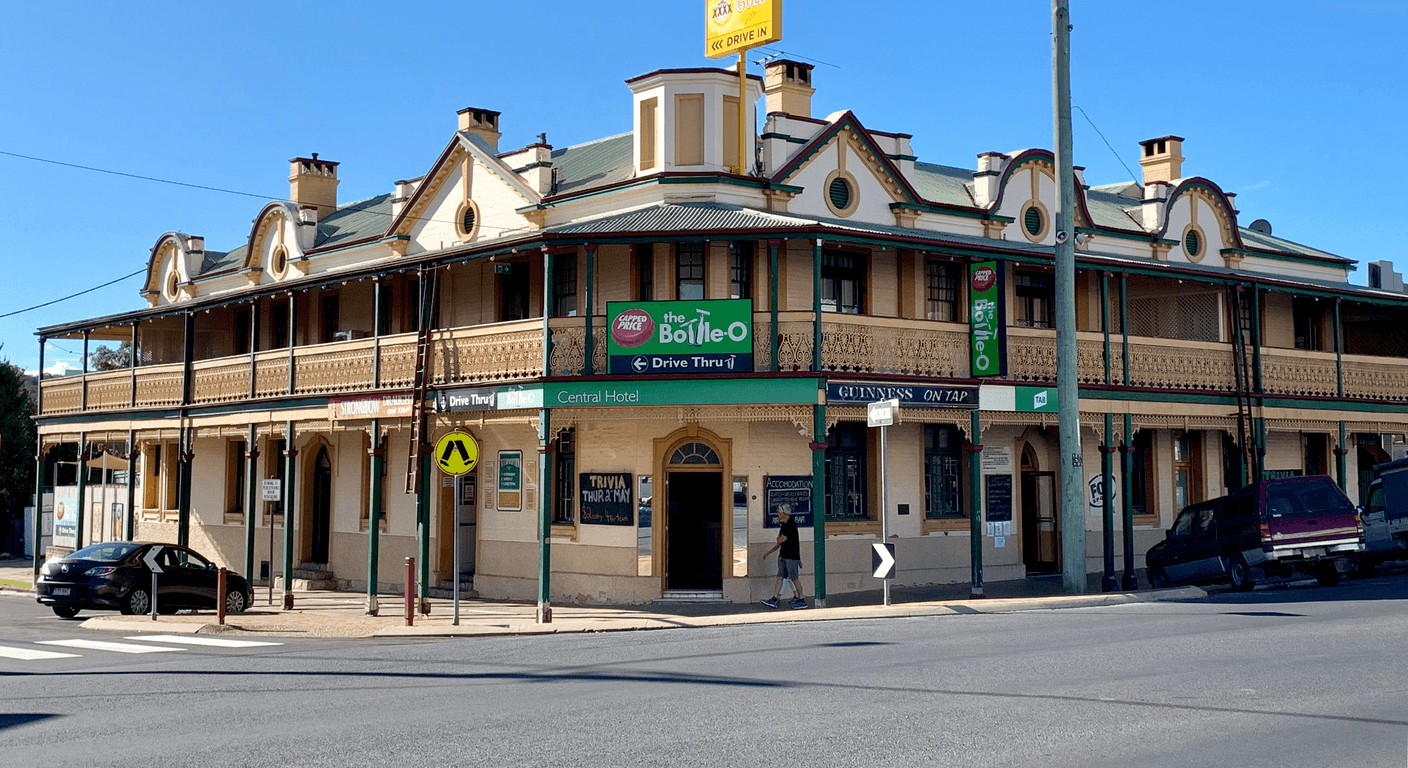
The town itself is small and walkable, with a main street that has a bakery, a butcher, a small supermarket and several cafés. Parking is easy. For couples travelling by motorhome or caravan — the Granite Belt is popular with grey nomads — there are several caravan parks in and around Stanthorpe with good facilities. Confirm availability during peak fruit-picking season, when demand rises.
Practical Considerations for the Over-50 Traveller
The physical demands of a Stanthorpe food trip are genuinely modest. Most farm stalls are accessible from a sealed carpark, and the tasting rooms at cheese and cider producers are typically flat-floored sheds with seating available. Pick-your-own orchards involve more walking, and orchard rows can be uneven — a walking stick or trekking pole is worth bringing if balance is a consideration. No specialist fitness is required for anything described in this guide.
Winter visitors should take the cold seriously. Stanthorpe nights in June and July regularly drop below five degrees Celsius, and occasionally below zero. A warm coat, layers, and closed shoes are not optional. The flip side is that the cold is part of what makes winter here pleasant — a log fire at the end of a farm-gate day is a different kind of reward from a summer beach trip, and not a lesser one.
Travel insurance for Queensland travel is straightforward, but visitors with pre-existing conditions should confirm their cover before booking. The nearest major hospital is in Warwick, about an hour's drive north. Stanthorpe has a local hospital and medical services, but for anything requiring specialist care, Warwick or Toowoomba would be the reference point. Keep this in mind when planning, and ensure any medications are packed for the full duration of the trip.
Quick planning guide
| Ideal pace | Slow-paced, farm-to-farm |
|---|---|
| Best months | Spring (Sept–Oct) and autumn for fruit harvest; June–August for cider, cheese and quieter crowds |
| Suggested stay | 2–3 nights |
| Mobility level | Easy — flat stalls and tasting rooms, though orchard rows can be uneven |
| Cost level | Budget-friendly at farm gates, moderate for cellar-door lunches |
| Comfort level | Casual and informal — sheds, farm shops and small tasting rooms rather than formal venues |
| Best for | Couples who enjoy slow mornings at farm stalls followed by a good lunch |
| Main planning consideration | Call farms ahead to confirm what's picking, and hire a car, as Stanthorpe has minimal public transport |
Key takeaways
- Stanthorpe is Queensland's coldest town — its cool climate is what makes the stone fruit, apples and cheese genuinely distinctive.
- The fruit-picking season runs roughly December to April, but call the farm directly before travelling to confirm what is actually picking.
- Most farm-gate stalls and tasting rooms sit within 20 kilometres of town, making the circuit easy to cover at a relaxed pace.
- Winter visits (June–August) offer cider season, farmhouse cheese tastings and occasional snow — with far fewer crowds than summer.
- A car is essential; Stanthorpe is around two and a half hours from Brisbane via the New England Highway.
- The physical demands are low — most stalls and tasting rooms are flat and accessible — though uneven orchard rows call for sensible footwear.
Recommended partners and links
Indicative prices only — always confirm with the operator before booking.
Frequently asked questions
What is the best time to visit Stanthorpe for fruit picking?
The main fruit-picking season runs from approximately late November through to April, covering cherries, stone fruit, berries and apples. Exact timing shifts each year with weather, so contact individual farms before travelling to confirm what is currently available for picking.
Can you visit Stanthorpe's food producers without a car?
A car is effectively essential for the farm-gate and tasting-room circuit around Stanthorpe. Public transport connections to the region are limited, and the farms and orchards are spread across a 20-kilometre radius that cannot be covered on foot. Hiring a car in Brisbane before the drive up is the most practical approach for visitors flying in.
Does it actually snow in Stanthorpe?
Yes, occasionally. Stanthorpe is Queensland's coldest town, and light snowfall on the surrounding granite country does occur in some winters, typically June and July. It is not guaranteed each year, but it is common enough that the region markets its cool winters as a feature rather than an anomaly.
How much do cheese and cider tastings cost at Granite Belt producers?
Tasting fees at small Granite Belt cheese and cider producers are generally modest — indicatively a few dollars per person for a plate of samples or a flight of ciders — but costs vary between operators and can change. Confirm current pricing directly with each producer before visiting.
Is Stanthorpe suitable for travellers with mobility considerations?
Most of Stanthorpe's farm-gate stalls, cheese rooms and cider sheds are accessible from sealed carparks and have flat floors with seating available, making them suitable for travellers with moderate mobility. Pick-your-own orchards involve more walking on uneven gravel between tree rows, so sturdy footwear and a walking aid if needed are advisable. The town centre itself is small and flat.