The Tamar Valley, running about 70 kilometres north of Launceston, is best visited in autumn (late March to May) when vineyards and Grindelwald village turn gold. A two-day loop over the Batman Bridge, taking in cellar doors like Josef Chromy and Pirie Tasmania plus Beauty Point's Platypus House, suits an easy pace on flat, well-signed roads. There's no public transport or wine bus, so self-driving or a private tour is essential.
Why the Tamar Valley suits over-50s so well
The Tamar River runs roughly 70 kilometres north from Launceston to the Bass Strait, and most of what you want to see sits within that corridor. The West Tamar Highway and East Tamar Highway hug opposite banks, both sealed, well-signed, and largely flat. For a couple who enjoy driving at a relaxed pace — stopping when something catches the eye, not rushing from winery to winery — this is close to ideal territory.
The distances are genuinely manageable. Launceston to Beauty Point, at the northern end of the valley, is around 50 kilometres by road. You can cover the full Batman Bridge loop — crossing from one bank to the other over the striking cable-stayed bridge — in a single day if you start reasonably early, or spread it across two days with an overnight stay in the valley. Two days is the more comfortable option for anyone who wants to linger at cellar doors and not feel rushed.
Autumn is the standout season. From late March through May the European deciduous trees planted around many of the vineyards and at Grindelwald turn gold and copper. Temperatures in the Tamar Valley in autumn are typically mild — think cool mornings and pleasant afternoons — which suits both driving and outdoor tasting. If you are sensitive to cold, pack a layer regardless of the forecast; the valley can funnel a brisk northerly off the strait.
Which cellar doors are worth stopping at on the West Tamar bank?
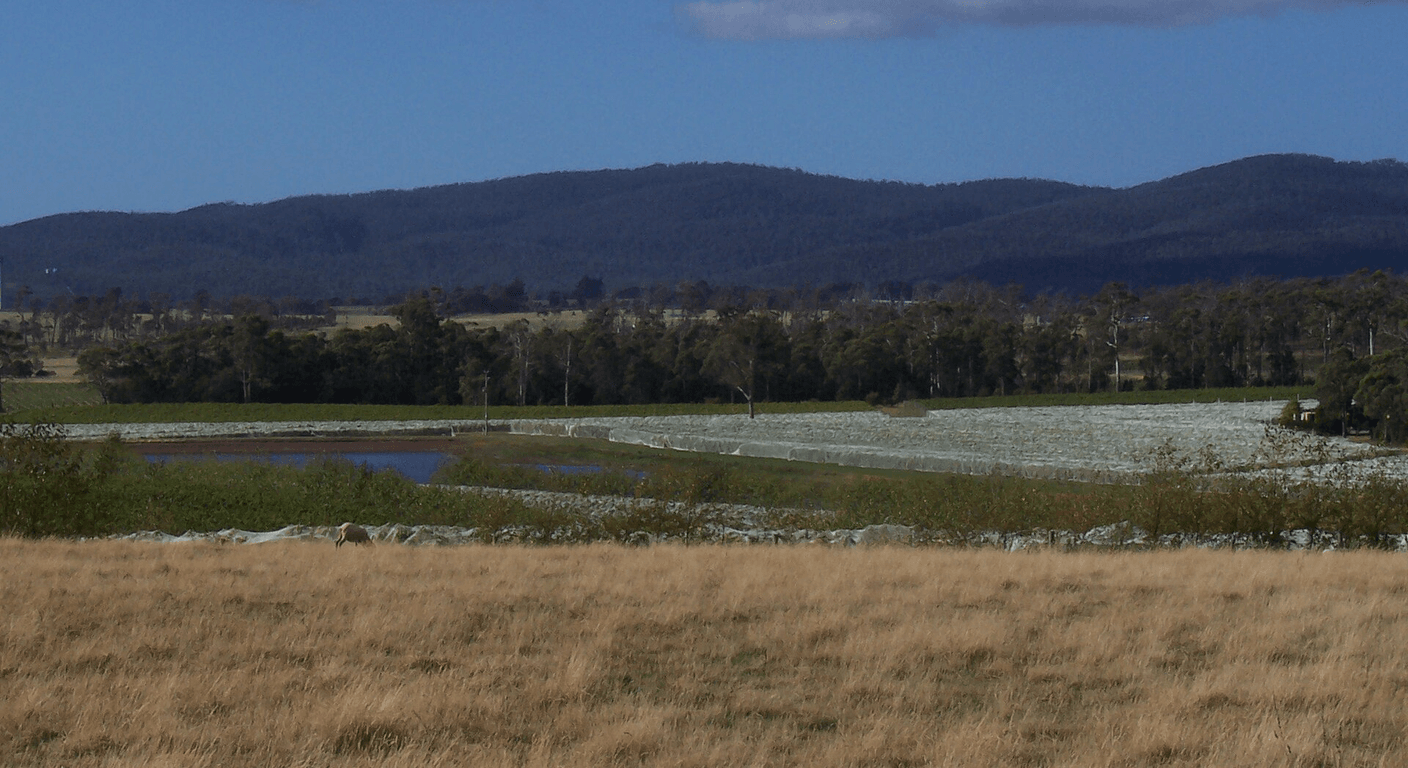
The West Tamar Highway (B73) carries most of the valley's cellar-door traffic, and for good reason. Josef Chromy Wines, just outside Launceston near Relbia, is often the first stop and sets a high benchmark. The cellar door overlooks a lake and the winery's own vineyard, and the building is modern and step-free at the entry level. The restaurant here is genuinely good — not just a winery lunch afterthought — and the sparkling wines, made in the traditional method, are among the most consistent in Tasmania. Allow at least an hour, more if you eat.
Further north, Tamar Ridge and its sibling label Pirie Tasmania operate from a cellar door that focuses squarely on sparkling. Pirie is one of the few Australian producers with a long track record in méthode traditionnelle wines, and a tasting here alongside Josef Chromy gives you a useful comparison of house styles. The cellar door has good parking and a straightforward layout, though confirm current opening hours before you go as these can vary seasonally.
Holm Oak Vineyards, run by the Holyman family near Rowella, is a smaller, more personal stop. The tasting room is intimate and the staff tend to be unhurried — a welcome contrast if you have already done a couple of larger cellar doors. Their Pinot Noir and Riesling are well-regarded. Phone ahead or check their website to confirm opening days, as smaller producers sometimes close mid-week.
What about the East Tamar bank and the Batman Bridge crossing?
The East Tamar Highway (A8) is quieter and the scenery is arguably more varied, with the river visible in stretches and the Pipers River wine sub-region accessible from the eastern side. Returning to Launceston via the Batman Bridge — Tasmania's most distinctive piece of civil engineering, a cable-stayed bridge that opened in 1968 and still looks slightly out of place in such rural surroundings — turns the drive into a proper loop rather than an out-and-back.
The bridge itself is worth a brief stop. There is a small parking area on the western approach and you can walk a short distance onto the bridge for the view upriver. The surface is level and the distance is not demanding, but the railing height is standard rather than particularly substantial, so anyone with a strong fear of heights may prefer to admire it from the bank. The crossing is free.
On the eastern bank, Goaty Hill Wines near Kayena is a relaxed stop with good valley views and a small tasting room. It suits travellers who find larger cellar doors a little impersonal. Pipers Brook Vineyard, a little further north-east, is one of the original Tamar Valley producers and has a more formal tasting experience. The grounds are pleasant for a short stroll between tastings. Both properties have parking suitable for standard vehicles.
What is Grindelwald, and is it worth the detour?
Grindelwald is a Swiss-themed village resort at Rowella, tucked into a bend of the Tamar about 25 kilometres north of Launceston. It was developed from the 1980s by a Swiss entrepreneur and the architecture — steep chalet rooflines, carved timber balconies, a central village square — is genuinely incongruous against the Tasmanian bush. Whether you find it charming or eccentric probably depends on your temperament. Most visitors land somewhere between the two.
For a couple doing the Tamar loop, Grindelwald offers two practical things: a comfortable place to stay overnight (the resort has motel-style units and chalets that suit older travellers better than some boutique properties, with good parking and relatively level paths between buildings), and a café and restaurant that are open to non-guests. The restaurant's quality has varied over the years, so check recent reviews before making it a centrepiece of your day. The village area itself is an easy, flat walk and the setting by the river is genuinely peaceful.
The autumn colour at Grindelwald is real — the deciduous plantings around the resort and the adjacent golf course turn well in April — and it photographs nicely in the afternoon light. It is not a major attraction in its own right, but as a midpoint rest stop or overnight base on the West Tamar side, it earns its place on the itinerary. Confirm current accommodation and dining availability directly with the resort.
Beauty Point: platypuses, seahorses, and a sensible morning stop
Beauty Point sits at the northern end of the western bank, roughly 50 kilometres from Launceston, and is home to two unusual wildlife attractions that sit side by side on the waterfront: Platypus House and Seahorse World. Both are small, covered facilities, which means they work in any weather and are accessible for most mobility levels. The paths inside are level and the tours are guided, so you are not left to navigate independently.
Platypus House houses a small number of platypuses in a purpose-built viewing environment with low lighting to suit the animals' habits. The guides are knowledgeable and the experience is genuinely different from most wildlife encounters — platypuses in the wild are notoriously difficult to spot, and here you are essentially guaranteed a close look. Seahorse World next door focuses on the breeding and biology of seahorses and pipefishes, which sounds niche but turns out to be more engaging than expected. Combo tickets covering both attractions are available and represent reasonable value; confirm current pricing directly.
Beauty Point itself is a quiet waterfront town with a café or two and good views across the Tamar to the eastern bank. It makes a logical late-morning stop before crossing to the eastern bank via a short backtrack and then heading north to the Batman Bridge. If you are doing the loop in reverse — starting with Beauty Point and working south — it also works as a first stop after an early departure from Launceston. Note that both attractions have limited capacity on guided tours, so booking ahead, particularly in autumn and school holidays, is sensible.
Driver-friendly tasting advice: how to pace a wine day responsibly
The honest reality of a cellar-door day when one person in the couple is driving is that the driver does not get to drink. That is not a minor inconvenience — it is worth planning around openly. The Tamar Valley is not serviced by a dedicated wine tour bus from Launceston in the way that some mainland regions are, so self-driving remains the most practical option for most couples. Alternating who drives across two days is one approach. Another is using a local tour operator for at least one day, which allows both people to taste freely.
For the driving partner, most cellar doors will pour a non-alcoholic alternative or simply offer water and a look around. Some producers also sell cheese, local produce, or small food items that make the stop worthwhile regardless. It is worth mentioning to cellar-door staff that one of you is driving — they are used to it and will often adjust the experience accordingly rather than simply pouring smaller serves.
Keep the total number of cellar-door stops to three or four in a day, not six or eight. More than that and the wines begin to blur and the driving partner begins to feel like a chauffeur rather than a participant. Three well-chosen stops with a proper lunch in between is a better day than five rushed ones. Drink water consistently throughout, eat before you taste, and factor in a rest period in the early afternoon — the combination of driving, walking between rooms, and a heavy lunch can be more tiring than expected, particularly for travellers in their seventies.
Practical notes: accessibility, transport, and timing
Most Tamar Valley cellar doors have gravel or compacted-surface car parks that are manageable for standard walking but can be uneven in patches. If one of you uses a walking stick or has reduced ankle stability, it is worth calling ahead to ask about the surface from the car park to the tasting room — most operators are helpful and honest about this. The cellar-door rooms themselves tend to be at ground level or have ramp access, but this varies by property. Older heritage properties occasionally have a step or two at the entry.
There is no direct public transport along the Tamar Valley wine route. The Launceston bus network does not extend usefully to the cellar doors or Beauty Point for tourist purposes. Hiring a car in Launceston is the standard approach, and the roads are well within the comfort range of most drivers — two-lane rural highways with good sight lines, no particularly challenging mountain sections, and clear signage. If you prefer not to drive, a Launceston-based private tour operator is the realistic alternative; Discover Tasmania's website lists local operators.
Accommodation options in the valley range from Grindelwald's resort to small B&Bs and farm stays, particularly around Exeter and Gravelly Beach. Launceston itself has a wide range of hotels and serviced apartments and is a perfectly comfortable base for day trips into the valley. If you are visiting specifically for autumn colour, aim for the first three weeks of April — the timing varies year to year, so checking recent social media from valley properties gives a better read than any fixed date guide.
Quick planning guide
| Ideal pace | Relaxed, self-driving loop with three to four stops a day |
|---|---|
| Best months | Late March to early May, for autumn colour |
| Suggested stay | Two days, though the loop can be done in one |
| Mobility level | Easy – flat, sealed roads and mostly level cellar-door access, with some gravel car parks |
| Cost level | Moderate – cellar-door tastings and combo attraction tickets, no major expenses noted |
| Comfort level | High – covered, guided attractions and ground-level facilities suit older travellers |
| Best for | Couples in their sixties and seventies who enjoy a relaxed wine-touring drive |
| Main planning consideration | No public transport or wine tour bus serves the valley, so self-driving or hiring a private tour operator is necessary |
Key takeaways
- The Batman Bridge loop covers both Tamar banks in a single manageable day, or comfortably across two days for a more relaxed pace.
- Josef Chromy Wines and Pirie Tasmania are the standout sparkling-wine cellar doors on the West Tamar bank, both with good accessibility and parking.
- Platypus House and Seahorse World at Beauty Point are covered, guided attractions that work well for older travellers regardless of the weather.
- Grindelwald is a genuine curiosity — a Swiss-themed village in the Tasmanian bush — and a practical overnight base on the western bank.
- Alternating drivers across two days, or using a local tour operator for one day, is the most practical way for both people in a couple to taste freely.
- Autumn (late March to early May) is the Tamar Valley's most attractive season, with deciduous colour peaking through April at vineyards and at Grindelwald.
Recommended partners and links
Indicative prices only — always confirm with the operator before booking.
Frequently asked questions
How long does the Tamar Valley Batman Bridge loop take by car?
Driving the full loop from Launceston — north along the West Tamar Highway to Beauty Point, across the Batman Bridge, and south along the East Tamar Highway — takes roughly two to two-and-a-half hours of driving time without stops. Add cellar-door visits, lunch, and the Beauty Point attractions and a full day is the realistic minimum. Most older travellers find two days more comfortable and enjoyable.
Is the Tamar Valley wine region accessible for travellers with mobility concerns?
Most of the main cellar doors in the Tamar Valley have ground-level or ramped entry and adequate parking, but car park surfaces are often gravel or compacted earth rather than sealed, which can be uneven. Platypus House and Seahorse World at Beauty Point have level internal paths and guided tours, making them accessible for most mobility levels. It is always worth calling ahead to confirm accessibility details for specific properties.
What is the best time of year to visit the Tamar Valley for autumn colour?
The deciduous trees at Tamar Valley vineyards and at Grindelwald typically reach peak colour in the first three weeks of April, though the exact timing varies year to year depending on temperatures. Early May can still offer good colour in cooler years. Checking recent posts from valley cellar doors or the Discover Tasmania website before you travel gives the most reliable current picture.
Do you need to book Platypus House and Seahorse World in advance?
Both attractions at Beauty Point run guided tours with limited capacity, so booking ahead is advisable, particularly during April (autumn colour season) and Tasmanian school holidays. Walk-in visits may be possible outside peak periods, but confirming availability by phone or through their websites before you arrive is the sensible approach.
Is there public transport from Launceston to the Tamar Valley cellar doors?
There is no public bus route that connects Launceston to the Tamar Valley cellar doors or to Beauty Point in a way that is practical for tourists. Hiring a car in Launceston is the standard option. If neither person in your party wants to drive, a Launceston-based private tour operator is the realistic alternative — Discover Tasmania's website at discovertasmania.com.au lists accredited local operators.