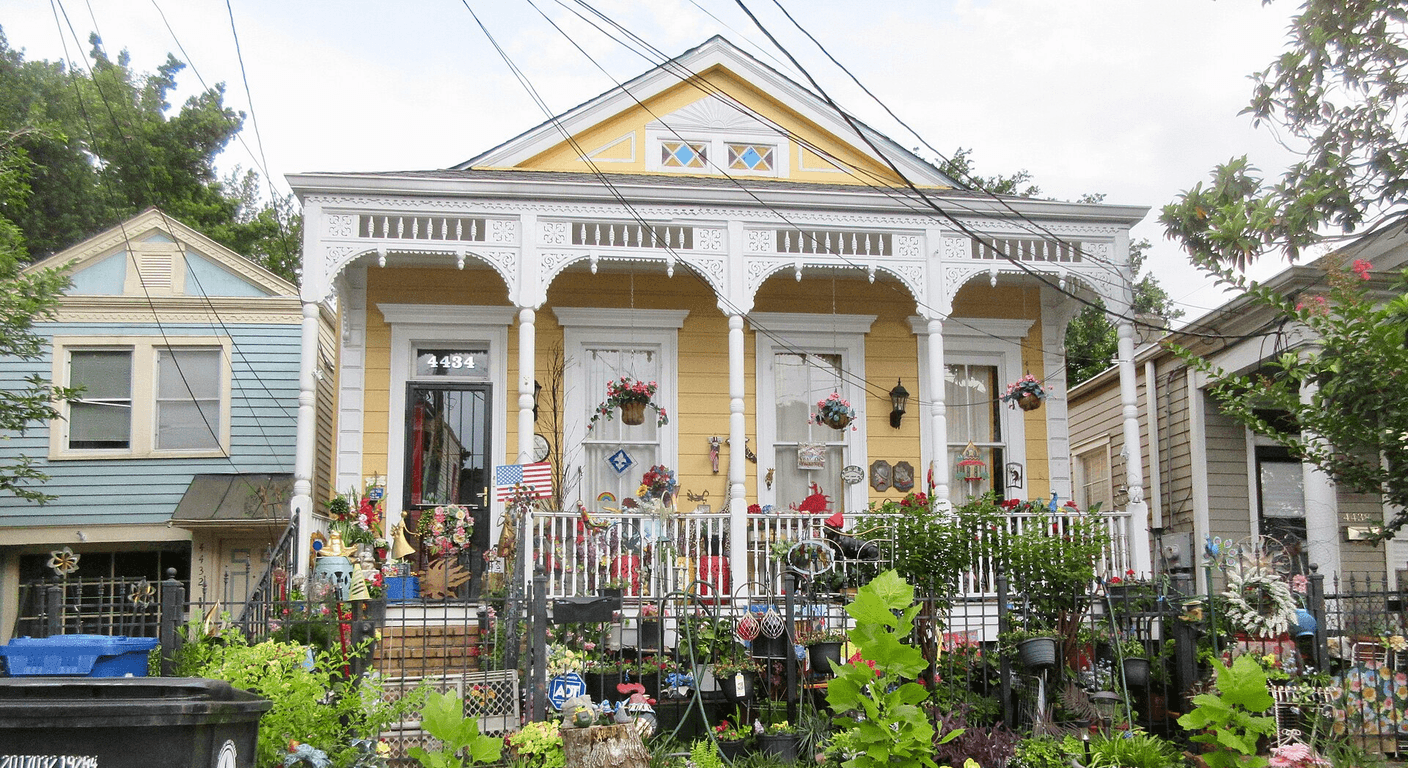
The Victorian Seniors Festival runs throughout October each year, offering hundreds of free and low-cost events across metropolitan Melbourne and regional Victoria for people aged 60 and over (or those holding a Victorian Seniors Card). Events span arts, music, fitness, history, and cultural experiences. Mobility rating: Easy to Moderate depending on events chosen. Melbourne's Free Tram Zone and concession Myki make getting around straightforward. Book popular sessions early — free does not mean unlimited seats.
What is the Victorian Seniors Festival and who can attend?
The Victorian Seniors Festival is a state government-funded, month-long program running throughout October. It's been running for decades — long enough to have earned genuine affection, and long enough for the best events to become quietly competitive. The festival is open to Victorians aged 60 and over, or anyone who holds a current Victorian Seniors Card, which can be held from age 60 if you're not in full-time employment (confirm current eligibility criteria at seniorsonline.vic.gov.au, as the rules do get updated).
Events are delivered by councils, cultural institutions, community organisations, and private businesses across the state. That breadth is both the festival's greatest strength and its biggest logistical challenge. The program can run to several hundred listings — everything from a free guided walk through the Fitzroy Gardens to a no-cost cooking demonstration at a regional library, to discounted theatre tickets at major Melbourne venues. Not all events are created equal. Some are genuinely excellent. Some are promotional in nature — a free session at a gym that hopes you'll sign up afterwards. A little discernment goes a long way.
Interstate visitors and grey nomads passing through Victoria in October are also welcome at most events, provided they hold a Victorian Seniors Card or can show proof of age. If you don't yet have a Victorian Seniors Card and you're eligible, apply well before October — the card is free, but processing takes time. Check seniorsonline.vic.gov.au for the current application process.
How to find the program and register before events sell out
The full program is published online at seniorsonline.vic.gov.au, typically in late August or early September. Put the release date in your calendar now. That's not an exaggeration — the most sought-after sessions (Melbourne Symphony Orchestra events, National Gallery of Victoria tours, Royal Botanic Gardens walks, cooking classes with well-known chefs) can fill within 24 to 48 hours of the program going live. Registration is usually handled through the individual event organiser's own booking system, not through a single central portal, so you'll be clicking across multiple websites.
The program is searchable by region, date, category, and cost. Filter by 'free' first, then by your preferred area. If you're based in regional Victoria — Ballarat, Bendigo, Geelong, Shepparton, Warrnambool — search your council area specifically. Regional events are often less oversubscribed than Melbourne ones and can be genuinely excellent: a local historical society tour, a regional gallery opening, a free concert in a town hall with real acoustic charm.
A practical tip for couples: register separately for events that have individual capacity caps, rather than registering as a group. Some systems allow a plus-one at the time of booking; others don't. Read each event's booking instructions carefully. And check the cancellation policy — if something comes up, cancel promptly so your spot goes to someone on the waitlist. The festival community notices.
Which events are genuinely free and which come with a catch?
Truly free means no ticket cost, no gold coin, no obligation. The Victorian Seniors Festival has plenty of these — guided heritage walks, museum open days, public lectures, fitness classes in parks, library events, and gallery talks. These are funded by councils and cultural institutions as a public good. Attend, enjoy, leave. No sales pitch.
Gold-coin events — often listed as '$2' or 'gold coin donation' — are effectively free and the small contribution usually goes to the hosting community group. Bring a few coins. It's gracious and it keeps these programs funded for next year.
Then there's a third category: events that are free to attend but are structured around a product, service, or membership. A free financial planning seminar hosted by a superannuation fund. A free hearing check at an audiology clinic. A free gym class at a franchise. These aren't dishonest — they're often genuinely useful — but go in with clear eyes. The festival team does vet listings, but the program is large. If an event's organiser is a private business, it's fair to ask yourself what they're hoping you'll do next.
What does a well-paced festival day actually look like?
Here's an honest account of how a well-managed festival day tends to run — times are indicative and will vary by event, so always confirm with the specific organiser. A morning event typically starts at 10:00 or 10:30. That's generous by festival standards. You'd leave home or your accommodation around 9:00, factor in the tram or train, and arrive at the venue with ten minutes to spare — enough time to find the toilets (always locate these first; it's not trivial) and a seat near the aisle if you prefer easy access.
A typical guided walk or cultural talk runs 60 to 90 minutes. Finish by noon. That leaves a natural gap before a 2:00 pm afternoon session — long enough for a relaxed lunch without rushing, short enough that you're not killing time. The stretch between 12:00 and 2:00 is where Melbourne's CBD works beautifully: a sit-down lunch in Chinatown (around $20–$35 a person for a decent yum cha, confirm current prices with restaurants), a wander through the State Library reading room, or simply a coffee and a rest on Swanston Street.
If the afternoon session feels like one commitment too many — and some days it will — skip it without guilt. That's not failure; that's good pacing. The festival runs for a full month. Spread events across multiple weeks rather than stacking them. Three events across three separate days is far more enjoyable than three events in one ambitious Tuesday. The single most common festival mistake is overdoing the first week and running out of steam by the third.
Getting around Melbourne for the festival: free trams, concession Myki, and what it actually costs
Melbourne's Free Tram Zone covers the CBD grid, Docklands, and parts of Southbank — a genuinely useful boundary that encompasses a large share of festival venues. If your event is at Federation Square, the Arts Centre, the State Library, the Melbourne Museum, or the NGV, you can reach it from Southern Cross Station or Flinders Street Station without touching your Myki. The zone operates on all tram routes within its boundary, all day, every day. No tap-on required — just board. Confirm the current zone boundaries at ptv.vic.gov.au before you travel, as they are occasionally adjusted.
Beyond the Free Tram Zone — and for trains and buses throughout metropolitan Melbourne and regional Victoria — a concession Myki is the smart tool. Victorian Seniors Card holders are eligible for a concession Myki, which delivers roughly half the adult fare. A two-hour concession fare in metropolitan Melbourne is well under $3 at current rates; confirm the exact figure with PTV. Load enough credit for your trip before you travel. The Myki machine at major stations can be slow, and the queues during event-heavy October mornings are real.
If you're driving in from regional Victoria or staying in a suburb, factor in parking costs honestly. The CBD can run $25–$50 for a full day in commercial car parks. Park-and-ride at an outer suburban train station and use public transport from there — it's cheaper, less stressful, and leaves you free to have a glass of wine at lunch without worrying about the drive home. For grey nomads with a motorhome or caravan, check council-approved overnight parking areas well outside the CBD before October, as demand rises.
A note for solo travellers attending the festival
The Victorian Seniors Festival is one of the most genuinely solo-friendly events in the Australian calendar. Events are communal by design — you're in a room full of people who've signed up for the same thing, which creates an immediate, easy social context. No awkward arrivals, no navigating a crowd alone. A guided walk, a cooking class, a concert: all of these are natural conversation starters.
For solo travellers visiting Melbourne from interstate or regional Victoria, accommodation around $130–$200 a night in a comfortable inner-city hotel puts you within walking distance or a short tram ride of most CBD events. Some serviced apartments offer better value for a week-long stay — around $150–$220 a night with a kitchen, which matters when you're pacing yourself and don't want to eat every meal out. Confirm current rates directly with properties.
There is no single supplement on festival events themselves — they're free or ticketed individually. Where a single supplement applies is in any accommodation or group tour you add around the festival. If you're booking a regional package that includes accommodation, ask directly about single pricing. Some regional operators offer single rooms at no extra supplement during October specifically to attract solo festival attendees — it's worth asking.
Regional Victoria: the underrated way to do the festival
Melbourne gets the headlines, but some of the festival's most memorable events happen in regional Victoria — and with considerably less competition for spots. Ballarat's heritage buildings host free historical tours with genuine depth. Bendigo's galleries run curator-led talks during October that are excellent. Geelong's waterfront precinct offers free walking tours with local historians who actually know the stories behind the bluestone buildings.
V/Line train services connect Melbourne to Ballarat (roughly 1.5 hours), Bendigo (roughly 2 hours), and Geelong (under an hour) — and a concession Myki works on V/Line services too, delivering the same roughly-half-price benefit. A day trip to Ballarat for a free festival event, followed by lunch at a café on Lydiard Street (around $20–$35 for a main), is a very good day out and costs almost nothing in total. Confirm train times at vline.com.au.
For grey nomads already touring regional Victoria in October, the festival program is worth downloading before you leave home. Filter by region, see what's on in towns along your route, and build a loose itinerary around it. A free concert in Shepparton or a heritage walk in Warrnambool adds texture to a journey without adding cost. That's the festival working exactly as it should.
Quick planning guide
| Ideal pace | Two to four events per week, with rest days between; avoid stacking morning and afternoon sessions on the same day |
|---|---|
| Best months | October (festival month); program released late August or early September |
| Suggested stay | If travelling to Melbourne from regional Victoria or interstate, allow three to five nights to catch a cluster of events |
| Mobility level | Easy — most flagship events are held in accessible venues; check individual listings for stairs and seating |
| Cost level | Free to low-cost; some ticketed events around $10–$30 AUD — confirm with operator |
| Comfort level | High — events are designed for the age group, with seating, comfort breaks and unhurried pacing built in |
| Best for | Couples, solo travellers, culturally curious retirees, grey nomads passing through Melbourne in October |
| Main planning consideration | Free events with capped capacity book out within days of the program going live — set a calendar reminder for program release |
Key takeaways
- The Victorian Seniors Festival runs the full month of October — free and low-cost events for Seniors Card holders aged 60 and over across Melbourne and regional Victoria.
- The program is released online at seniorsonline.vic.gov.au in late August or early September; popular sessions fill within 48 hours, so register the day the program goes live.
- Melbourne's Free Tram Zone covers the CBD and most major festival venues — no Myki needed within the zone; a concession Myki delivers roughly half-price fares beyond it.
- Some 'free' events are promotional in nature — read the organiser's details before registering and go in knowing what the host is hoping you'll do afterwards.
- Pacing matters more than program density — three events spread across three weeks beats three events on one day, and the festival runs long enough to be selective.
- Regional Victoria events — Ballarat, Bendigo, Geelong and beyond — are excellent and far less oversubscribed than Melbourne's headline sessions.
Recommended partners and links
Indicative prices only — always confirm with the operator before booking.
Frequently asked questions
Who is eligible for the Victorian Seniors Festival?
The Victorian Seniors Festival is open to Victorians aged 60 and over, or anyone holding a current Victorian Seniors Card. The Seniors Card is free and available to Victorian residents aged 60 and over who are not in full-time paid employment. Confirm current eligibility criteria at seniorsonline.vic.gov.au, as rules are updated periodically. Interstate visitors may attend most events; check individual event listings for any residency requirements.
Are Victorian Seniors Festival events really free, or are there hidden costs?
Many events are genuinely free — no ticket cost, no gold coin, no obligation. Some are gold-coin donation ($1–$2), which effectively makes them free. A smaller number of listed events are hosted by private businesses and are structured around a product or service pitch; these are free to attend but come with a commercial purpose. Read each listing's organiser details carefully. Ticketed events within the festival typically cost around $10–$30 AUD — confirm with the specific event organiser.
How do I get a Victorian Seniors Card before the festival?
Apply online at seniorsonline.vic.gov.au well before October. The card is free. You'll need to be a Victorian resident aged 60 or over and not in full-time paid employment. Processing takes time, so don't leave the application until September. The card gives access to festival events and a range of retail and transport concessions year-round.
Can I use my concession Myki to travel to festival events in regional Victoria?
Yes. A concession Myki works on V/Line train and coach services as well as metropolitan Melbourne public transport, delivering roughly half the adult fare. Load credit before you travel. Confirm current concession fare rates and eligibility at ptv.vic.gov.au, and check V/Line timetables at vline.com.au before your travel day.
What should I do if a free festival event I want is already fully booked?
Check whether the organiser has a waitlist — many do, and cancellations are common as October approaches. Also check whether the same organiser is running a second session of the same event later in the month; popular events are often repeated. If you miss out entirely, the festival program is large enough that a comparable alternative almost certainly exists. Regional events are consistently less oversubscribed than Melbourne ones and are worth exploring.
- Victorian Seniors Festival — official program and event listings
- Victorian Seniors Card — eligibility, application and benefits
- Public Transport Victoria — concession Myki fares and eligibility
- V/Line — regional Victoria train and coach services
- What's On Melbourne — City of Melbourne events
- Smartraveller — Australian government travel advice