Wagga Wagga, the Riverina's capital, suits a two-to-three-night stopover between Sydney and Melbourne, best timed for spring or autumn when temperatures are mild rather than the 35°C-plus summer heat. Its defining highlight is the free National Art Glass Collection at the Museum of the Riverina, a nationally significant gallery in a fully accessible setting. The flat, walkable central precinct rates as easy mobility, and access is straightforward via direct NSW TrainLink XPT services from Sydney or Melbourne, or a drive along the Hume or Sturt highways.
Why Wagga Wagga Works for Travellers Over 50
Wagga Wagga — locals say it once, not twice — is the Riverina's largest city and one of those regional centres that earns its reputation through substance rather than marketing. At around 68,000 people, it has the infrastructure of a proper city: good accommodation, multiple dining options, a functioning arts scene and a hospital, which is quietly reassuring when you're travelling with friends in your sixties. It also has something rarer: a genuinely walkable central precinct where the main attractions sit within comfortable reach of each other.
The flat terrain is the unsung hero here. The Victory Memorial Gardens, the civic precinct, the riverbank and the main shopping strip all connect without a significant hill in sight. For a friends group who want to explore at their own pace — spending a morning at the gallery, a relaxed lunch at the leagues club, a late-afternoon wander to the beach — Wagga delivers without demanding anything strenuous in return. That's not a concession; it's just good design.
Positioning matters too. Wagga sits roughly halfway along the inland route between Sydney and Melbourne, making it a logical two-or-three-night pause rather than a detour. Whether you're driving the Hume or Sturt highways or taking the train, the city arrives at exactly the right moment in a longer journey.
Getting There: The XPT Train and the Inland Drive
The NSW TrainLink XPT — one of Australia's proper long-distance trains, with reclining seats, a buffet car and genuine countryside to watch — runs directly to Wagga Wagga from both Sydney Central and Melbourne Southern Cross. From Sydney the journey takes around five to six hours; from Melbourne, roughly six hours. Both are manageable in a day, particularly if you book a seat rather than a berth and pack your own provisions to supplement the buffet. Confirm current timetables and fares at nswtrainlink.info before you travel, as schedules can change.
Wagga Wagga Station sits close to the city centre, and taxis or rideshares to most accommodation take under ten minutes. For travellers who prefer to drive, the city is accessible via the Olympic Highway from the south or the Sturt Highway from the east and west. Parking is generally easy and free or low-cost in the central area — a relief if you're arriving with luggage after a long day on the road.
A car is handy but not essential once you're in Wagga. The central attractions are walkable, and local taxis cover anything further afield. For a friends group without a car, the train option is particularly attractive: arrive relaxed, walk or cab to the hotel, and spend the next two days exploring on foot.
The National Art Glass Collection: A Genuine Surprise
The National Art Glass Collection, housed at the Museum of the Riverina's Botanic Gardens site, is one of those places that recalibrates your expectations of regional Australia. It holds one of the most significant collections of contemporary Australian art glass in the country — works by internationally exhibited artists displayed with the kind of care and lighting you'd expect in a capital city gallery. Entry is free. Confirm this remains the case at museumoftheriverina.com.au before your visit.
The collection spans functional and sculptural glass, with pieces that range from intimate to architectural in scale. For anyone who appreciates craft at the level of fine art — and many women in their sixties who've spent years developing an eye for it absolutely do — this is the kind of gallery where an hour dissolves without noticing. The building itself is well-designed and fully accessible, with even surfaces and good natural light.
The Museum of the Riverina also operates a second site at the Historic Council Chambers in the civic precinct, covering the social and cultural history of the region. Between the two sites you have a solid half-day of genuinely interesting material, and neither costs you a cent. That's a rarity worth noting.
Wagga Beach and the Murrumbidgee Riverbank
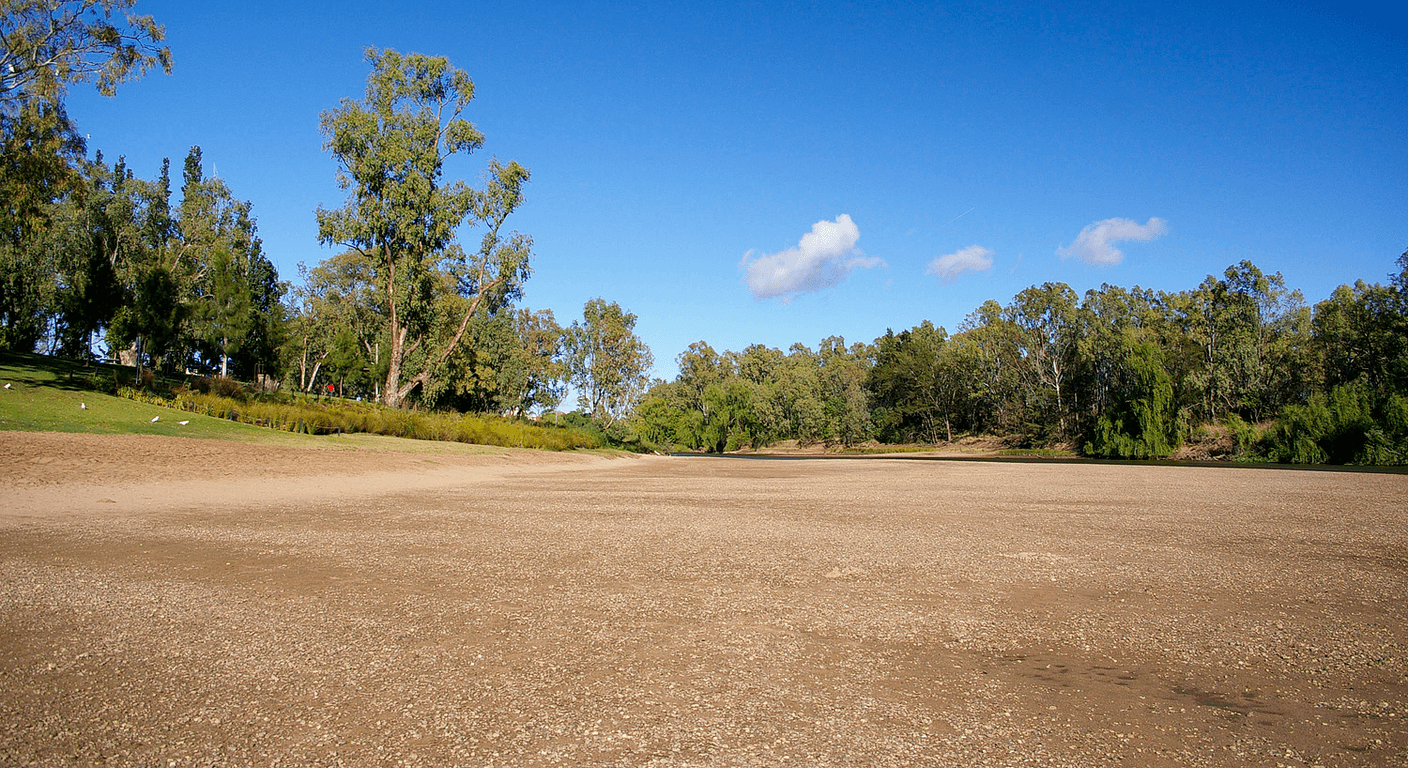
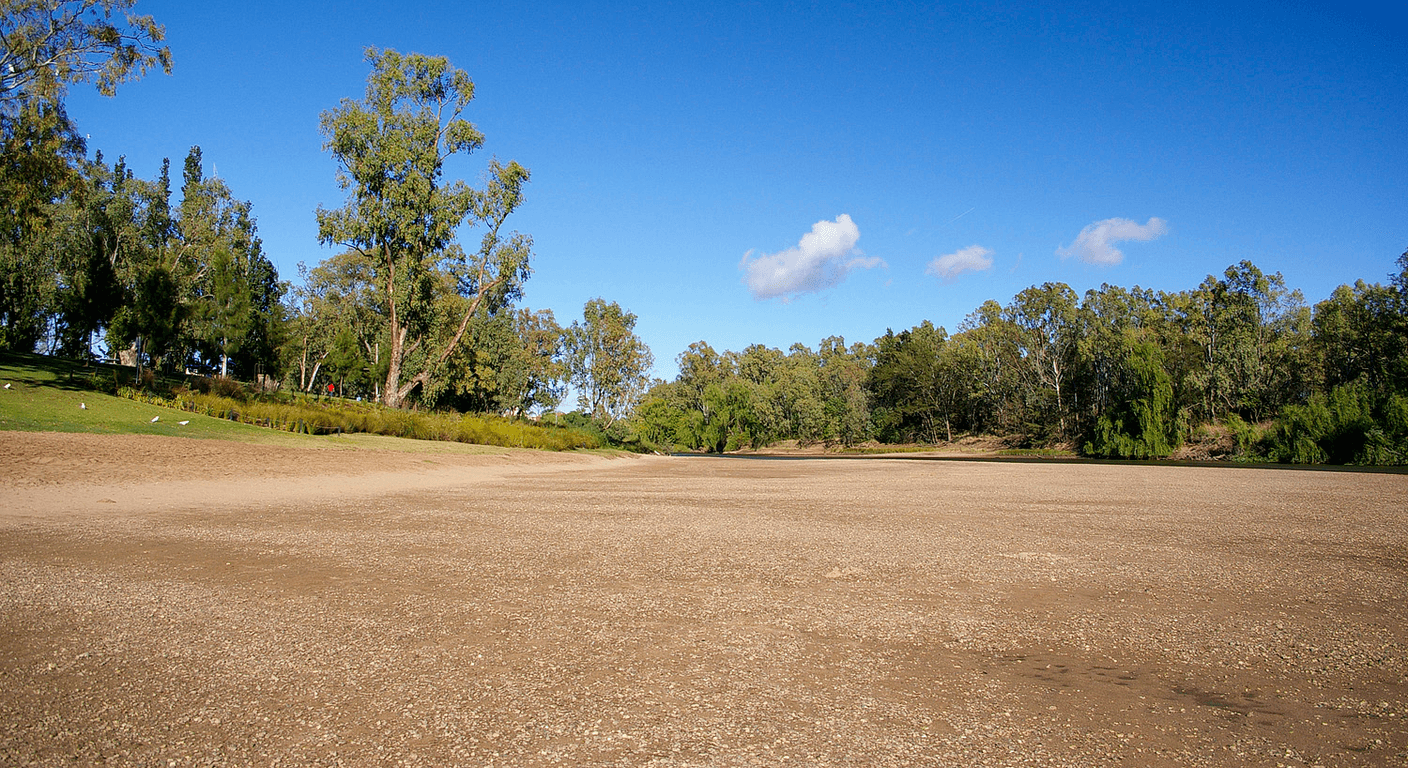
Wagga Beach is the kind of thing that surprises visitors who expect an inland city to have no relationship with water. A sandy riverbank on the Murrumbidgee, it sits a short walk from the CBD and offers a genuinely pleasant spot to spend a morning or late afternoon — particularly in spring and autumn when the air is warm without being punishing. There are trees for shade, a grassed area behind the sand, and the quiet drift of the river to watch. It's unpretentious and local and all the better for it.
The flat path along the riverbank connects the beach to the Victory Memorial Gardens precinct, making for an easy, scenic loop. The gardens themselves are formal in the best sense — well-maintained lawns, heritage plantings, memorials with genuine historical weight — and provide a calm counterpoint to a morning at the gallery. The whole loop is accessible and largely flat, suitable for anyone who walks comfortably on even ground.
In summer, the beach draws locals for a swim, and the Murrumbidgee can be inviting. But summer in Wagga is genuinely hot — temperatures regularly exceed 35°C and can push into the low 40s. Spring and autumn visits mean you enjoy the riverbank without enduring the heat. This is not a minor consideration; it's the main reason to plan your timing carefully.
The Botanic Gardens Zoo and Aviary: An Unhurried Morning
The Wagga Wagga Botanic Gardens, established in the 1870s, contain a free small zoo and aviary that has been quietly charming visitors for generations. The animals are modest in number — kangaroos, emus, various bird species — but the setting is lovely, and the unhurried pace of a free public zoo is a particular pleasure when you're travelling with friends who want to linger over a cup of tea and a conversation rather than tick boxes.
The gardens themselves are worth time on their own terms. Mature trees, heritage plantings and well-kept lawns create the kind of green space that a warm spring morning turns into a genuinely lovely experience. The Museum of the Riverina's Botanic Gardens site — home to the National Art Glass Collection — is within the same precinct, so combining the gallery with a garden walk and a look at the zoo makes for a full, easy morning without any transport required.
Entry to both the gardens and the zoo is free; confirm current arrangements at the Wagga Wagga City Council website. The paths are sealed and accessible, and there are benches throughout for anyone who wants to sit and take in the surroundings. It's the kind of place that rewards a slow pace.
Where to Eat: Club Dining and the Riverina Table
Wagga's clubs are an institution and, for travellers watching their spending, a genuinely good option. The Wagga RSL, the Wagga Leagues Club and similar venues offer meals that are solid, affordable and unpretentious — think well-executed pub classics, good local wine by the glass and dining rooms that are comfortable without being fussy. For a group of friends who've spent the morning at a gallery and the afternoon by the river, this is exactly what's needed. Indicative meal costs are roughly $20–$35 per person for a main; confirm current menus and prices directly with each venue.
Beyond the clubs, Wagga has a growing café and restaurant scene that reflects the city's size and confidence. The central streets around Baylis and Fitzmaurice have a reasonable concentration of cafés for breakfast and lunch, and there are a handful of restaurants offering more considered cooking — local lamb and Riverina beef feature prominently, as you'd expect. The farmers' market, held periodically, is worth checking for timing if your visit aligns.
The Riverina is serious wine country — Tumbarumba, Hilltops and the broader region produce wines that appear on national lists. Wagga's bottle shops and restaurant lists reflect this, and a regional wine with a club meal or at a local restaurant is one of those small pleasures that makes a stop feel like a proper visit rather than a transit pause. Confirm the farmers' market schedule at visitwagga.com.
Practical Notes: Timing, Pacing and Getting the Most from Two or Three Nights
Two nights gives you time to cover the main attractions comfortably without rushing: day one for the Botanic Gardens precinct, the art glass collection and the riverbank; day two for the civic precinct, the Memorial Gardens and a longer lunch. Three nights opens up space for a half-day drive into the surrounding countryside — the Snowy Mountains to the east are roughly two hours away, and the wine regions to the north and west are worth exploring if you have a car. That said, two nights is genuinely sufficient if the plan is to relax rather than cram.
Accommodation ranges from motel-standard to comfortable four-star hotels in the central area. The Mercure Wagga Wagga and similar properties offer reliable comfort and easy access to the centre; compare options at visitwagga.com or your preferred booking platform. For a friends group, a self-contained apartment can work well if you want the option of a quiet evening in with local wine and cheese from a good deli.
Travel insurance is essential, particularly for travellers with pre-existing conditions — even for domestic trips, the right policy covers medical costs, cancellations and unexpected delays. Compare policies through a reputable Australian comparison service and read the product disclosure statement carefully. Pack for variable temperatures in spring and autumn: warm days can give way to cool evenings, and a light layer makes all the difference on a riverside walk at dusk.
Quick planning guide
| Ideal pace | Slow-paced and relaxed, suited to friends travelling without pressure |
|---|---|
| Best months | Spring (September–November) and autumn (March–May); summer heat regularly exceeds 35°C |
| Suggested stay | Two to three nights |
| Mobility level | Easy — flat central precinct, sealed accessible paths, no significant hills |
| Cost level | Budget-friendly — free flagship attractions and affordable club dining ($20–$35 per main) |
| Comfort level | Comfortable — motel to four-star hotel options, hospital and full city infrastructure on hand |
| Best for | Friends groups over 50 wanting an easy, unrushed regional stopover with culture and river scenery |
| Main planning consideration | Schedule around spring or autumn to avoid extreme summer heat, and confirm train timetables and attraction opening arrangements before travelling |
Key takeaways
- The National Art Glass Collection at the Museum of the Riverina is free, nationally significant and fully accessible — one of the best regional gallery experiences in New South Wales.
- Direct XPT trains from both Sydney and Melbourne make Wagga Wagga one of the most accessible inland cities for rail travellers over 50.
- Wagga Beach is a genuine sandy riverbank minutes from the CBD — the Murrumbidgee at its most approachable.
- The flat central precinct, free Botanic Gardens zoo and club dining keep Wagga accessible and affordable without compromising quality.
- Spring (September–November) and autumn (March–May) are the optimal seasons; summer heat regularly exceeds 35°C and is best avoided.
- Two nights covers the highlights comfortably; three nights allows for wine-region day trips or a slower, more indulgent pace.
Recommended partners and links
Indicative prices only — always confirm with the operator before booking.
Frequently asked questions
Is the National Art Glass Collection at Wagga Wagga free to enter?
The National Art Glass Collection, housed at the Museum of the Riverina's Botanic Gardens site in Wagga Wagga, is free to enter. Confirm current admission arrangements at museumoftheriverina.com.au before your visit, as policies can change.
How do you get to Wagga Wagga by train from Sydney or Melbourne?
NSW TrainLink's XPT service runs directly to Wagga Wagga from Sydney Central (approximately five to six hours) and Melbourne Southern Cross (approximately six hours). Book and confirm current timetables at nswtrainlink.info.
What is the best time of year to visit Wagga Wagga?
Spring (September to November) and autumn (March to May) are the best times to visit Wagga Wagga. Summer temperatures regularly exceed 35°C and can reach the low 40s, making outdoor attractions uncomfortable. Winter is mild but can be cold and foggy.
Is Wagga Wagga suitable for travellers with limited mobility?
Wagga Wagga's central precinct is largely flat and well-suited to travellers with limited mobility. The Botanic Gardens, gallery sites, riverbank paths and Victory Memorial Gardens all have sealed, even surfaces. Confirm specific accessibility requirements directly with individual venues.
What is Wagga Beach and can you swim there?
Wagga Beach is a sandy riverbank on the Murrumbidgee River, located a short walk from Wagga Wagga's city centre. Locals swim there in warmer months. Check current river conditions and any local advisories with Wagga Wagga City Council before swimming.